
Table of Contents
The Polling Numbers
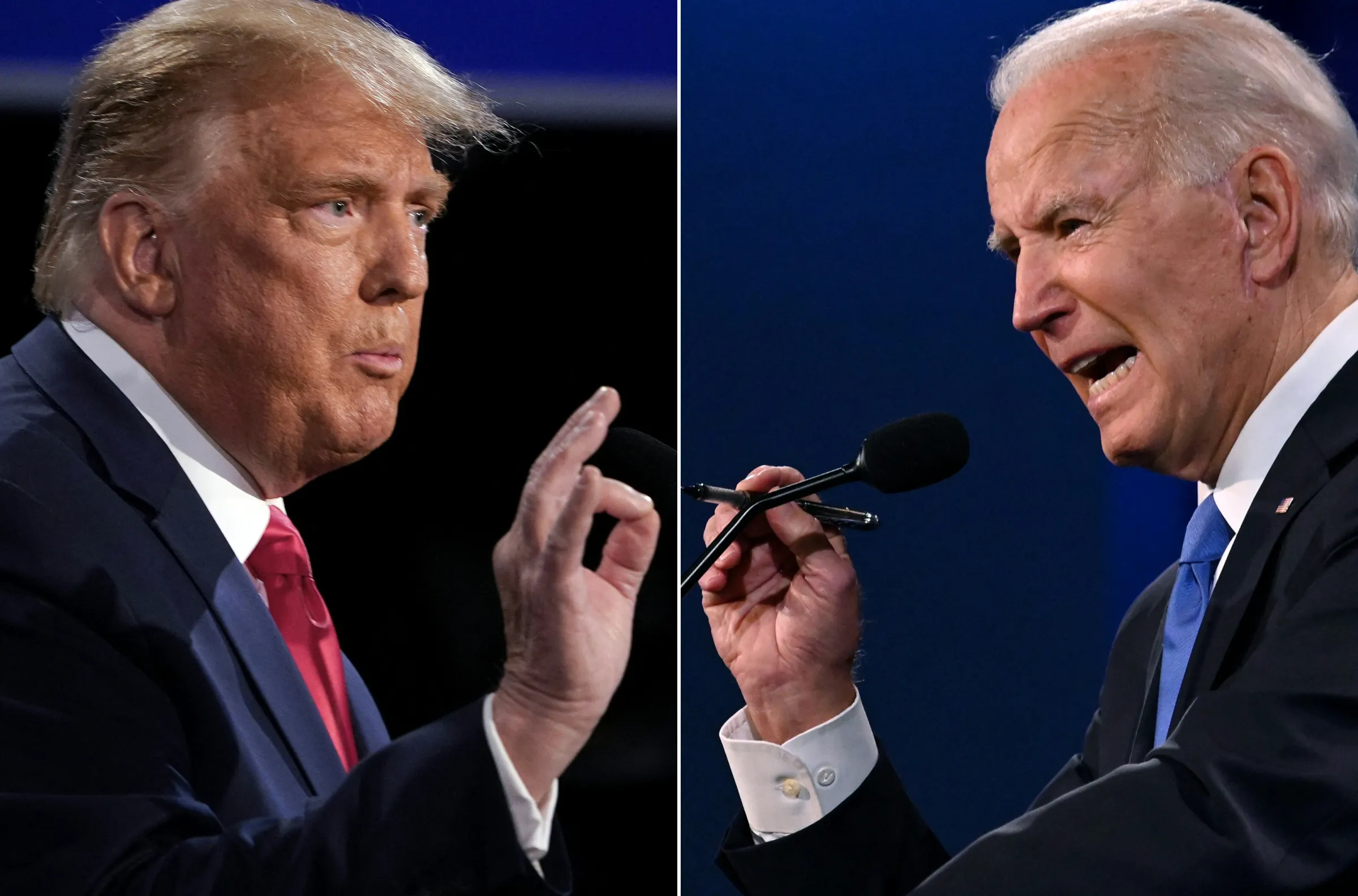
According to recent polls conducted by various agencies, including Gallup and Pew Research, Biden’s economic approval has reached levels comparable to Trump’s at similar points in their respective presidencies. Biden’s approval rating on economic matters is notably higher than it has been in months, with key issues such as job growth and government spending beginning to show positive effects. These numbers, while still fluid, have given Democrats some cause for optimism as they head into a crucial election year.
Trump’s economic approval was once one of his strongest points during his tenure in office, particularly due to the growth in stock markets and unemployment rates before the pandemic. Biden’s economic approval, though initially low due to challenges like inflation and gas prices, has managed to make up ground with recent legislative successes and an improving job market. The poll numbers indicate that the American public is recognizing the effects of the Biden administration’s efforts, even if some of those impacts are still in the early stages.
The Impact of Inflation and Supply Chain Issues
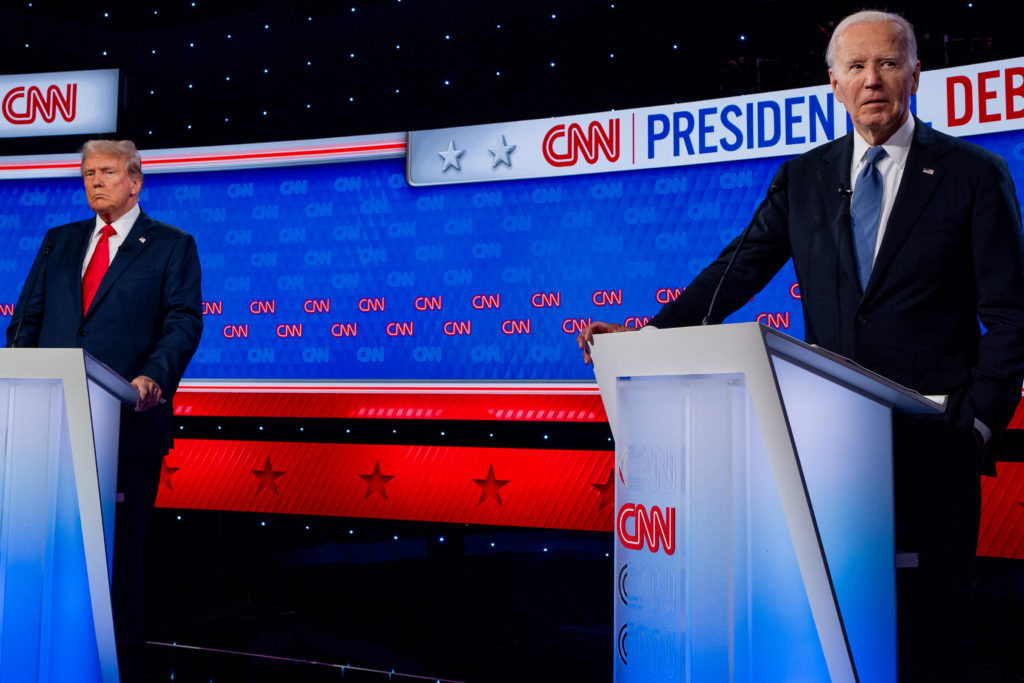
One of the most significant challenges to Biden’s economic approval ratings has been the issue of inflation, particularly rising prices for food, gas, and consumer goods. As inflation reached its highest level in decades, many voters voiced concerns over their personal finances, especially those in lower- and middle-income brackets. These economic pressures have been a central talking point for Republican challengers, including former President Trump, who often critiqued Biden’s handling of the economy and blamed him for the soaring prices.
However, Biden’s administration has made strides in addressing these issues through various initiatives, including supply chain improvements and policies aimed at reducing inflationary pressures. The passage of the Inflation Reduction Act in 2022 has been a key milestone in Biden’s efforts to address economic instability. By investing in green energy, health care, and tax reforms, the Biden administration has aimed to reduce long-term economic strain while simultaneously encouraging job creation and growth.
Despite the ongoing challenges, Biden’s approval on economic issues has improved, suggesting that some voters feel the administration is making headway in managing inflation and restoring economic balance.
Job Growth and Economic Recovery Post-Pandemic
Perhaps the most significant factor contributing to Biden’s improved economic approval is the growth in jobs and the continued recovery from the pandemic-induced recession. Since taking office, Biden’s administration has overseen the creation of millions of jobs, and the unemployment rate has fallen significantly. Many of these gains have come in sectors hit hardest by the pandemic, including service industries, retail, and hospitality.
The American Rescue Plan, which provided direct payments to citizens and funding for businesses, has been credited with helping to jumpstart the recovery. The push for infrastructure investment, with initiatives like the bipartisan infrastructure bill, has further bolstered the economy by creating jobs and improving the country’s physical and technological infrastructure.
Job recovery has not only boosted consumer confidence but has also led to an uptick in Biden’s economic approval among key voter groups. While some areas of the economy, such as real wages and housing, still face challenges, the overall picture of job growth has had a positive impact on public perception of Biden’s economic stewardship.
Infrastructure Investment
A major pillar of Biden’s economic agenda has been the ambitious infrastructure plan aimed at modernizing the U.S. economy. The $1.2 trillion infrastructure bill, passed in 2021, focuses on improving roads, bridges, broadband access, and public transportation. This long-term investment is expected to generate significant economic benefits over the coming years, both in terms of job creation and economic growth.
Infrastructure investment has always been a bipartisan issue, with both parties recognizing the need for upgrades to the country’s aging systems. Biden’s success in getting the infrastructure bill passed with bipartisan support is seen as one of his major accomplishments, and it has had a positive impact on his approval ratings. Voters, particularly in key battleground states, have responded positively to the tangible benefits of the infrastructure projects, such as new job opportunities and improvements to their communities.
The Challenges of Wage Stagnation and Income Inequality
While Biden’s economic approval has improved, there are still significant challenges to address, particularly in the areas of wage stagnation and income inequality. Despite a strong job market, many workers are not seeing significant increases in their wages, particularly in low-wage industries. The rising cost of living, paired with stagnant wages, has been a persistent problem for many Americans, and it remains a point of contention among voters.
Moreover, economic disparities between different regions of the country and various demographic groups have contributed to a growing sense of economic inequality. The wealth gap, which widened during the pandemic, continues to be a major issue, with wealthier Americans benefiting disproportionately from stock market gains and real estate investments.
Biden’s administration has attempted to address some of these concerns through policy initiatives like raising the minimum wage for federal workers and proposing new tax measures on the wealthiest Americans. However, critics argue that more needs to be done to ensure that the economic recovery benefits all Americans equally.
Public Sentiment
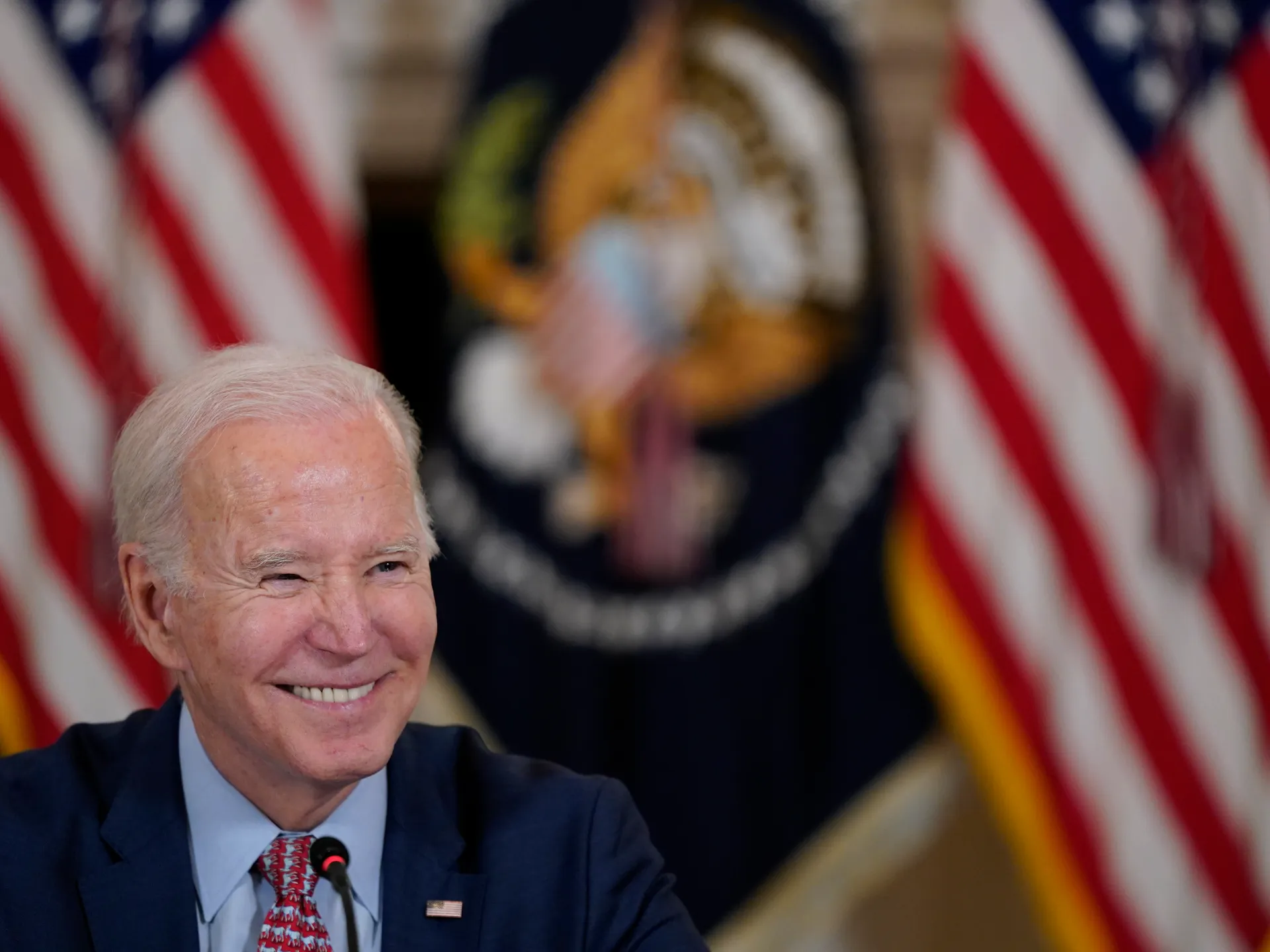
Despite Biden’s improved economic approval, the nation remains deeply divided on key economic issues. Republicans continue to criticize the Biden administration’s handling of inflation and the national debt, while many Democrats argue that Biden’s policies have laid the groundwork for long-term economic prosperity. Public opinion on Biden’s economic performance tends to align with broader political divides, with conservative voters generally less supportive of his economic policies and liberal voters expressing more optimism.
This division underscores the complex nature of economic policy in the U.S. and the difficulty in crafting solutions that appeal to all Americans. While Biden’s recent successes have earned him higher approval ratings, the nation’s deep partisan divide means that his economic record will continue to be a point of contention heading into the 2024 election.
Trump’s Economic Approval
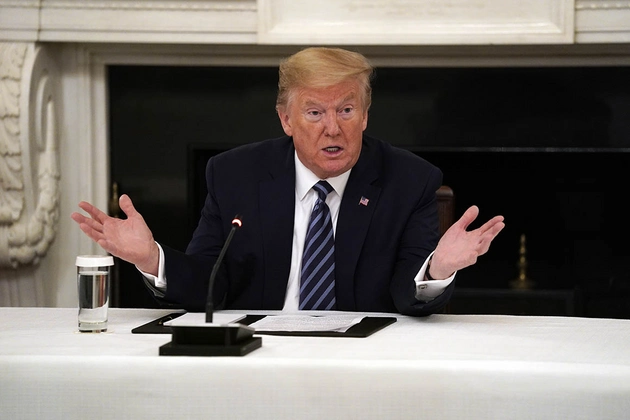
For the first time, Biden’s economic approval numbers are on par with those of former President Trump at similar points in their presidencies. Trump’s economic record, which included tax cuts, deregulation, and pre-pandemic job growth, was a central component of his political appeal. However, his approval on economic matters began to erode during the pandemic, as millions of Americans lost their jobs and the economy went into freefall.
Biden, on the other hand, has had to navigate the aftermath of the pandemic and the associated economic challenges, including inflation and supply chain disruptions. However, the recent recovery and job growth have allowed Biden to close the gap in economic approval, signaling that his policies may have gained traction with voters who were initially skeptical of his administration’s handling of the economy.
What Does This Mean for the 2024 Election?
As the 2024 election approaches, the state of the economy will remain a key issue for voters. Biden’s improved economic approval ratings could play a crucial role in his re-election campaign, as many Americans prioritize economic stability when casting their ballots. If Biden can continue to build on his recent successes—particularly in the areas of job growth, infrastructure investment, and pandemic recovery—he could present a strong case for a second term in office.
However, challenges remain, particularly in addressing income inequality and wage stagnation. The outcome of the election will depend not only on Biden’s economic performance but also on how effectively he can address the concerns of voters who are still struggling financially.
Conclusion
Biden’s economic approval ratings have reached a pivotal point, signaling a potential shift in the political landscape. With his approval now rivaling Trump’s, Biden’s economic policies have gained more traction, thanks in part to job growth and infrastructure investment. However, the challenges of inflation, wage stagnation, and income inequality remain pressing issues that will need to be addressed moving forward.
As the 2024 election draws nearer, the state of the economy will continue to play a central role in shaping public opinion. Biden’s success in managing the economy in the coming months will likely determine the trajectory of his political future and the ongoing debate over the direction of U.S. economic policy.