
Table of Contents
A Natural Defense Against Cancer
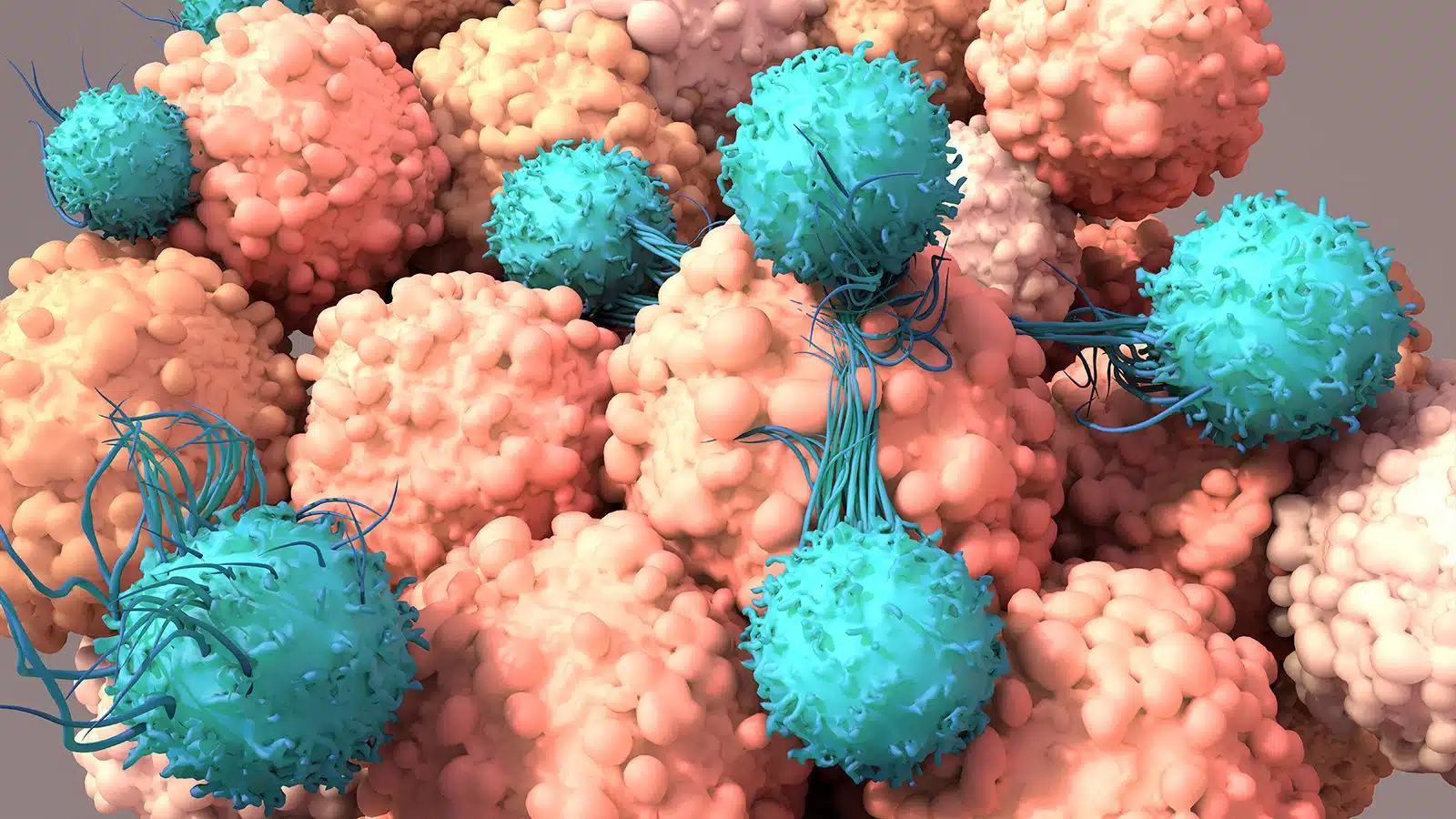
The discovery of the “cancer kill switch” was made through the study of a specific protein found in healthy cells. Scientists identified that this protein can trigger a self-destruct mechanism in cancerous cells, a process known as apoptosis. Apoptosis is a natural process by which cells that are damaged or no longer needed undergo programmed cell death. However, in many cancers, this process is disrupted, allowing cancer cells to grow uncontrollably.
By understanding how the “kill switch” protein activates apoptosis in cancer cells, researchers have taken a major step forward in developing therapies that can specifically target and destroy malignant cells. The protein acts as a sort of “molecular trigger,” telling cancer cells to self-destruct when certain conditions are met, potentially making it easier for the body to fight cancer without the need for harsh treatments like chemotherapy and radiation.
How the Kill Switch Works
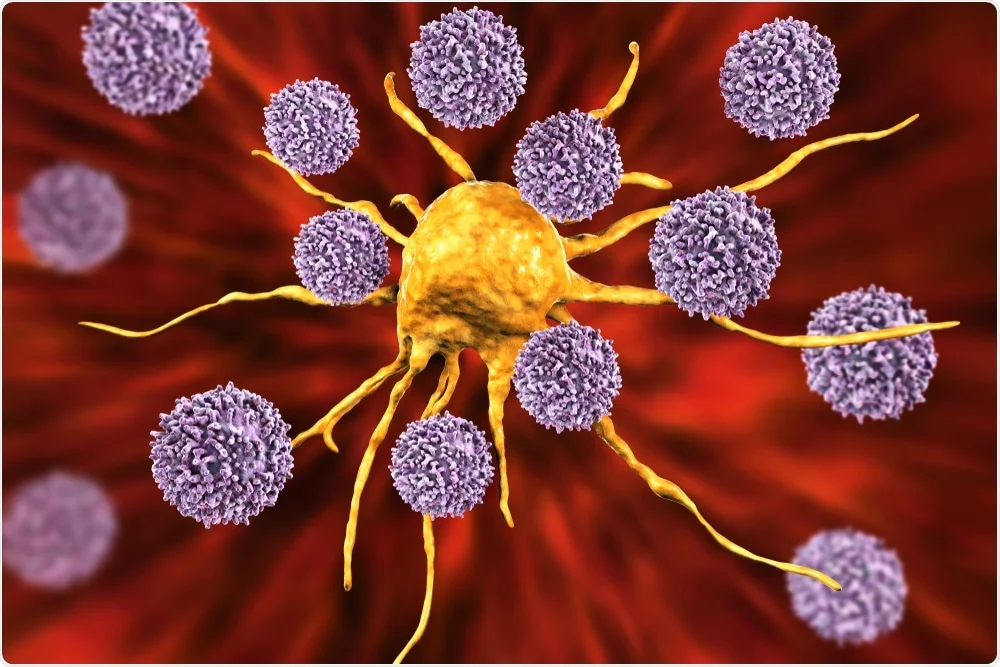
At the core of the “kill switch” is a protein that, when activated, sends signals within the cancer cell that prompt it to begin the process of self-destruction. The research team discovered that this protein interacts with the cell’s internal machinery, effectively overriding the cancer cell’s ability to evade death. The protein activates pathways within the cell that lead to a series of events culminating in apoptosis, where the cell breaks down and is eliminated.
This natural mechanism is a key part of the body’s immune system, which constantly works to identify and eliminate harmful or dysfunctional cells. In healthy cells, apoptosis serves as a safeguard against diseases like cancer, where cells may divide uncontrollably. The issue arises when cancer cells develop the ability to resist apoptosis, allowing them to survive and proliferate. By understanding how the “kill switch” protein operates, scientists hope to develop therapies that can reactivate this natural process in cancerous cells.
The Potential for Cancer Treatment
One of the most exciting aspects of this discovery is the potential for creating less invasive and more targeted cancer therapies. Traditional cancer treatments, such as chemotherapy and radiation, are often highly effective but come with significant side effects, including damage to healthy cells, nausea, and fatigue. These treatments can be debilitating for patients and may not always be effective, particularly in advanced stages of cancer.
By leveraging the body’s natural ability to destroy cancerous cells, scientists hope to create therapies that can target only the cancer cells, leaving healthy cells untouched. This type of precision treatment could reduce side effects and increase the overall effectiveness of cancer therapies. It could also offer a more sustainable approach to cancer treatment, focusing on the body’s innate healing mechanisms rather than relying on external drugs or procedures.
Implications for Immunotherapy
The discovery of the “kill switch” protein also has implications for the rapidly growing field of immunotherapy. Immunotherapy is a type of cancer treatment that aims to enhance the body’s immune system to fight cancer more effectively. Currently, immunotherapy treatments use synthetic or engineered substances to boost the immune response against cancer cells, but the discovery of a natural “kill switch” protein opens the door for a new approach to immunotherapy.
Rather than introducing foreign substances into the body, future treatments could aim to activate the body’s existing mechanisms to fight cancer. This could make immunotherapy more accessible, less costly, and more effective. Furthermore, it could reduce the need for frequent and costly treatments, offering a more sustainable way to manage cancer in the long term.
The Role of Genetics in Cancer Treatment
This discovery also highlights the crucial role of genetics in cancer treatment. Cancer cells often exhibit genetic mutations that allow them to avoid the normal processes of cell death. By understanding the genetic factors that contribute to the malfunction of the “kill switch” protein in cancer cells, researchers can develop more targeted treatments that address these specific mutations.
Genetic research is already a significant part of cancer treatment, with targeted therapies and gene-editing technologies such as CRISPR showing promise in treating various types of cancer. The discovery of the “kill switch” protein adds another layer to this approach, offering a potential genetic target for therapies that could prevent cancer cells from evading the body’s natural defenses.
Challenges and Future Research Directions
While the discovery of the “kill switch” is a promising breakthrough, there are still many challenges to overcome. One of the key hurdles is figuring out how to safely and effectively activate this process in cancer cells without causing unintended side effects. Researchers are currently exploring ways to deliver the protein or activate the gene responsible for triggering apoptosis specifically in cancer cells.
Another challenge is understanding the different ways in which cancer cells can resist apoptosis. Some cancer cells may have developed mechanisms that prevent the “kill switch” protein from functioning properly, and identifying these resistance factors will be crucial for developing effective treatments. Researchers are also working on understanding why certain cancers, such as those in the brain or pancreas, are more resistant to apoptosis than others.
Despite these challenges, the progress made so far is incredibly promising, and researchers are optimistic that they will be able to develop therapies that can harness the power of the “kill switch” to target cancer more effectively.
Potential for Personalized Medicine
The discovery of a natural cancer “kill switch” also opens up the potential for personalized medicine. Personalized medicine is an approach to healthcare that tailors treatment to the individual’s specific genetic makeup, lifestyle, and environment. With advancements in genomics and biotechnology, researchers are increasingly able to develop treatments that are customized to the needs of each patient.
The “kill switch” protein could become a key component of personalized cancer treatments, allowing doctors to design therapies that target the specific genetic mutations present in a patient’s cancer cells. This could improve the precision and effectiveness of treatment while reducing the risk of side effects. As personalized medicine continues to evolve, the “kill switch” discovery could be a crucial part of the future of cancer care.
What This Means for the Future of Cancer Treatment
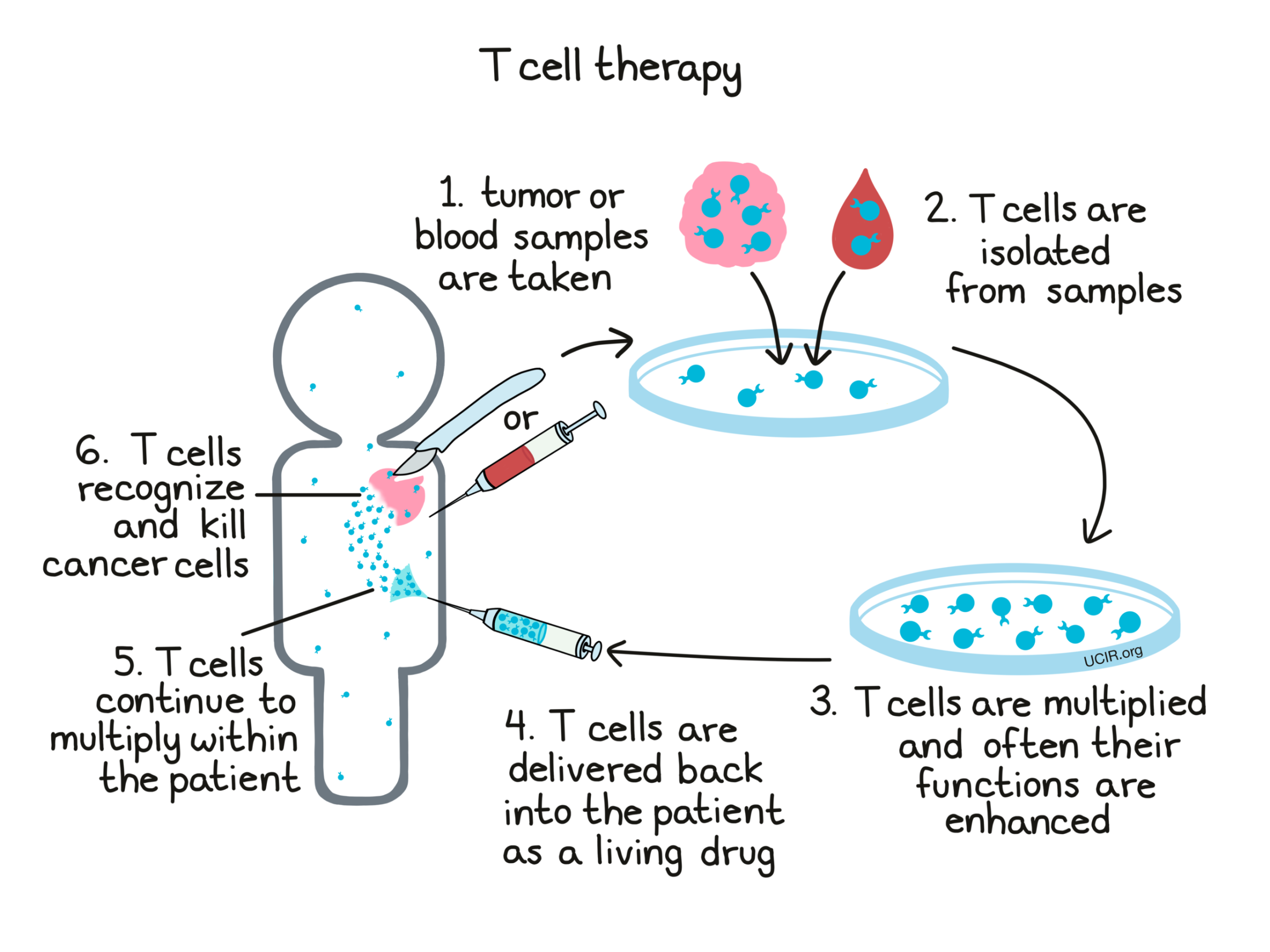
Looking ahead, the discovery of the cancer “kill switch” has the potential to revolutionize how we approach cancer treatment. With the ability to activate the body’s natural defenses against cancer, researchers may be able to develop therapies that are more effective, less invasive, and less costly than current treatments.
While much work remains to be done before this breakthrough can be translated into widespread clinical use, the discovery represents a significant leap forward in cancer research. As scientists continue to study the “kill switch” and its potential applications, we may be one step closer to a future where cancer is no longer the deadly disease it once was.
Conclusion
The discovery of the “kill switch” in human cells offers a new and exciting approach to cancer treatment. By tapping into the body’s natural ability to destroy cancer cells, scientists have paved the way for more effective, targeted therapies that could transform the way we fight cancer. While challenges remain in making this treatment accessible to patients, the potential for improved outcomes and fewer side effects is promising. As research continues, this breakthrough could be the key to finally winning the battle against cancer, offering hope for millions of people worldwide.