
Table of Contents
- Unearthing Ancient Human Remains
- The Brutal Nature of Their Deaths
- What the Fossils Reveal About Early Human Conflict
- The Species Involved
- Implications for Understanding Human Evolution
- The Role of Predation and Environmental Factors
- The Evidence of Inter-Species Conflict
- The Significance of Fossil Discoveries in Human History
- Future Research and the Ongoing Exploration of Human Evolution
- Conclusion
Unearthing Ancient Human Remains
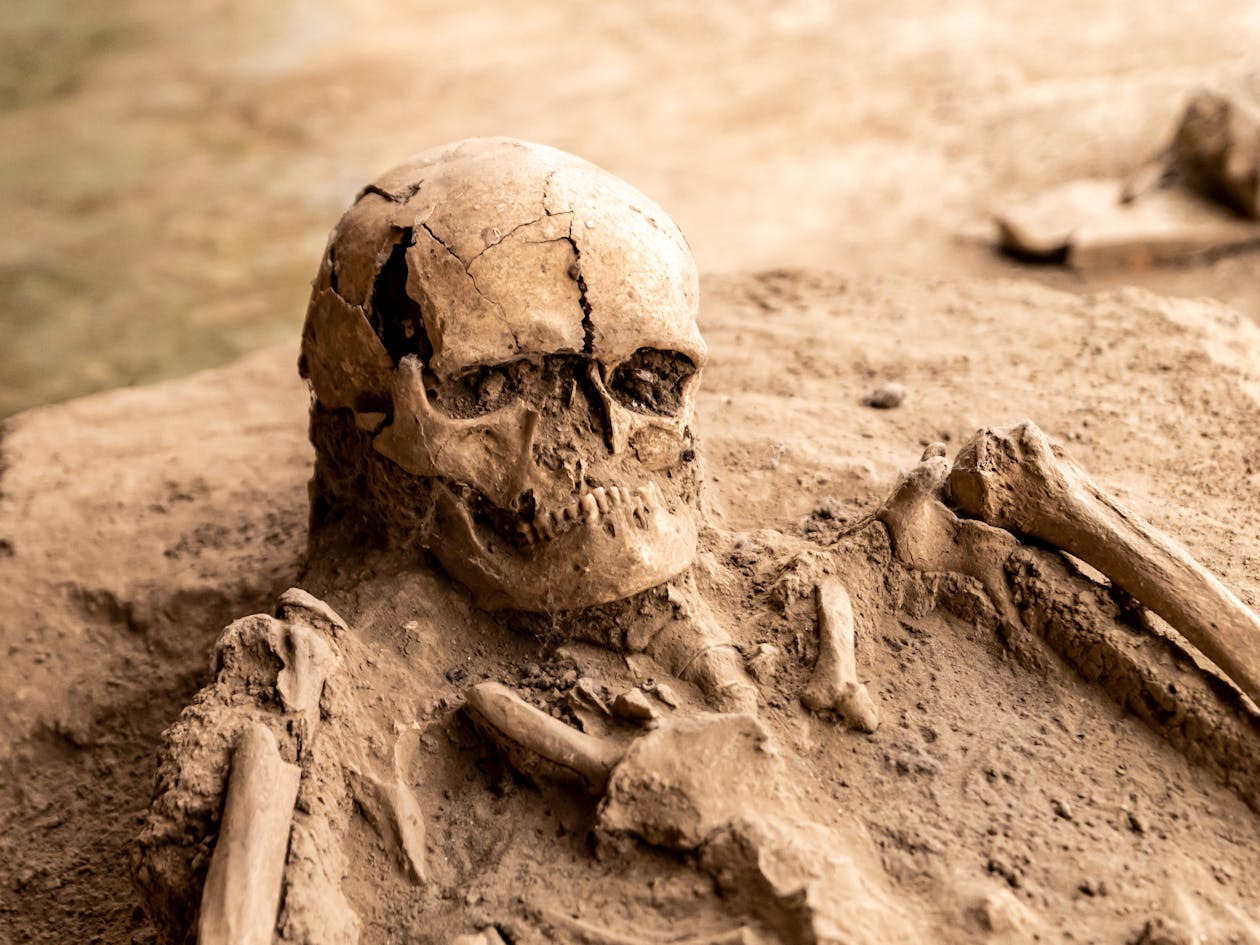
The remains of the two extinct humans were found in a remote archaeological site where researchers unearthed fossils showing clear evidence of trauma. These remains belong to early hominins who lived around 1.8 million years ago, during a period when early human ancestors were still navigating an environment full of threats—both from the wild and from each other.
The discovery of the fossils immediately raised questions about how these two individuals died and what this could tell us about the conditions under which early humans lived. The brutal nature of the trauma sustained by the individuals suggests that their deaths were not accidental but likely the result of violent confrontations. This finding challenges the traditional view of early human life, often depicted as a peaceful, cooperative existence, and instead paints a picture of early humans as survivors in a harsh, brutal world.
The Brutal Nature of Their Deaths
Upon analysis, it was clear that the individuals died in violent circumstances. The fossils showed signs of multiple traumatic injuries, including blunt force trauma and severe cuts, which led researchers to believe that their deaths were the result of an altercation, either with each other or perhaps with a predator. One of the individuals suffered from extensive fractures and skull damage, suggesting a violent confrontation, while the other displayed evidence of deep cuts and puncture wounds.
These injuries point to the possibility of a violent conflict between two early humans. Given the lack of concrete evidence about the nature of their interactions, scientists have speculated that these two individuals could have been part of a larger social group, potentially fighting over resources or territory. Another theory suggests that they may have been victims of a larger predator attack, though the evidence seems to support a more human-centric explanation.
What the Fossils Reveal About Early Human Conflict
The trauma sustained by these individuals provides significant insight into the nature of early human conflict. It suggests that early humans were not just engaged in a struggle for survival against the environment, but also against each other. The injuries sustained by these individuals are indicative of interpersonal violence, which might have been a regular feature of life in a world where resources were scarce and competition was fierce.
While earlier theories about human evolution emphasized cooperation and social bonds as the driving force behind survival, this discovery suggests that conflict, rather than cooperation, may have played a significant role in early human development. Researchers now face the challenging task of further investigating the causes of such violent behavior and understanding its implications for the social structure and survival strategies of early human ancestors.
The Species Involved
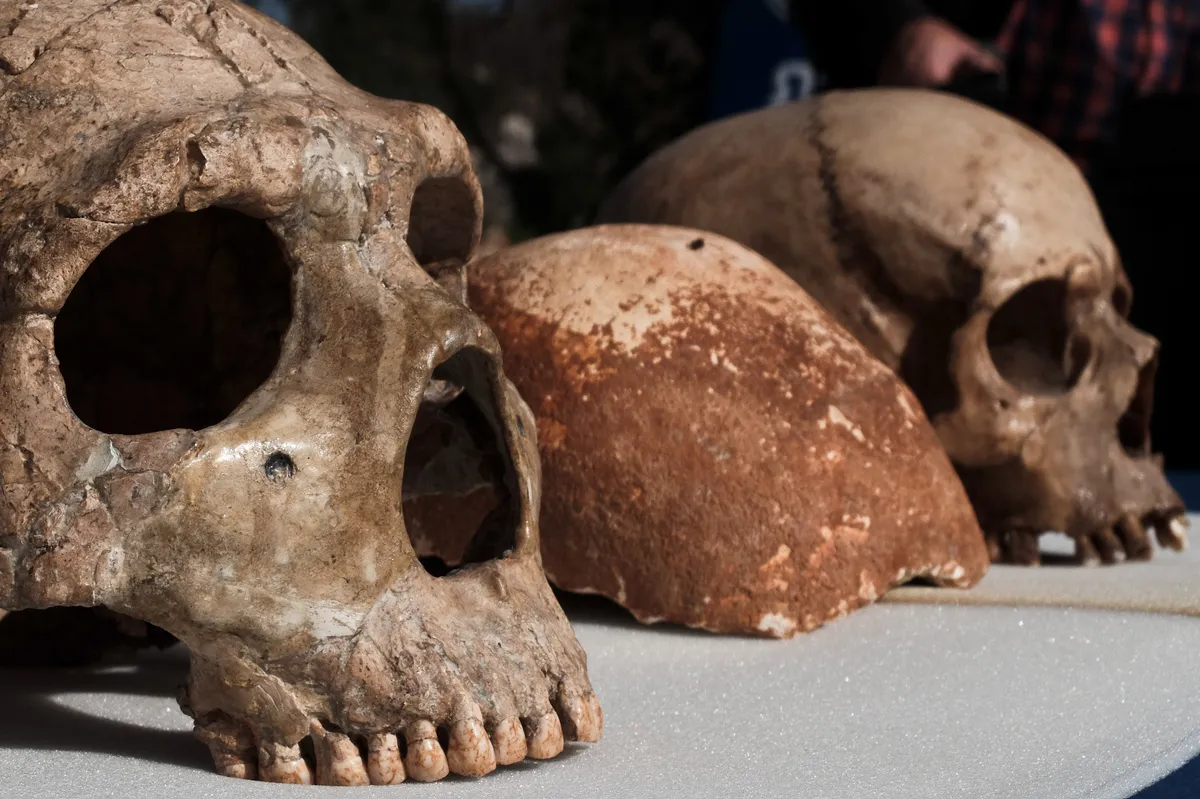
The two individuals in question belonged to the species Homo erectus, one of the most important human ancestors in our evolutionary history. Homo erectus was characterized by a larger brain and advanced tool usage compared to earlier hominins, making it a pivotal species in the evolution of human beings.
Homo erectus is thought to have been one of the first human ancestors to migrate out of Africa, and its survival strategies would have been crucial in adapting to new environments. The discovery of this violent encounter suggests that Homo erectus individuals were likely engaged in territorial disputes or resource competition, which may have led to conflict with other groups or even within their own species.
The deaths of these individuals highlight the challenges that Homo erectus faced in a dangerous and competitive world. While early human ancestors were equipped with improved tools and cognitive abilities, they still had to contend with the same basic survival instincts that drove much of their behavior, including the need to protect resources and territory.
Implications for Understanding Human Evolution
This discovery has profound implications for our understanding of early human evolution. It challenges the traditional view of early humans as peaceful and cooperative beings, highlighting the role of conflict and aggression in human survival. The traumatic deaths of these two Homo erectus individuals suggest that violence was an integral part of life, shaping the behavior and development of early humans.
This new understanding of human behavior forces us to reconsider how early humans interacted with their environment and each other. Rather than relying solely on cooperation for survival, early humans may have relied on aggressive tactics to secure resources, protect themselves from predators, and maintain control over their territories. This discovery provides a more nuanced view of early human life, showing that conflict and violence were likely just as important as cooperation in shaping human evolution.
The Role of Predation and Environmental Factors
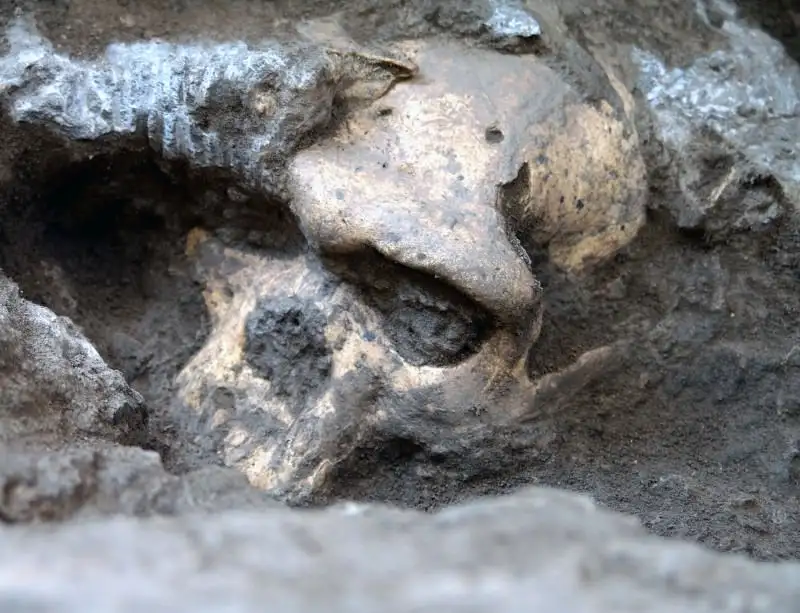
In addition to internal conflict, early humans also had to contend with external threats, such as predators and environmental hazards. The discovery of Homo erectus remains with signs of trauma suggests that early humans were not only at risk from other human groups but also from larger predators in their environment.
Homo erectus would have had to navigate a world filled with dangerous animals, such as saber-toothed cats and other carnivores, which posed a constant threat to their survival. While the cause of death for these two individuals may have been due to human conflict, the threat of predation and environmental challenges cannot be ruled out. Understanding how these factors influenced early human behavior is crucial for developing a complete picture of human evolution.
The Evidence of Inter-Species Conflict
What makes this discovery particularly intriguing is the possibility that Homo erectus might have also engaged in conflict with other human species. During the time that Homo erectus roamed the Earth, there were other human-like species, such as Homo habilis and Homo neanderthalensis, with whom they might have competed for resources. This inter-species competition could have been a key factor in the evolution of aggressive behaviors.
While we don’t have direct evidence of violent interactions between different human species, the possibility remains that Homo erectus had to defend itself against other groups of hominins. This discovery suggests that territorial disputes, resource scarcity, and even inter-species competition may have shaped the evolutionary path of early humans, contributing to the development of more complex social behaviors.
The Significance of Fossil Discoveries in Human History
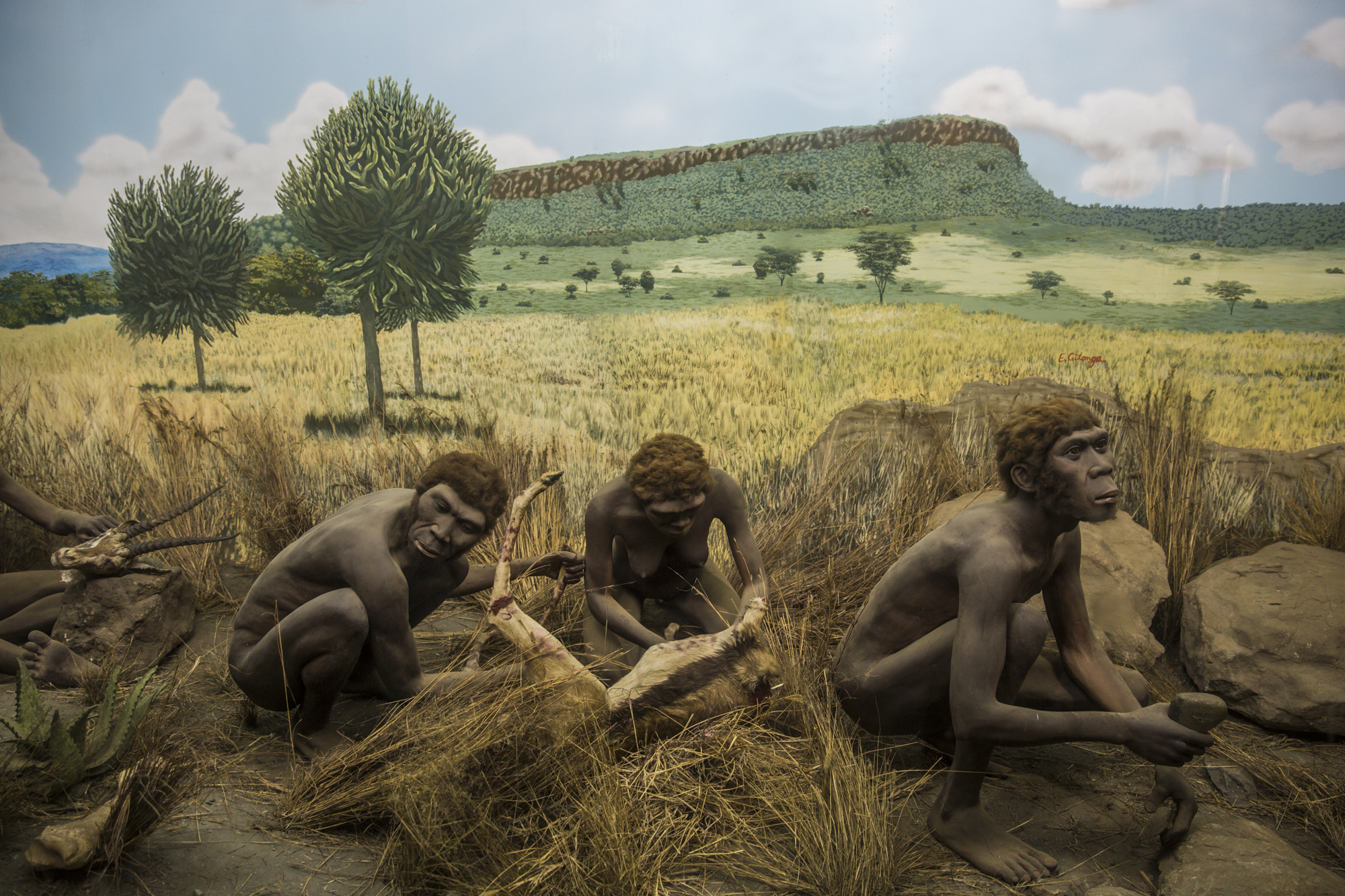
Fossil discoveries like this one are invaluable in piecing together the story of human evolution. Each new find provides a deeper understanding of how early humans lived, interacted, and survived. The violent deaths of these two Homo erectus individuals give us a glimpse into the brutal realities of early human life, where survival often meant fighting for resources and defending against threats, both human and non-human.
By studying these ancient remains, scientists can better understand the behavior and social structures of early humans. This discovery emphasizes the importance of fossil research in unlocking the mysteries of our past, offering clues that may shape how we think about human nature, evolution, and the development of social systems.
Future Research and the Ongoing Exploration of Human Evolution
While this discovery provides valuable insights into early human behavior, much work remains to be done. Researchers will continue to study the remains of ancient humans to learn more about the causes of death, the nature of early human conflict, and the role of violence in human evolution. Future studies will focus on comparing the trauma found in these remains with other fossilized remains from the same period to determine whether violent encounters were common among early humans.
As we move forward, it is important to remember that this discovery is just one piece of the puzzle. While conflict and aggression played a significant role in early human survival, so did cooperation, innovation, and social bonding. The interplay between these factors will continue to be a key area of focus for researchers seeking to understand the full story of human evolution.
Conclusion
The discovery of two Homo erectus individuals who suffered violent deaths nearly 1.8 million years ago offers a grim but essential snapshot of early human life. This finding challenges the traditional view of early humans as peaceful beings, suggesting instead that survival often required brutal conflict and aggression. As research into early human evolution continues, we may uncover more stories of violence, survival, and the complex social dynamics that shaped our ancestors.
While this discovery raises more questions than answers, it represents an important step in understanding the harsh realities faced by early humans and their struggle for survival. By continuing to study these ancient remains, scientists can shed more light on the role of violence in human evolution, providing a deeper and more nuanced understanding of our past.