
Table of Contents
Russia’s Growing Crackdown on LGBTQ+ Rights
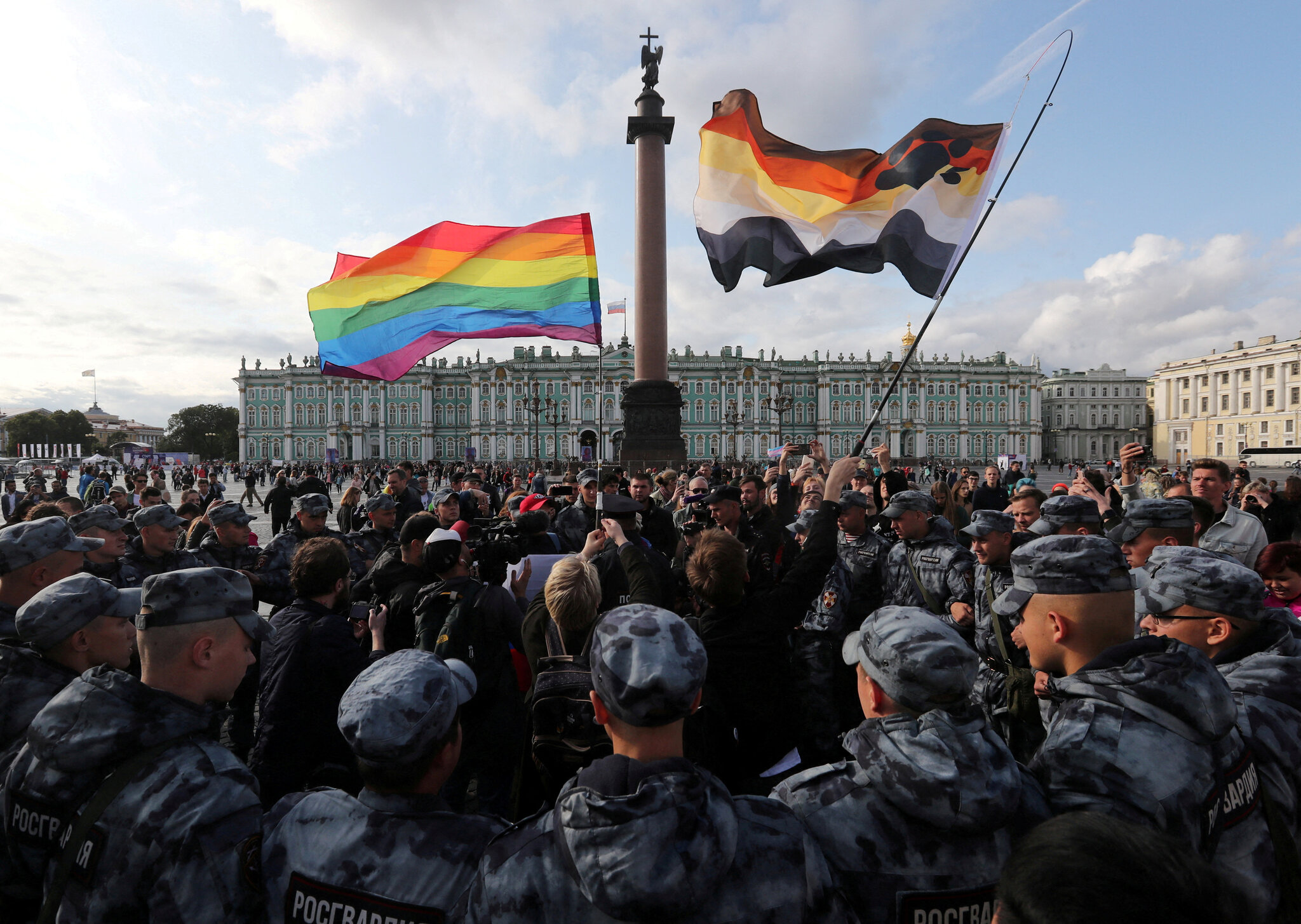
In a move that has drawn significant concern from activists and governments worldwide, Russia’s government passed a law that sharply restricts the rights and freedoms of LGBTQ+ individuals. The legislation was introduced as part of a broader effort by the Russian state to enforce a more traditional, conservative moral framework. Under the new law, any act of “promotion” or “advocacy” related to LGBTQ+ rights is now illegal, with severe penalties for those who violate the law.
This law is part of a series of actions over the past decade in which the Russian government has moved to limit the expression and rights of its LGBTQ+ citizens. The most well-known of these efforts is the 2013 “gay propaganda” law, which has been widely criticized for stifling freedom of speech and expression. The new legislation builds on these prior actions, but its scope is broader and more severe, targeting everything from public demonstrations to online advocacy.
Implications for the LGBTQ+ Community in Russia
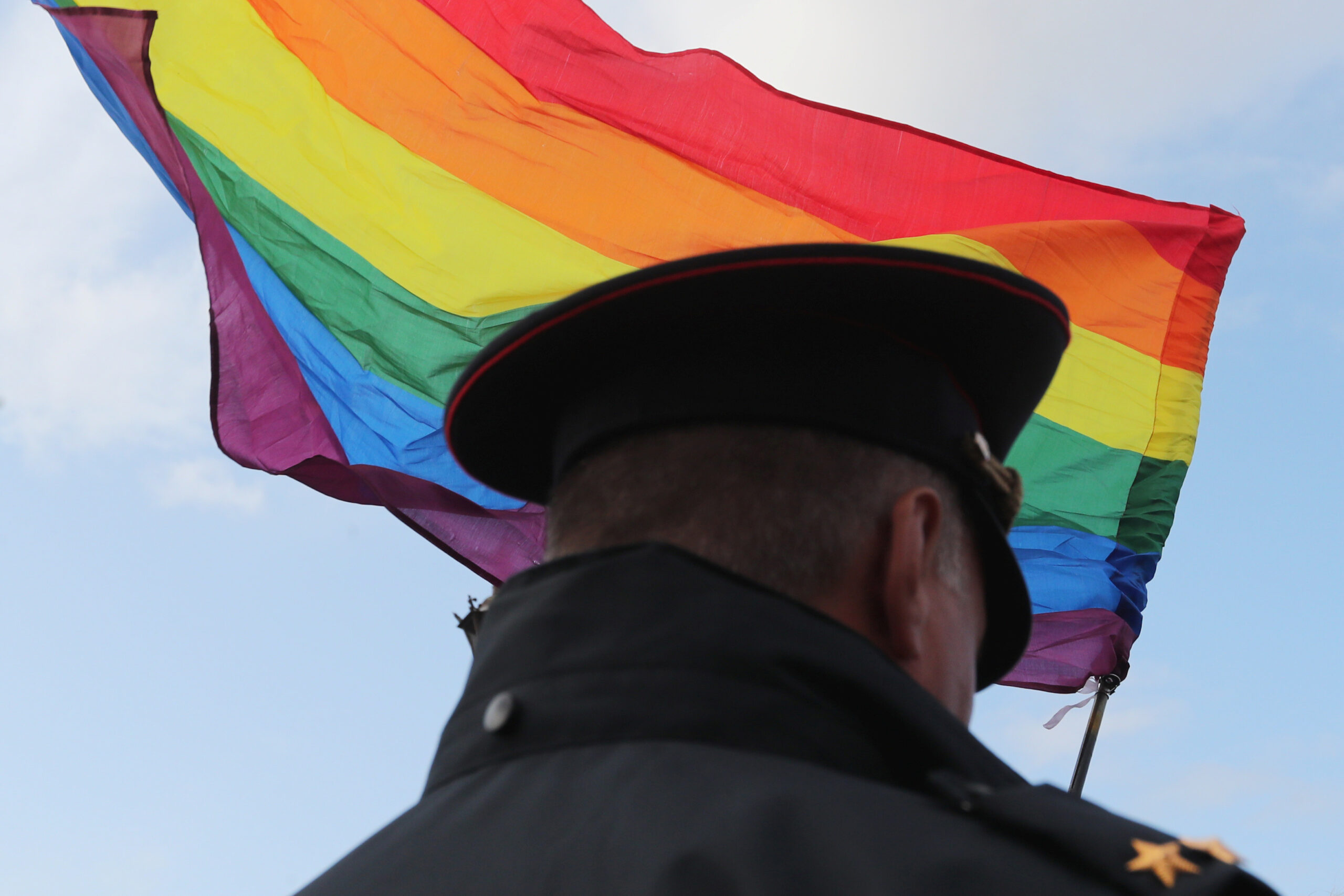
For the LGBTQ+ community in Russia, the law signals even darker times ahead. Many activists fear that it will lead to further social isolation and discrimination against LGBTQ+ individuals. Under the current legal framework, advocating for equal rights or even engaging in discussions about sexual orientation and gender identity in public spaces could lead to arrest or fines.
Additionally, there are fears that this new law will exacerbate an already hostile environment for LGBTQ+ people in Russia. The law could encourage violence and discrimination against LGBTQ+ individuals, as the government’s actions may signal to the general population that these groups are not deserving of the same protections as others.
LGBTQ+ individuals in Russia already face significant challenges, with many living in fear of retribution. This new law may further entrench this fear, causing more people to live in the shadows, isolated from their communities and families. The law not only denies basic human rights but also sends a message to the world that Russia is increasingly unwilling to accept diversity or freedom of expression.
Global Backlash and Condemnation
Following the passage of the law, governments, human rights organizations, and international bodies have strongly condemned the move. The European Union, the United Nations, and several individual countries have voiced their concerns over Russia’s growing crackdown on LGBTQ+ rights.
For many, this law represents an alarming step backward in the fight for global human rights. Advocates have highlighted that the law goes against the principles outlined in the Universal Declaration of Human Rights, which guarantees freedoms of expression, association, and peaceful assembly.
In the United States, lawmakers have also spoken out against the law, urging the Biden administration to take stronger action against Russia’s increasingly authoritarian regime. Calls have been made for diplomatic measures, including economic sanctions, to pressure the Russian government to reverse its decision. Many international LGBTQ+ organizations have pledged to support Russian activists who are now facing greater risks of persecution and imprisonment.
The Future of LGBTQ+ Rights in Russia
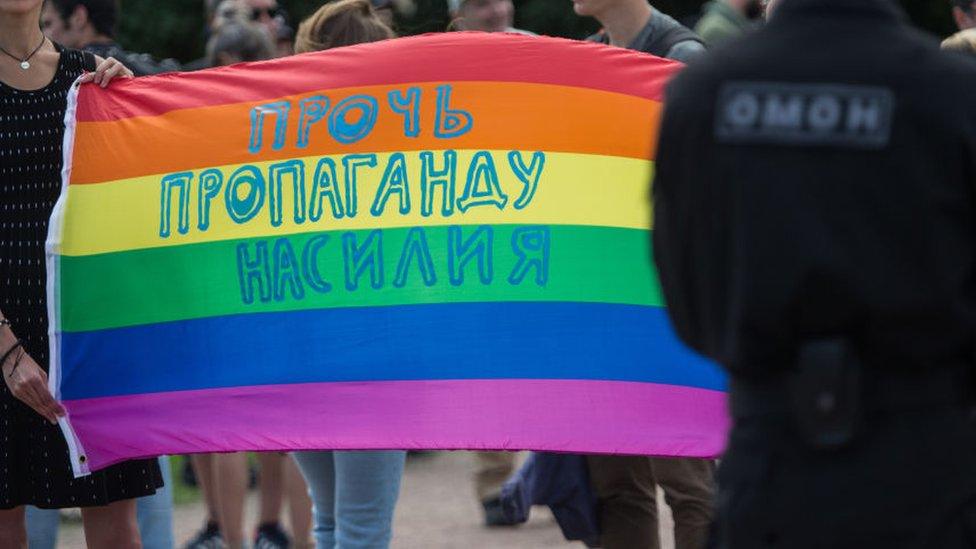
The future of LGBTQ+ rights in Russia appears uncertain. The new law is likely to embolden conservative factions in Russia that view the LGBTQ+ community as a threat to their traditional values. However, it is also possible that this law will spur even greater international resistance to Russia’s policies.
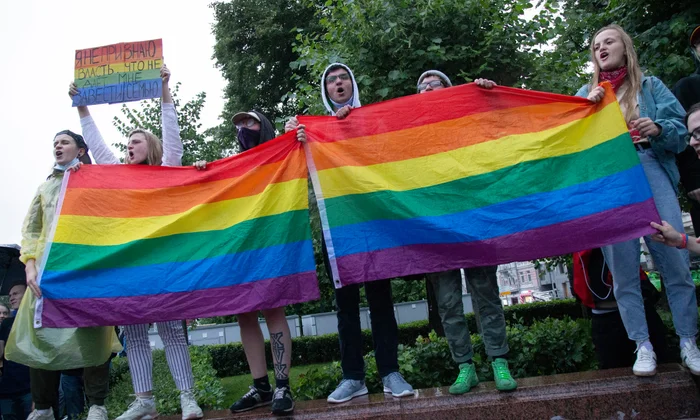
Activists within Russia and abroad will continue to push for greater recognition of LGBTQ+ rights and freedoms. International advocacy, paired with local resistance, may eventually help to challenge the law’s enforcement and even lead to its repeal. However, for now, the law casts a long shadow over the future of the LGBTQ+ community in Russia.
Ethical Questions and International Implications
One of the key issues arising from this law is its ethical implications. How far should governments be allowed to go in restricting individual rights in the name of cultural or national values? Russia’s law raises serious questions about the balance between state sovereignty and universal human rights. Many human rights advocates argue that cultural relativism should not be used as an excuse to deny individuals their basic freedoms.
The international community now faces the difficult task of responding to Russia’s new law in a way that supports LGBTQ+ individuals without escalating tensions or undermining other diplomatic interests. Some experts suggest that economic sanctions, trade restrictions, or diplomatic isolation could be effective means of applying pressure on Russia to reverse its policies. However, there are concerns that such measures may only deepen divisions and make life harder for ordinary Russians.
Conclusion
Russia’s new law represents a significant turning point in the global struggle for LGBTQ+ rights. It highlights the tension between individual freedoms and state-imposed values, raising questions about the future of human rights worldwide. The law’s passage has prompted widespread condemnation, but it has also energized advocates and governments to take a stand against such regressive policies.
As the international community grapples with how to address this issue, it is clear that the fight for LGBTQ+ rights in Russia is far from over. The road ahead may be difficult, but the resilience of activists and allies within Russia and beyond will continue to play a crucial role in challenging oppressive laws and policies.