
Table of Contents
Context and Background
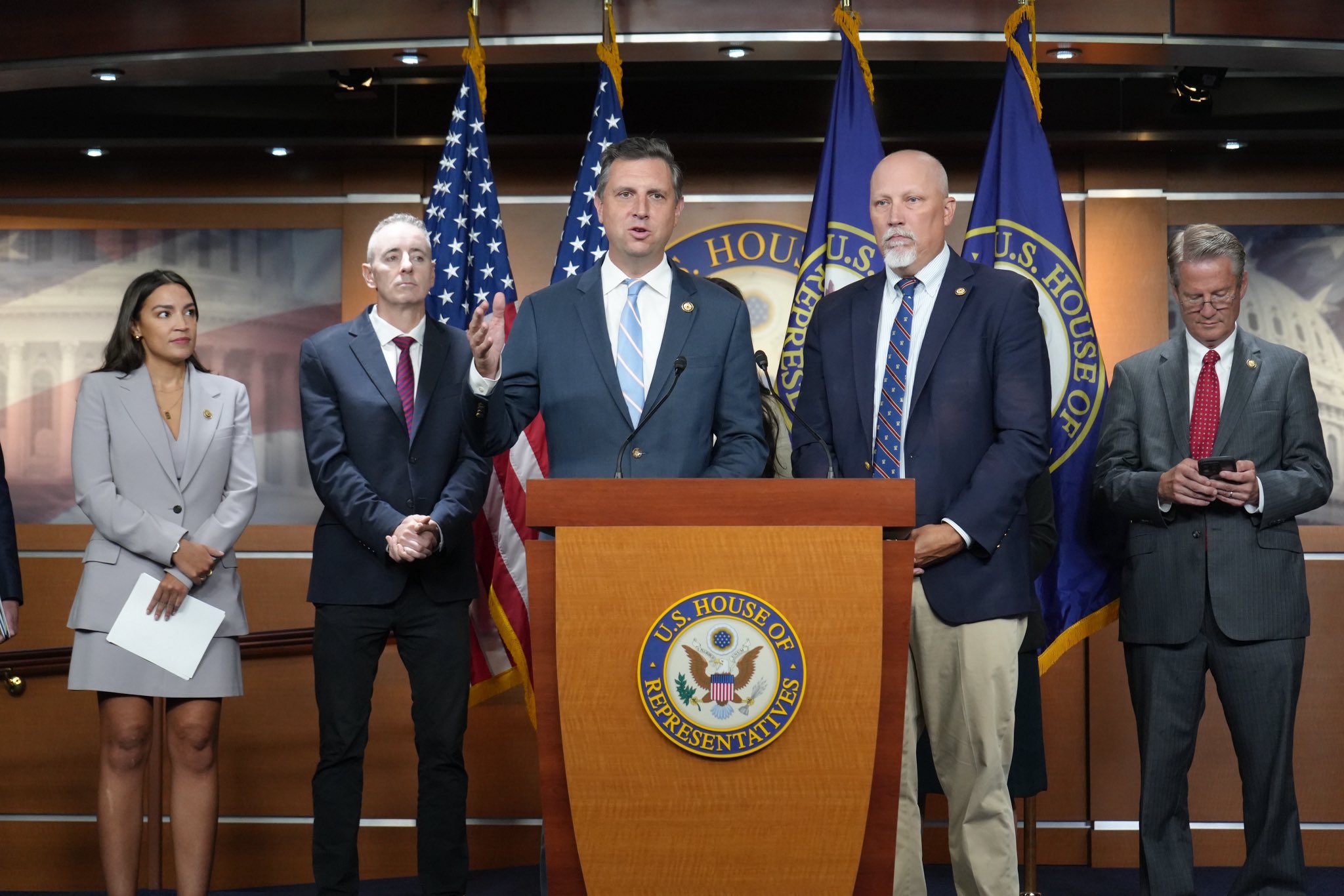
The issue of stock trading by Congress members has long been a source of controversy. For years, critics have raised concerns that lawmakers who are privy to sensitive information might use their positions to trade stocks and gain financial advantage. Reports have revealed instances where members of Congress made stock trades that aligned suspiciously with legislative actions, fueling accusations of insider trading. These incidents have led to calls for greater oversight and regulation to ensure that elected officials act in the best interest of their constituents, rather than personal financial gain.
In response to these concerns, several lawmakers have introduced bills that would impose stricter rules on stock trading. The proposed bill, which is now set for a vote, would prohibit members of Congress from trading individual stocks, bonds, and other securities while they are in office. Instead, lawmakers would be required to place their investments in blind trusts or mutual funds, effectively removing any personal influence over their financial decisions. This move seeks to address public concerns about corruption and conflicts of interest, which have been a major issue in recent years.
What’s at Stake
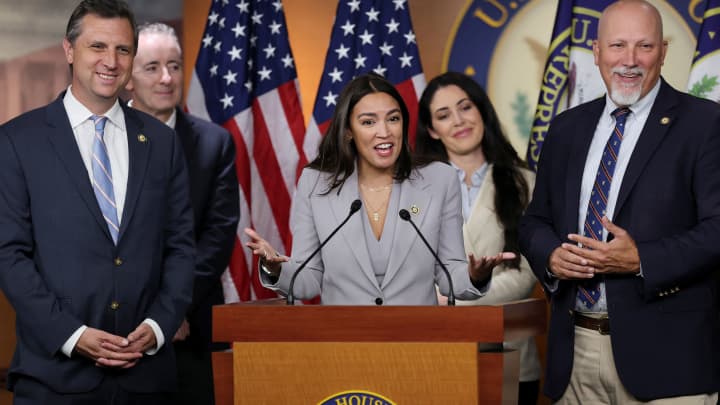
The proposed stock trading ban is a landmark step toward increasing transparency in Congress, but it also raises important questions about the financial independence of lawmakers. Critics argue that placing restrictions on stock trading could be overly burdensome and might discourage individuals from running for office. They argue that elected officials should be allowed to manage their own finances without government interference. Supporters, however, counter that Congress members have a responsibility to uphold the public trust, and that the perception of corruption must be avoided at all costs.
Implications for Transparency and Public Trust
The potential passing of the stock trading ban represents a significant shift in how lawmakers interact with the financial markets. It has the potential to redefine the relationship between elected officials and the companies they regulate. By removing the possibility of stock trading, lawmakers could more easily demonstrate that their decisions are based solely on what is best for the public, rather than financial considerations.
Moreover, the bill could help restore public faith in Congress at a time when trust in government institutions is at an all-time low. Recent scandals, such as the controversial stock trades made by some high-profile members during the early stages of the COVID-19 pandemic, have fueled skepticism and distrust among voters. This bill aims to directly address those concerns by putting in place clear rules that prevent conflicts of interest.
Challenges and Criticism
While the stock trading ban has received significant support, it is not without its critics. Some lawmakers argue that the bill would unfairly punish members who have invested their personal funds responsibly and legally. For many, being able to trade individual stocks is seen as a basic right of citizenship. Proponents of this view argue that lawmakers should not be treated differently from other citizens in terms of their financial freedoms.
There are also concerns about the practical implications of the bill. If the ban is enacted, members of Congress may need to divest from their personal portfolios or place them in blind trusts. This could be a complicated and costly process for many lawmakers, especially those with substantial investments. Some critics argue that such restrictions could create a system where only the wealthiest individuals are able to serve in Congress, further entrenching the influence of money in politics.
What Happens Next?
As Congress prepares to vote on the bill, all eyes will be on lawmakers as they decide whether to pass the legislation. While the bill has broad support among certain segments of the population, it faces resistance from those who believe that it goes too far in restricting the personal freedoms of elected officials. Whether or not the bill will pass remains uncertain, but one thing is clear: the debate over stock trading in Congress is far from over.
Closing Thoughts
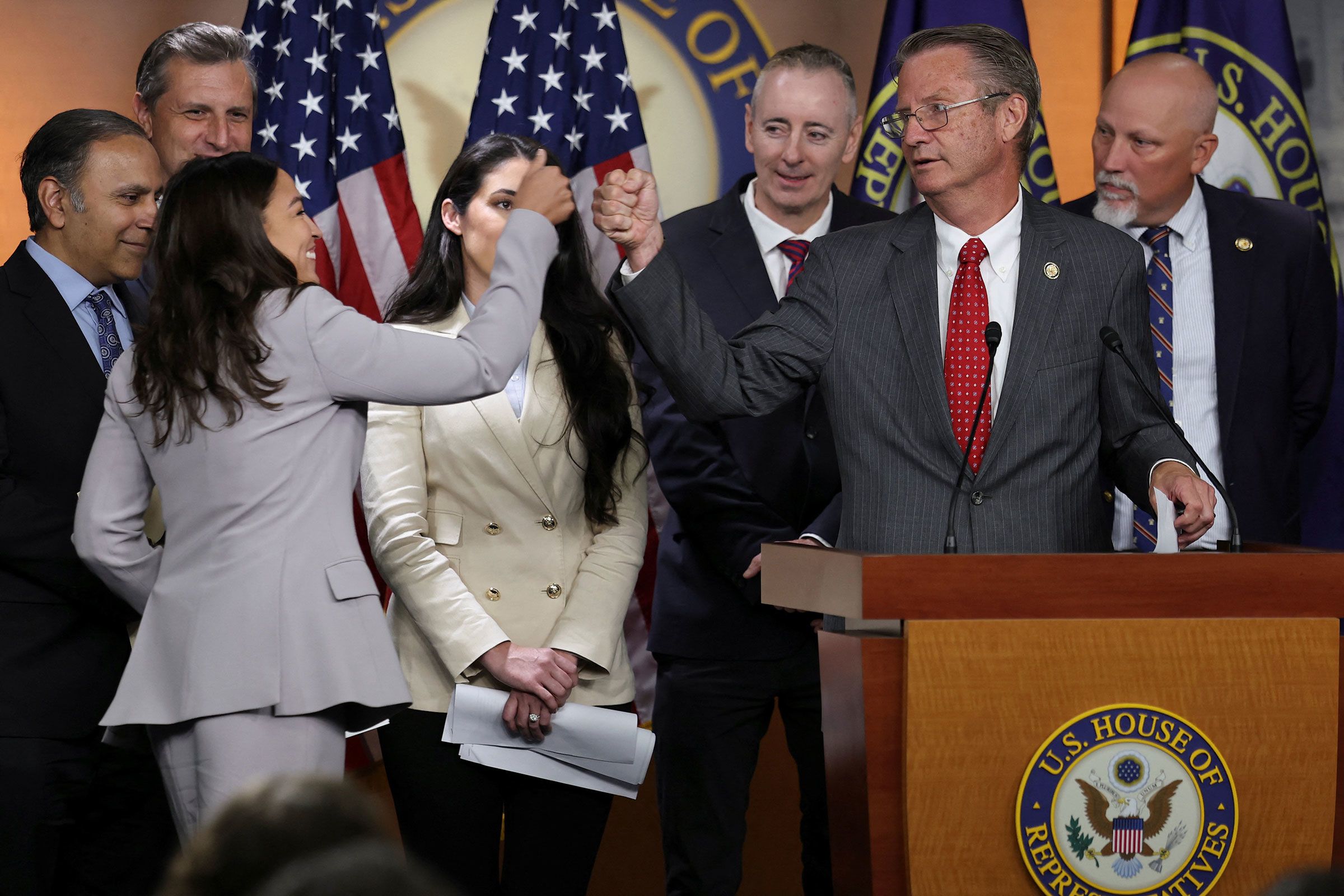
In the coming weeks, the fate of the proposed stock trading ban will be decided in Congress. If passed, the bill would represent a major victory for those advocating for greater transparency and accountability in government. At the same time, it would signal a shift in how lawmakers view their responsibilities to the public. No matter what the outcome, this debate has sparked important discussions about the role of money in politics and how to ensure that elected officials act with the best interests of their constituents in mind.
Conclusion
As this bill moves through the legislative process, it’s clear that the stock trading issue will continue to be a point of contention in U.S. politics. Regardless of how the vote turns out, the discussion surrounding conflicts of interest and transparency in Congress will remain an ongoing and critical issue. The future of Congress’s relationship with the financial markets is at a crossroads, and the outcome of this bill could have lasting implications for both lawmakers and the public they serve.