
Table of Contents
- Eileen Gu Shines on the World Stage
- Record Medal Haul for China at the 2026 Winter Olympics
- The Growth of Winter Sports in China
- China’s Strong Showing in Snowboarding and Skiing
- The Role of Government Support in China’s Olympic Success
- The Future of Chinese Winter Sports and the Next Olympics
- Eileen Gu’s Legacy and Impact on Young Athletes
- China’s Rising Influence in Winter Sports Competitions
- Challenges Ahead for China in Maintaining Olympic Success
- China’s Future in Winter Sports
Eileen Gu Shines on the World Stage
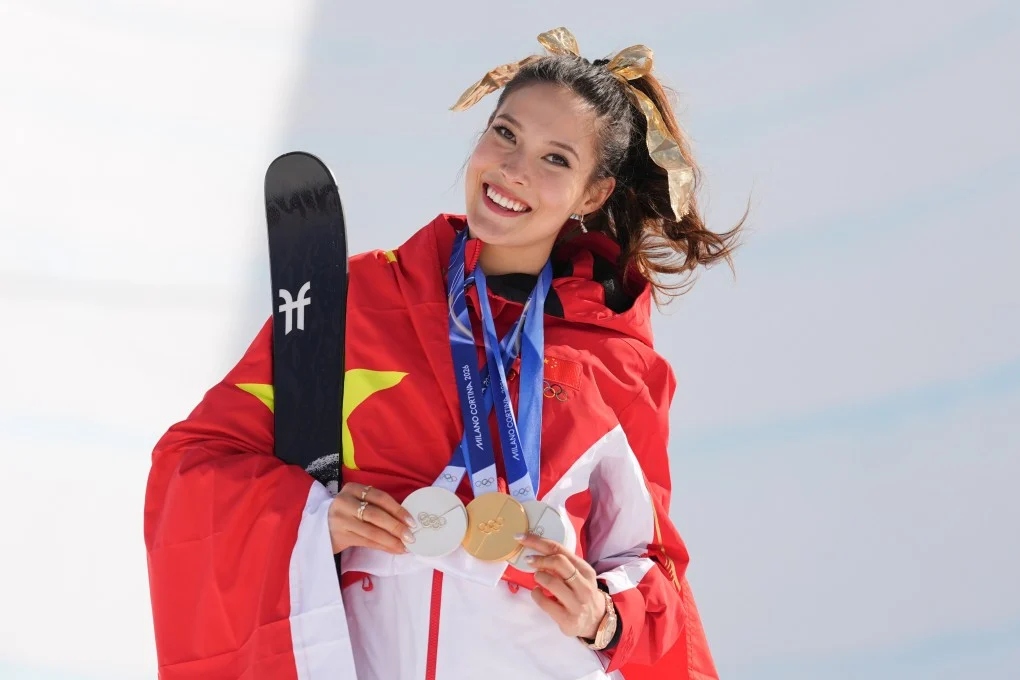
Eileen Gu, already a star in the world of freestyle skiing, was one of the standout athletes of the 2026 Winter Olympics. At just 19 years old, Gu’s performances in the women’s freestyle skiing events made her a household name not just in China but around the world. With a combination of technical skill, fearless stunts, and an unwavering determination, Gu claimed multiple medals, including gold in the women’s big air event. Her success cemented her status as one of the most talented and charismatic athletes of her generation.
Gu’s appeal transcends her incredible talent on the slopes. As an athlete representing China with dual American and Chinese citizenship, her journey has captured the attention of millions. She has become a symbol of China’s growing influence in winter sports, and her success is seen as an emblem of the country’s rise as an Olympic powerhouse. Her performances at the 2026 Winter Olympics, which included dramatic moments and thrilling victories, showcased the evolution of Chinese athletes on the global stage.
Record Medal Haul for China at the 2026 Winter Olympics
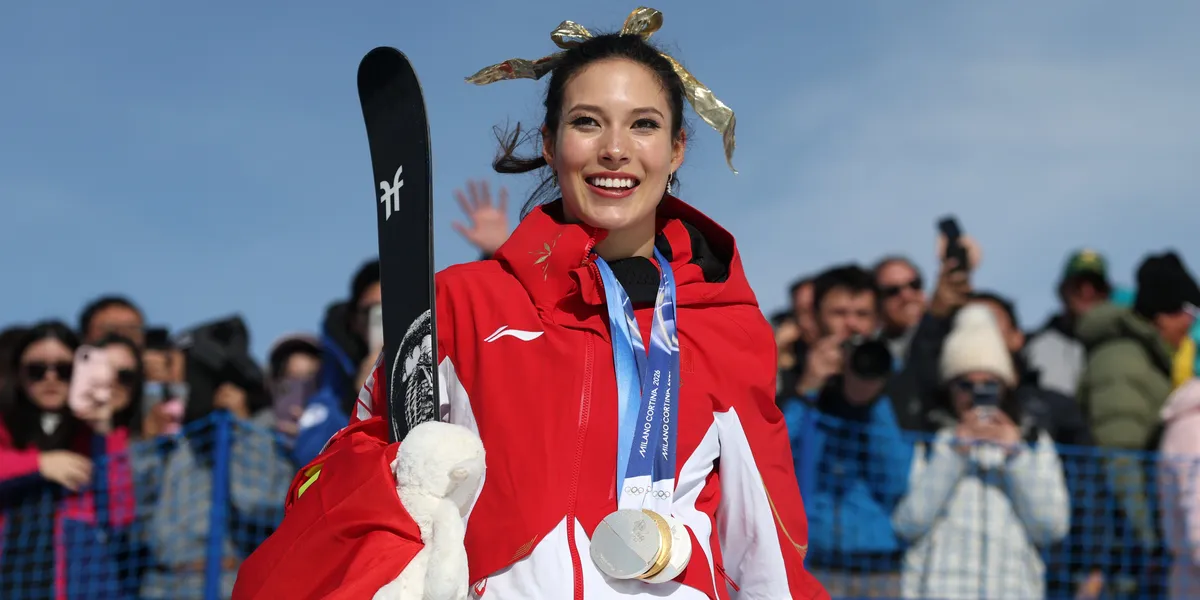
For China, the 2026 Winter Olympics were a landmark achievement. The country achieved its best-ever overseas medal haul, surpassing previous Olympic records and firmly establishing itself as a competitive force in winter sports. China’s athletes excelled in a wide range of disciplines, from freestyle skiing and snowboarding to short track speed skating and ice dancing.
In total, China walked away with an impressive number of gold, silver, and bronze medals. This record-breaking performance was a testament to the country’s strategic investment in winter sports over the past decade. The Chinese government has poured significant resources into developing athletes in winter disciplines, and the success of the 2026 Olympics is a reflection of this commitment. With more athletes emerging as medal contenders in future events, China’s position as a dominant force in winter sports seems secure.
The Growth of Winter Sports in China
The success of the 2026 Winter Olympics did not happen overnight. Over the past decade, China has made a concerted effort to increase its participation in winter sports, leveraging the 2022 Beijing Winter Olympics as a launchpad for further development. Investment in infrastructure, talent identification, and coaching programs has resulted in the emergence of elite athletes across various winter sports disciplines.
One key factor contributing to China’s success has been the rise of interest in winter sports among young people. With the increase in indoor and outdoor facilities, many more children are now participating in winter sports from a young age. This growing enthusiasm, combined with China’s emphasis on athlete development, has ensured a steady pipeline of talented individuals ready to compete on the world stage. The 2026 Winter Olympics were the culmination of years of hard work and dedication, and the future looks even brighter.
China’s Strong Showing in Snowboarding and Skiing

In addition to Eileen Gu’s triumphs, China’s athletes delivered impressive performances across other snow-based events, particularly in snowboarding and skiing. Chinese athletes were competitive in both the men’s and women’s snowboarding competitions, securing several podium finishes. This is a notable achievement, as snowboarding has historically been dominated by countries like the U.S., Canada, and Europe. China’s ability to challenge these powerhouses is a clear indication of the progress it has made in winter sports.
Chinese skiers also earned accolades in the alpine skiing events, an area where the country has traditionally struggled. The medal wins in skiing signal a shift in China’s approach to winter sports, where athletes are now being trained in disciplines that were previously considered outside the country’s strength. The country’s success in both freestyle and alpine skiing has placed it on par with some of the top winter sports nations.
The Role of Government Support in China’s Olympic Success
China’s rise in winter sports has been largely fueled by strategic government support. The country’s commitment to building a strong winter sports infrastructure has been at the heart of its Olympic success. Since winning the bid to host the 2022 Beijing Winter Olympics, China has invested heavily in the development of world-class facilities and training programs. These efforts have paid off, as the 2026 Winter Olympics showed that China is now a global contender.
The Chinese government has not only funded the creation of new sports venues but has also emphasized grassroots development programs, which have helped nurture the next generation of winter sports athletes. Scholarships, sponsorships, and elite training programs have provided the resources necessary for Chinese athletes to reach the highest levels of competition. The 2026 Winter Olympics were the culmination of these efforts, with China’s athletes emerging as true medal contenders across various events.
The Future of Chinese Winter Sports and the Next Olympics
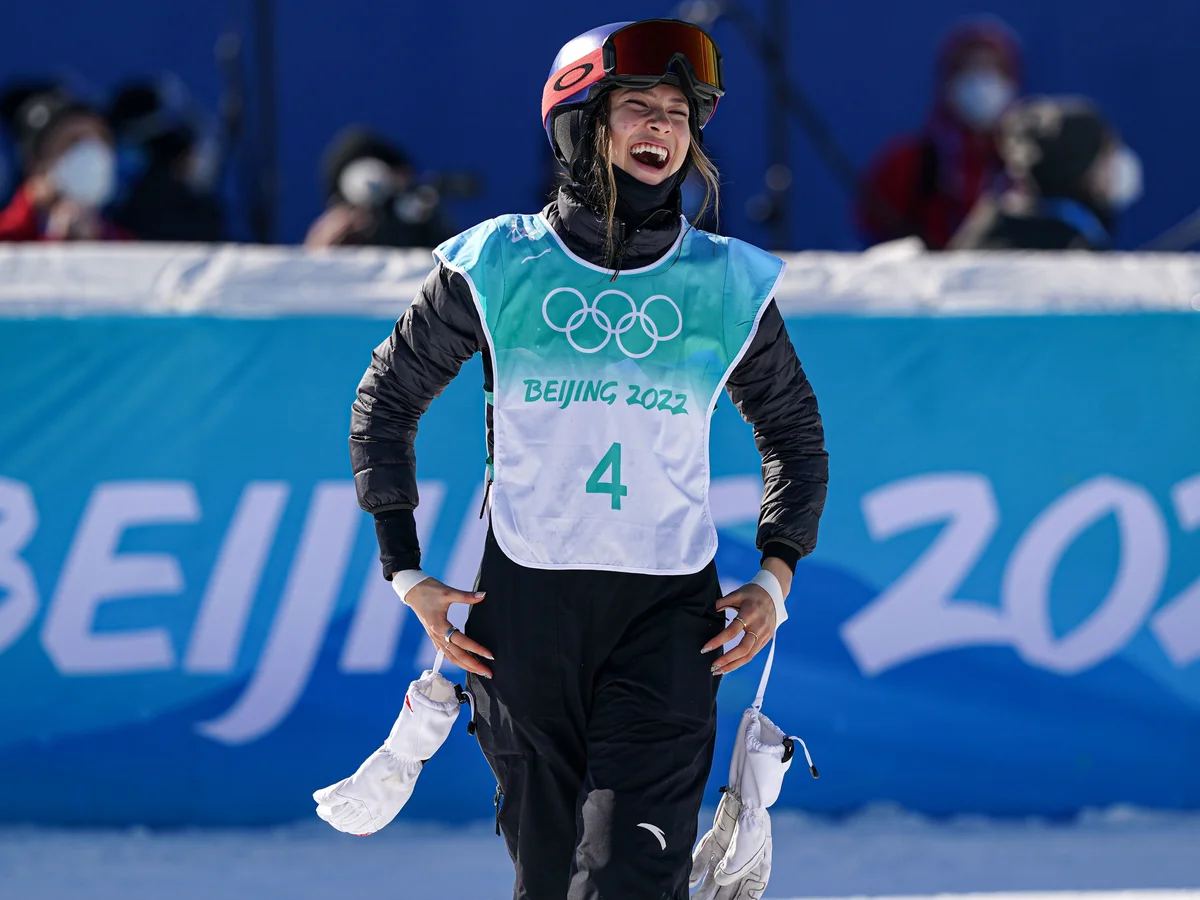
Looking ahead, China’s performance at the 2026 Winter Olympics sets the stage for even greater success in future Winter Games. With a strong foundation in place, Chinese athletes are poised to challenge the traditional powers of winter sports in the years to come. The focus will now shift to maintaining momentum and building upon the success of 2026.
One area of continued focus will be the development of youth athletes. As more young people take up winter sports, the potential for China to dominate in the upcoming Winter Olympics is considerable. The country’s rising stars will likely continue to push the envelope in disciplines like freestyle skiing, snowboarding, and speed skating, and the 2030 Winter Olympics could be an even bigger opportunity for China to expand its medal haul.
Eileen Gu’s Legacy and Impact on Young Athletes
Eileen Gu’s success at the 2026 Winter Olympics has already had a lasting impact on young athletes in China and beyond. As a role model, she has inspired countless young skiers and snowboarders to pursue their dreams, and her accomplishments have shown that with dedication and perseverance, anything is possible. Her influence extends beyond her gold medals, as she represents the future of Chinese winter sports—a future that is bright, diverse, and full of potential.
Gu’s legacy as an athlete will continue to inspire the next generation, not just in China but globally. Her influence will be felt long after the 2026 Winter Olympics, as young athletes strive to emulate her achievements. For many, Gu’s rise to the top is a symbol of what can be accomplished with hard work, determination, and a willingness to defy expectations.
China’s Rising Influence in Winter Sports Competitions
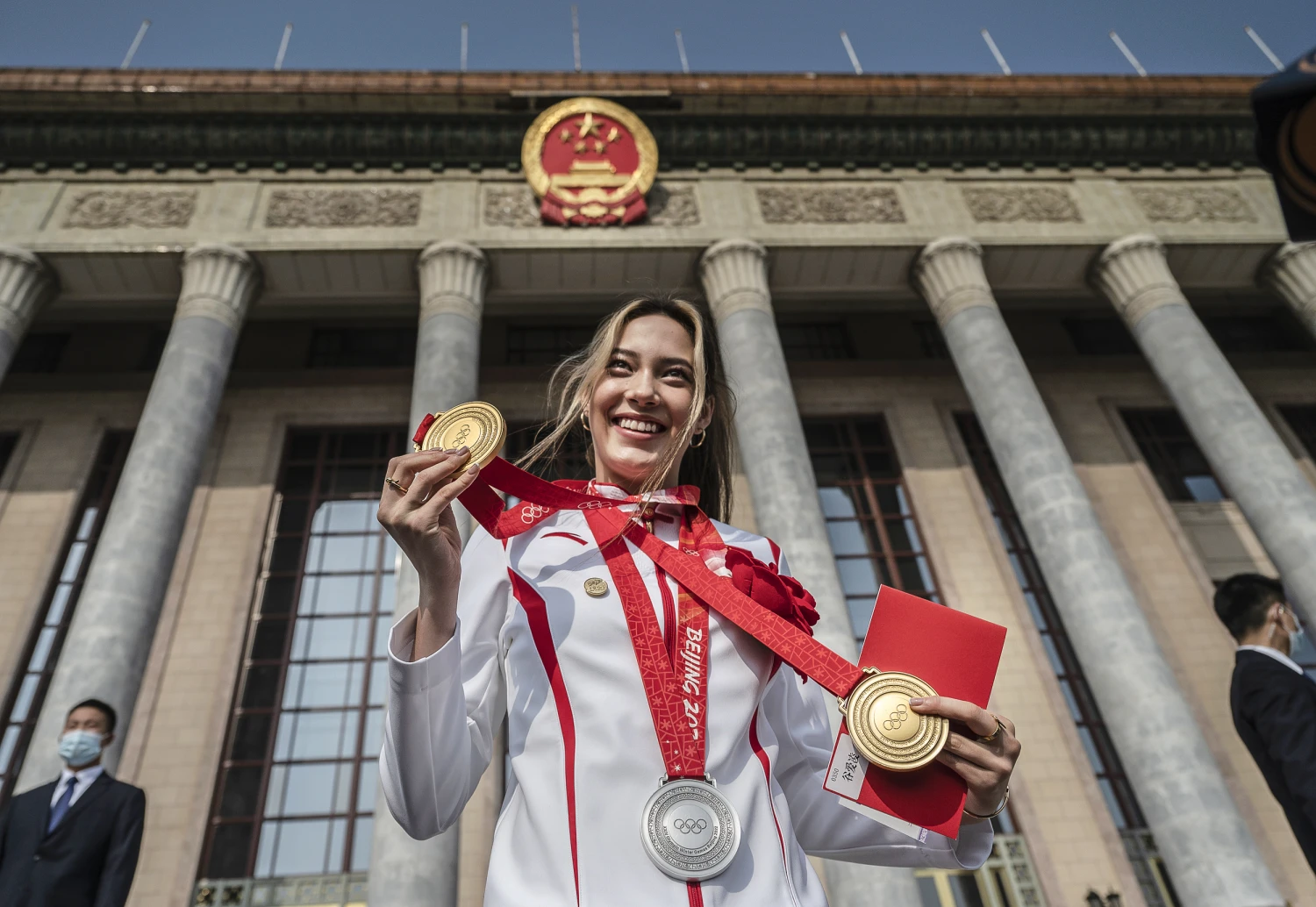
China’s strong performance in the 2026 Winter Olympics also reflects the growing influence of the country in international winter sports competitions. As China continues to invest in its athletes and infrastructure, it will likely become an even more dominant force in future Winter Games. The 2026 Olympics were a clear statement that China is here to stay, and the nation’s commitment to excellence in winter sports is undeniable.
The country’s rising influence also means that it will play an increasingly prominent role in the global winter sports landscape. Whether hosting major events or competing on the world stage, China’s impact on winter sports will only continue to grow.
Challenges Ahead for China in Maintaining Olympic Success
Despite the success of the 2026 Winter Olympics, China faces ongoing challenges in maintaining its Olympic success in winter sports. One of the biggest hurdles will be sustaining the level of investment and support for athletes in the long term. As other countries continue to invest in winter sports development, China will need to ensure that it keeps pace with global competition.
Additionally, as more Chinese athletes enter the global arena, the country will need to continue refining its training systems to maintain a competitive edge. While China’s progress in winter sports has been impressive, there is still much work to be done to remain a top contender in future Olympic Games.
China’s Future in Winter Sports
China’s success at the 2026 Winter Olympics marks a new chapter for the country in the world of winter sports. The record medal haul, highlighted by Eileen Gu’s incredible performances, signals that China is ready to compete on the highest level. The future of Chinese winter sports looks bright, with young athletes stepping up and the government continuing to invest in their development. As the country looks ahead to the 2030 Winter Olympics, the stage is set for even greater success. China’s journey in winter sports is far from over, and the best may still be to come.