
Table of Contents
- The Four Wet Wipe Products Under Warning
- What Burkholderia Stabilis Actually Is
- How Infections Can Start From a Simple Wound
- Why Officials Are Focused on “Non Sterile” Products
- The Numbers Behind the Outbreak
- Why the General Risk Is Low but the Warning Is Serious
- What People Should Check at Home Right Now
- The Medical Advice If Symptoms Appear
- What This Outbreak Says About Everyday Medical Safety
The Four Wet Wipe Products Under Warning
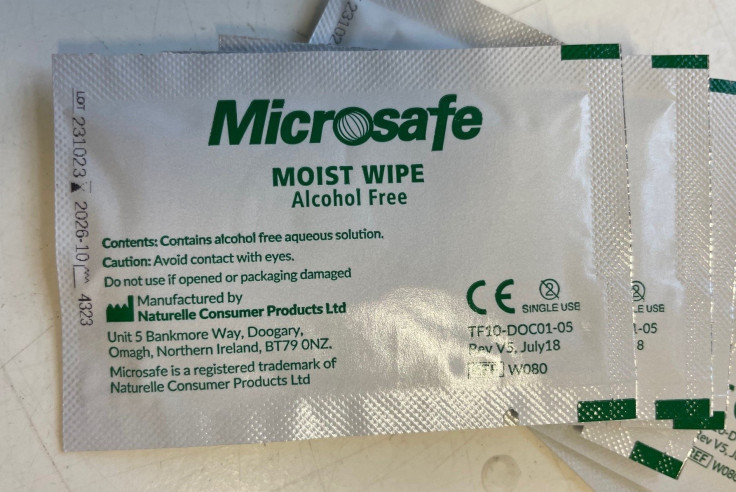
The four named products at the center of the warning are ValueAid Alcohol Free Cleansing Wipes, Microsafe Moist Wipe Alcohol Free, Steroplast Sterowipe Alcohol Free Cleansing Wipes, and Reliwipe Alcohol Free Cleansing Wipes. UKHSA says these products were found during outbreak investigations in 2025 to be contaminated with Burkholderia. Officials have urged the public not to use these four products under any circumstances and to dispose of them in standard household waste if they are still at home. The MHRA issued notices to sellers in July, leading to the products being withdrawn from sale, but authorities stress that some may still remain in first aid kits and homes.
There is, however, one important nuance in the official advice. UKHSA says testing showed that Reliwipe Alcohol Free Cleansing Wipes were contaminated with a Burkholderia strain that was not related to the outbreak cases. Even so, authorities still included Reliwipe among the products people should stop using. That detail matters because it shows the warning is not just about one exact bacterial match. It is also about the wider risk posed by contamination in non sterile wipes being used in inappropriate ways.
This is one reason the story has gained so much public attention. The warning is specific enough to name products, but broad enough to raise larger questions about how consumers understand the word cleansing, how first aid products are packaged, and how easy it is for non sterile items to be mistaken for medically safe wound care.
What Burkholderia Stabilis Actually Is
Burkholderia stabilis is a bacterium found naturally in the environment, including soil and water. For healthy people, the general risk is considered very low. But that low overall risk can be misleading if people hear it without context. The real concern is what happens when the bacteria reaches someone with broken skin, an intravenous line, or a weakened immune system. In those situations, the consequences can become much more serious. UKHSA says immunocompromised people, those with cystic fibrosis, and patients at home with intravenous lines are at higher risk of developing infection.
The Eurosurveillance study adds important depth to the picture. Investigators reported that the outbreak in the UK has comprised 59 confirmed cases from 2018 to 2026, involving patients ranging in age from infants to elderly adults. The outbreak was associated with contaminated skin cleansing wipes, and several of the affected people were medically vulnerable.
That helps explain why this story is so unsettling. It is not simply about a bacteria most people have never heard of. It is about the collision between a quietly present environmental organism and a consumer product that may be used in moments when the body is already exposed or vulnerable.
How Infections Can Start From a Simple Wound
One of the most alarming aspects of this outbreak is how ordinary the starting point can be. A small scratch, a cut, a sore patch of skin, or the area around a wound may not seem like a major danger. But if a contaminated product is used on broken or damaged skin, bacteria can gain entry into the body. UKHSA says signs of wound infection can include redness, swelling, increased pain, warmth around the wound, and pus or other drainage. For intravenous line infections, signs can include redness, swelling, pain around the insertion site, fever, and chills.
In severe cases, infections can become systemic and require hospital treatment. UKHSA says some of the confirmed cases linked to this outbreak have involved serious infections requiring hospital care, and one death has now been attributed to Burkholderia stabilis infection.
This is precisely why officials are emphasizing the difference between a wipe that feels clean and a wipe that is actually sterile. In everyday language, consumers may assume those things are basically the same. In medical practice, they are not. A product can be marketed for cleansing skin yet still be unsuitable for wounds, broken skin, or medical line care.
Why Officials Are Focused on “Non Sterile” Products
The strongest practical takeaway from the official guidance is simple: only wipes marked sterile should be used on broken skin such as wounds, scratches, or places where blood is visible. UKHSA specifically reminds the public that non sterile alcohol free wipes of any type or brand should not be used for first aid, applied on damaged skin, or used to clean intravenous lines.
That point goes beyond the four named products. Even though the warning identifies specific contaminated wipes, the broader message is that non sterile alcohol free wipes are not appropriate for first aid use at all. That distinction is crucial. The current outbreak may be linked to named products, but the underlying safety lesson is much wider.
For many households, this may come as a surprise. Wipes sold in pharmacies, supermarkets, or convenience shops often carry language that sounds medical enough to inspire confidence. If the packaging says alcohol free cleansing wipes, it is easy to see why someone might assume they are safe for a child’s scraped knee, a minor cut, or cleaning around a wound. The outbreak shows why that assumption can be dangerous.
The Numbers Behind the Outbreak
According to UKHSA’s latest update, there have been 59 confirmed cases of Burkholderia stabilis associated with some non sterile alcohol free wipe products in the UK from January 2018 to 3 February 2026. A small number of cases continue to be detected. Authorities say the outbreak has included serious infections and one attributed death.
The scientific report in Eurosurveillance adds further perspective. It describes the outbreak as involving a single sequence type of Burkholderia stabilis and links the cases to contaminated skin cleansing wipes distributed in the UK. The ages of affected patients ranged widely, showing that the issue was not confined to one narrow age group.
It is also notable that UKHSA’s earlier August 2025 version of the public warning reported 51 confirmed cases and no linked deaths, while the updated notice from February 2026 reported 59 cases and one attributed death. That progression shows the situation did not simply disappear after the first alert. It continued to evolve, which is one reason officials reiterated the warning and stressed that some affected products may still be sitting unused in people’s homes.
Why the General Risk Is Low but the Warning Is Serious
At first glance, people may find the official language confusing. On one hand, UKHSA says the overall risk to the general public remains very low. On the other hand, officials are urgently telling people to stop using the products immediately and throw them away. Both things can be true at the same time.
The overall risk is low because healthy individuals are unlikely to become seriously ill from Burkholderia stabilis in everyday life. But the warning is serious because certain groups face much greater danger, and because the products may be used in precisely the kinds of situations that create an opening for infection. Vulnerable people include those undergoing cancer treatment, organ transplant recipients, people with cystic fibrosis, and patients with intravenous lines or compromised immune systems. In those cases, a product that seems minor can become the source of a major medical problem.
That balance between low general risk and high consequence for specific people is exactly why public health warnings often sound so strong even when the average person may never be personally affected. They are designed to prevent the small number of situations where the result can be devastating.
What People Should Check at Home Right Now
The most immediate action from the official guidance is practical. People should check first aid kits, bathroom cupboards, work bags, glove compartments, and household storage areas for the four named products. If any are found, UKHSA says they should not be used and should be disposed of in normal household waste. Officials also advise checking that any wipes kept for first aid are clearly marked sterile, in date, and in undamaged packaging.
This kind of advice may sound basic, but it matters because first aid kits often contain products that sit untouched for months or years. People rarely inspect them closely unless there is an emergency. That means an outdated, miscategorized, or unsuitable wipe could remain in circulation long after it has disappeared from store shelves.
There is also a wider lesson here about product language. Consumers often look for phrases like alcohol free, gentle, soothing, or cleansing and treat them as signs of safety. But for wound care, the term that matters most is sterile. That single word can mark the difference between something meant for intact skin and something appropriate for broken skin.
The Medical Advice If Symptoms Appear
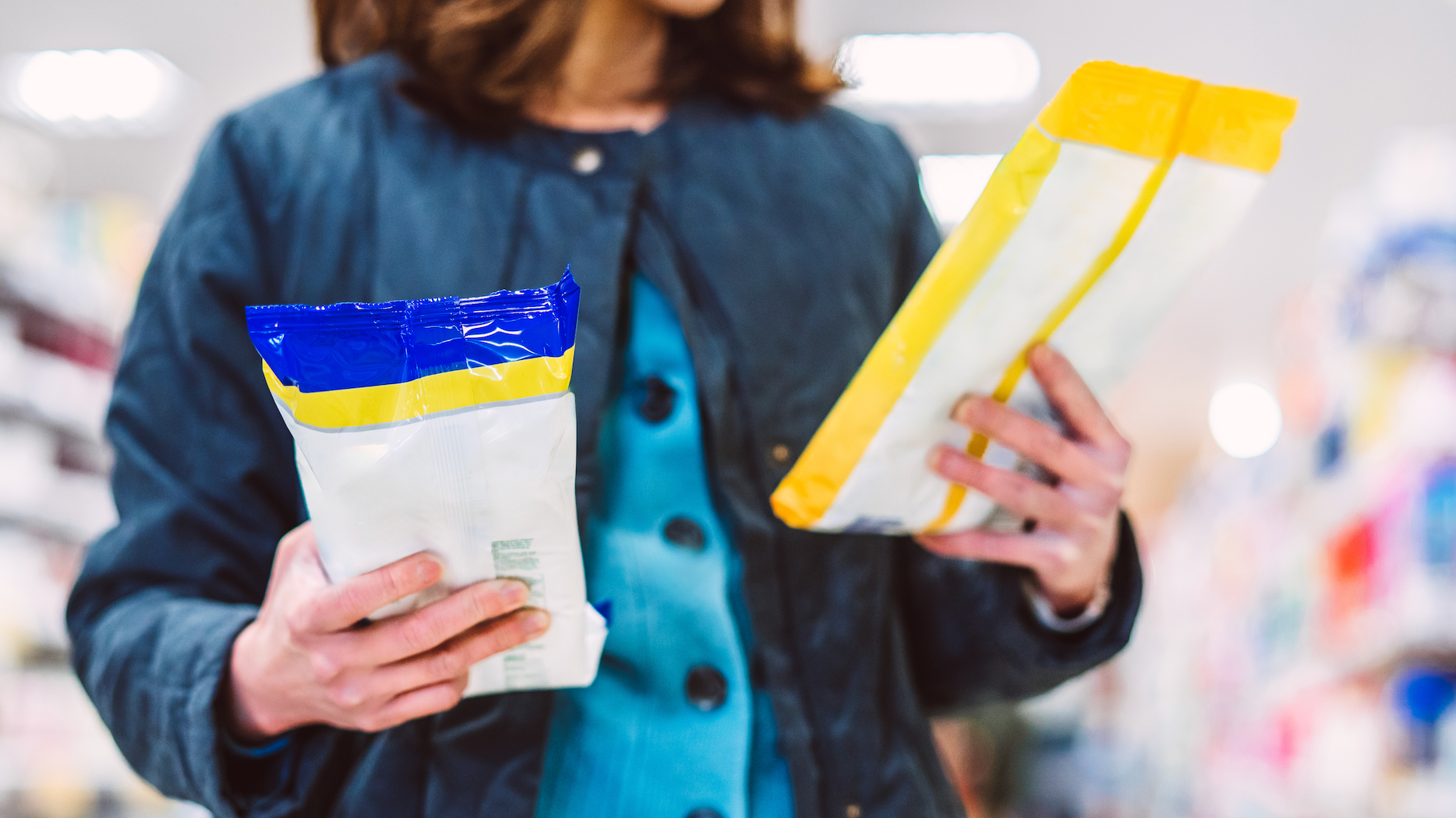
UKHSA says people who have used non sterile alcohol free wipes do not need to seek medical care unless they have symptoms of infection. Those symptoms include redness, swelling, increased pain, warmth around a wound, pus, fever, chills, or signs of irritation around an intravenous line. People with cystic fibrosis or intravenous lines who have concerns are advised to contact their clinical team.
This is an important clarification because panic is not the goal of the warning. The goal is prevention and awareness. Officials are not telling everyone who has ever used a cleansing wipe to rush to a hospital. They are telling the public to stop using the affected products, avoid using non sterile wipes on broken skin, and pay attention to symptoms that could signal infection.
For families caring for children, elderly relatives, or immunocompromised loved ones, that advice may feel especially urgent. A product used with good intentions can still cause harm if it is not appropriate for the job. That is part of what makes this outbreak so unsettling. It turns an act of care into a possible route of contamination.
What This Outbreak Says About Everyday Medical Safety
The contaminated wet wipe outbreak is ultimately about more than four products. It reveals how easily consumer habits can drift into medical practice without clear understanding of the difference. A wipe bought for general skin cleansing may be used for cuts. A convenient product may be placed in a first aid kit. A label may sound safe enough without actually promising sterility. Then, if contamination enters the picture, the consequences can be far more serious than anyone expected.
What gives this story real force is its combination of familiarity and danger. Wet wipes are ordinary. First aid kits are ordinary. Minor cuts and skin cleaning are ordinary. Burkholderia stabilis infections, serious hospital treatment, and a death linked to contaminated wipes are not. That contrast is exactly why the warning matters.
For now, the public health message is clear. Check what is in the house. Remove the named wipes if they are still there. Do not use non sterile alcohol free wipes on wounds, broken skin, or intravenous lines. And in the future, treat the word sterile not as a minor packaging detail, but as an essential safety standard. Sometimes the most important health warnings are not about rare exotic threats. They are about the familiar products people thought they could trust without a second look.