
Table of Contents
- Why this study caught so much attention
- What the researchers actually studied
- What “larger brain volume” really means here
- The cognitive findings were even more surprising
- Why moderate use stood out
- The findings were not all positive
- Why this does not prove cannabis is good for aging brains
- Why the study still matters
- What happens next
Why this study caught so much attention
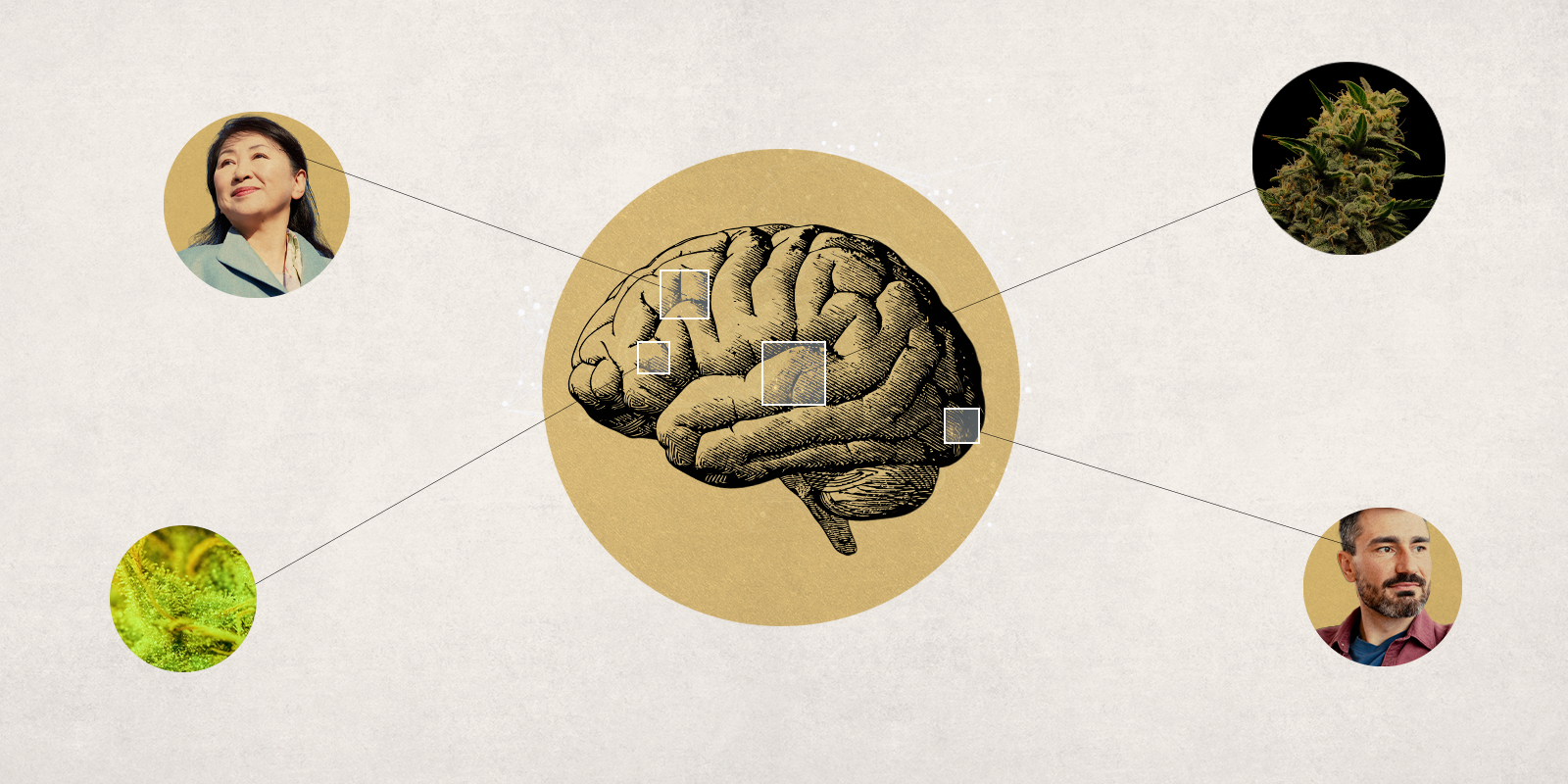
Part of the reason this research spread so quickly is that it pushes against the default headline people expect. Cannabis studies often generate attention when they suggest harm. This one did the opposite, at least on the surface. The CU Anschutz team reported that greater lifetime cannabis use was generally associated with larger regional brain volumes in areas rich in cannabinoid CB1 receptors, including regions such as the hippocampus, caudate, putamen, and anterior cingulate. They also found better performance in some measures of learning, memory, processing speed, and executive function among cannabis users in this older cohort.
That combination is unusual enough to trigger real curiosity. Brain volume and cognition are both emotionally charged topics, especially when aging is part of the story. People worry about memory decline, atrophy, and dementia. So when researchers say cannabis use was associated with larger regional brain volume in adults averaging about 55 years old, the public hears something much bigger than a technical neuroscience result. They hear a possible clue about brain preservation during aging. That is precisely why the study needs careful explanation. The findings are interesting, but they are not simple, and the researchers themselves repeatedly stressed that nuance is essential.
What the researchers actually studied
The team did not run a clinical trial in which participants were assigned cannabis products and then tracked over time. Instead, they analyzed an existing large population dataset from the UK Biobank. That gave them access to a huge sample size, neuroimaging data, cognitive test results, and self reported lifetime cannabis use. The participants ranged from 40 to 77 years old, with an average age of 55. Researchers grouped them into no use, moderate use, and high use categories based on lifetime reported use. That grouping was imperfect, but it allowed the team to examine whether there might be dose related patterns in the data.
They focused on brain regions with relatively high CB1 receptor density because those areas were thought to be more likely to show a relationship with cannabis exposure. They also looked at cognitive domains that previous cannabis research has often examined, including learning and memory, attention, processing speed, and executive function. This matters because the study was not simply looking for any difference at all. It was built around a biologically informed question about whether cannabis exposure in older adults might relate to structures and functions that are particularly relevant to aging and to disorders like dementia.
What “larger brain volume” really means here
One phrase from the study that drew immediate public attention was “increased regional brain volume.” That can easily be misunderstood. The researchers were not saying that bigger is always better in every context, nor were they claiming cannabis makes the entire brain grow in a beneficial way. They were examining the size of specific brain regions, not simply total brain volume. In aging research, regional volume matters because loss of tissue in some areas can reflect atrophy or neurodegeneration, which are often associated with reduced cognitive performance and greater dementia risk.
Guha explained that in this study, most of the brain regions they examined showed positive relationships between volume and cognitive performance. In that sense, larger brain volumes in older adults may reflect maintained brain structure rather than the kind of shrinkage often seen with aging. One especially relevant region was the hippocampus, which plays a major role in memory and is frequently discussed in the context of aging and dementia. Because the hippocampus contains many CB1 receptors, it was a particularly interesting target for the study.
Still, this is where caution matters. Brain volume is not destiny. It is one marker among many. A larger structure on imaging does not automatically translate into healthier long term outcomes, and this study was not designed to show that cannabis prevents dementia or directly slows neurodegeneration. It shows an association at the population level, not a guaranteed biological benefit for individual users.
The cognitive findings were even more surprising
If the structural results were unexpected, the cognitive findings may have been even more surprising. Guha said she was struck by the extent of the positive results, particularly because most significant cognitive findings pointed in the same direction. In this dataset, cannabis users tended to perform better on the cognitive measures that showed significant effects. That stands out because a great deal of prior cannabis research, especially in younger populations or in studies looking at acute intoxication, has emphasized worse performance in attention, memory, or executive functioning.
But context matters here. The study was not evaluating people immediately after cannabis use. It was looking at lifetime use categories in a middle aged and older sample. That is a very different question. The paper and the CU Anschutz interview both suggest that age may be central to understanding the difference. Cannabis may not affect an aging brain in the same way it affects a developing adolescent brain, and patterns of use in older adults may also differ in frequency, purpose, and product type. These distinctions are essential because they help explain why the study’s findings seem to clash with older stereotypes about cannabis and cognition.
Why moderate use stood out
One of the most interesting patterns in the study was that moderation often seemed to perform best. For many of the brain and cognitive measures that showed significant effects, the moderate use group generally had larger brain volumes and better cognitive performance than both the no use and high use groups. That said, the high use group did lead on a few measures, including right amygdala volume and some visual memory and learning outcomes. The researchers interpreted this as a sign that dose dependent effects may be present, but they also stressed that the dataset lacked detailed information about usage patterns.
That missing context is important. “Moderate use” in the study does not tell us exactly what products people used, how potent those products were, whether they were using mostly THC or CBD rich cannabis, how often they used over time, or why they used it. Most of the cannabis exposure captured in the dataset likely occurred years ago, and the cannabis market at that time looked very different from what exists today. Potency has changed. Product forms have changed. Medical and recreational motivations have changed. That makes the study useful, but it also means the findings should not be translated into simplistic present day advice like “moderate cannabis is good for your brain.”
The findings were not all positive
One reason this study feels more credible than a pure promotional headline is that it did not show a uniformly glowing picture. The researchers found one brain region, the posterior cingulate, where higher cannabis use was associated with lower volume. That region is part of the limbic system and is involved in memory, learning, and emotion. Guha noted that the meaning of this result is not fully clear because some prior work has linked smaller posterior cingulate volume with better working memory in certain contexts. Even so, the finding is a useful reminder that cannabis effects on the brain are not one dimensional.
The researchers also found sex interactions across several brain regions and cognitive measures, suggesting that sex may influence how cannabis relates to brain health in aging. There was no single simple pattern where men always did better or women always did better. But the existence of significant interactions suggests the endocannabinoid system, hormonal factors, and different patterns of use may all matter. That makes the study richer, but it also makes the picture more complicated.
Why this does not prove cannabis is good for aging brains
This is probably the most important section for readers. The study is observational. That means it can detect associations, but it cannot prove that cannabis caused the larger brain volumes or better cognitive performance. It is possible that people with healthier brains, higher baseline cognitive function, certain lifestyle patterns, or certain social factors were also more likely to use cannabis in ways that produced the observed relationship. The UK Biobank is powerful because of its size, but it is still limited by the questions it asked and the data it captured.
The researchers did not know the exact constituents or potency of the cannabis products used by participants. They could not separate THC from CBD effects in any meaningful clinical way. They could not confirm timing, duration, or reason for use with the kind of precision a purpose built trial would require. Guha explicitly warned against reading the results as a green light to simply use more cannabis. She said the story is nuanced and depends on how people are using, what outcomes are being measured, what products are involved, and what stage of the lifespan is being studied.
That caution is especially important because broader evidence on cannabis remains mixed. This study is not a final verdict. It is a provocative contribution to a much larger debate about benefits, risks, age, dose, and product type.
Why the study still matters

Even with all those limitations, the study matters a great deal. First, it shifts attention toward an age group that has been understudied in cannabis neuroscience. Second, it shows that population scale data in older adults may not line up neatly with assumptions drawn from adolescent or acute use research. Third, it raises a serious scientific question about whether cannabinoids might in some contexts have neuroprotective or brain preserving associations in aging populations.
That question has obvious public health importance. Older adults are increasingly using cannabis for sleep, pain, and other symptoms, often without much high quality guidance. At the same time, cannabis and psychedelic related products are increasingly marketed as wellness tools despite a limited long term evidence base in aging populations. Guha explicitly said this is why the work matters for public health and policy. If people are already using these substances, it is important to understand both the risks and the possible benefits rather than relying on assumptions or ideology.
What happens next
Guha said the research group has another paper under review looking at brain connectivity or function in the same older adult sample, and those data reportedly suggest positive impacts on the function of some of these brain regions as well, not just their size. The lab is also beginning to explore brain health relationships with psilocybin use. That means this study is not being presented as an ending. It is clearly a starting point for a broader research program on cannabinoids, aging, mental health, and neurobiology.
That is probably the most responsible way to frame the story. This is not proof that cannabis is a brain boosting anti aging tool. It is not proof that cannabis is harmless. It is evidence that in adults ages 40 to 77, greater lifetime cannabis use was associated with larger volumes in several brain regions and with better performance on some cognitive measures, often most clearly in moderate users. That finding is real, interesting, and worth taking seriously. It is also incomplete.
In the end, the most important takeaway may be the one Guha herself emphasized. Cannabis research is nuanced. It is not all good or all bad. For years, the public conversation has often swung between fear and hype. This study does not settle that argument, but it does make one thing harder to ignore: when it comes to the aging brain, the real story may be far more complicated, and far more interesting, than the old assumptions ever allowed.