
Table of Contents
- The Announcement That Sparked Global Focus
- Who Is Mojtaba Khamenei and Why He Matters
- The Role of the Islamic Revolutionary Guard Corps
- Key Figures Named in the Reward Program
- Understanding the Rewards for Justice Program
- The Broader Strategy Behind the Move
- Reactions and Implications Across the Region
- The Expanding Influence of the IRGC
- Intelligence in the Modern Geopolitical Landscape
- What This Means for the Future
The Announcement That Sparked Global Focus
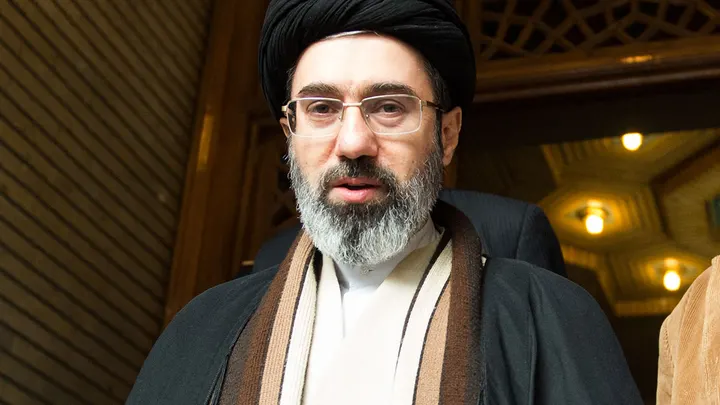
The United States Department of State confirmed that it is offering up to $10 million for information that could help identify, locate, or disrupt individuals connected to Iran’s leadership and security apparatus. The announcement was made under the Rewards for Justice program, a long standing initiative designed to combat terrorism by encouraging the public to provide actionable intelligence.
While financial rewards for information are not new, the scale and visibility of this particular offer immediately set it apart. By naming specific individuals, including Mojtaba Khamenei and several high ranking officials, the United States signaled a direct and focused effort to penetrate what it views as a highly influential network.
The timing of the announcement is also significant. It comes during a period of heightened tension in the Middle East, where regional conflicts, proxy engagements, and political rivalries are intensifying. In such an environment, intelligence becomes one of the most valuable tools, and public reward programs serve as a way to expand the reach of intelligence gathering beyond traditional channels.
Who Is Mojtaba Khamenei and Why He Matters
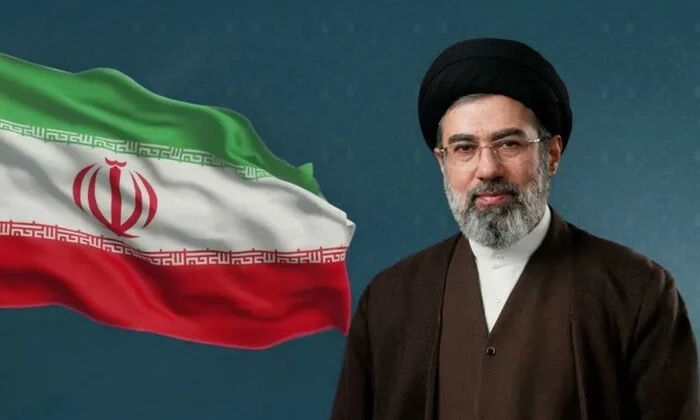
Mojtaba Khamenei, the son of Iran’s late Supreme Leader Ayatollah Ali Khamenei, has long been considered one of the most influential figures operating behind the scenes in Iran’s political structure. Unlike many public officials, he has maintained a relatively low profile, rarely appearing in official capacities or public statements.
Despite this, analysts and observers widely believe that Mojtaba plays a significant role in shaping key decisions within Iran’s leadership. His influence is often described as indirect but powerful, operating through networks of loyalty and strategic alliances within the country’s political and security institutions.
The decision to include him in the reward program reflects the perception that his role extends beyond symbolic importance. It suggests that the United States views him as a central figure within a broader system that influences both domestic governance and foreign policy actions.
The Role of the Islamic Revolutionary Guard Corps
At the heart of the announcement is the Islamic Revolutionary Guard Corps, commonly known as the IRGC. Established after the 1979 Iranian Revolution, the organization was initially created to protect the newly formed Islamic Republic. Over time, however, its role has expanded significantly.
Today, the IRGC is not only a military force but also a powerful institution with influence across multiple sectors, including politics, economics, and intelligence. It operates alongside Iran’s regular military but maintains its own command structure and strategic priorities.
According to the United States, the IRGC has been involved in orchestrating activities that extend beyond Iran’s borders. These include supporting allied groups, conducting operations in regional conflicts, and engaging in activities that Washington classifies as acts of terrorism.
This perception has led to increased scrutiny and targeted measures, including sanctions and now financial incentives aimed at gathering information about its leadership.
Key Figures Named in the Reward Program
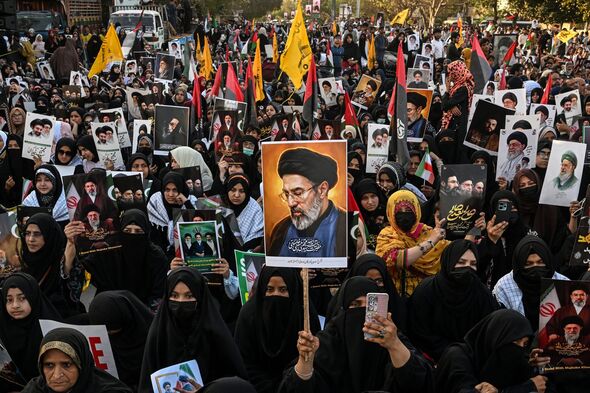
In addition to Mojtaba Khamenei, the reward program identifies several other senior officials who are believed to play critical roles within Iran’s security and intelligence framework. Among them is Yahya Rahim Safavi, a senior military adviser who has long been associated with strategic decision making at the highest levels.
Esmail Khatib, Iran’s minister of intelligence, is another prominent figure named in the announcement. His position places him at the center of the country’s intelligence operations, making him a key figure in understanding how information is gathered, processed, and used within Iran.
Eskandar Momeni, the interior minister, is also included, reflecting the interconnected nature of Iran’s security apparatus. His role involves overseeing internal stability and coordination between various branches of government, further emphasizing the comprehensive scope of the reward program.
By targeting individuals across different sectors, the United States appears to be focusing not just on isolated actors, but on the broader network that connects military, intelligence, and political power.
Understanding the Rewards for Justice Program
The Rewards for Justice program has been a cornerstone of U.S. counterterrorism efforts for decades. It operates on a simple principle, offering financial incentives to individuals who provide credible information that can help prevent attacks or identify those responsible for them.
Over the years, the program has been linked to numerous successful operations, leading to the capture or disruption of individuals involved in high profile cases. Its effectiveness lies in its ability to reach beyond traditional intelligence channels, tapping into local knowledge and insider information.
In this context, the $10 million reward is not just a symbolic gesture. It represents a strategic investment in intelligence gathering, aimed at uncovering information that might otherwise remain hidden.
The program also emphasizes confidentiality and security for those who come forward, recognizing the risks involved in providing such information.
The Broader Strategy Behind the Move
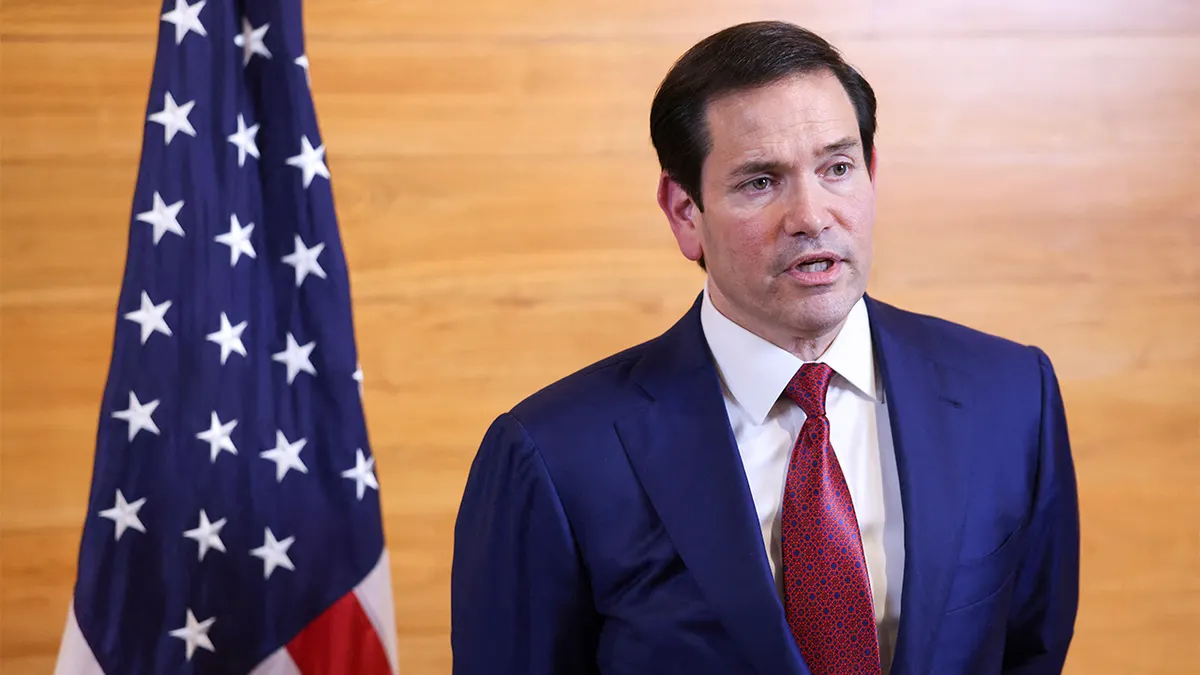
The decision to publicly announce the reward reflects a broader strategic shift. Rather than relying solely on covert operations, the United States is increasingly using public messaging as a tool to influence behavior and gather information.
By making the reward widely known, the program creates an incentive for individuals within or connected to Iran’s leadership network to reconsider their positions. It introduces an element of uncertainty, where loyalty may be challenged by the possibility of financial gain.
This approach also serves a psychological purpose. It sends a message that no part of the network is beyond reach, reinforcing the idea that information can emerge from unexpected sources.
At the same time, it highlights the complexity of modern intelligence operations, where traditional methods are complemented by public engagement and strategic communication.
Reactions and Implications Across the Region
The announcement has implications that extend beyond the individuals named. It affects how countries in the region perceive U.S. intentions and strategies, potentially influencing diplomatic relationships and security calculations.
For Iran, the move is likely to be seen as a direct challenge, reinforcing existing tensions. It may lead to increased caution within its leadership and security structures, as well as potential countermeasures aimed at protecting sensitive information.
For other countries in the region, the announcement serves as a reminder of the ongoing dynamics between the United States and Iran. It underscores the role of intelligence and information in shaping the balance of power.
The broader international community is also watching closely, as such measures can have ripple effects that influence global security and diplomatic efforts.
The Expanding Influence of the IRGC
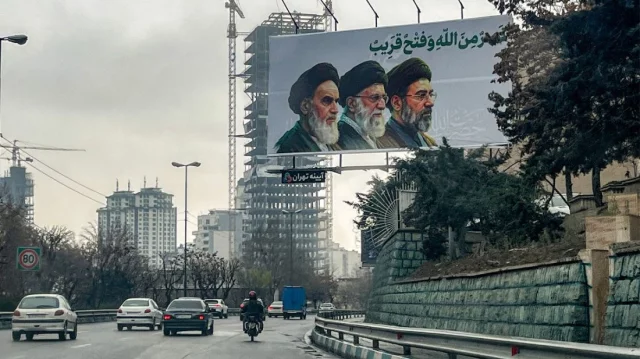
One of the key points emphasized in the announcement is the extent of the IRGC’s influence. Over the years, the organization has expanded its reach beyond traditional military functions, becoming deeply embedded in Iran’s economic and political systems.
This expansion has allowed it to operate with a level of autonomy and authority that is uncommon for military institutions. It plays a role in shaping policy, managing resources, and coordinating activities across various sectors.
Understanding this influence is crucial to understanding why the United States has chosen to focus on individuals connected to the IRGC. It is not just about addressing specific actions, but about targeting the structures that enable those actions.
This perspective highlights the interconnected nature of power within Iran, where military, political, and economic interests are closely linked.
Intelligence in the Modern Geopolitical Landscape
The use of financial incentives to gather intelligence reflects a broader trend in modern geopolitics. Information has become one of the most valuable assets, often determining the outcome of conflicts and negotiations.
In this context, programs like Rewards for Justice play a critical role. They provide a way to access information that might not be available through traditional means, expanding the scope of intelligence operations.
At the same time, they raise questions about ethics, security, and effectiveness. The reliance on financial incentives introduces new dynamics, where trust and loyalty can be influenced by external factors.
This evolution reflects the changing nature of global conflicts, where traditional boundaries are increasingly blurred, and new strategies are constantly emerging.
What This Means for the Future
The announcement of a $10 million reward targeting Iran’s leadership network is more than a single policy decision. It represents a broader shift in how nations approach conflict, intelligence, and influence.
As tensions between the United States and Iran continue, the role of information will likely become even more significant. The ability to gather, interpret, and act on intelligence will shape the course of events in ways that are not always visible to the public.
At the same time, the use of public reward programs introduces new variables into the equation, creating opportunities and risks that must be carefully managed.
Ultimately, this development highlights the complexity of modern geopolitics, where actions are rarely isolated, and every decision carries implications that extend far beyond its immediate context.