
Table of Contents
- The Record Highs That Shocked Consumers
- The Core Driver Behind the Price Surge
- How Global Markets Shape Local Prices
- The Impact of the Russia Ukraine War
- Why Increasing Production Is Not So Simple
- The Lingering Effects of the Pandemic
- The Role of Refineries and Infrastructure
- Global Supply Constraints and Limited Flexibility
- The Tension Between Energy Policy and Reality
- What Comes Next for Gas Prices
- A Global Issue With Local Consequences
The Record Highs That Shocked Consumers
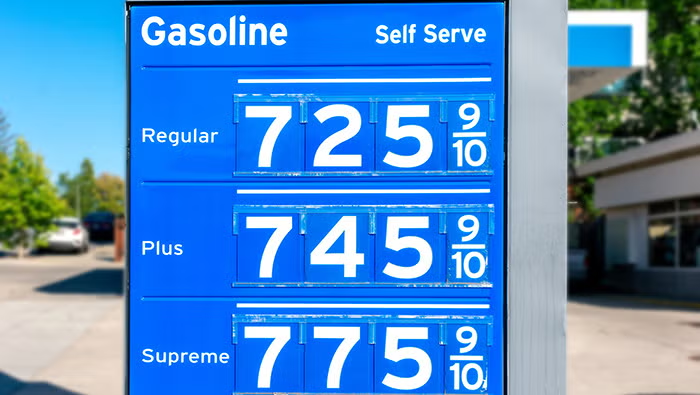
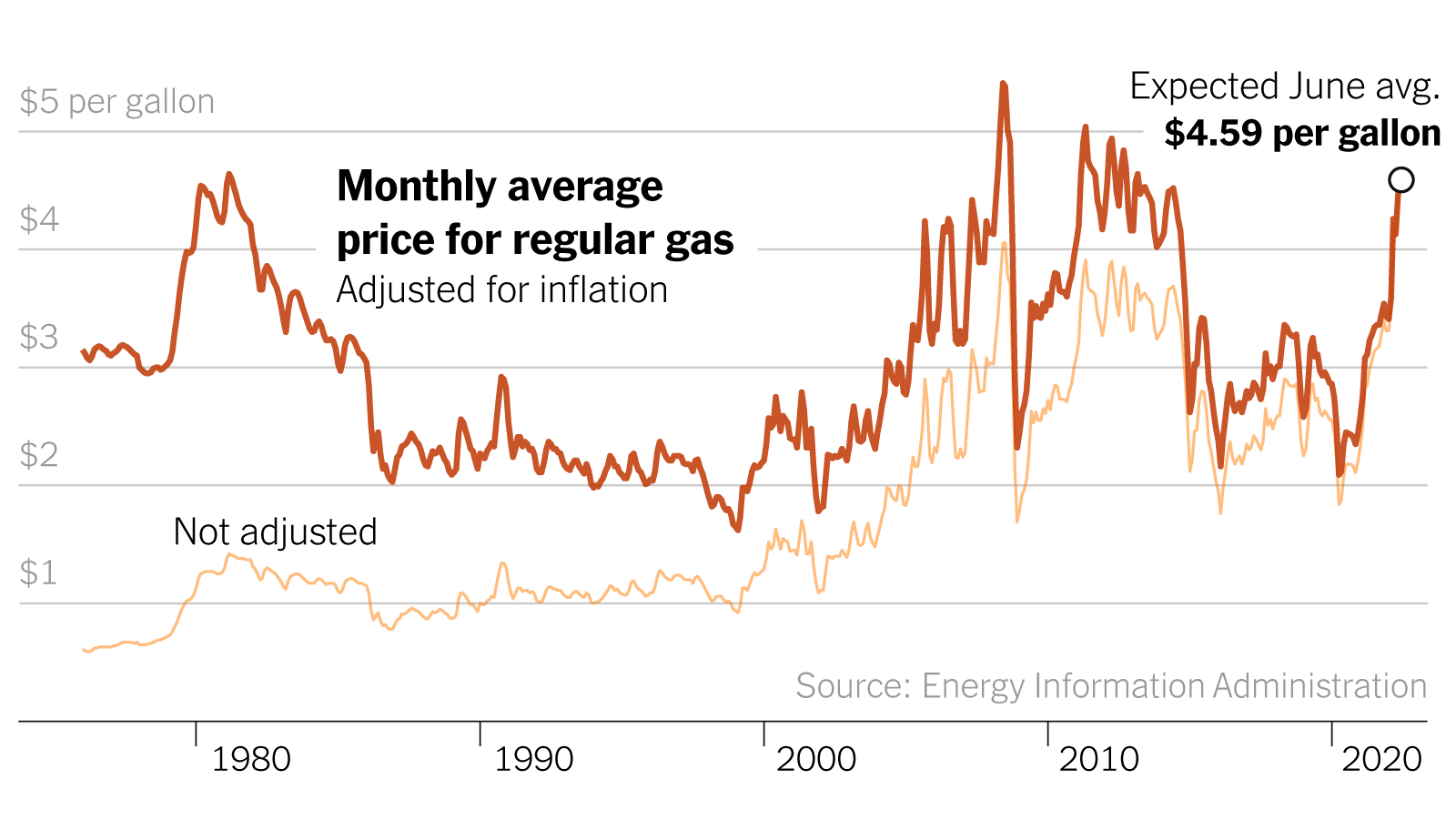
Gasoline prices in the United States have reached levels that, even when adjusted for inflation, rival some of the highest points in modern history. For many consumers, the shock is not just in the numbers displayed at gas stations, but in how quickly those numbers have risen.
The increase has been felt across all regions, affecting both urban commuters and rural drivers who depend heavily on transportation. For families, this means higher monthly expenses. For businesses, it translates into increased operational costs, which are often passed on to consumers.
The broader impact becomes clear when looking beyond the pump. Higher fuel costs lead to higher shipping expenses, which in turn raise the price of everyday goods. From groceries to construction materials, the effects are widespread and unavoidable.
The Core Driver Behind the Price Surge
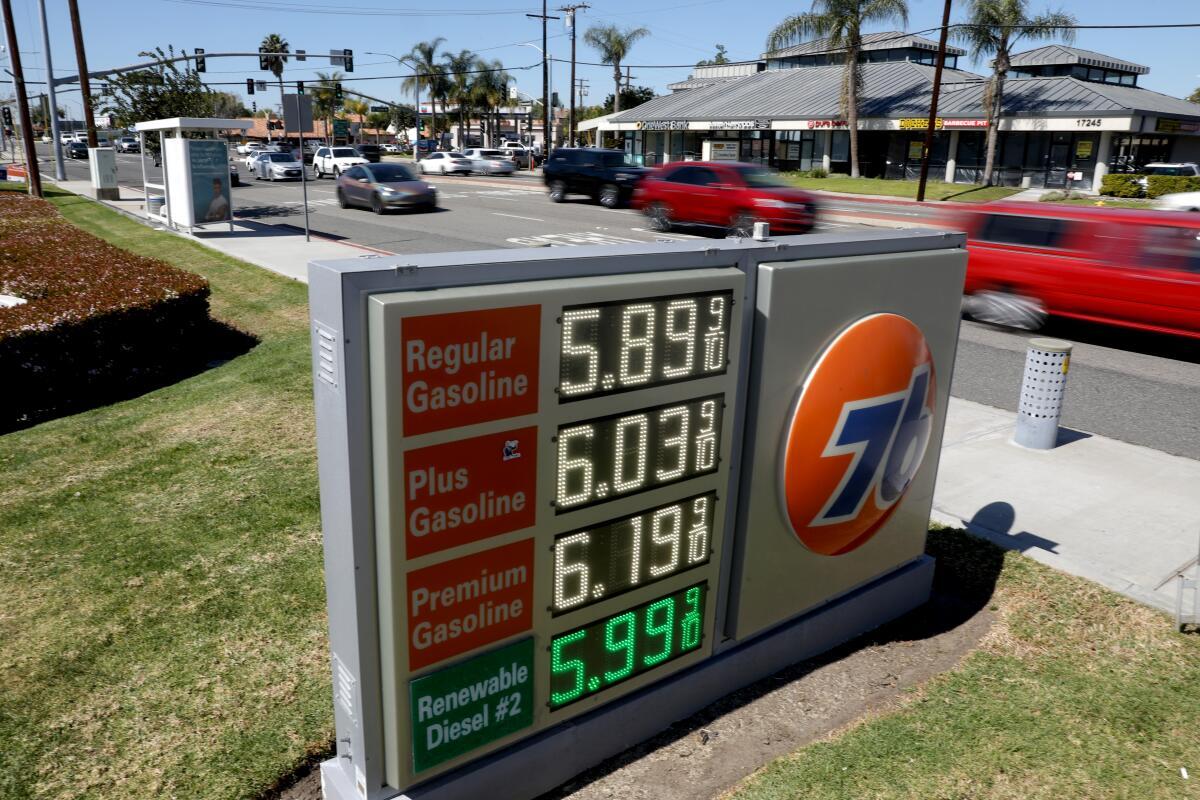
At the center of the current crisis is the price of crude oil, the raw material used to produce gasoline. According to data from the Energy Information Administration, crude oil now accounts for around 60 percent of the cost of a gallon of regular gasoline.
This represents a significant increase compared to previous years. In 2020, during the height of the pandemic, crude oil made up only about 25 percent of the price. At that time, demand had collapsed, and prices fell dramatically.
Today, the situation has reversed. Demand has surged as economies reopen, while supply struggles to keep pace. This imbalance between supply and demand is the fundamental force driving prices higher.
How Global Markets Shape Local Prices
Although gas prices are felt locally, they are determined by a global market. Oil is traded internationally, and its price is influenced by events and decisions that occur far beyond U.S. borders.
The United States is both a major producer and a major importer of oil. This dual role means that domestic prices are closely tied to global supply and demand. Even if production increases within the country, it does not fully shield consumers from international price fluctuations.
This interconnected system makes the energy market highly sensitive to disruptions. When supply is reduced anywhere in the world, prices can rise everywhere.
The Impact of the Russia Ukraine War
One of the most significant factors affecting global oil supply is the ongoing conflict between Russia and Ukraine. Russia is one of the world’s largest producers of oil, contributing roughly one out of every ten barrels in the global market.
Before the war, a large portion of Russia’s oil exports went to Europe. However, sanctions imposed by the United States, the European Union, and other countries have reduced the availability of Russian oil in global markets.
This reduction has created a supply gap that is difficult to fill. As a result, prices have increased, reflecting the scarcity of available oil.
The situation is further complicated by the fact that global energy systems cannot quickly adjust to such disruptions. Infrastructure, contracts, and logistical challenges all limit how quickly supply can be redirected or increased.
Why Increasing Production Is Not So Simple
In response to rising prices, the U.S. government has called on oil companies to increase production. However, the response from the industry has been cautious.
Oil companies are reluctant to ramp up production too quickly because of the risk that prices could fall in the future. This concern is rooted in recent history, where the industry experienced sharp declines in prices that led to financial losses.
Executives also face uncertainty about long term demand. With the global shift toward renewable energy and electric vehicles, there is concern that investments in new oil production may not remain profitable over time.
This combination of short term opportunity and long term uncertainty creates a challenging environment for decision making within the industry.
The Lingering Effects of the Pandemic
The current situation cannot be fully understood without considering the impact of the Covid pandemic. During the early stages of the pandemic, demand for oil collapsed as travel restrictions and economic shutdowns reduced consumption.
In response, oil companies cut production, laid off workers, and shut down rigs. Some refineries were also closed, reducing the capacity to process crude oil into gasoline.
As demand has returned, the industry has struggled to recover at the same pace. Restarting production is not as simple as flipping a switch. It requires investment, time, and confidence in future market conditions.
This lag in recovery has contributed to the current supply constraints, further driving up prices.
The Role of Refineries and Infrastructure
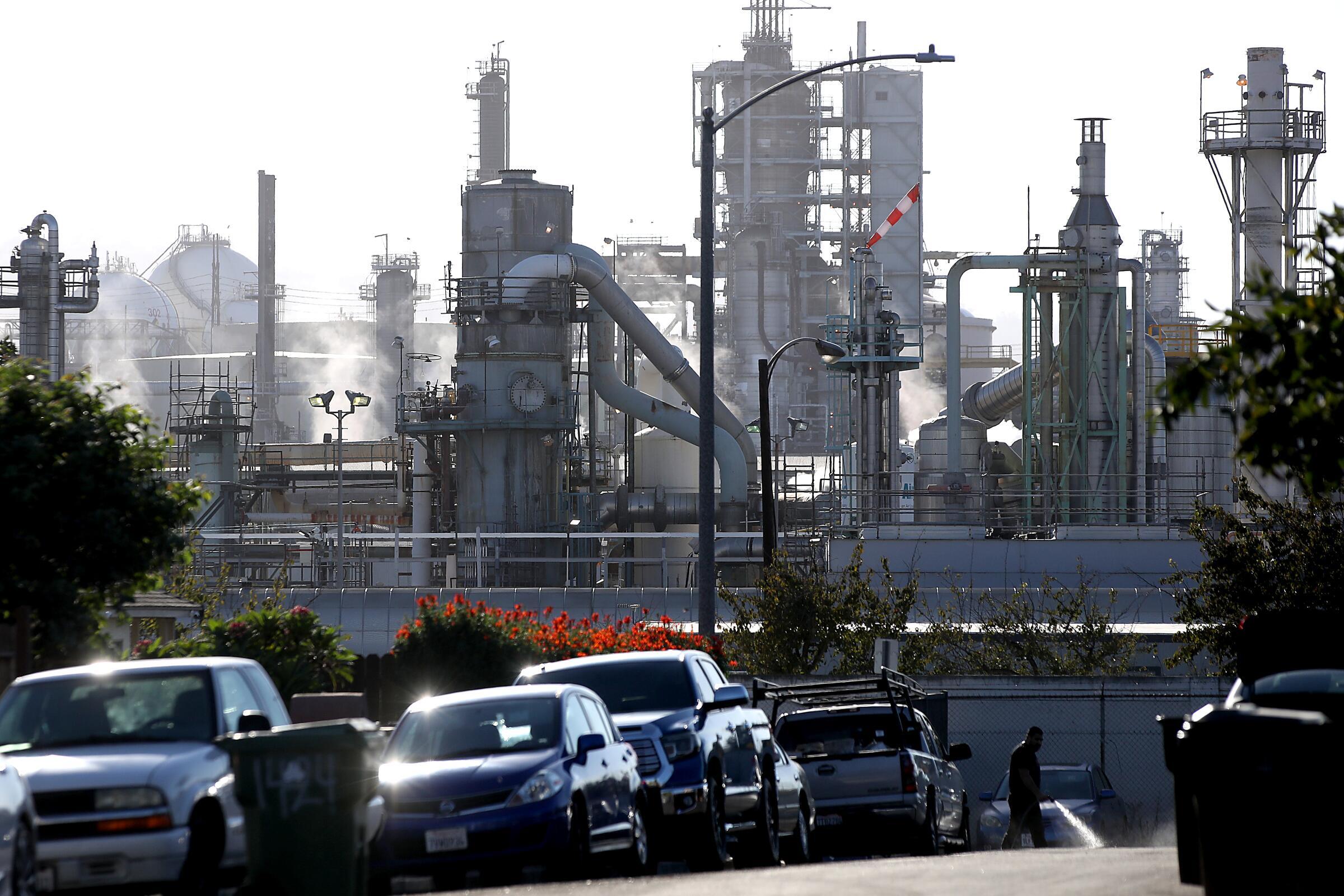
While crude oil prices receive much of the attention, the role of refineries is equally important. Refineries are responsible for converting crude oil into usable products like gasoline and diesel.
In recent years, several refineries have been shut down or repurposed, partly due to the shift toward cleaner energy. This has reduced the overall capacity to process oil, creating another bottleneck in the supply chain.
Even when crude oil is available, limited refining capacity can restrict the amount of gasoline that reaches consumers. This adds another layer of complexity to the pricing equation.
Global Supply Constraints and Limited Flexibility
Efforts to increase global oil production have been limited by several factors. Countries like Saudi Arabia and the United Arab Emirates have some capacity to increase output, but not enough to fully offset the reduction in Russian supply.
Additionally, geopolitical considerations and agreements within organizations like OPEC influence how much oil is produced. These decisions are often based on long term strategies rather than short term price fluctuations.
The result is a market that lacks flexibility. When disruptions occur, there are few quick solutions available, leading to sustained periods of high prices.
The Tension Between Energy Policy and Reality
The push for renewable energy and electric vehicles is an important part of long term environmental policy. However, it also creates tension in the current energy landscape.
On one hand, governments are encouraging a transition away from fossil fuels. On the other hand, they are calling for increased oil production to address immediate shortages.
This dual approach reflects the complexity of managing energy systems. Transitioning to new technologies takes time, and in the meantime, traditional energy sources remain essential.
Balancing these priorities is one of the biggest challenges facing policymakers today.
What Comes Next for Gas Prices
Looking ahead, the future of gas prices will depend on several key factors. These include the outcome of the conflict in Ukraine, the pace of global economic recovery, and the willingness of producers to increase output.
If supply increases or demand decreases, prices could stabilize or even fall. However, if current conditions persist, high prices may continue for an extended period.
The situation also highlights the importance of diversification in energy sources. As the world moves toward a more complex energy system, reliance on a single type of fuel becomes increasingly risky.
A Global Issue With Local Consequences
The rise in gas prices is a reminder that local experiences are often shaped by global forces. What happens in international markets, political arenas, and industrial sectors ultimately affects everyday life.
For consumers, the impact is immediate and tangible. For policymakers and industry leaders, it represents a complex challenge that requires careful navigation.
As the world continues to adapt to changing conditions, the story of gas prices serves as a powerful example of how interconnected the modern economy has become.
In the end, this is not just about fuel. It is about the balance between supply and demand, the influence of global events, and the ongoing transformation of the energy landscape.