

Table of Contents
- When fear inside your own home turns into a legal question
- What California law actually says about defending your home
- Why the words reasonable fear matter so much
- The difference between a break in and a threat that has passed
- California does not require retreat in self-defense
- Why deadly force is judged more strictly than ordinary force
- What the castle doctrine protection does and does not do
- What happens after a shooting can matter almost as much as the shooting itself
- Why this question is harder than internet slogans make it sound
- The real lesson inside California home defense law
When fear inside your own home turns into a legal question
When someone breaks into a home, the panic is immediate. It does not feel like a technical legal problem in that moment. It feels personal, violent, and terrifying. For many people, the first instinct is simple: if an intruder comes inside, can the homeowner shoot? That question keeps surfacing because people assume the answer must be automatic. But under California law, it is not automatic at all. The law does recognize a person’s right to defend themselves inside their home, and it does provide powerful protections in some situations. Still, those protections depend on what happened, what the resident reasonably believed, and whether the danger was truly immediate.
That is what makes this issue so important and so misunderstood. California does not treat every trespass or every break in as a blank check for deadly force. Instead, the state uses a framework built around reasonable fear, imminent danger, and proportional response. A resident may be legally protected in one scenario and face severe legal trouble in another that looks similar from a distance. The difference can turn on details that are easy to overlook in public debate but decisive in court.
What California law actually says about defending your home
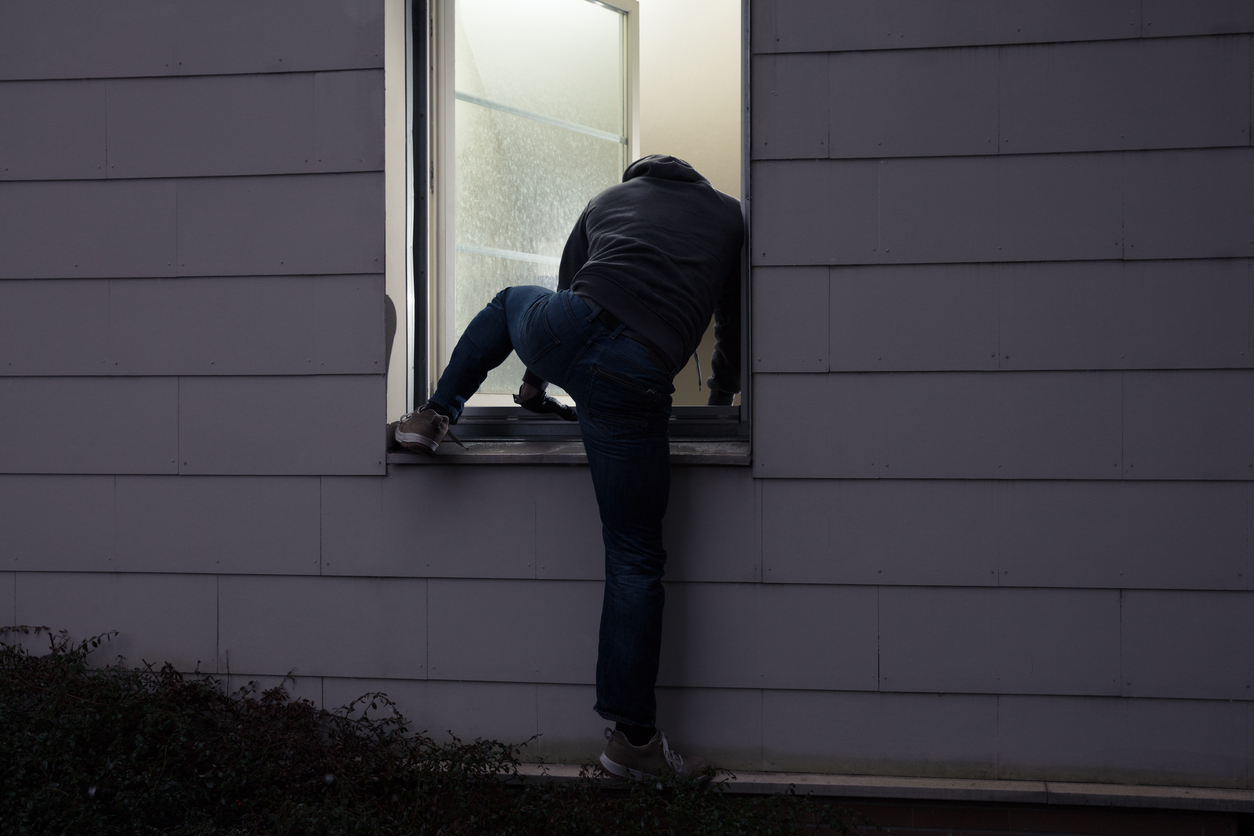
The core California statute on home defense is Penal Code section 198.5. It says that a person who uses force intended or likely to cause death or great bodily injury within their residence is presumed to have held a reasonable fear of imminent peril of death or great bodily injury when that force is used against someone who is not a family or household member, who unlawfully and forcibly enters or has unlawfully and forcibly entered the residence, and when the resident knew or had reason to believe that such an entry occurred. The statute also defines great bodily injury as significant or substantial physical injury.
That is why people often refer to California as having a castle doctrine style protection in the home. The law recognizes that a forcible and unlawful entry into a residence is uniquely serious. It gives the resident a legal presumption that can be enormously important if deadly force is later examined in court. But the wording matters. The statute is tied to the residence, to unlawful and forcible entry, and to the resident’s knowledge or reason to believe that such an entry happened. It is a serious protection, not an unlimited one.
Why the words reasonable fear matter so much
A lot of confusion comes from one mistaken idea: that the mere presence of an intruder automatically makes any level of force lawful. California law is more careful than that. The broader self-defense rules used in criminal cases say a person acts lawfully in self-defense when they reasonably believe they or someone else are in imminent danger, when they reasonably believe immediate force is necessary to defend against that danger, and when they use no more force than a reasonable person would believe necessary in the same situation. If more force than reasonable is used, the act is not lawful self-defense under those instructions.
That is why the legal fight after a shooting often centers on what the resident believed and whether that belief was reasonable. The law is not asking only whether the resident was afraid. It is asking whether a reasonable person in that same situation would have believed there was an immediate danger of death, great bodily injury, or bodily injury depending on the circumstances. Fear alone is not enough if the surrounding facts do not support it. The reasonableness standard is the barrier between lawful self-protection and unjustified violence.
The difference between a break in and a threat that has passed
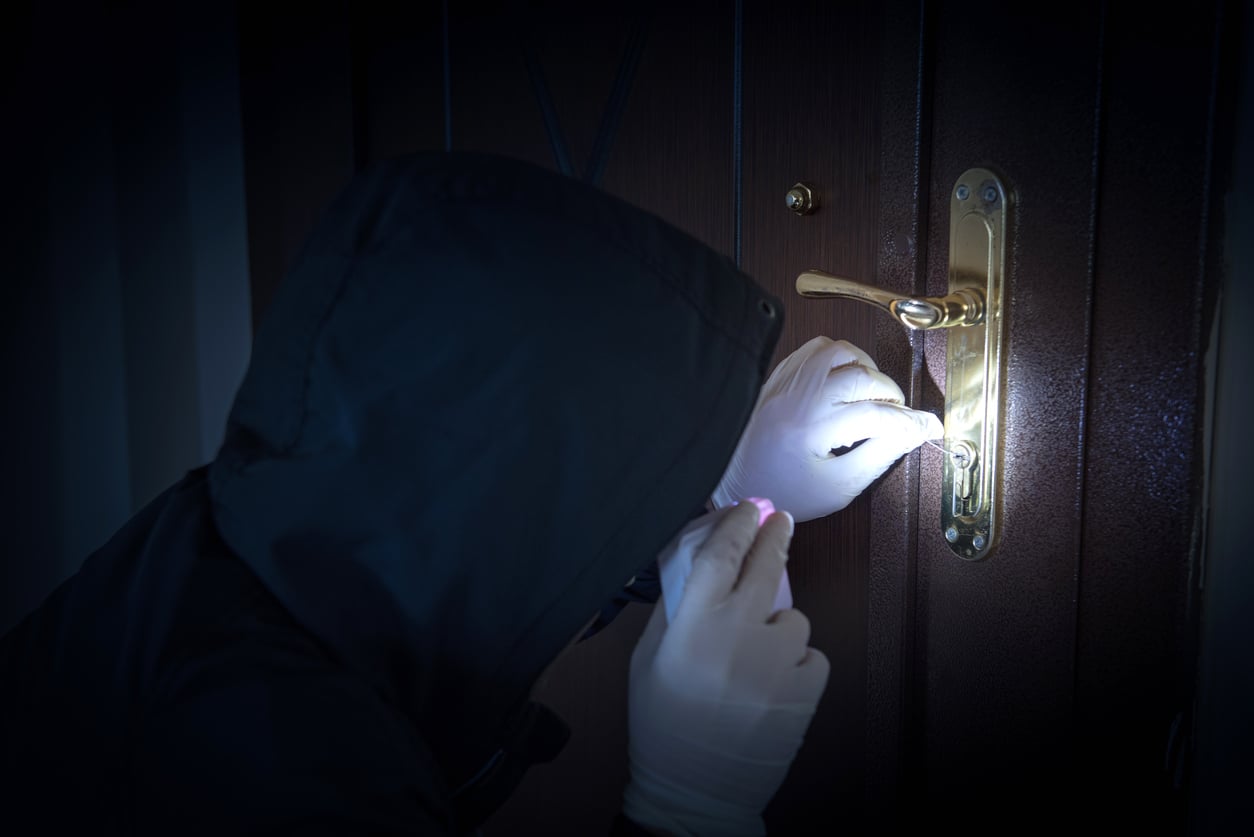
One of the most important ideas in California self-defense law is imminence. The official jury instructions explain that danger is imminent when it must be dealt with immediately, and that a defendant may use only the amount of force a reasonable person would think necessary in that moment. Those same instructions also state that the right to defend oneself is tied to an immediate need for force.
This is where many imagined scenarios fall apart legally. If a person unlawfully enters a home and advances aggressively, that is one situation. If that same person turns and runs out the door, the legal picture changes fast. The law is focused on stopping an immediate threat, not punishing someone after the danger has ended. That is why dramatic one line answers like yes, you can shoot an intruder are misleading. In California, the moment, the movement, and the actual threat level matter enormously.
California does not require retreat in self-defense
One part of California law that surprises some people is that a person is not required to retreat before using lawful self-defense. The official criminal jury instructions state that a defendant is not required to retreat, is entitled to stand their ground and defend themselves, and may, if reasonably necessary, pursue an assailant until the danger of death or bodily injury has passed, even if safety could have been achieved by retreating.
That does not mean every confrontation inside a home becomes legally safe the moment a resident stands their ground. It means California does not impose a legal duty to flee before acting in lawful self-defense. The key qualifier is still reasonableness. The use of force must remain tied to what is reasonably necessary against an actual imminent danger. Standing your ground is protected. Using more force than the situation reasonably required is not.
Why deadly force is judged more strictly than ordinary force
California’s self-defense framework distinguishes between force generally and deadly force in particular. The home protection statute in Penal Code section 198.5 specifically deals with force intended or likely to cause death or great bodily injury, which shows how seriously the law treats these cases. Meanwhile, the jury instructions for self-defense focus on the reasonableness of the belief in danger and the reasonableness of the amount of force used.
In practical terms, that means a homeowner who uses a gun will almost certainly have their actions examined with intense care. The law’s protection can be strong, especially if there was an unlawful and forcible entry into the residence. But the questions will remain hard and specific. Was the person actually inside? Was the entry forcible? Did the resident know or reasonably believe that entry happened? Did the intruder still pose an immediate threat when the trigger was pulled? Those details often decide whether the law sees the act as justified self-defense or something else.
What the castle doctrine protection does and does not do

People often talk about the castle doctrine as though it wipes away every legal problem for a homeowner. California’s statute is more limited than that popular version. It creates a presumption of reasonable fear when the conditions in the law are met. That is powerful, but it is not the same as saying any shooting in the home is automatically lawful. The statute applies to force used within the residence and against a person who unlawfully and forcibly enters or has unlawfully and forcibly entered, and who is not a member of the family or household.
That means the doctrine is not a broad license to use deadly force against every unwelcome person on the property. It is tied to a residence, to forcible unlawful entry, and to a non-household intruder. It also works alongside the general self-defense principles that still ask whether the response was connected to an immediate and reasonable fear of grave harm. The popular mythology is simpler than the actual law, but the actual law is what matters when prosecutors, defense lawyers, and jurors begin examining what happened inside a house in the worst few seconds of someone’s life.
What happens after a shooting can matter almost as much as the shooting itself
Legally, a self-defense case does not end when the intruder falls or flees. It begins there. California’s jury instructions make clear that the prosecution has the burden of proving beyond a reasonable doubt that the defendant did not act in lawful self-defense. If the prosecution fails to meet that burden, the jury must find the defendant not guilty of the charged crime.
That burden is crucial, but it does not erase the reality that every fact after the incident can shape how the case unfolds. Statements, physical evidence, witness accounts, security footage, 911 recordings, and the condition of the scene all can become central. A resident may believe they acted clearly and lawfully, yet later discover that investigators are focusing on inconsistencies, timing, or whether the threat had already ended. In a self-defense case, perception matters in the moment, but proof matters afterward.
Why this question is harder than internet slogans make it sound
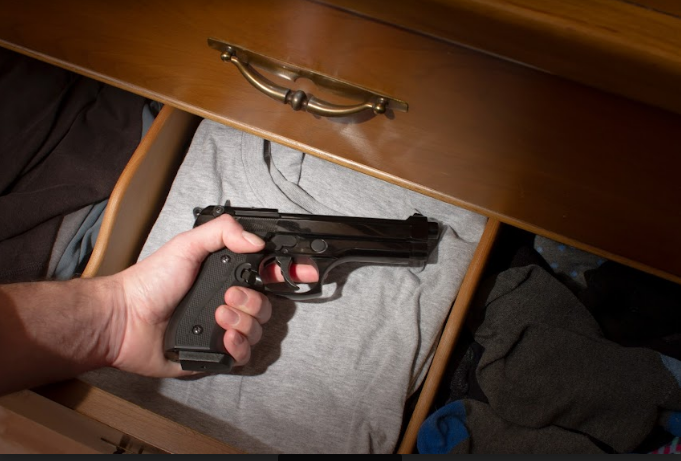
Online arguments about home defense often reduce everything to political identity, personal bravado, or a simplistic yes or no. California law does not operate that way. It protects people who reasonably defend themselves against imminent danger, especially in the home where unlawful and forcible entry can trigger a presumption of reasonable fear. At the same time, it limits that right through the same old legal standards that courts return to again and again: reasonableness, immediacy, and proportionality.
That is why two homeowners could both face an intruder and end up with very different legal outcomes. One might be protected because the facts fit the statute and self-defense rules closely. Another might face prosecution because the threat was no longer immediate, the force exceeded what was reasonably necessary, or the entry itself did not match what the law requires. The public often wants a universal answer. California law gives a conditional one instead.
The real lesson inside California home defense law
The clearest answer to the question can you shoot someone who breaks into your house in California is this: sometimes, but only under specific conditions the law takes very seriously. A homeowner may have strong legal protection when facing an unlawful and forcible intruder inside the residence, especially where there is a reasonable fear of imminent death or great bodily injury. California law does not require retreat, and it recognizes the home as a place where self-defense rights can be powerful.
But that protection is not limitless, and that is the part many people ignore until it is too late. The law will still ask whether the fear was reasonable, whether the danger was immediate, and whether the force matched the threat. In other words, California does not simply ask whether someone broke in. It asks what happened next, what the resident reasonably believed, and whether the response was lawful in that exact moment. That is what makes home defense both a fundamental right and a serious legal risk. And that is why anyone trying to understand this issue should treat it not as a slogan, but as a life changing question governed by precise rules.