
Table of Contents
- When Washington’s animal testing policy suddenly shifted
- The FDA made the first major move
- Why monoclonal antibodies became the starting point
- The EPA followed with an aggressive recommitment
- Animal rights groups saw a breakthrough they had fought for
- The science behind the alternatives is now the real battlefield
- Researchers who support reform still warned against overpromising
- Politics helped shape the message as much as science did
- Why the next phase may matter more than the announcement itself
- A turning point, but not the end of the argument
When Washington’s animal testing policy suddenly shifted
When the Trump administration announced major moves to reduce animal testing at both the Food and Drug Administration and the Environmental Protection Agency, the reaction was immediate and unusually broad. Animal rights groups that have spent years pressing the federal government to stop painful experiments on dogs, monkeys, mice, rabbits, and other animals rushed to praise the decisions. Supporters called the moment long overdue. Critics of older research models described it as a turning point in how the government evaluates safety and science. And inside the biomedical world, even some who agreed with the moral goal of reducing animal suffering warned that the transition would need to be handled carefully if the government hoped to protect both ethics and public health.
That is what makes this story more important than a typical regulatory update. At stake is not only whether fewer animals will be used in research. The bigger question is whether the United States is now moving toward a new scientific standard, one built more heavily around human cell systems, organ-like lab models, computational tools, and real-world human data instead of older animal-based methods. For supporters, the answer is yes, and the moment feels historic. For skeptics, the answer is more complicated. They see progress, but also risk, because many parts of biomedical research still rely on whole-body biological systems that current alternatives cannot fully replicate. What emerged from Washington was not a settled consensus. It was the opening of a much larger fight over what modern science should look like.
The FDA made the first major move
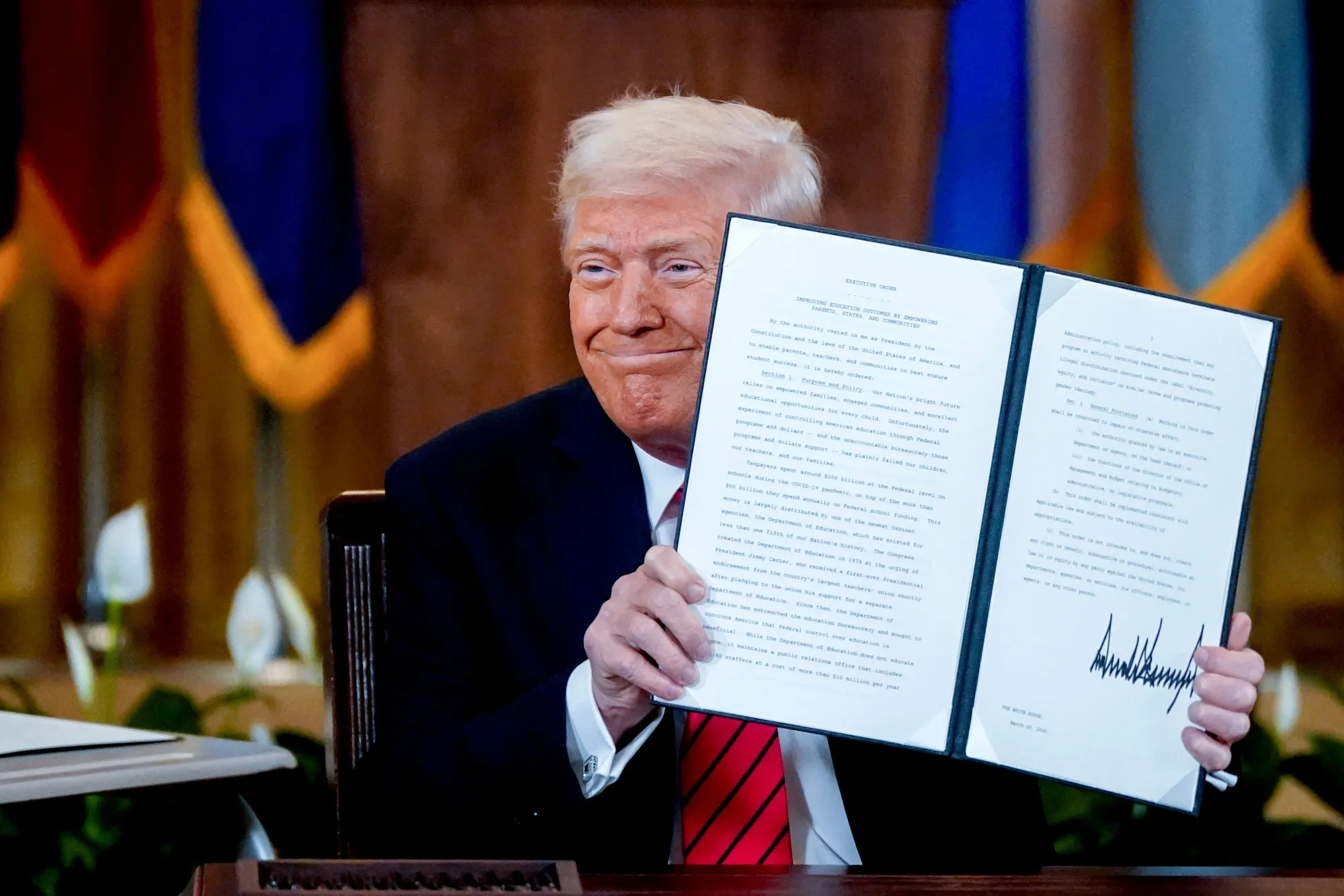
The FDA’s April 2025 announcement became the clearest sign that the administration wanted to accelerate change. In its official statement, the agency said it would phase out its animal testing requirement for monoclonal antibodies and other drugs by reducing, refining, or potentially replacing those requirements with a range of approaches, including AI-based computational models, cell lines, and organoid toxicity testing. The FDA also said implementation would begin immediately for investigational new drug applications, with inclusion of these newer methods encouraged under a scientific roadmap released the same day.
That wording mattered because it did not describe a small pilot program or a vague aspiration for the future. It described a regulatory shift beginning right away. In the FDA’s own terms, the plan was meant to encourage what are often called New Approach Methodologies, or NAMs, in place of some longstanding preclinical animal requirements. The agency’s roadmap made clear that its longer-term vision is a regulatory environment in which animal testing for many biologics becomes largely obsolete, replaced by a new toolbox of approved methods grounded in human-relevant science. That is a profound change in language from an agency that historically relied heavily on traditional animal studies as part of drug development.
Why monoclonal antibodies became the starting point
The FDA did not begin this shift randomly. Monoclonal antibodies were an especially logical place to start because they are already a mature class of medicines with growing amounts of human data. In its press announcement, the FDA emphasized that the goal was to move away from routine animal testing where better or more relevant alternatives could now be used. Commissioner Martin Makary said the initiative marks a “paradigm shift” in drug evaluation and argued that AI modeling, human organ model-based testing, and real-world human data could help get safer treatments to patients faster and more reliably while also reducing development costs and animal use.
That argument is central to the administration’s case. This is not being framed simply as an ethical reform, although ethics is clearly part of it. It is also being framed as a scientific upgrade. Supporters say older animal models do not always predict what will happen in human beings and can consume time and money without producing the most relevant answers. If organoids, computational toxicology, and human-derived systems can offer data that are more directly applicable to actual patients, then advocates believe this is not a compromise with safety. They believe it could become a better standard altogether.
The EPA followed with an aggressive recommitment

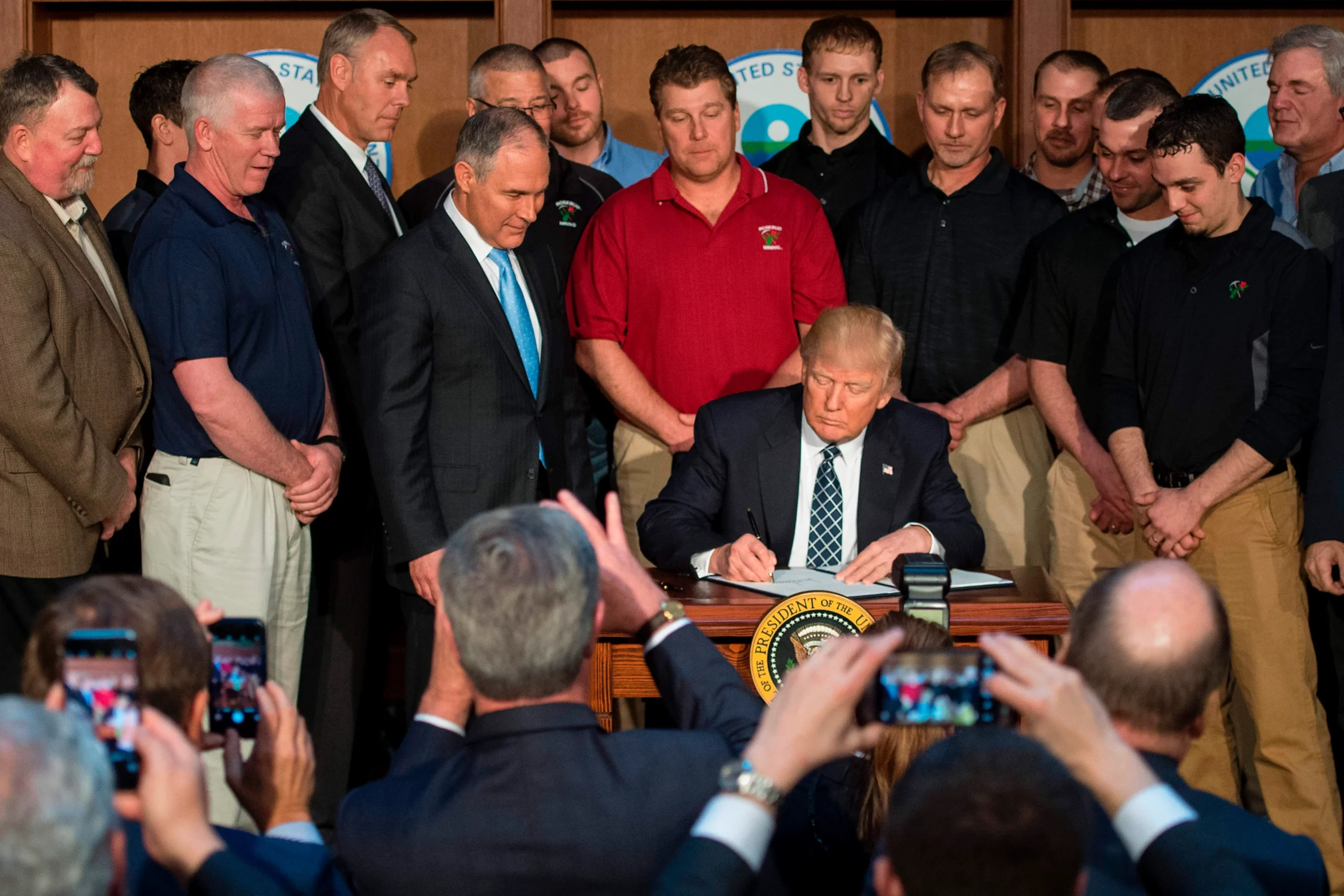
The EPA’s move was different in style but just as politically important. In January 2026, Administrator Lee Zeldin announced that the agency was getting back on track to reduce mammalian animal testing and recommit to the goal first set in the Trump administration’s earlier 2019 directive to eliminate it by 2035. The EPA said the Biden administration had canceled the agency’s phase-out deadlines, delaying scientific progress on alternatives. Zeldin’s announcement explicitly revived the earlier target and presented the move as a return to a path the administration believed should never have been interrupted.
That gave the policy shift a broader scope. It was no longer just about the FDA and drug review. It was now about environmental regulation as well. The EPA’s announcement signaled that the administration wanted anti-animal-testing policy to extend across multiple federal scientific domains, not remain isolated to one agency. The message was that this is part of a wider philosophical change in how government should approach testing, toxicology, and regulatory evidence. And because the EPA had already once adopted a phase-out goal during Trump’s first term, the agency was able to present the 2026 announcement not as a brand-new invention, but as a restoration of an abandoned commitment.
Animal rights groups saw a breakthrough they had fought for
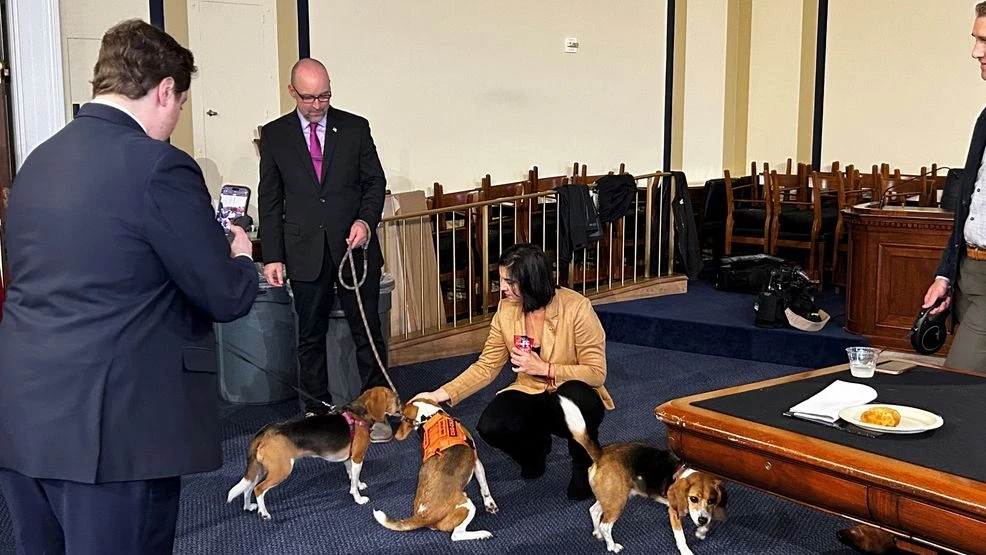
For advocacy groups, the policy changes were not just bureaucratic milestones. They were vindication. Fox News reported that PETA, White Coat Waste Project, Humane World for Animals, and others praised the FDA and EPA announcements, arguing that painful and outdated animal experiments had gone on for too long. PETA’s senior vice president Kathy Guillermo said the FDA’s decision was a significant step and called on the agency to go further. White Coat Waste Project praised both Makary and Zeldin for cutting what it described as wasteful and cruel testing. Humane World for Animals said it was encouraged to see the EPA recommit to a goal it had long championed, while adding that promises alone would not spare lives unless they translated into real replacement of painful experiments.
What stands out in those reactions is how long these groups have been building toward this moment. The pressure did not begin in 2025. It has been shaped by years of public campaigns, investigations, and lobbying efforts aimed at exposing federal experiments on animals and challenging the idea that such testing is always necessary. For these organizations, the administration’s announcements offered something rare in politics: proof that a long-running moral campaign had finally started to move policy at the national level. That is why the praise was so intense. For many activists, this was not incremental. It felt like the federal government had finally begun to accept a premise they had been shouting for years.
The science behind the alternatives is now the real battlefield
Still, the story does not end with applause. The hardest part begins now, because the success of these policies depends on whether alternatives can actually carry the scientific burden once placed on animal studies. The FDA’s roadmap is ambitious, but it also acknowledges that implementation will require refinement, feedback, and broader acceptance. New approach methods are advancing rapidly, but a regulatory system cannot run on enthusiasm alone. It needs validated tools, comparable standards, reproducibility, and enough confidence that public safety will not be compromised.
That is why the technical debate matters so much. Organoids can mimic certain human tissues. AI-based models can help estimate toxicity. Human cell systems can reveal effects that animal models may miss. But no single tool yet replaces the full complexity of a living organism across every question in biomedical science. In some areas, the alternatives are increasingly strong. In others, they remain incomplete. The administration is essentially betting that enough progress has been made to justify a faster transition, at least in selected fields. Supporters say waiting longer only protects a cruel and obsolete system. Critics say moving too fast could create blind spots in research or safety review.
Researchers who support reform still warned against overpromising
That caution is not just theoretical. Fox News reported that the National Association for Biomedical Research said no AI model or simulation has yet demonstrated the ability to fully replicate all the unknowns about many full biological systems, and that humane animal research remains indispensable in some contexts. That statement captured the core concern from a large segment of the biomedical world. It was not a rejection of alternatives. It was a warning that alternatives still have limits.
This is where the public conversation often becomes too simplistic. One side says animal testing is cruel and outdated. The other says it remains essential to protecting human health. In reality, both claims can be true in different contexts. Some animal experiments may be scientifically weak, ethically indefensible, or ripe for replacement. Others may still play a role in fields where whole-system effects remain difficult to model. The real policy challenge is not choosing between sentiment and science. It is deciding, area by area, where the science is already strong enough to justify change and where it is not. That is a slower and more difficult task than any headline suggests.
Politics helped shape the message as much as science did

It is impossible to separate these announcements from politics. The Trump administration has clearly embraced the issue not only as a scientific reform but as a broader symbol of modernization, cost cutting, and ethical responsiveness. Supporters inside conservative media and advocacy networks framed the decisions as proof that the administration was willing to challenge failed bureaucracy and stop taxpayer-funded cruelty. The message was especially potent because it connected animal welfare with a broader anti-establishment argument: that old federal systems had grown comfortable with wasteful practices and needed disruption.
That framing also gave Trump a way to appeal to animal welfare supporters without abandoning the administration’s broader political style. Reducing testing on dogs and other animals is emotionally resonant, visually powerful, and politically easier to market than many technical regulatory reforms. It also fits with a record the administration can point to, including Trump’s signing of the Preventing Animal Cruelty and Torture Act in 2019, which made certain extreme forms of animal cruelty a federal crime. Humane World Action and other animal law resources describe the law as a landmark federal anti-cruelty measure.
Why the next phase may matter more than the announcement itself
Big declarations are easy. Implementation is where these policies will be judged. The FDA has already taken additional steps since its April 2025 announcement, including releasing draft guidance in December 2025 on reducing non-human primate testing for monoclonal antibodies. That suggests the agency is trying to turn its philosophy into a working framework rather than leaving it as a press release. But it also shows how gradual the real transformation will be. Guidance documents, workshops, technical standards, and regulatory expectations all have to evolve together if the system is going to function.
The EPA faces a similar challenge. Announcing a 2035 goal is powerful, but success depends on whether the agency creates viable pathways to replace current methods and whether future administrations keep the deadline intact. If those steps stall, the announcement will look more symbolic than transformative. If they continue, the United States may genuinely become a leader in replacing large categories of animal testing with methods that are both more humane and more directly tied to human biology.
A turning point, but not the end of the argument
The most honest way to understand this moment is as a turning point, not a final victory for either side. The Trump administration’s FDA and EPA have undeniably pushed the federal government toward a more aggressive anti-animal-testing posture. Animal rights groups see a breakthrough, and official agency language shows that major regulators are now openly pursuing a future in which much more testing is done with organoids, AI systems, human-relevant models, and other modern tools. That alone marks a substantial shift from older assumptions.
But the deeper debate is only beginning. The future of federal testing policy will depend on whether these new methods can consistently earn scientific trust, not just political applause. If they do, this period may be remembered as the moment the government finally began leaving a cruel old model behind. If they fall short, critics will argue that the administration promised a revolution before the science was fully ready. For now, what is clear is this: Washington has moved the argument forward, and it is no longer possible to pretend the status quo is untouchable. The age of automatic animal testing inside the federal system is being challenged more directly than it has been in years.