
Table of Contents
- When the Strait of Hormuz became a currency battlefield
- Why the dollar became so central to the oil trade
- Why China keeps appearing at the center of this story
- What Reuters has actually confirmed about Iran’s Hormuz strategy
- Why even a partial yuan shift would matter
- Why sanctions make the currency question even sharper
- Why the “end of the United States” framing goes too far
- Why Hormuz is now about more than oil prices
- What this could mean for the next phase of the global economic order
When the Strait of Hormuz became a currency battlefield
When tensions around the Strait of Hormuz surged again, the first fear was familiar. Would oil shipments be disrupted? Would global prices spike? Would the world’s most important energy chokepoint become the trigger for another economic shock? But as the crisis deepened, a second and more strategic question began to surface. What if this was no longer only about missiles, tankers, and maritime pressure? What if it was also about money, and more specifically, about which currency the world uses to buy energy?
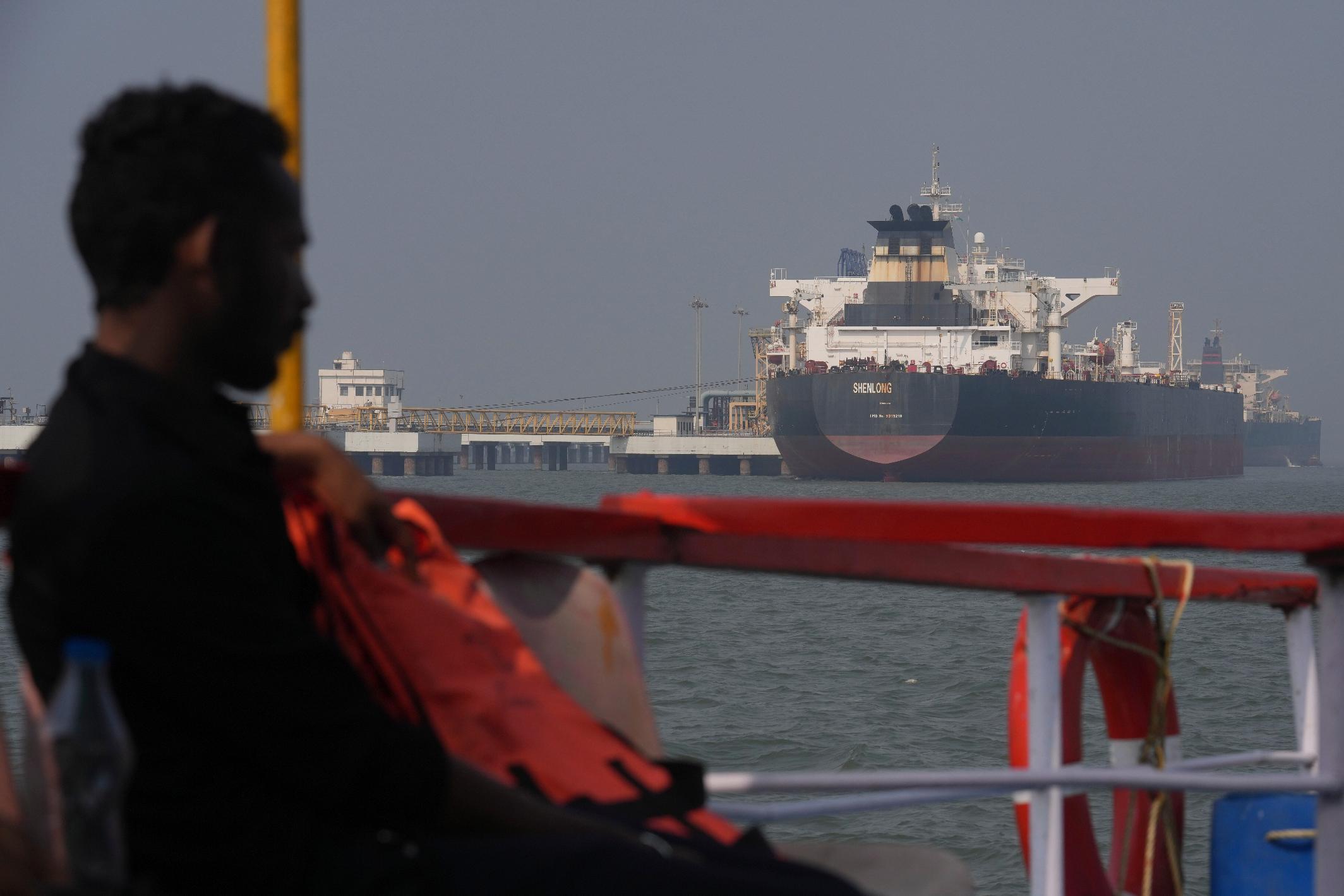
That possibility is what has made the latest Iran standoff feel bigger than a regional confrontation. The Strait of Hormuz is one of the most important trade arteries on Earth. Around one fifth of the world’s oil and a significant share of global liquefied natural gas move through it, making any disruption there instantly relevant to inflation, industry, and state budgets far beyond the Gulf. Reuters has reported repeatedly in recent days that the conflict has sharply disrupted shipping through the strait, pushed oil prices higher, and forced governments to consider emergency responses.
At the same time, reports and commentary circulating across international media have raised a provocative possibility: that Iran could try to use access through Hormuz not only as a military lever, but as a financial one, by tying some oil or transit arrangements more closely to China and its currency. Reuters has confirmed that China has been in talks with Iran about safe passage for crude and Qatari LNG vessels through Hormuz, and that Iran is also considering transit fees on ships using the waterway. What Reuters has not confirmed is a formal yuan-only rule for passage. That distinction matters. The idea of a yuan-based shift is plausible as strategy and widely discussed as risk, but it remains more a geopolitical scenario than an established policy based on the strongest reporting now available.
Even so, the reason this idea resonates is simple. It touches one of the deepest pillars of American economic power.
Why the dollar became so central to the oil trade
For decades, the global oil market has run primarily on dollars. That arrangement is often described loosely as the petrodollar system, though in practice it is less a single formal treaty and more a durable network of pricing habits, financial plumbing, reserve management, and political trust. Oil is quoted in dollars, contracts are often settled in dollars, and countries that need to import large volumes of energy therefore keep dollar reserves and rely on dollar based financial channels.
That system has given the United States significant advantages. Because so much global trade and finance runs through the dollar, the currency remains deeply embedded in central bank reserves, trade invoicing, debt markets, and payments systems. The U.S. Treasury market also benefits from strong international demand because the dollar remains the world’s dominant reserve currency. The Atlantic Council and the IMF have both documented how the dollar continues to occupy a leading position in global reserves and cross-border use, even as some countries try to diversify.
This is why any serious effort to move even part of energy trade away from the dollar attracts so much attention. It is not because one transaction in another currency would suddenly topple American power. It is because energy is one of the few sectors large and strategic enough to matter symbolically and structurally at the same time. If countries start buying more oil in yuan, they may eventually keep more yuan reserves, deepen financial ties to China, and reduce some reliance on the dollar-based system.
That is the theory. The reality is harder.
Why China keeps appearing at the center of this story
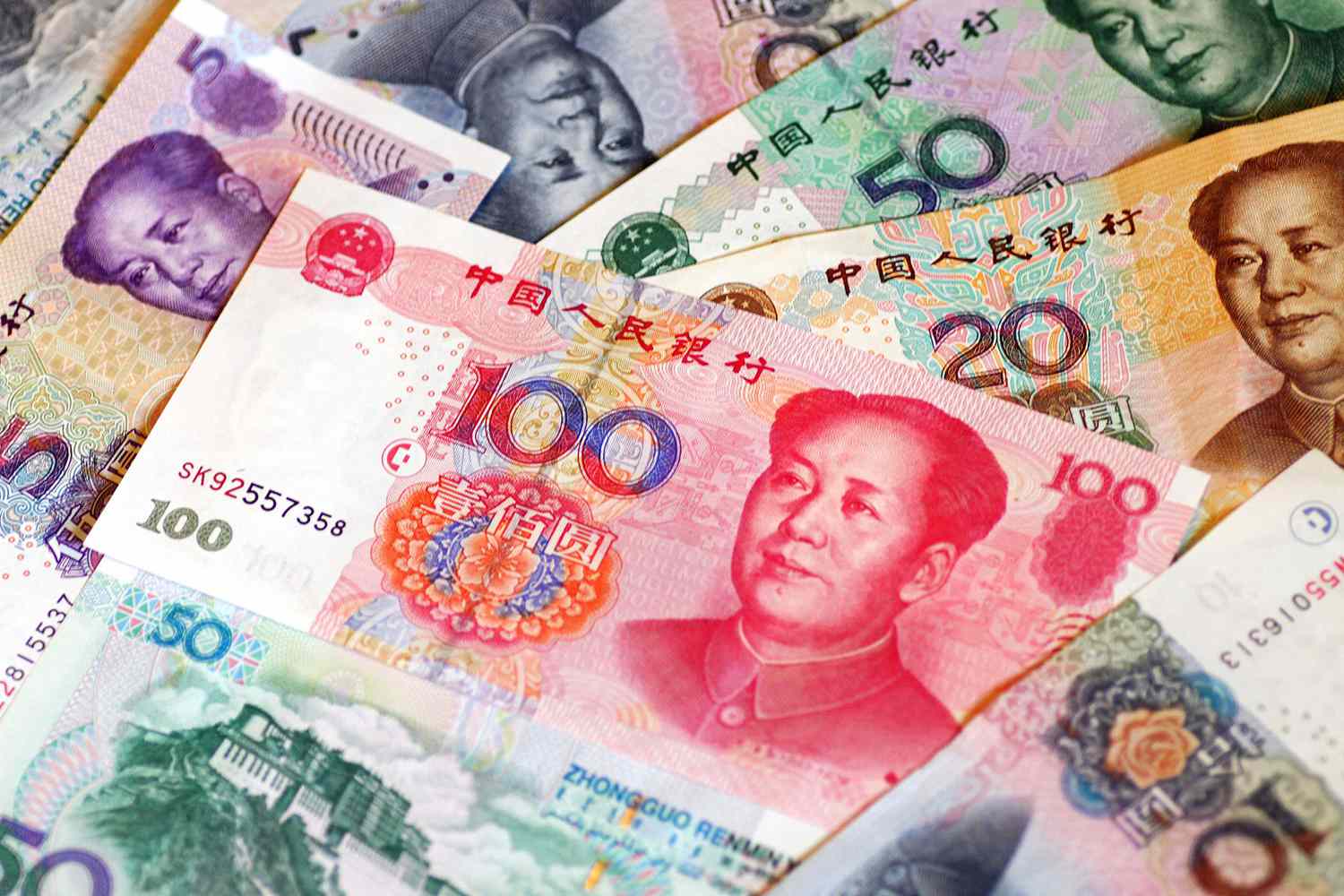
China is the natural country to watch in any discussion about a non-dollar oil future because it is both a giant energy importer and the state most clearly trying to internationalize an alternative currency. Beijing has spent years trying to increase the global use of the yuan in trade, finance, and commodity settlement. Its progress has been real but uneven. The yuan has grown in some cross-border settlement channels, and Beijing has built more infrastructure for currency swaps and regional payment arrangements, but it remains far behind the dollar in reserve status, liquidity, legal openness, and investor trust.
Still, in the current Hormuz crisis, China’s role is unusually important. Reuters reported earlier this month that China was in talks with Iran to allow safe passage for Chinese crude oil and Qatari LNG vessels through the strait as the war intensified. That by itself says a great deal. Beijing is not a distant observer here. It is a top energy customer with a strong interest in keeping at least some Gulf flows moving and in maintaining its economic relationship with Tehran.
China is also already the main buyer of Iranian oil through channels that often operate under sanctions pressure and opaque payment arrangements. The Wall Street Journal reported this week that a recent U.S. waiver may allow more Iranian oil to be sold, but banking sanctions still make ordinary payments difficult, meaning Iran continues to rely heavily on alternative arrangements with China.
That makes the yuan question more than academic. Even if Iran never formally declares a yuan-for-passage regime, its existing trade relationship with China already pushes in that direction.
What Reuters has actually confirmed about Iran’s Hormuz strategy
Because this topic is so politically explosive, it is worth separating confirmed reporting from dramatic extrapolation.
Reuters has confirmed several key points. First, the Strait of Hormuz has been severely disrupted by the current war, with shipping flows badly affected and oil prices surging. Second, China has been in talks with Iran to secure safe passage for its vessels and for Qatari LNG shipments. Third, Iran is considering levying transit fees on ships passing through Hormuz after the conflict. Fourth, Iran’s foreign minister said Tehran is ready to let Japanese-related vessels transit the strait, showing that Iran is using selective access as a strategic tool.
Taken together, those facts show that Iran is already treating Hormuz as leverage. It is not merely threatening closure in abstract terms. It is using differential access, diplomatic bargaining, and potential future charges as instruments of statecraft. That is a major story even before currency enters the picture.
The part that remains less firmly established is the specific claim that Iran will require yuan payments for tanker passage. That idea has appeared in commentary and secondary reporting, but it has not been confirmed in the strongest available Reuters coverage. So the more accurate framing is this: Iran is clearly weaponizing access to Hormuz, and such leverage could logically be used to advance de-dollarization goals, especially in coordination with China, but the exact mechanism remains uncertain.
Why even a partial yuan shift would matter
Even without a formal decree, the strategic logic behind a yuan-based energy arrangement is easy to understand. If part of Gulf oil trade were routed through terms more favorable to China, settled through Chinese channels, or linked to politically selective access, that would support Beijing’s long-running effort to build a “petroyuan” ecosystem. It would also help Iran reduce exposure to U.S. sanctions, since the sanctions system is strongest where the dollar and Western banking networks dominate.
This is where the story becomes larger than one war. Currency power is not just about paper notes or exchange rates. It is about who controls the rails of commerce. The U.S. has long enjoyed enormous leverage because trade, clearing systems, sanctions, and capital markets all reinforce one another. Any country trying to loosen that structure needs something big enough to draw others in. Energy is one of the few sectors big enough to do that.
But there is also a reason the dollar’s dominance has survived so many previous challenges. Countries do not use the dollar only because of oil. They use it because dollar markets are deep, liquid, scalable, and trusted in ways alternatives still are not. The yuan is supported by a powerful state and a huge economy, but it remains constrained by China’s capital controls, lower legal transparency, and political risk. That makes it easier to use in selected bilateral arrangements than as a full replacement for the dollar-based system.
So a Hormuz-yuan strategy could be meaningful without being revolutionary. It could chip away at the edges without overturning the center.
Why sanctions make the currency question even sharper
The sanctions dimension is central here. Iran has long had reasons to seek non-dollar channels, and the latest war has intensified them. Reuters reported that the Trump administration has even considered temporary waivers allowing sales of Iranian oil at sea to calm energy markets, while still keeping heavy restrictions on Iran’s access to the proceeds. The Journal similarly noted that Iran may be able to sell more oil under some circumstances but still struggle to get paid through conventional banking routes.
This is precisely why a yuan-based or China-centered arrangement remains attractive to Tehran. It is not only about hurting the dollar. It is about surviving a sanctions environment in which ordinary trade channels are constrained. If Iran can deepen energy settlement through China, it gains both a buyer and a partial escape valve.
From China’s perspective, that arrangement has its own appeal. It helps secure supply, reinforces Beijing’s status as Iran’s economic lifeline, and nudges global trade a little further toward a system where the yuan is more usable in strategic sectors.
That does not mean China wants a sudden collapse of the dollar. Beijing still benefits from global stability and holds extensive exposure to the existing system. But it does mean China has every incentive to gradually widen the yuan’s role where possible.
Why the “end of the United States” framing goes too far
The most dramatic version of this story claims that if Iran pushes oil trade toward yuan settlement in Hormuz, it could trigger the end of America’s financial power. That is not a credible near-term reading.
The dollar’s position rests on far more than oil invoicing. It is supported by the size of the U.S. economy, the depth of Treasury markets, the reach of American finance, military influence, reserve management habits, and the lack of a fully trusted rival. The euro has structural limits, the yuan remains politically constrained, and no alternative has yet matched the full package of liquidity, openness, and safety that underpins dollar use.
Even if more oil were traded in yuan, the transition away from the dollar would be gradual, partial, and contested. Markets do not abandon entrenched systems overnight, especially when those systems are embedded in global finance at every level.
But “not the end” does not mean “irrelevant.” A continued shift at the margins can still matter. If more sanctioned energy trade happens outside the dollar, if more bilateral deals use the yuan, and if more governments decide they need alternatives in case they too face sanctions pressure, then the global monetary system slowly becomes more fragmented.
That is the more realistic risk for Washington. Not sudden collapse, but erosion.
Why Hormuz is now about more than oil prices
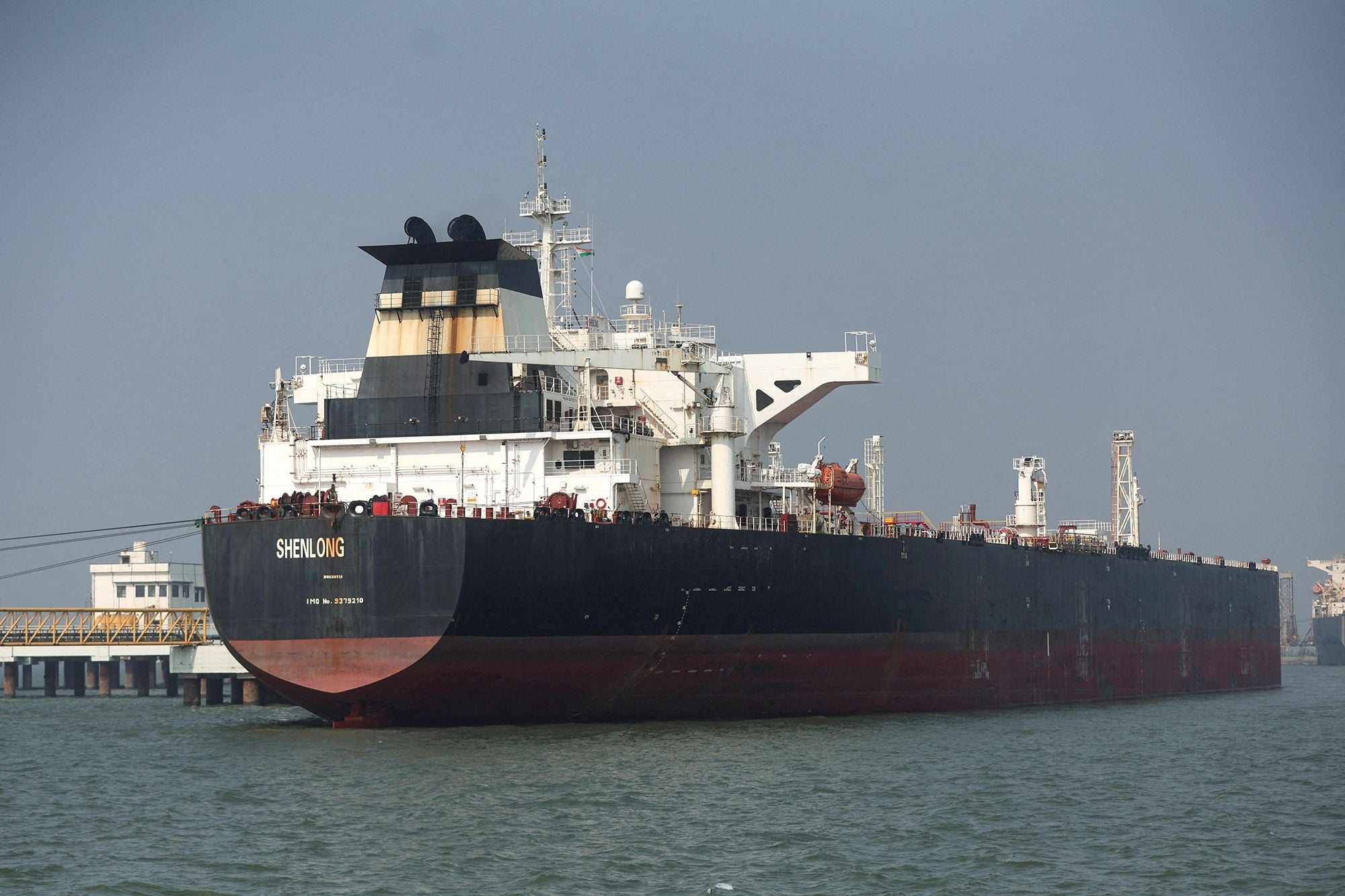
The Strait of Hormuz has always been a military chokepoint, but this crisis is showing it can also become a financial one. Control over passage can shape who gets energy, under what terms, and through which political relationships. Reuters’ reporting on selective vessel access, transit fee discussions, and Chinese negotiations suggests that Iran sees Hormuz not just as a lane to threaten but as a tool to bargain with.
That matters because the future of global power is increasingly tied to these hybrid zones where war, trade, sanctions, and currency all meet. Iran may not be strong enough to overthrow the dollar, but it can still add friction to the system that sustains it. China may not be ready to replace the dollar, but it is increasingly prepared to exploit moments of stress to widen the yuan’s footprint.
And the United States, for all its enduring advantages, now faces a world in which more countries are at least exploring how to reduce dependence on its currency architecture.
What this could mean for the next phase of the global economic order
The real significance of the current Hormuz crisis is not that the dollar is about to fall. It is that geopolitical conflict is accelerating experiments with a more divided financial order. As energy insecurity rises, sanctions intensify, and large powers compete more openly, the old assumption that trade will naturally keep consolidating around one dominant currency looks less automatic than it once did.
Iran’s immediate aim is pressure, survival, and leverage. China’s aim is strategic patience and incremental expansion of influence. America’s aim is still to preserve a system that has amplified its power for decades. Those three aims now intersect in one narrow waterway through which a huge share of the world’s energy still passes.
That is why this story matters even if the most dramatic claims prove overstated. The question is not whether a yuan-for-Hormuz policy instantly ends dollar dominance. It will not. The real question is whether repeated crises like this one slowly teach more countries to route around the dollar when pressure mounts.
If that trend deepens, the future will not belong to one clean replacement system. It will belong to a more fractured world, where energy, finance, and geopolitics are increasingly negotiated in parallel rather than under one shared monetary center. And that is precisely the kind of world in which the old assumptions about American economic power begin, little by little, to weaken.