
Table of Contents
- When the price of war suddenly became the story
- Why the Pentagon wants so much money so quickly
- The first week’s cost was already a warning sign
- Congress is not lining up neatly behind the request
- Trump now faces a political trap of his own making
- This is really a munitions story as much as a war story
- Money alone cannot fix the timeline problem
- Lawmakers are likely to demand a clearer war plan
- Public resistance could matter more than Washington expects
- The battle over this request may define the next phase of the war
When the price of war suddenly became the story
When reports emerged that the Pentagon had asked the White House to approve a request for more than $200 billion to fund the war in Iran, the political conversation shifted almost instantly. For weeks, public attention had focused on airstrikes, missiles, naval battles, and the widening regional fallout. But this new figure changed the center of gravity. It raised a harder question, one that every war eventually faces: how much will this really cost, and who in Washington is prepared to pay for it?
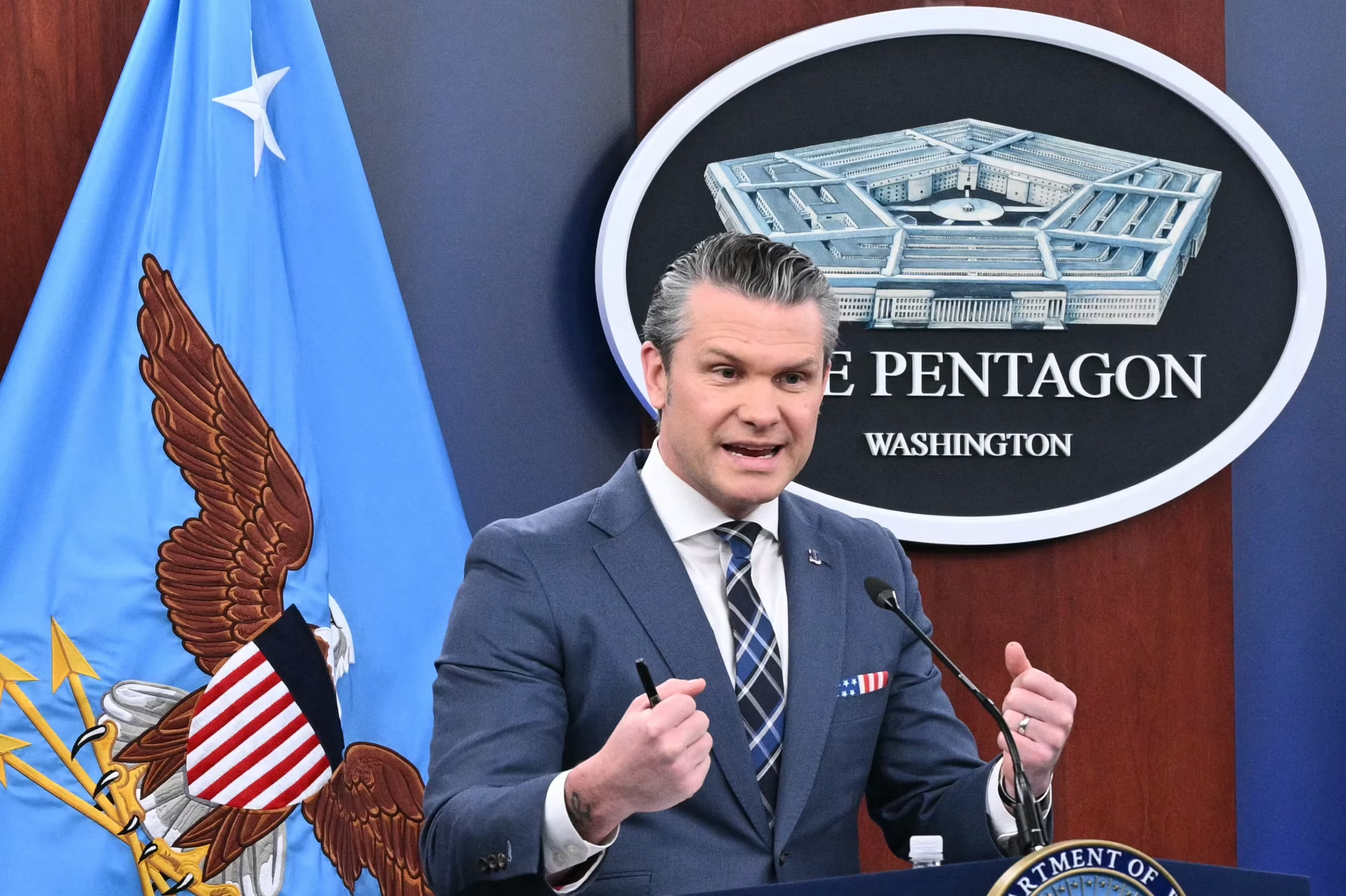
According to Reuters, which cited a Washington Post report, the Pentagon’s proposed package would exceed $200 billion and is aimed not just at paying for the current campaign but at urgently expanding production of critical weapons depleted during weeks of U.S. and Israeli strikes on thousands of targets in Iran. Reuters reported that the idea is already facing skepticism inside the administration, with some White House officials doubting Congress would approve anything that large. AP separately reported that the request would need congressional approval and is already drawing scrutiny because of the war’s scale, the lack of clear public enthusiasm, and concern over the federal deficit.
That is what makes this moment so consequential. A war can often move forward while the costs remain abstract. Once the bill arrives, the conflict changes shape politically. It becomes a fight not just about strategy abroad, but about credibility at home.
Why the Pentagon wants so much money so quickly

The reported request is so large because it is not merely about reimbursing past costs. It is about preparing for what officials appear to believe could be a longer and more resource intensive confrontation. Reuters reported that the funding would go well beyond the cost of the current air campaign and would instead focus on rebuilding stocks of precision munitions and other weapons that have been heavily drawn down. AP similarly reported that Pentagon officials are making the case that the money is needed to support the war and replenish U.S. inventories.
That explanation matters because it suggests the military’s concern is no longer limited to the next strike package. It is looking at industrial capacity, future readiness, and the possibility that stockpiles depleted in Iran could weaken America’s ability to respond elsewhere. Reuters reported that Defense Secretary Pete Hegseth has kept emphasizing unchanged objectives in the Iran war, including dismantling Iran’s missile launch capability, degrading its defense industry and navy, and preventing it from obtaining nuclear weapons. Those are not narrow or inexpensive goals. They imply a campaign that may keep consuming high end munitions at a serious pace.
So while the number sounds shocking, the logic behind it is not hard to trace. Wars fought with advanced missiles, penetrator bombs, air defense assets, intelligence support, and long range strike systems become expensive very quickly. And wars that expose weaknesses in the defense industrial base become even more expensive after the first wave of combat.
The first week’s cost was already a warning sign
One reason the reported $200 billion figure has hit so hard is that the war was already proving costly at a startling pace. According to the user’s provided report, officials said the cost had topped $11 billion in the first week alone. Reuters and AP have both reinforced the broader picture of a rapidly escalating conflict involving thousands of U.S. strikes, deeper penetration into Iranian territory, and expanding regional deployments. Reuters reported that the Pentagon is also considering additional troops in the region, while AP reported that more ships and Marines are being sent even as President Trump signals mixed messages about escalation and winding down.
When costs rise that fast, lawmakers begin to ask whether the early spending is an outlier or a preview. If the opening phase of the war required billions almost immediately, then a broader effort to replenish munitions, expand production lines, and sustain readiness could indeed climb toward a figure that would once have seemed unthinkable.
This is why the budget fight is becoming a referendum on the war itself. The size of the request forces every faction in Washington to reveal what it really thinks about the campaign’s duration, objectives, and political defensibility.
Congress is not lining up neatly behind the request
The biggest obstacle to a package of this size is not arithmetic. It is politics. Reuters reported that even some administration officials are doubtful the Pentagon’s proposal has a realistic chance of passing Congress. AP reported that lawmakers are already uneasy because the request comes on top of a national debt above $39 trillion and a projected federal deficit of about $1.9 trillion this year. That means the administration would be asking Congress to approve one of the largest war related supplemental packages in recent memory at a moment when fiscal anxiety is already high.
The resistance is coming from more than one direction. Democrats have criticized the war sharply and are likely to use the funding debate to attack both its legality and its strategic purpose. But resistance is not limited to Democrats. AP reported that even among Republicans, support for more defense money does not automatically translate into agreement on a massive supplemental bill, especially among fiscal conservatives and lawmakers worried about open ended commitments.
That dynamic is particularly dangerous for the White House because supplemental war packages usually need broad bipartisan backing to move through the Senate. If the administration cannot unify Republicans and peel off some Democrats, the request could become trapped in a grinding confrontation that weakens both the war effort and the president’s leverage.
Trump now faces a political trap of his own making
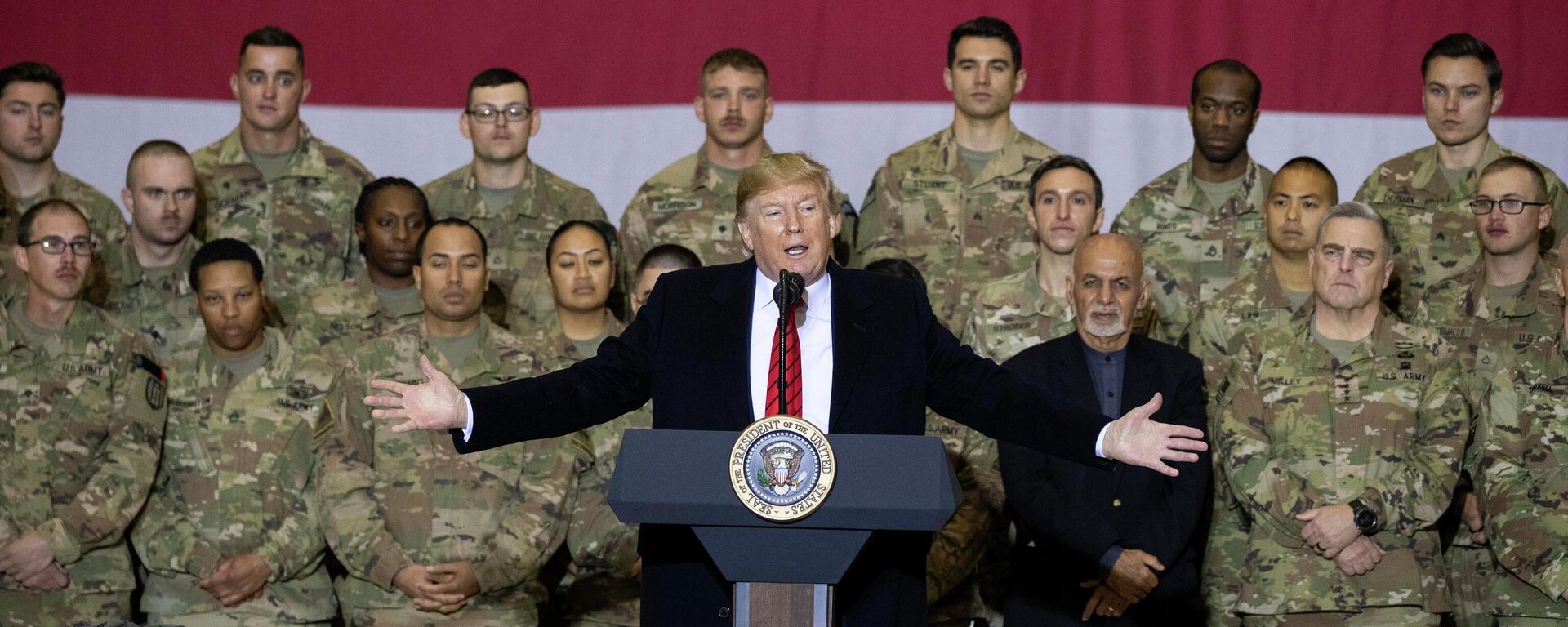
This funding battle is also uniquely awkward for President Trump. He campaigned as a critic of long U.S. military entanglements abroad and repeatedly attacked the scale of spending on Ukraine. According to the user’s provided text, Congress had approved about $188 billion for the war in Ukraine by December. The reported Pentagon request for Iran alone would exceed that figure, creating an obvious line of attack for critics who say Trump is now embracing the kind of vast foreign war spending he once condemned.
That contradiction is becoming harder to hide as the war grows. Reuters reported that Trump has recently sent mixed signals, suggesting in public that the United States might consider winding down while also overseeing continued military escalation and broader deployments. AP likewise reported that his administration is requesting a huge new funding package even while he hints at possible de escalation.
This leaves Trump in a difficult position. If he fully embraces the Pentagon’s request, he risks alienating anti war voters and fiscal conservatives. If he distances himself from it, he risks undermining his own military leadership and raising questions about whether the administration actually has a coherent war strategy.
This is really a munitions story as much as a war story
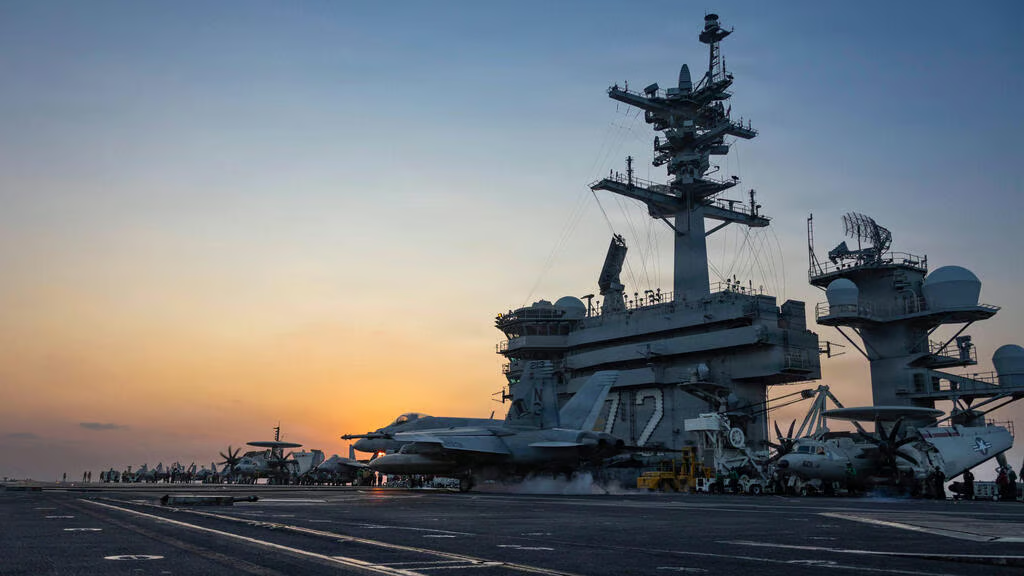
The huge number also reveals a deeper issue that has been building for years: the U.S. defense industrial base may not be prepared for prolonged high intensity conflict at this scale. AP reported that one major purpose of the funding would be to replenish depleted bomb and missile inventories. Reuters has also highlighted how the Iran war has already involved thousands of strikes and extensive use of high end munitions.
That matters because it changes the meaning of the request. It is not just a bill for battlefield operations. It is a signal that the United States may have entered this conflict with stockpiles and production lines that are less robust than a major war requires. Elaine McCusker, quoted in the user’s provided text from the Washington Post report, made the point clearly: throwing money at the industrial base does not automatically produce weapons faster, but failing to spend the money certainly does not solve the problem either.
This is one reason the Pentagon appears to be pushing so hard. It may believe the real danger is not only the cost of the Iran war, but what the war is revealing about American readiness for any future confrontation in other theaters.
Money alone cannot fix the timeline problem
Even if Congress approved the full amount, that would not instantly restore depleted inventories. The user’s provided report noted that production depends on workers, factories, and raw materials. AP’s reporting points in the same direction by stressing that the funding debate is partly about supply constraints, not just dollars.
This is the uncomfortable truth in the middle of the debate. Advanced military systems cannot simply be ordered off a shelf in unlimited quantity. Precision munitions, missile interceptors, aircraft parts, and naval systems require manufacturing capacity that takes time to expand. So the Pentagon may get the money and still find that deliveries arrive slower than strategy demands.
That creates a dangerous lag between battlefield consumption and industrial replacement. In practical terms, the war can eat through weapons faster than the economy can reproduce them. When that happens, every decision about escalation becomes inseparable from a second question: what will be left afterward?
Lawmakers are likely to demand a clearer war plan
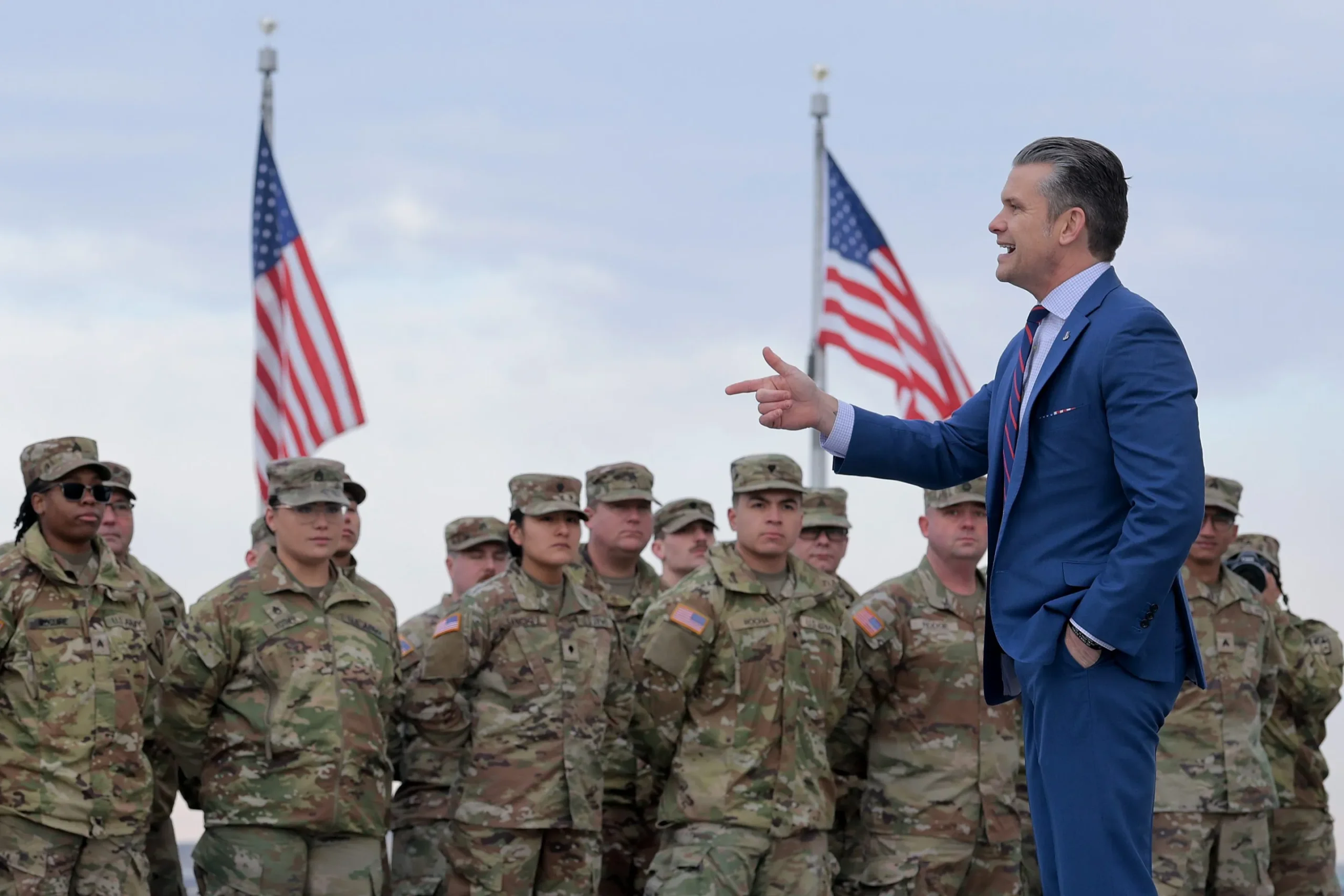
The reported request also increases pressure on the administration to explain what victory looks like. Reuters reported that Hegseth says U.S. war aims have not changed, but that description remains broad: dismantle launch capability, degrade Iran’s defense industry and navy, and stop a nuclear weapons path. That may be enough for a Pentagon briefing. It is not necessarily enough for a Congress being asked to approve more than $200 billion.
Lawmakers are likely to demand more specificity. How long is the war expected to last? What is the endpoint for munitions replenishment? How much of the request is immediate combat cost and how much is industrial policy? What assumptions are being made about escalation, oil prices, allied contributions, and regional deployments? Without answers to those questions, the administration risks looking as though it is trying to buy time, not present a strategy.
That is why analysts are calling the funding fight a proxy battle over the war itself. If the administration cannot define the mission in a way Congress finds credible, then the budget request may collapse under the weight of larger doubts.
Public resistance could matter more than Washington expects
Another reason the funding debate matters is that it may crystallize public skepticism. Wars often retain vague support when they are framed in terms of national strength or retaliation. But once lawmakers begin arguing over hundreds of billions of dollars, the public starts comparing war costs to domestic priorities, debt concerns, and earlier foreign interventions.
AP reported that lawmakers are already conscious of that pressure, and Reuters reported that internal doubts exist even inside the administration about whether Congress will accept the Pentagon’s number.
This means the request could become the moment when anti war sentiment, fiscal anxiety, and political mistrust converge. Critics of the war now have a clean focal point. Instead of debating abstract strategy, they can point to a price tag.
The battle over this request may define the next phase of the war
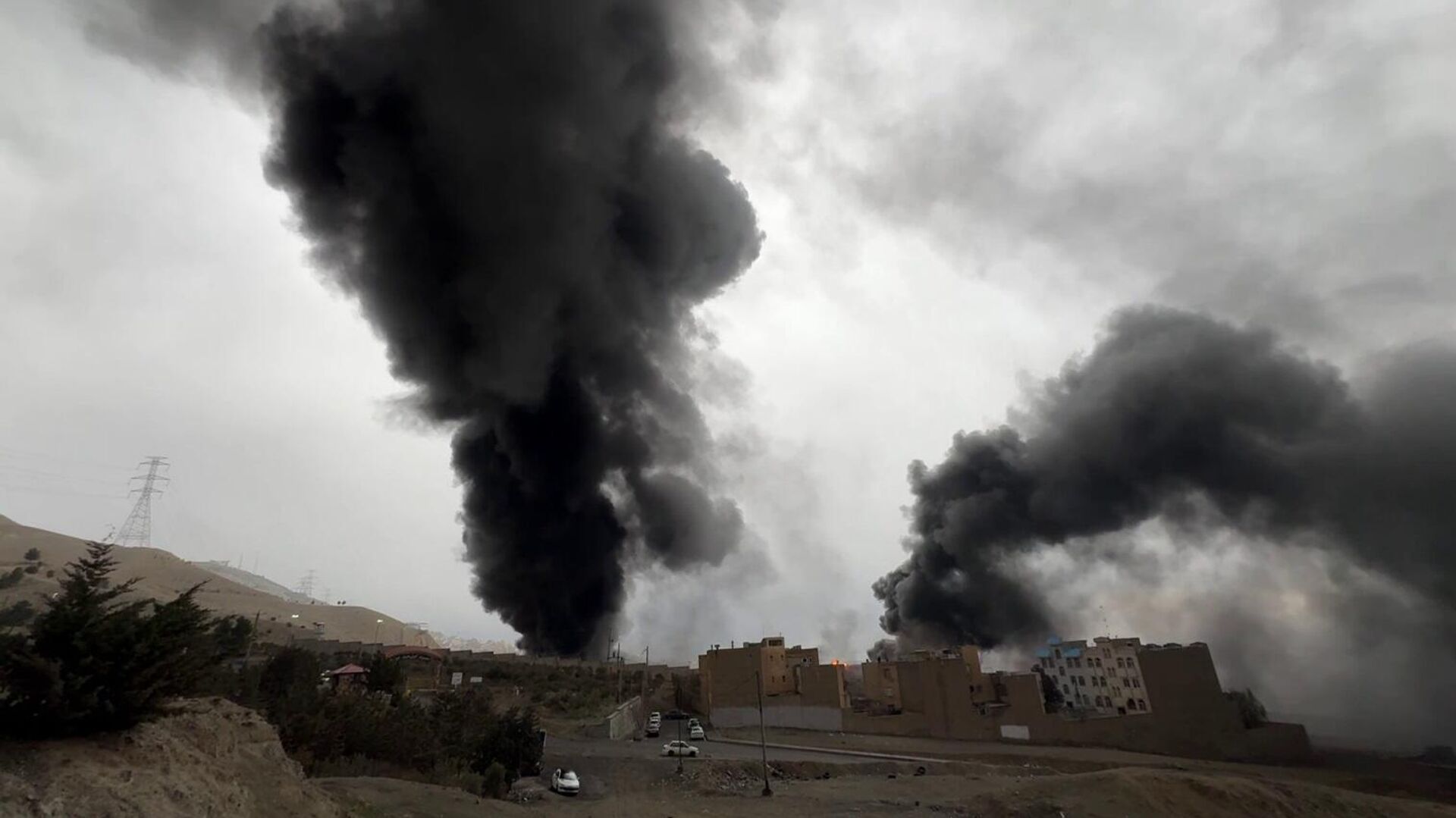
In the end, the reported Pentagon request for more than $200 billion is not just a budget story. It is a stress test for the entire Iran campaign. It measures whether the administration can persuade Congress that the war is strategically coherent, industrially manageable, and politically worth the cost. Reuters confirmed that the request is real enough to have reached the White House, while AP confirmed that the number is already drawing serious concern from lawmakers and budget watchers.
If Congress balks, the administration may be forced to shrink its ambitions, repackage the request, or redefine what success in Iran means. If Congress approves it, the war will likely enter a new phase, one shaped not only by battlefield strikes but by a full scale effort to rebuild the arsenal behind them.
That is why this fight matters so much. Wars are sustained not only by force, but by political consent. The Pentagon may believe it needs $200 billion to keep this conflict going without hollowing out future readiness. Congress now has to decide whether the country is prepared to spend that much for a war whose goals are still being argued over in real time.