
Table of Contents
- When one teen made a wish that surprised everyone
- Understanding the illness that changed his life
- What Make A Wish usually means for children
- A wish that turned outward instead of inward
- How one idea turned into help for hundreds
- Why his decision resonated so widely
- A community responds to his act of kindness
- What remission means in a story like this
- The message he wants others to remember
- What this story reveals about compassion in difficult times
When one teen made a wish that surprised everyone
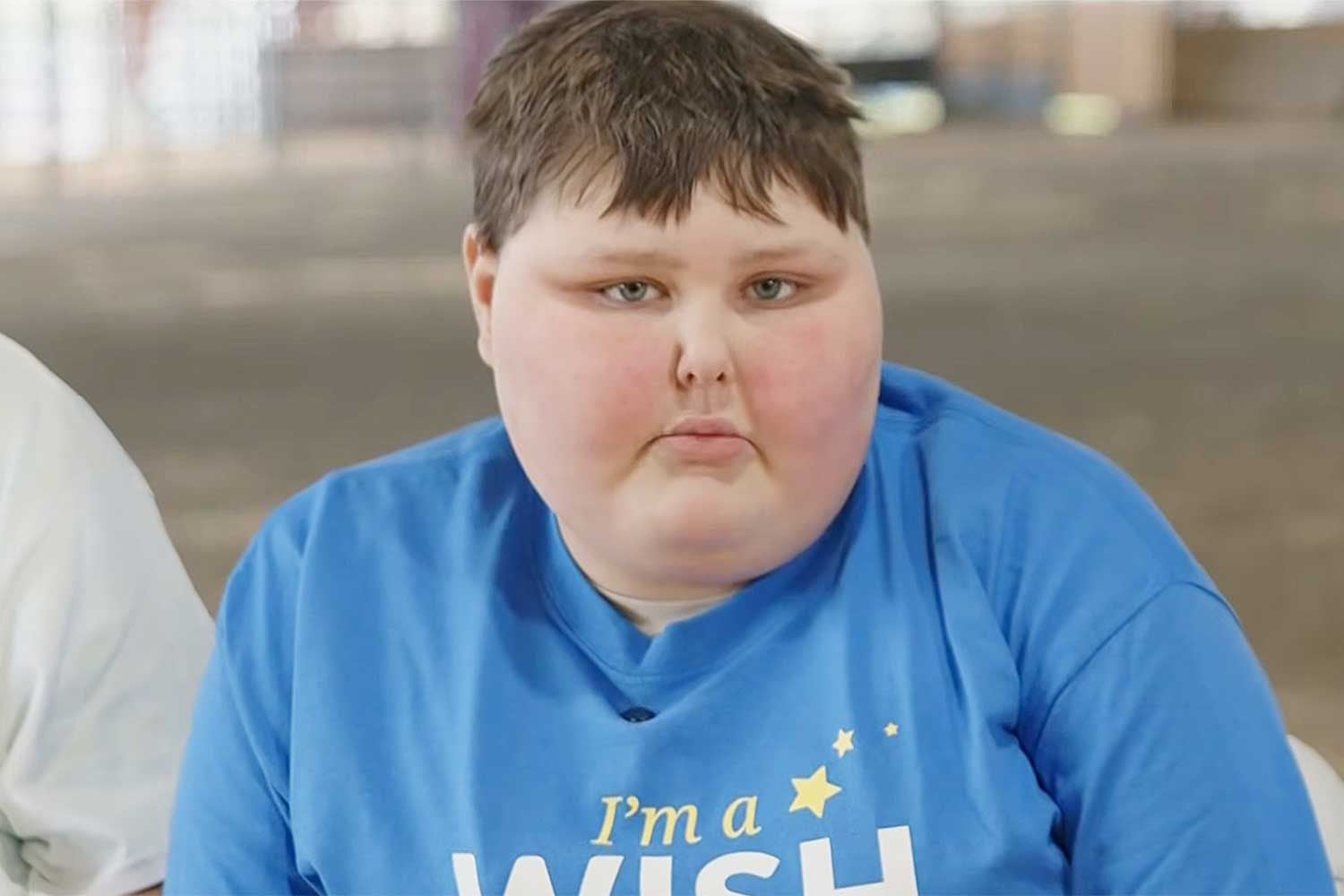
When news spread that a 14 year old boy from Georgia had used his Make A Wish opportunity not to travel, meet a celebrity, or receive a dream gift, but instead to help hundreds of homeless people, the story quickly captured attention far beyond his local community. In a world where most people understandably hold tightly to what they are given, especially in moments of hardship, Jude Baker made a choice that stood out not because it was dramatic, but because it was deeply human. His decision was not about escaping his situation. It was about transforming it into something meaningful for others.
Jude’s story begins with something no child should have to face. At just 12 years old, he was diagnosed with Ewing sarcoma, a rare and aggressive form of cancer that affects bones and surrounding tissue. The diagnosis alone would have been enough to change the course of any young life. But what followed, according to Jude himself, was even harder. It was not only the fear of what the illness might bring, but the physical pain of treatment, especially chemotherapy, that defined his experience. He described it simply, but powerfully. It hurt.
And yet, out of that pain came something unexpected. Something that would turn a deeply personal struggle into a moment that touched hundreds of others.
Understanding the illness that changed his life
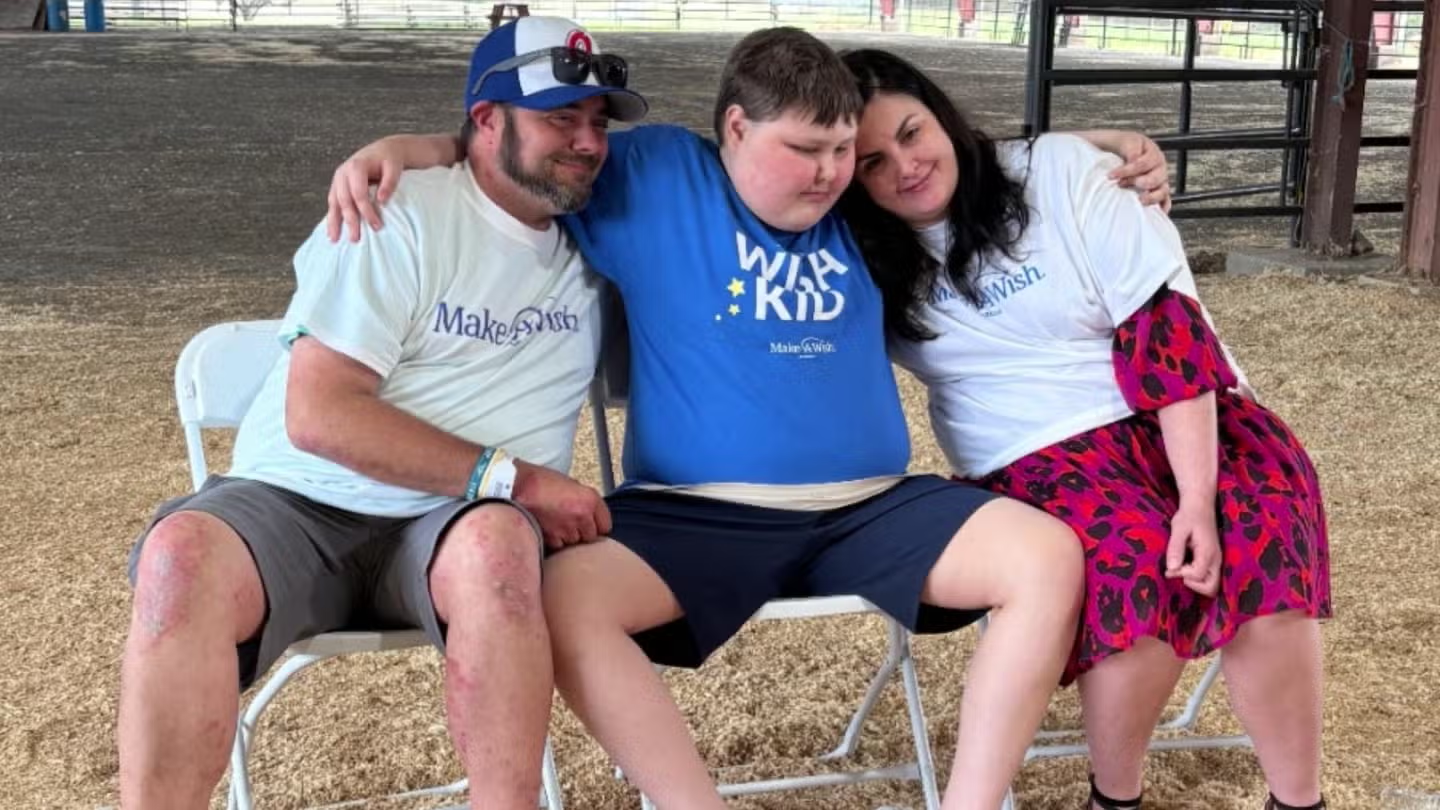
Ewing sarcoma is not a common diagnosis. It is one of the rarer cancers affecting children and adolescents, and its aggressive nature often requires immediate and intensive treatment. For Jude, that meant chemotherapy, long hospital visits, and the emotional weight of uncertainty that comes with fighting a disease that does not offer easy answers.
Children who go through this kind of experience often have their lives reshaped in ways that adults struggle to fully understand. School, friendships, routine, and even a sense of normal childhood are interrupted. Instead, there are hospital rooms, treatment schedules, and the quiet moments where fear can creep in. It is in this context that Jude’s later decision becomes even more remarkable. It was not made from a place of comfort or stability. It came from someone who had seen difficulty up close.
He later reflected that it was not the possibility of death that defined his hardest moments. It was the day to day reality of treatment. That distinction matters. It shows that his perspective was shaped not by abstract fear, but by lived experience. And it is that experience that would eventually influence the wish he chose to make.
What Make A Wish usually means for children
The Make A Wish Foundation has become known around the world for granting wishes to children facing critical illnesses. These wishes are often moments of joy designed to give children something to look forward to in the middle of a difficult journey. For many, it is a chance to step away from hospitals and treatments, even if only briefly, and experience something extraordinary.
Typically, children choose wishes that reflect dreams they have always held. Traveling to a favorite destination, meeting a beloved celebrity, or experiencing something magical that feels far removed from the reality of illness. These wishes are not trivial. They are often deeply meaningful, giving children and their families moments of happiness that can carry them through some of the hardest times.
That is why Jude’s choice stood out so clearly. It was not something that had been suggested to him. It was not part of the usual options presented. In fact, those involved in coordinating wishes said that what he chose was not even something they typically tell children they can do. He came up with it entirely on his own.
And he never had a backup plan.
A wish that turned outward instead of inward
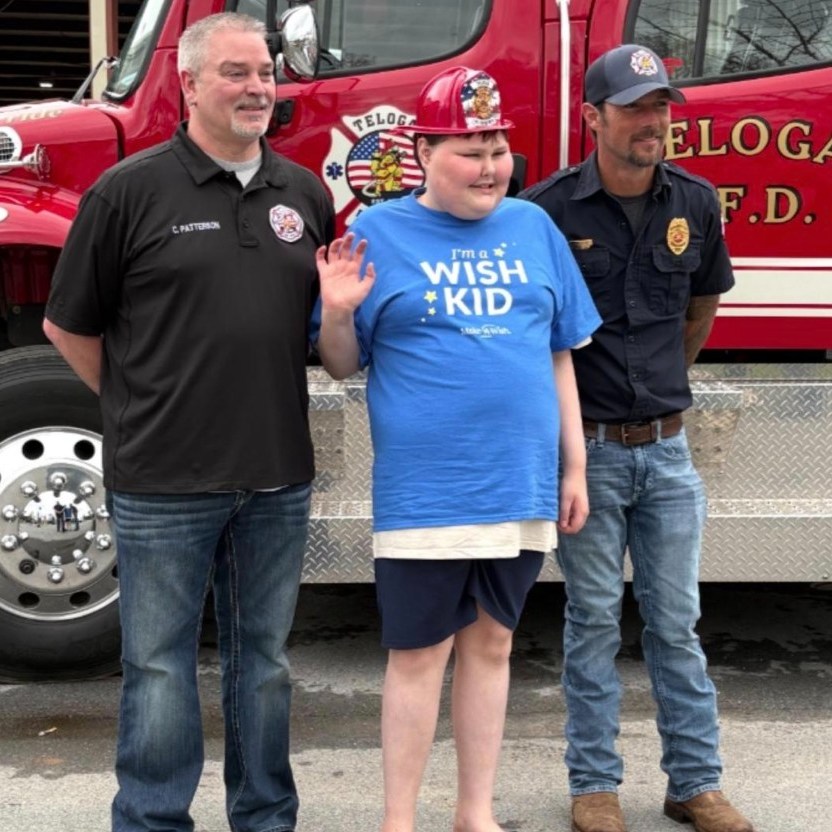
When Jude was given the opportunity to make his wish, he chose to help the homeless in his community. It was a simple idea, but one that carried enormous weight. Instead of asking what he could receive, he asked what he could give.
He explained his reasoning in a way that resonated with many who later heard his story. He said he had gone through his own version of a difficult place, and he wanted to help others who were going through their own version of that struggle. It was a perspective shaped by empathy, not just sympathy. He did not see himself as separate from those he wanted to help. He saw a connection.
That connection became the foundation of his wish. It was not about solving homelessness or changing the world overnight. It was about doing something tangible, something immediate, something that could bring comfort to people who needed it.
And that is exactly what he set out to do.
How one idea turned into help for hundreds
With the support of Make A Wish, Jude’s idea became a coordinated effort to assist homeless individuals in his community. Supplies were gathered. Sleeping bags were collected. Backpacks were filled with essentials. Hot meals were prepared.
What might have started as a single wish became a collective action involving volunteers, organizers, and community members who came together to make it happen. On that day, more than 300 people received assistance.
For those individuals, it was not just about the items they received. It was about being seen. Being acknowledged. Being treated as people who mattered. Acts of kindness often carry that dual impact. They provide practical help, but they also restore a sense of dignity that can be easily lost in difficult circumstances.
Jude’s wish did not just create a moment. It created a ripple effect. It showed that even in a situation defined by illness and hardship, there was still room for generosity.
Why his decision resonated so widely
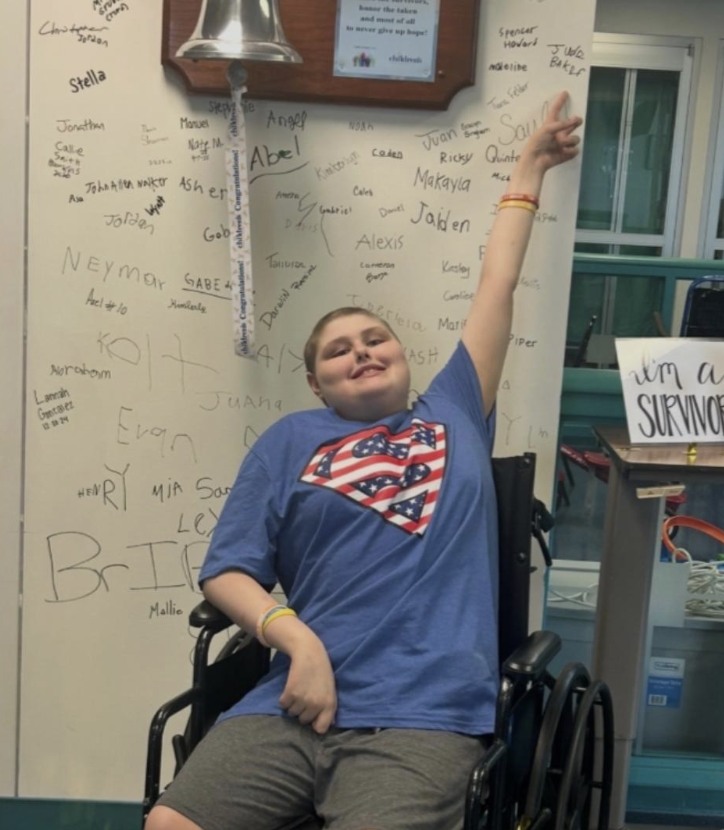
Stories like Jude’s travel quickly because they tap into something universal. They remind people of what is possible when empathy becomes action. In a time when much of the news cycle is dominated by conflict, division, and crisis, a story about a teenager choosing to give rather than receive stands out.
Part of what makes it powerful is its simplicity. There was no complicated strategy. No grand plan. Just a decision to help others because he understood what it felt like to be in a difficult place.
Another reason it resonates is because it challenges assumptions. It is easy to assume that someone facing a serious illness would focus entirely on their own recovery and comfort. That is a natural and understandable response. Jude’s choice does not invalidate that. Instead, it expands the idea of what is possible even within hardship.
It suggests that compassion is not something that only comes after struggle. Sometimes, it is something that grows directly out of it.
A community responds to his act of kindness
Jude’s story did not end with the completion of his wish. As word spread about what he had done, members of his community began looking for ways to give back to him. A local business owner launched a fundraising effort with a simple goal: to provide Jude and his family with an opportunity to step away from hospitals and treatment and create their own lasting memories together.
The idea was not to replace what Jude had chosen to do, but to complement it. To recognize that while he had chosen to help others, he also deserved moments of joy and rest. The fundraising goal was modest, but the intention behind it was significant. It reflected a sense of gratitude, not just for what he had done, but for what his story represented.
This kind of response highlights an important truth about generosity. It often inspires more of the same. One act of kindness can lead to another, creating a chain reaction that extends far beyond the original moment.
What remission means in a story like this
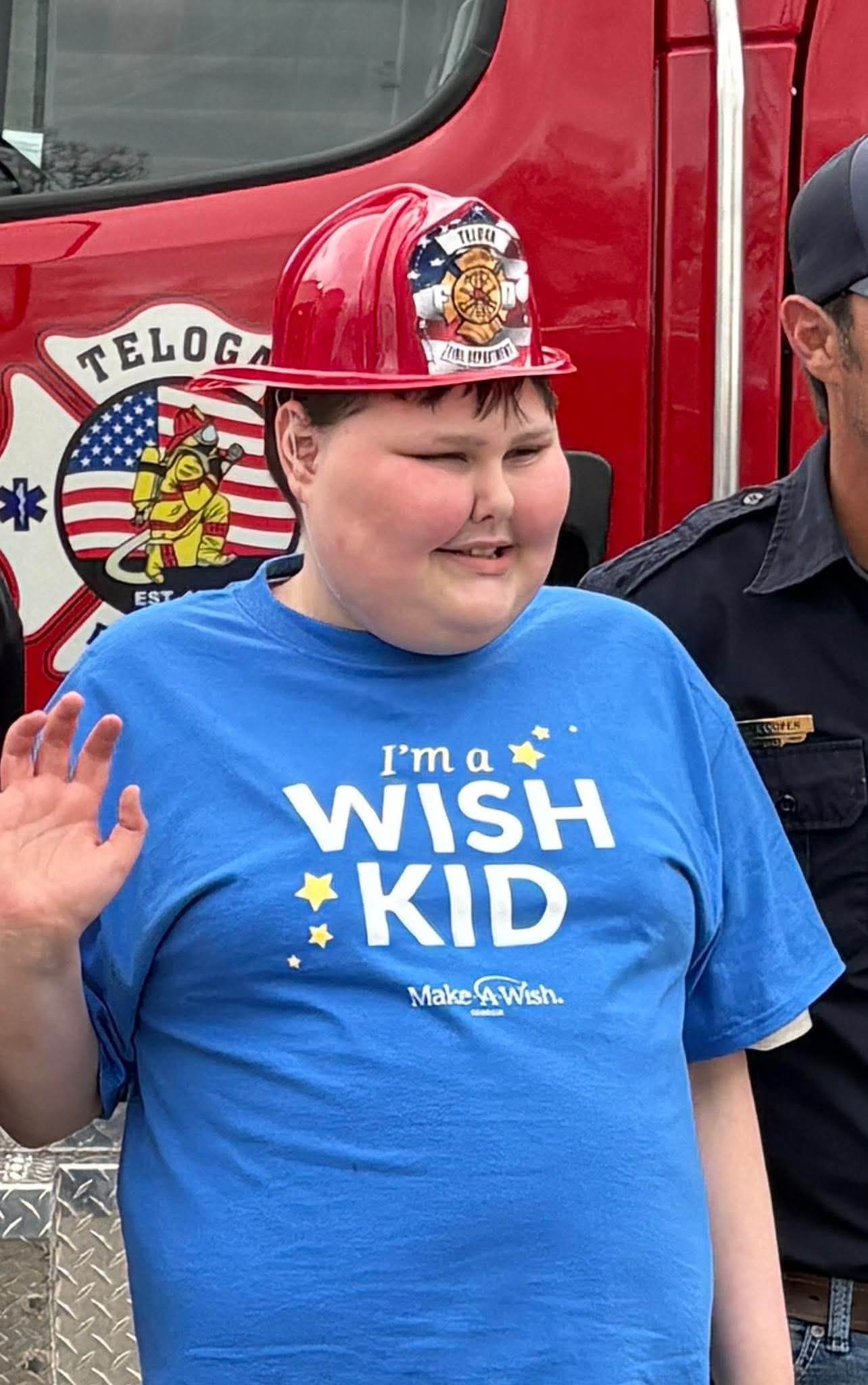
Jude is now in remission, a word that carries both relief and complexity. For many families facing cancer, remission is not just a medical milestone. It is a moment filled with cautious hope, gratitude, and the awareness that the journey is not entirely over.
In Jude’s case, remission adds another layer to his story. It shows that his act of kindness was not a farewell gesture or a response to despair. It was a choice made in the midst of uncertainty, and now it stands as part of a continuing life.
That matters because it shifts the narrative from one of tragedy to one of resilience. Jude is not only a patient. He is a young person who has already made an impact on his community in a way that many adults never do.
And he continues to carry a message that extends beyond his own experience.
The message he wants others to remember
When asked about his wish, Jude did not frame it as something unique or unreachable. Instead, he emphasized something much simpler. He said that helping others does not have to come from a wish. Anyone can do it.
That statement may be the most powerful part of his story. It removes the idea that generosity requires special circumstances. It brings it back to everyday choices. Small actions. Moments where someone decides to care.
In a way, that message completes the story. Jude was given a rare opportunity through Make A Wish, but he used it to point toward something that is available to everyone. The ability to notice others. To respond. To help in whatever way is possible.
What this story reveals about compassion in difficult times
In the end, Jude Baker’s story is not only about illness or recovery. It is about what people choose to do when they are given a moment of agency in the middle of hardship. It is about how perspective can shift when someone has experienced pain and decides to respond with kindness instead of retreat.
His wish did not solve homelessness. It did not change the structure of healthcare. It did not alter the broader challenges his community faces. But it did something equally important. It reminded people that compassion is not limited by circumstance.
And perhaps that is why this story continues to resonate. Because in a world that often feels defined by large, complex problems, it offers a simple but powerful idea. That even in the hardest moments, there is still room to make someone else’s day a little better.
Jude’s journey shows that strength is not only found in enduring hardship. Sometimes, it is found in what you choose to give while you are still going through it.