
Table of Contents
- When a political appointment became a story about grief, legacy, and power
- What the Air Force Academy Board of Visitors actually does
- Why Erika Kirk’s appointment drew immediate attention
- Charlie Kirk’s death changed the trajectory of conservative politics
- Erika Kirk has already become a bigger public figure since his death
- The White House clearly wanted to frame this as legacy, not coincidence
- The Academy itself kept its distance from the politics
- The appointment also shows how Trump still rewards loyalty networks
- A story about one appointment that points to something bigger
When a political appointment became a story about grief, legacy, and power
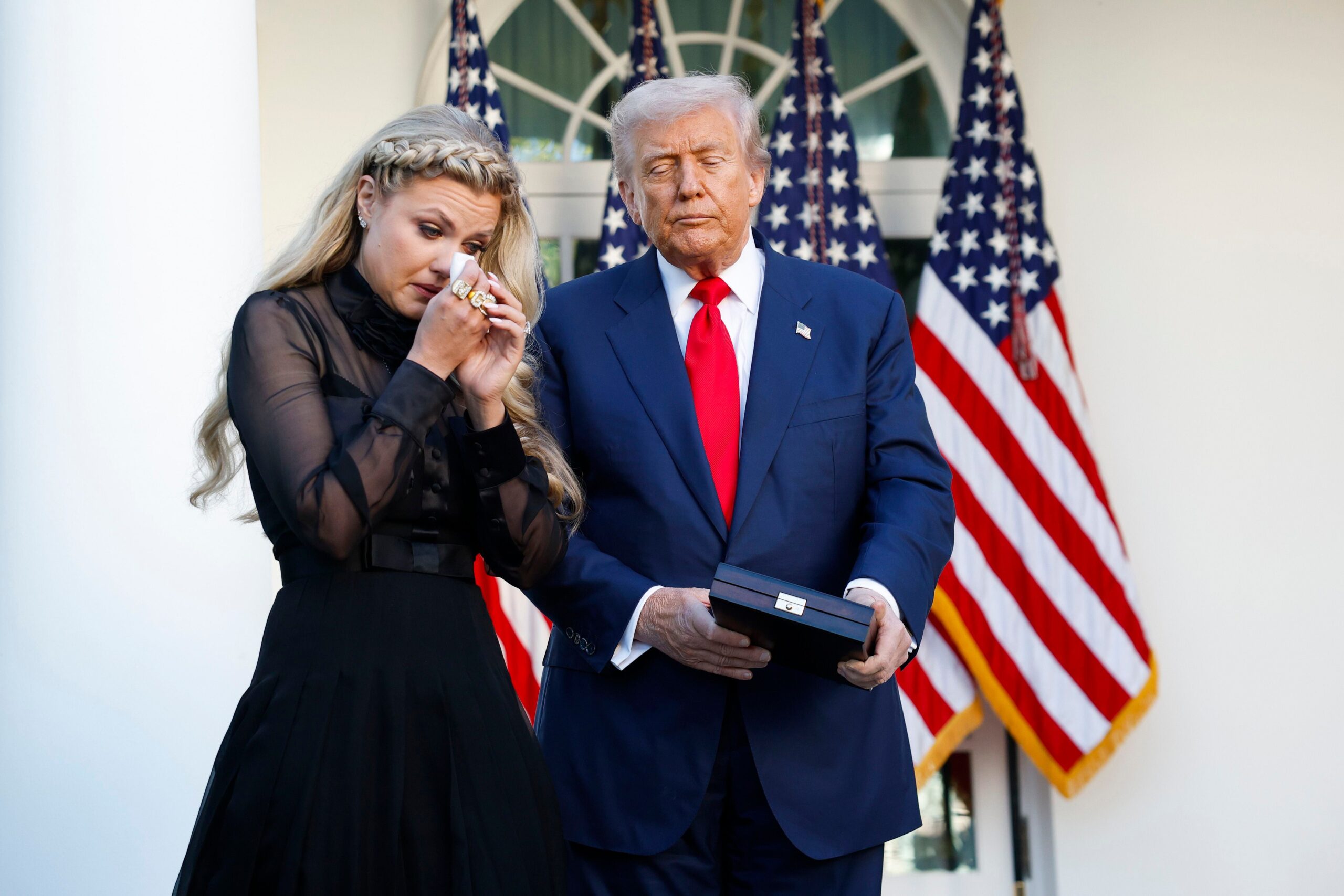
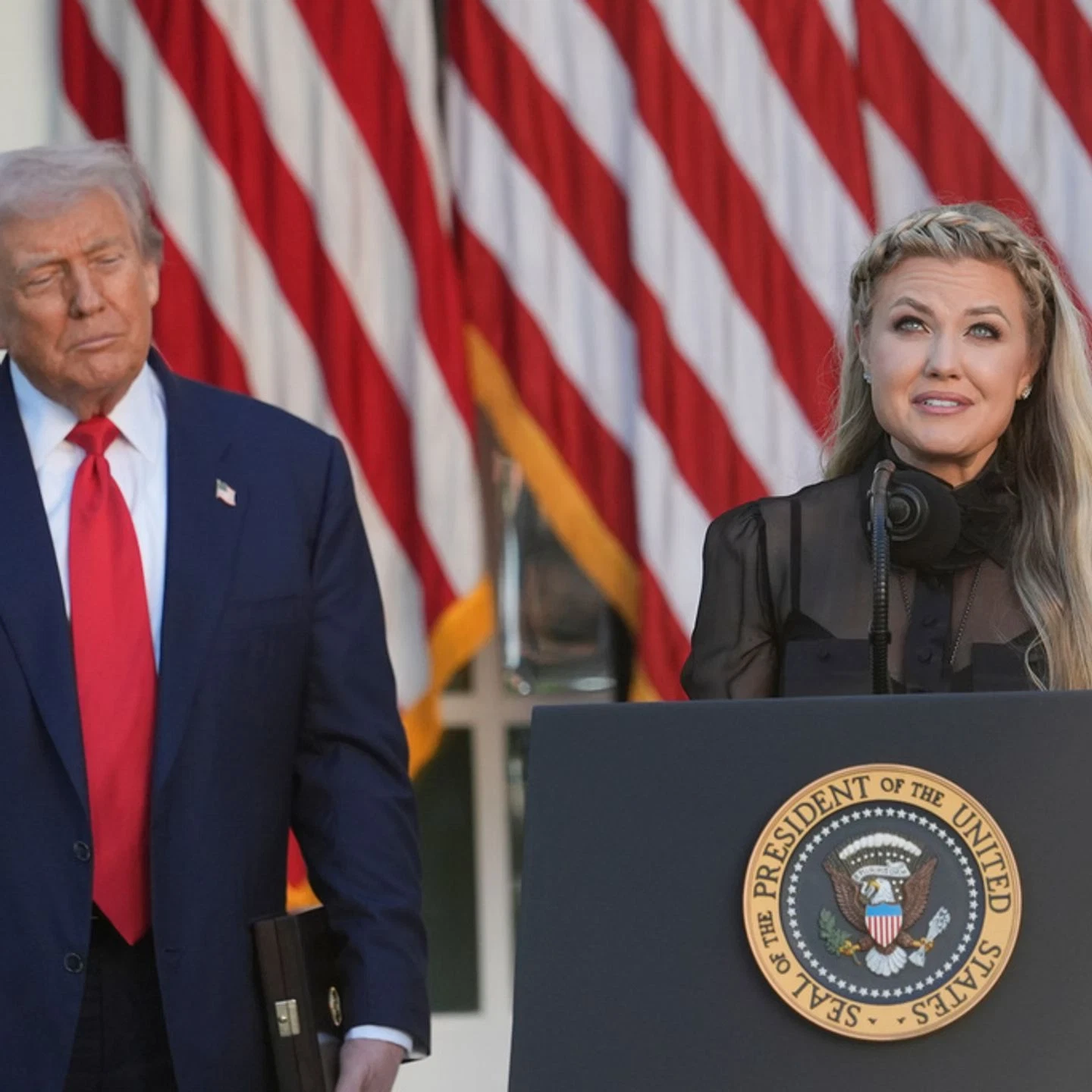
When reports emerged that President Donald Trump had appointed Erika Kirk to the United States Air Force Academy Board of Visitors, the news was about far more than a routine board assignment. On paper, the move was straightforward: a presidential appointment to an oversight body connected to one of the country’s most prestigious military institutions. In reality, it carried much heavier symbolism. Erika Kirk was not stepping into just any public role. She was taking the same position previously held by her late husband, Charlie Kirk, whose death in September 2025 shocked conservative politics and left a vacuum inside the movement he helped build.
That is why the appointment immediately drew attention. It linked the White House, the military academy system, the memory of a slain conservative activist, and the question of who gets to inherit both institutional roles and political legacies after tragedy. It also confirmed that Charlie Kirk’s influence did not end with his death. In a very visible sense, it had now been transferred, at least partly, to his widow, who has already taken on a more prominent leadership role since his killing.
For supporters, the move looked like a tribute and a continuation. For critics, it raised more familiar questions about political loyalty, symbolism, and the expanding overlap between activism and official advisory roles in the Trump era. Either way, the appointment landed as something much larger than a line item on a board roster.
What the Air Force Academy Board of Visitors actually does
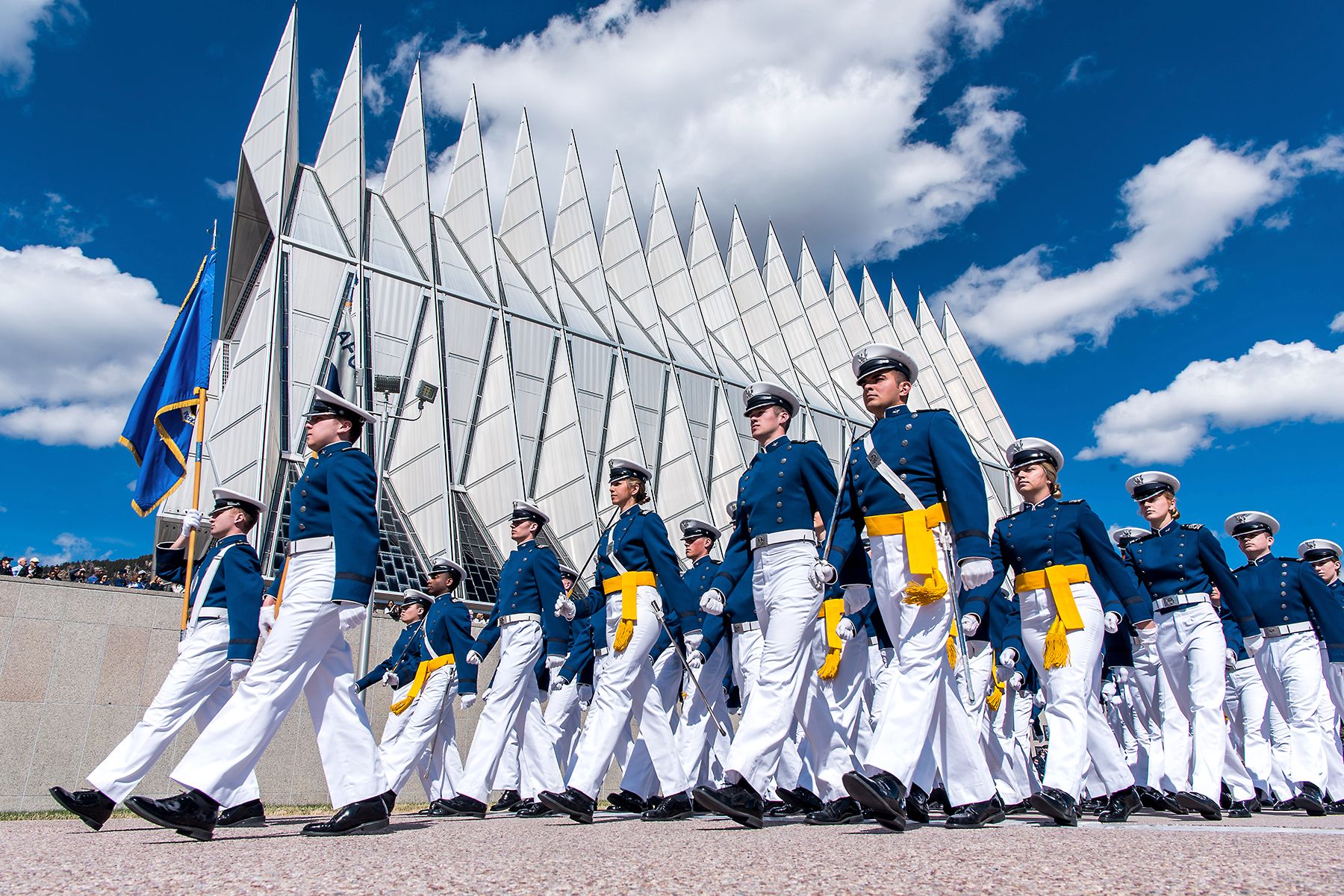
To understand why this appointment matters, it helps to understand the board itself. The United States Air Force Academy Board of Visitors is not a ceremonial fan club or honorary title mill. According to the Academy’s official page, the board is established under federal law and is tasked with inquiring into the morale, discipline, curriculum, instruction, physical equipment, fiscal affairs, academic methods, and other matters relating to the Academy that the board chooses to consider.
That means members sit close to questions of institutional culture, educational direction, military training standards, and the broader environment in which cadets are being shaped into officers. It is an advisory role, but not an insignificant one. The board also provides reports and recommendations to national leadership, including the president and the defense establishment, meaning it can help influence how concerns inside the Academy are framed and escalated.
In practical terms, this is a role tied to one of the most sensitive parts of American public life: the pipeline that produces future members of the U.S. Air Force officer corps. That is why appointments to these boards often attract more interest than they might seem to deserve at first glance. They sit at the intersection of education, military culture, public policy, and ideology.
Why Erika Kirk’s appointment drew immediate attention
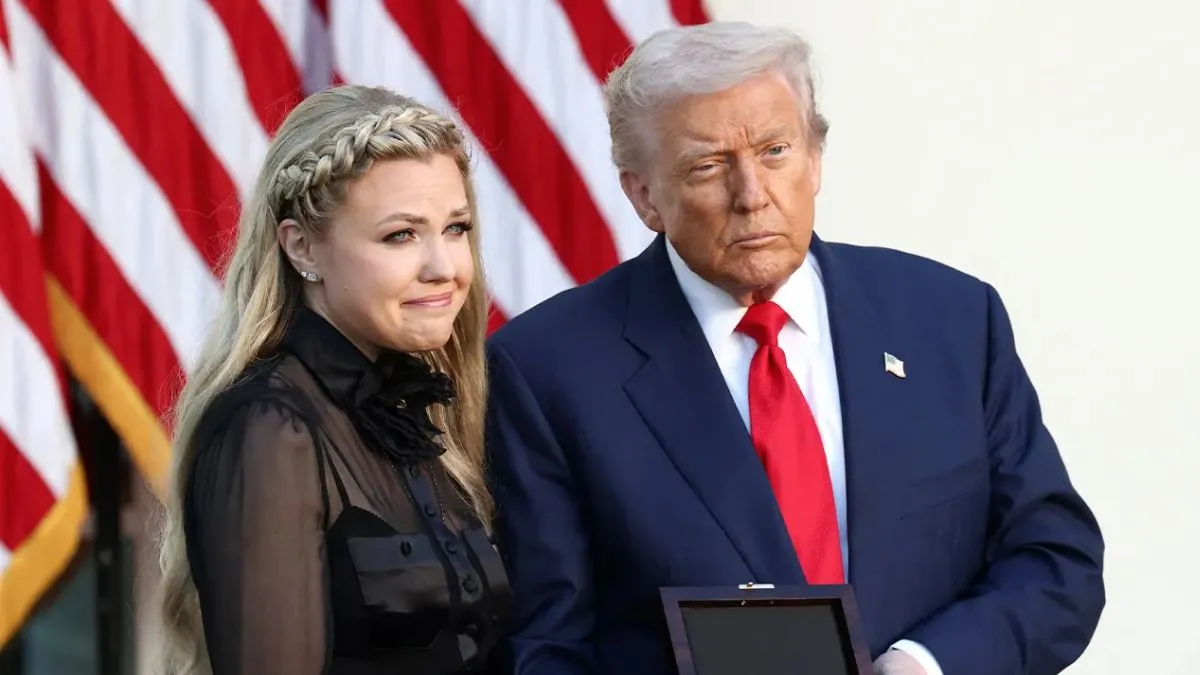
Erika Kirk’s appointment was not just noteworthy because of who she is now. It was noteworthy because of who held the seat before her. People reported that Charlie Kirk had previously served on the same board after being appointed by Trump, and the White House confirmed that history while praising Erika’s selection. Board chair August Pfluger also publicly said he had encouraged the appointment and described Erika as the right person to fill Charlie’s place and continue his work.
That language was revealing. This was not framed as a random personnel choice. It was framed explicitly as succession. The public message from Trump allies and board leadership was that Erika Kirk was stepping into a place her husband had occupied and that she would, in some sense, carry forward his mission there. This makes the appointment different from a standard political reward or ideological placement. It was openly presented as continuity after loss.
The emotional power of that continuity is part of why the story spread. In American politics, widows and family members have often been called upon to preserve the memory or unfinished work of public figures who died unexpectedly. Sometimes that happens through elected office. Sometimes it happens through foundations, movements, or public advocacy. In this case, it happened through a military academy board appointment, but the deeper logic was familiar. A legacy was being transferred, and the White House wanted the symbolism to be visible.
Charlie Kirk’s death changed the trajectory of conservative politics
The appointment cannot be separated from the event that made it possible: Charlie Kirk’s death. Search results from Reuters-linked and mainstream reporting confirm that Charlie Kirk was fatally shot on September 10, 2025, while speaking at Utah Valley University. The killing triggered intense political fallout, wide public grief on the right, and a flood of misinformation and conspiracy theories in its aftermath.
Charlie Kirk was not just another pundit. He was the founder and public face of Turning Point USA, one of the most influential conservative youth organizations in the country. Through campus tours, viral debate clips, donor networks, and close ties to Trump-aligned politics, he helped shape a generation of right-wing activism focused on college campuses and digital media. His assassination therefore felt, to many supporters, not only like a personal tragedy but like an attack on a larger movement and identity.
That helps explain why his widow’s subsequent appointments and leadership moves have drawn so much attention. They are being interpreted not just as personal developments, but as signs of how the infrastructure Charlie Kirk built will now be stewarded, defended, and politically directed.
Erika Kirk has already become a bigger public figure since his death
The Air Force Academy appointment is only one part of Erika Kirk’s expanding role. People and Yahoo’s report both note that after Charlie Kirk’s death, Erika became CEO of Turning Point USA. That made her more than the widow of a political figure. It made her the leader of the organization he co-founded and built into a major force in conservative politics.
That transition matters because leadership succession in personality-driven political movements is often messy. Many such groups depend heavily on a founder’s charisma, network, and instinct. When that founder dies unexpectedly, organizations can fracture, drift, or become vulnerable to infighting. Erika Kirk’s rise to the CEO role signaled an attempt to preserve continuity and prevent a vacuum. Her appointment to the Air Force Academy board reinforces that same pattern. She is not being treated as a peripheral survivor of a public tragedy. She is being treated as a political heir.
That does not mean the transition is simple or uncontested. But it does mean the institutional response from the Trump world has been consistent. Erika Kirk is being elevated into formal roles that once surrounded or included Charlie Kirk, and those moves appear designed to preserve his symbolic and political presence in the public arena.
The White House clearly wanted to frame this as legacy, not coincidence
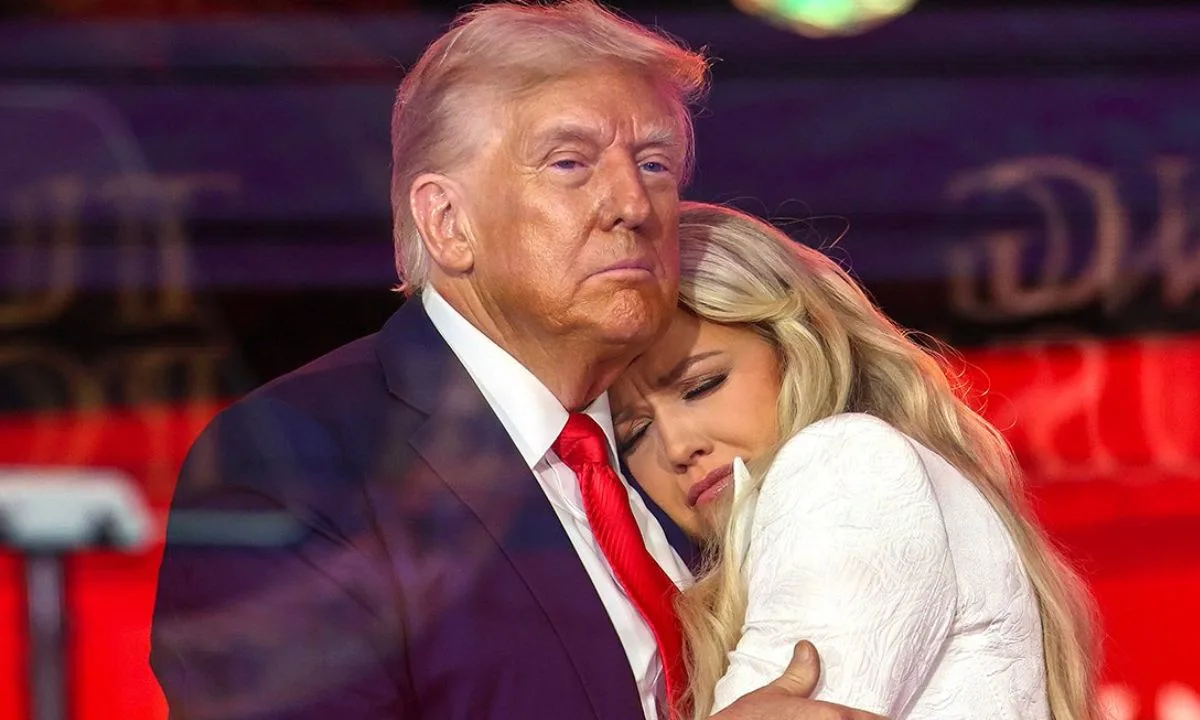
The official messaging around the appointment made that clear. According to People’s reporting, White House spokesperson Olivia Wales said Trump had made the “perfect choice” and described Charlie Kirk as someone who served proudly on the board and inspired not only the next generation of service members but millions with his faith, patriotism, and defense of truth. She added that Erika Kirk would continue his legacy and be a fearless advocate for the “most elite airpower force” in the world.
This was not technocratic language. It was movement language. It connected military service, personal faith, political conviction, and family continuity into one narrative. The appointment was meant to feel morally charged and emotionally resonant, not merely administrative. That style of rhetoric is significant because it reflects how Trump-aligned politics often frames institutional appointments. Roles are rarely described as neutral functions. They are cast as battlegrounds in a larger struggle over patriotism, values, and national identity.
In that context, appointing Erika Kirk becomes more than honoring Charlie Kirk’s memory. It becomes a statement about who gets to represent conservative patriotism inside elite institutions and who gets trusted to speak into the military education pipeline.
The Academy itself kept its distance from the politics
One notable part of the reporting is that the Air Force Academy did not attempt to claim ownership of the decision. USA Today, as quoted in the People article, reported that the Academy said it does not influence or take a position on the selection of individual Board of Visitors members and that appointments are made independently by the president and congressional leaders under federal law.
That response is important because it shows the institution trying to preserve neutrality amid a politically charged appointment. Military academies operate in a difficult space. They are federal institutions, which means politics inevitably touches them. But they also depend on public confidence that their professional mission is not simply a partisan extension of whichever administration is in power.
By distancing itself from the selection process, the Academy was effectively saying that whatever political symbolism surrounds Erika Kirk’s appointment, the institution itself is not endorsing one figure over another. That is a standard and prudent position. It also reflects how sensitive board appointments can become when they involve nationally known activists and highly polarized public figures.
The appointment also shows how Trump still rewards loyalty networks
There is another political layer here that cannot be ignored. Trump has long used appointments, endorsements, and public praise to reinforce loyalty networks. Charlie Kirk was one of the most visible and energetic pro-Trump activists of his generation. He helped mobilize young conservatives, defend Trump online and on campuses, and amplify Trumpist rhetoric across the conservative movement. His relationship with Trump was not incidental. It was part of a larger alliance between the White House and the infrastructure of right-wing youth activism.
Appointing Erika Kirk to a role once held by Charlie fits that pattern. It preserves ties between the administration and the Kirk political orbit while also sending a message to allies that loyalty and service to the movement are remembered. In Trump-world politics, symbolism matters enormously. So does public gratitude. This appointment functions as both.
At the same time, it illustrates how political power often travels through family channels after tragedy. The name remains influential, the network remains intact, and institutional recognition helps stabilize both.
A story about one appointment that points to something bigger
In the end, Erika Kirk’s appointment to the U.S. Air Force Academy Board of Visitors is about more than one board seat. It is about how political movements preserve themselves after trauma. It is about how public grief becomes institutional continuity. And it is about how the Trump administration continues to blur the line between personal loyalty, ideological activism, and official public roles.
For supporters, the move is easy to understand. Charlie Kirk served on the board. He was killed. His widow now leads the organization he built and has been chosen to continue one part of his public work. That reads as tribute, duty, and continuity. For critics, the appointment may look more like another example of activist politics flowing directly into federal advisory positions with little effort to pretend otherwise.
Both readings can exist at once. But what is clear is that this was never going to be seen as a routine appointment. Too much grief, symbolism, and political meaning surrounds the people involved. Erika Kirk is now stepping into a role that asks questions about morale, discipline, and leadership at one of the country’s top military academies. Yet the appointment itself is also asking another question, one that goes beyond the Academy: in American politics today, who gets to carry a fallen figure’s legacy, and how quickly does private loss become public power?