
Table of Contents
- A Snow Season That Ended Before It Began
- The Heat Wave That Changed Everything
- Colorado Rockies See Early Peak and Rapid Decline
- California’s Snowpack Drops to Critical Levels
- The Colorado River Basin Faces Intensifying Pressure
- Water Supply Risks for Cities and Agriculture
- Wildfire Risk Grows as Conditions Dry Out
- Climate Change Alters Seasonal Patterns
- Heat Waves Become More Likely and More Severe
- A Future Defined by Water Uncertainty
A Snow Season That Ended Before It Began
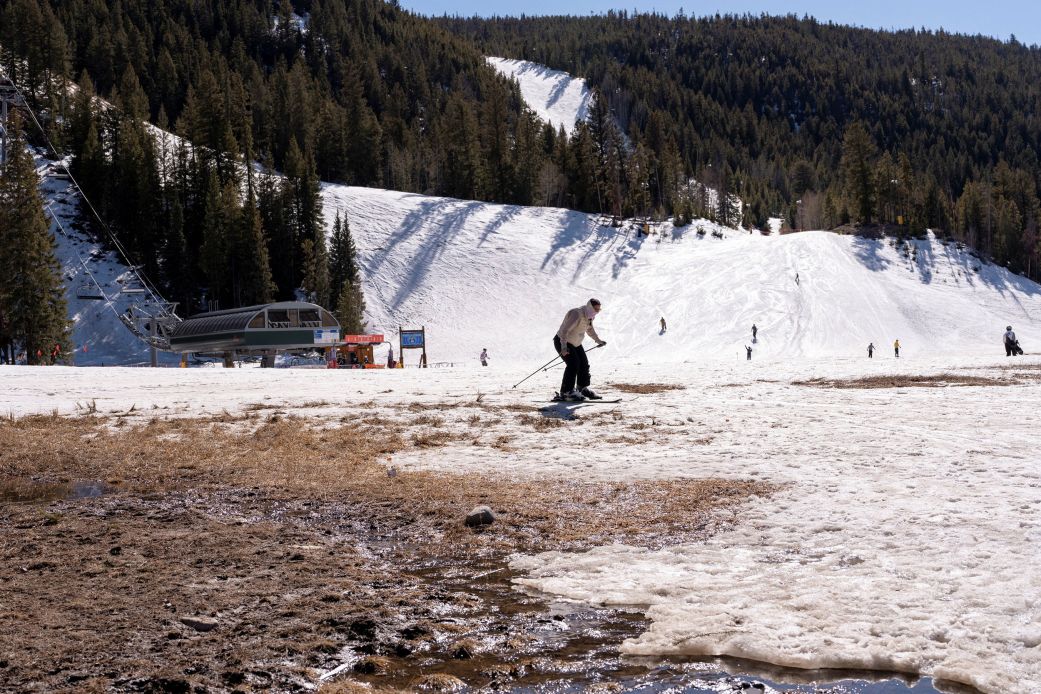
Snowpack in the western United States typically builds throughout winter and reaches its maximum depth between late March and early April. This natural accumulation acts as a frozen reservoir, slowly releasing water into rivers and reservoirs as temperatures rise. This year, however, that cycle has been disrupted in unprecedented ways. Instead of continuing to build, the snowpack began to shrink weeks earlier than expected, leaving vast areas far below average levels.
What makes this situation particularly alarming is that the snowpack was already weak before the sudden warming began. A combination of dry conditions and warmer-than-normal winter temperatures meant that many regions entered March with a deficit. When the heat arrived, it did not simply accelerate melting. It effectively erased what little snow had accumulated, pushing the system into record low territory.
The Heat Wave That Changed Everything
The turning point came with an intense and prolonged heat wave that swept across the region. Temperatures climbed as much as 30 degrees above normal in some areas, setting records that would typically be associated with peak summer rather than early spring. This surge of warmth created conditions that made it nearly impossible for snow to persist.
Unlike gradual seasonal warming, this event was abrupt and sustained. Over the course of days, snow that would normally linger for weeks disappeared rapidly. The effect was especially pronounced in mountainous areas such as the Colorado Rockies, where snowpack levels plummeted in a matter of days. Scientists have described this type of event as highly unusual for this time of year, emphasizing that such extremes are becoming more likely as global temperatures rise.
Colorado Rockies See Early Peak and Rapid Decline
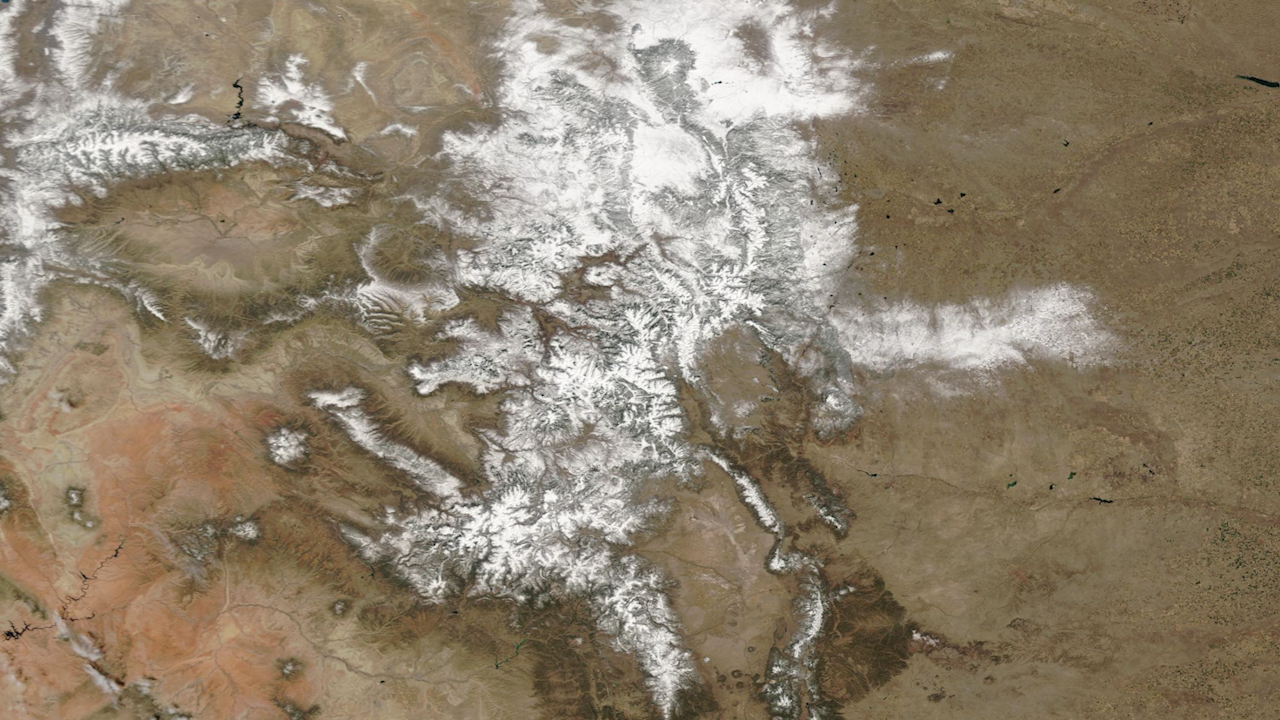
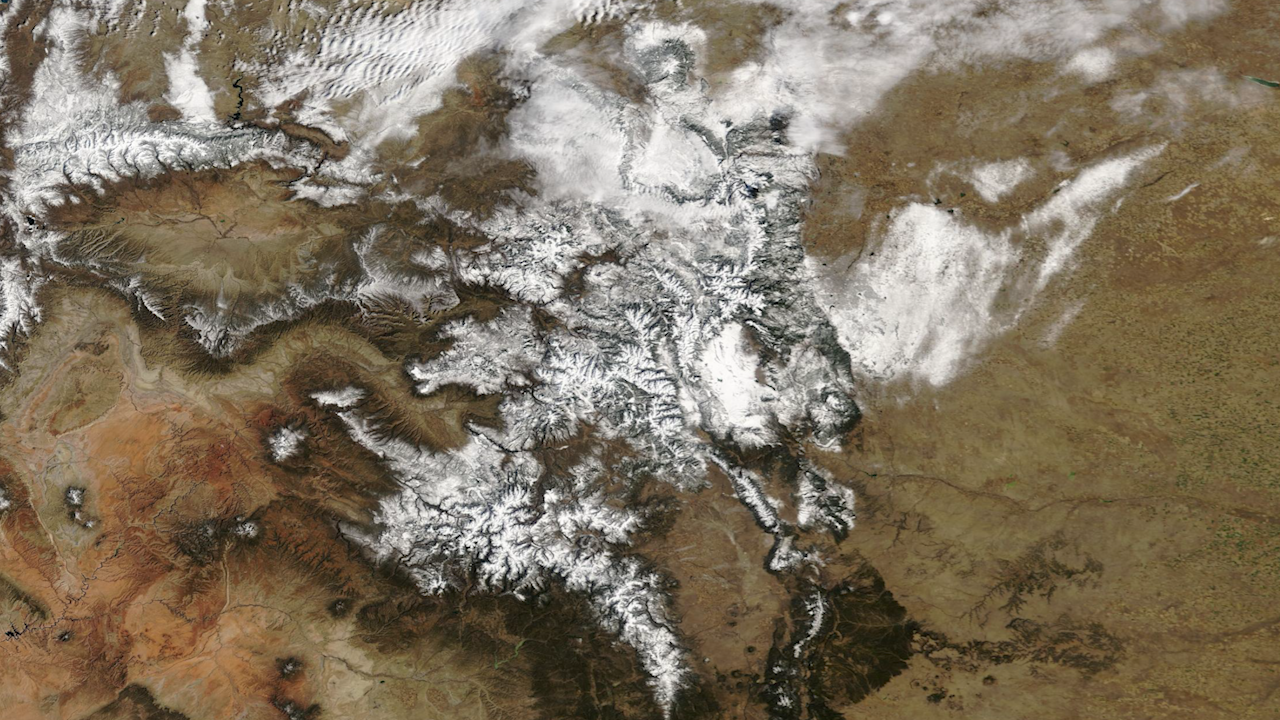
In a typical year, the Colorado Rockies reach their peak snowpack in early April. This year, that peak likely occurred in early March, nearly a full month ahead of schedule. This shift has major implications for water systems that depend on a steady release of meltwater throughout spring and summer.
When snow melts too early, rivers may see a brief surge of water followed by extended periods of low flow. This disrupts not only water supply for cities and agriculture but also the ecological balance of river systems. Fish habitats, plant growth cycles, and reservoir management all depend on predictable timing. The earlier peak effectively compresses the water supply into a shorter window, leaving less available during the hottest and driest parts of the year.
California’s Snowpack Drops to Critical Levels
The situation in California mirrors what is happening in the Rockies, with snowpack levels dropping sharply over a short period. Measurements of snow water equivalent, which indicate how much water the snow contains, have fallen dramatically. In some areas, levels have dropped to just a fraction of what is considered normal for this time of year.
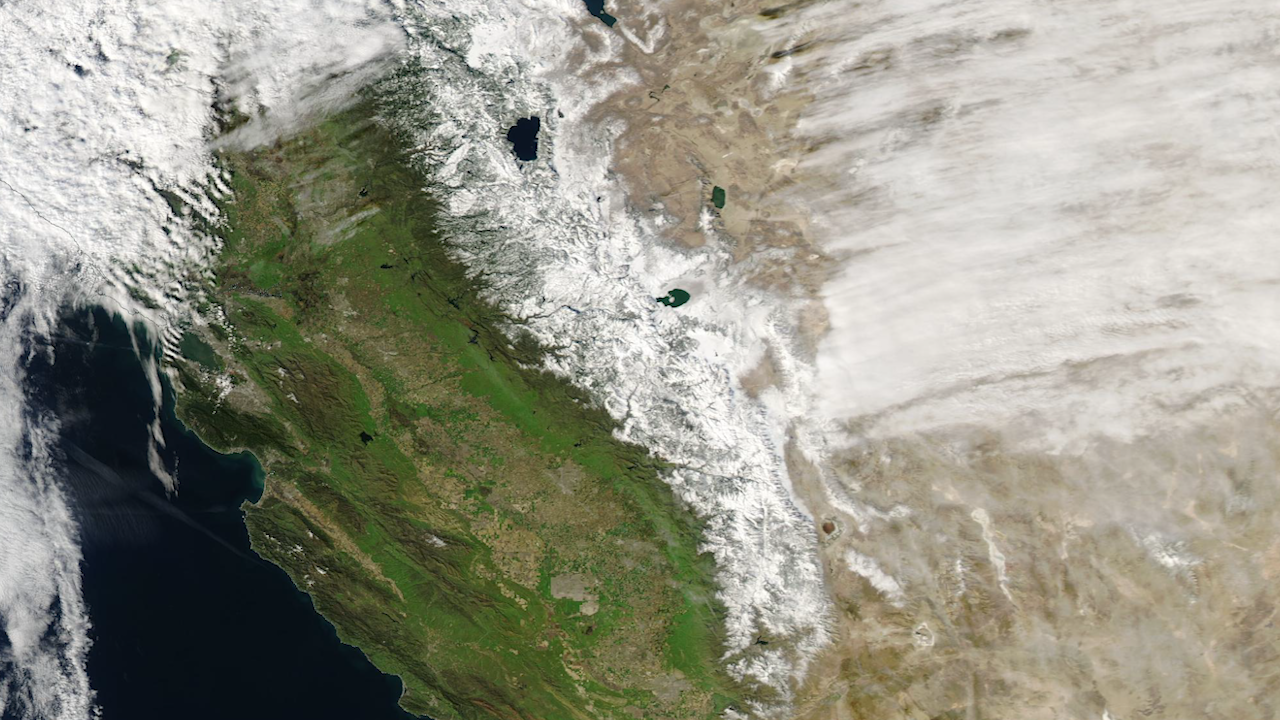
The Sierra Nevada, a critical source of water for the state, has seen a significant decline in snow coverage. In early March, more than half of the region was covered in snow. By late March, that figure had dropped to roughly one fifth. This rapid loss underscores how vulnerable the system is to sudden changes in temperature, especially when underlying conditions are already dry.
The Colorado River Basin Faces Intensifying Pressure
Few regions are more sensitive to snowpack changes than the Colorado River Basin. This vast system supplies water to more than 35 million people across multiple states, as well as supporting agriculture, industry, and energy production. The river relies heavily on snowmelt from the Rockies to sustain its flow.
With snow water equivalent levels at record lows across both the Upper and Lower Basin, the outlook for the river is increasingly concerning. Reduced snowpack means less water entering the system, which can exacerbate existing shortages. Over the past several years, the basin has already faced severe drought conditions, leading to difficult negotiations over water allocation.
The current situation threatens to deepen those challenges. As summer approaches, the lack of sustained meltwater could lead to lower reservoir levels, increased competition for resources, and potential restrictions on usage.
Water Supply Risks for Cities and Agriculture
The implications of low snowpack extend far beyond mountain regions. Urban centers, farms, and power systems all depend on the steady flow of water generated by melting snow. When that supply is reduced or arrives too early, it creates a chain reaction of challenges.
Cities may face tighter water restrictions, particularly in areas already dealing with scarcity. Agricultural operations, which rely heavily on irrigation, could see reduced yields or increased costs as they compete for limited resources. Hydropower generation may also be affected, as lower water levels reduce the ability to produce electricity.
These impacts are not isolated. They ripple across economies and communities, affecting everything from food prices to energy stability. The early melt essentially shifts the entire water calendar, making it harder to manage supply throughout the year.
Wildfire Risk Grows as Conditions Dry Out
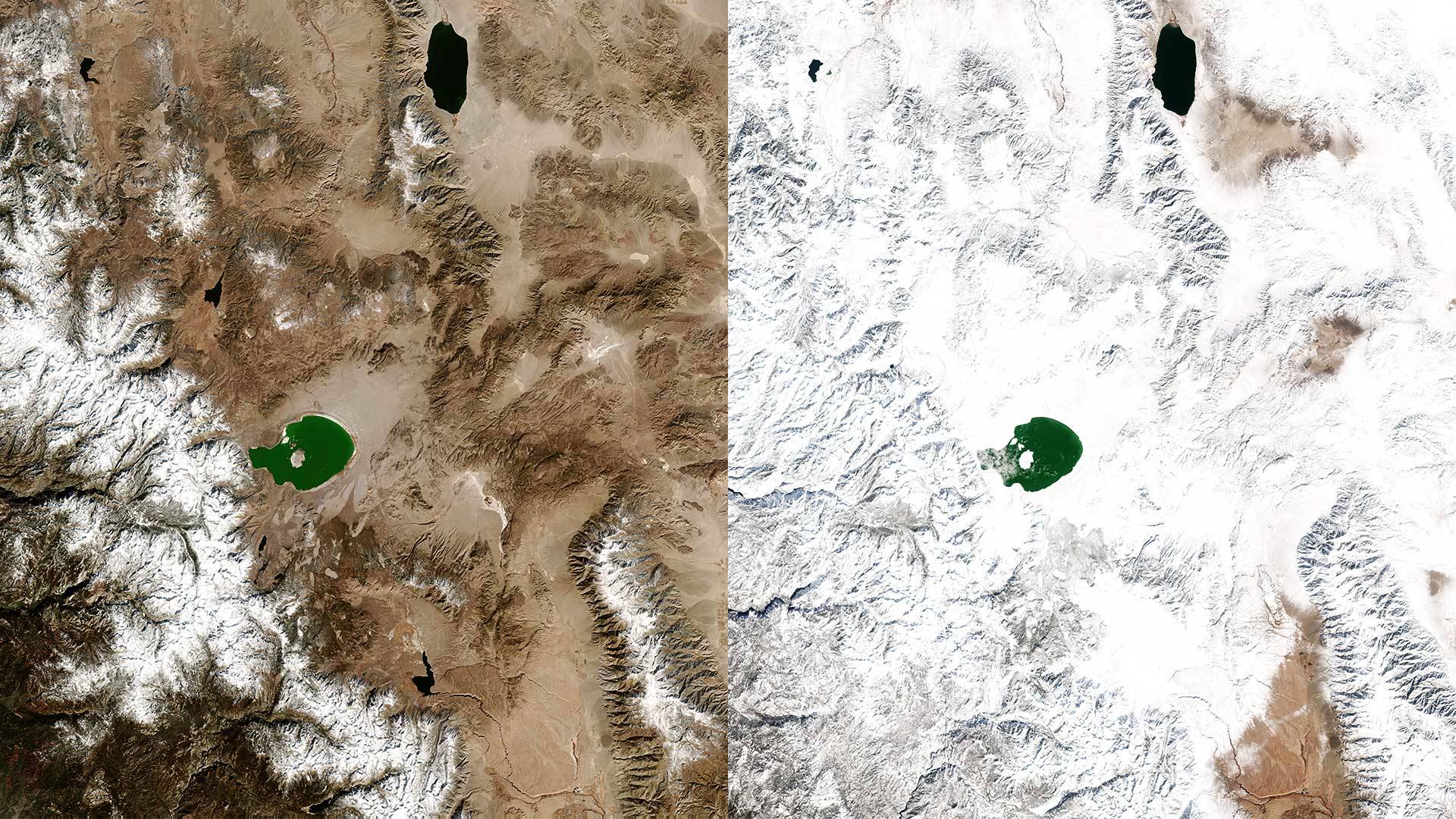
One of the most immediate concerns linked to reduced snowpack is the increased risk of wildfires. Snow acts as a natural barrier that keeps landscapes moist and delays the onset of fire season. When it disappears early, vegetation dries out sooner, creating ideal conditions for fires to ignite and spread.
This year’s rapid melt has effectively extended the potential wildfire season by several weeks. Combined with ongoing heat and dry conditions, this raises the likelihood of more frequent and intense fires. The consequences can be devastating, not only in terms of property damage but also air quality, ecosystem health, and public safety.
Firefighters and emergency planners are already taking note of these conditions, recognizing that an early start to the season could strain resources and increase the complexity of response efforts.
Climate Change Alters Seasonal Patterns
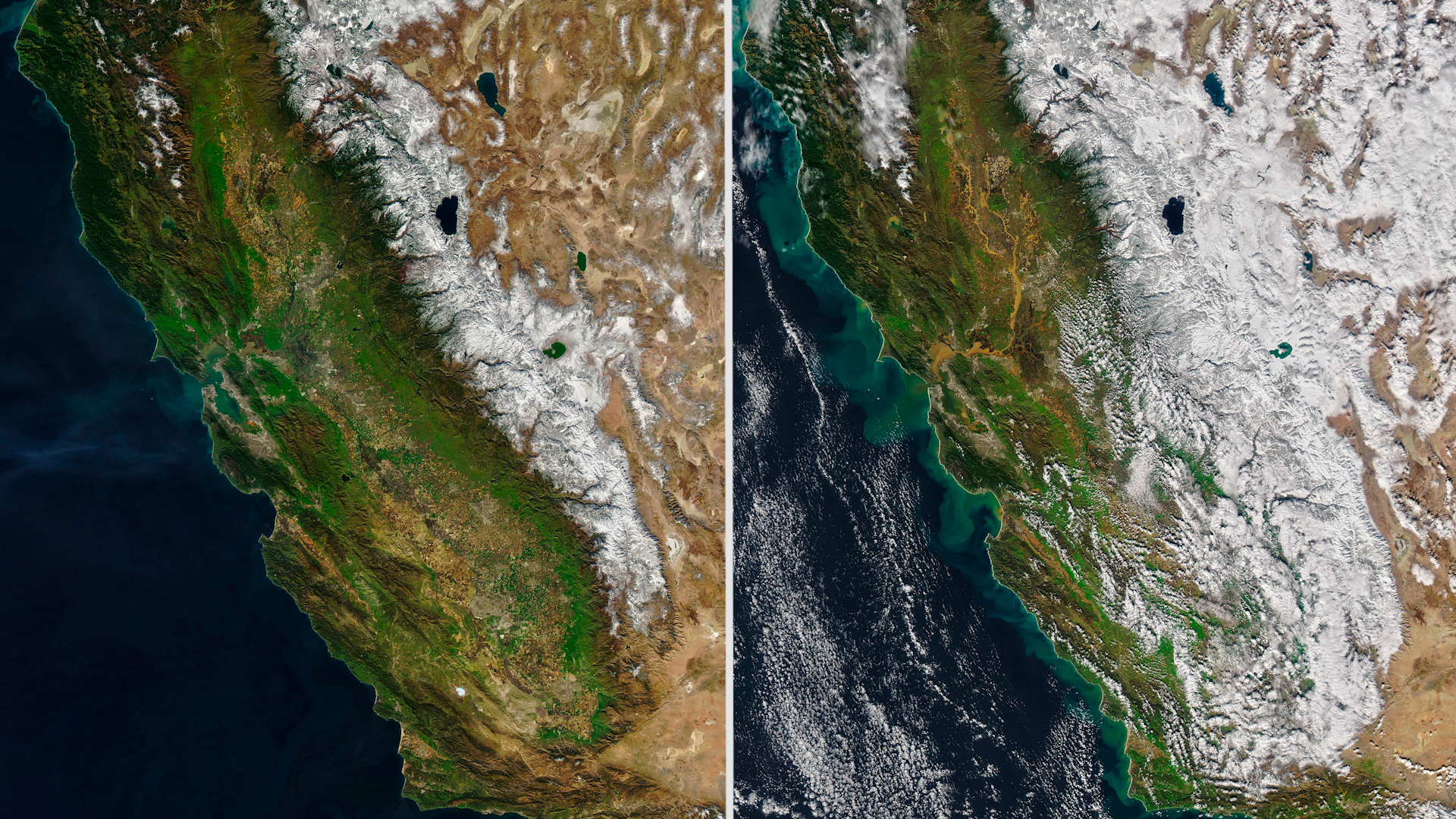
While individual weather events can vary, the broader trend points to a shifting climate that is altering long-established seasonal patterns. Winter is warming faster than other seasons in many parts of the United States, leading to less snowfall and earlier melting.
This shift affects not only the amount of snow that accumulates but also its timing. Even when snowfall occurs, it is more likely to melt quickly under warmer conditions. This reduces the effectiveness of snowpack as a long-term water storage system, fundamentally changing how water moves through the environment.
Scientists emphasize that these changes are not isolated incidents. They are part of a larger pattern driven by increasing global temperatures, which are making extreme events more frequent and more intense.
Heat Waves Become More Likely and More Severe
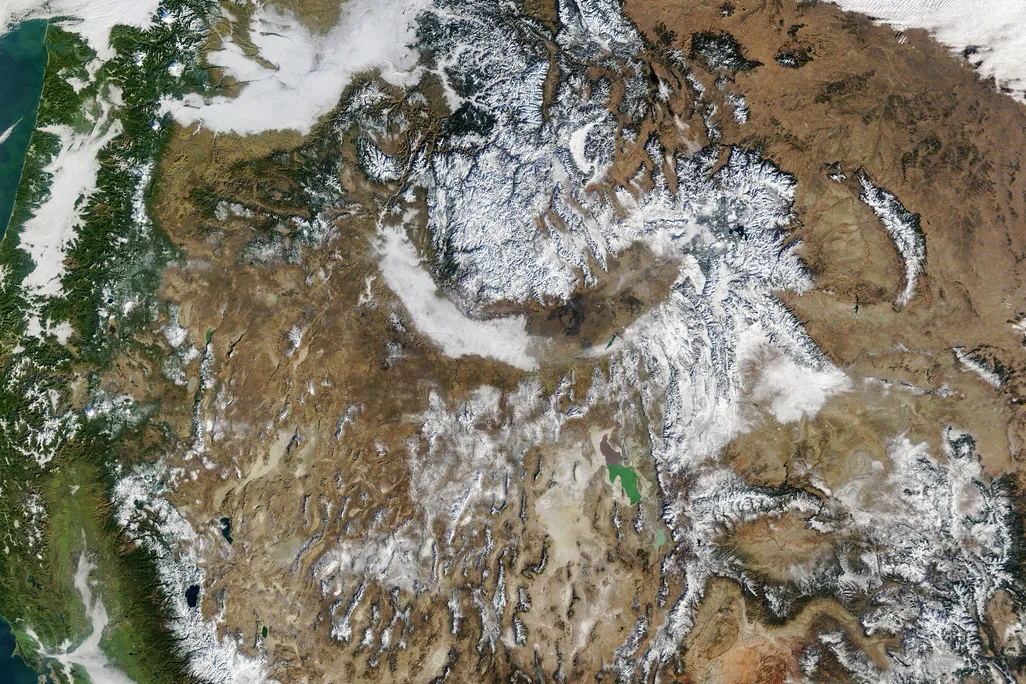
The recent heat wave that triggered the rapid snowmelt is part of a growing trend of extreme temperature events. Research has shown that such events are becoming more likely as greenhouse gas emissions continue to rise. What was once considered rare is now occurring with increasing frequency.
These heat waves have a compounding effect. They not only accelerate snowmelt but also dry out soils, reduce water retention, and increase evaporation. This combination amplifies the impact of already low snowpack, creating conditions that are more difficult to recover from even if cooler weather returns.
The persistence of warm temperatures also limits the potential for recovery. Even if new snowfall occurs, it may not be enough to offset the losses, especially if it melts quickly under continued warmth.
A Future Defined by Water Uncertainty
The current situation in the western United States offers a glimpse into a future where water availability becomes increasingly unpredictable. As snowpack declines and seasonal patterns shift, traditional methods of managing water resources may no longer be sufficient.
Communities and policymakers are being forced to adapt to these changes, exploring new strategies for conservation, storage, and distribution. At the same time, the need to address the underlying causes of climate change becomes more urgent.
What makes this moment particularly significant is not just the scale of the current melt, but what it represents. It is a signal that the systems many people depend on are changing in fundamental ways. The challenge now is to understand those changes and respond in ways that ensure resilience for the years ahead.
As the West moves toward summer, the absence of snow in its mountains serves as a stark reminder of how quickly conditions can shift. The coming months will reveal the full impact of this early melt, but the message is already clear. The balance between water supply, climate, and human activity is becoming more fragile, and the decisions made today will shape the region’s future for decades to come.