
Table of Contents
- The Viral Footage and Growing Concern
- The Environmental Impact of E-Cigarette Waste
- The Risks of Nicotine and Toxic Materials
- The Bigger Picture: Discarded Vapes as Litter
- Previous Incidents of Harm to Animals
- The Rise in Pet Poisonings
- London’s Efforts to Combat E-Cigarette Litter
- What Can Be Done to Protect Wildlife?
- Conclusion
The Viral Footage and Growing Concern
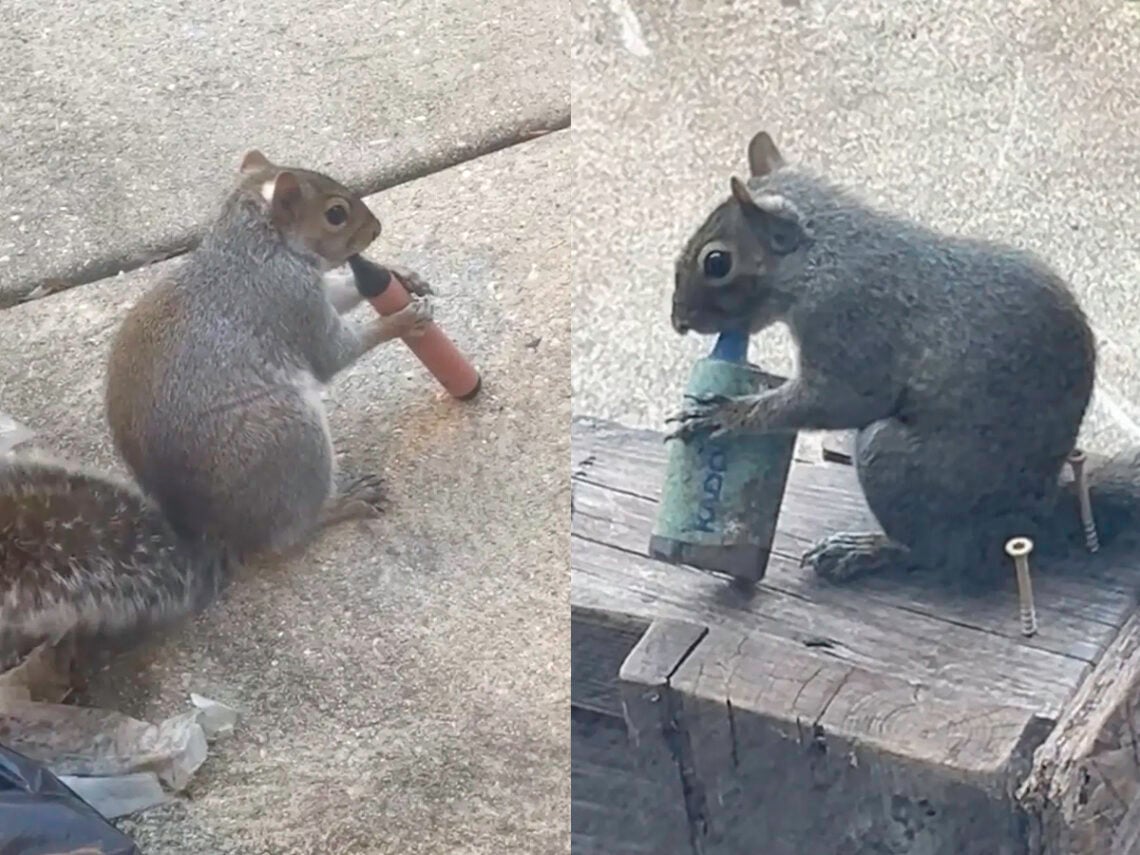
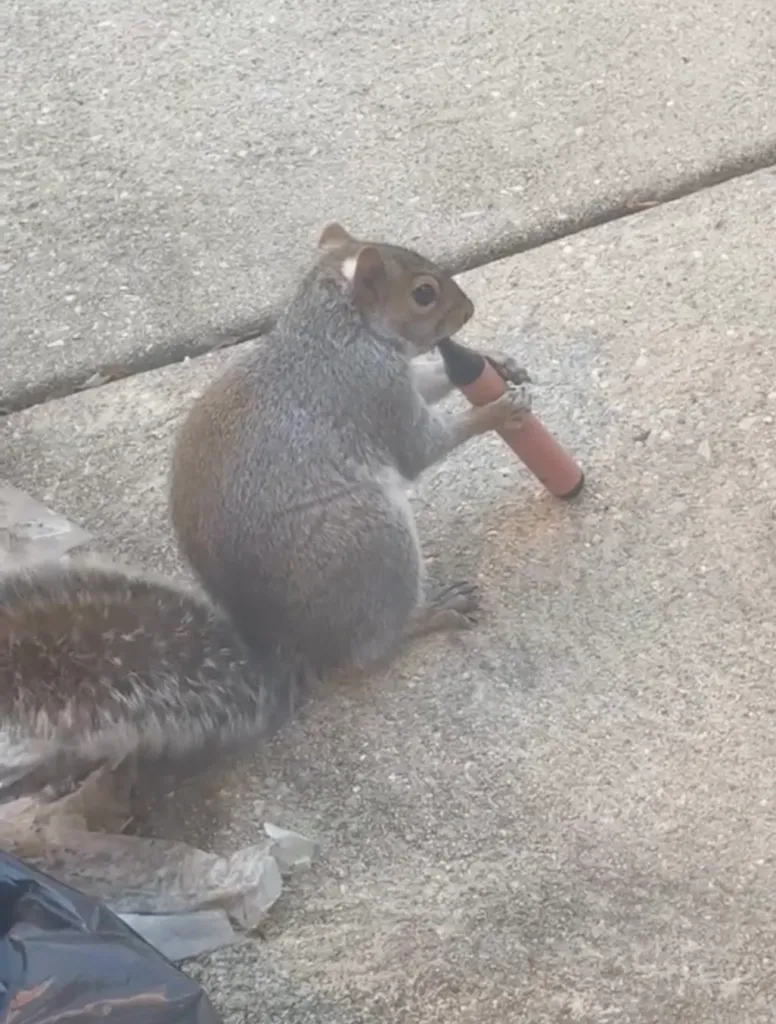
The footage, filmed in a park in Brixton, shows several squirrels attempting to extract the fruity aroma from various disposable vapes discarded by park visitors. In the clips, the animals curiously nibble on the devices, clearly drawn to the lingering scents of fruit-flavored nicotine. While the videos circulating on social media have amused many, wildlife experts are deeply concerned. The RSPCA (Royal Society for the Prevention of Cruelty to Animals) issued a warning, highlighting the grave consequences of littering, which can have long-lasting effects on both local wildlife and the broader environment.
While some viewers may find the sight of squirrels with vapes humorous, the consequences for the animals are anything but amusing. E-cigarettes contain hazardous materials like lithium, plastic, and nicotine, substances that are toxic to animals if ingested or even chewed on. This discovery underscores the urgent need to reconsider how vaping products are discarded and managed in public spaces.
The Environmental Impact of E-Cigarette Waste
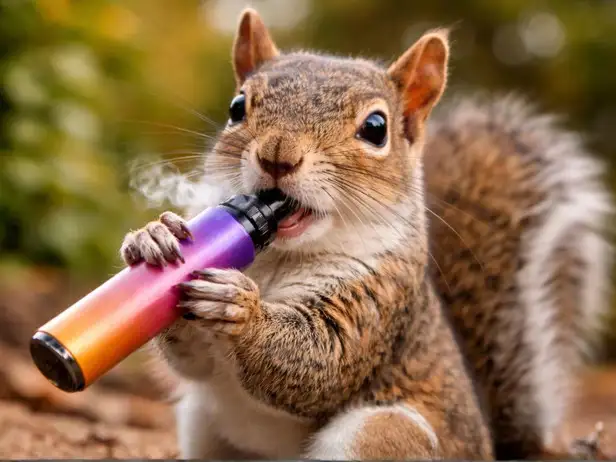
The RSPCA spokesperson addressed the broader issue in a statement: “The sight of this squirrel holding a disposable vape is a stark reminder of the danger discarded litter poses to our wildlife.” In the U.K., the environmental repercussions of disposable e-cigarette waste have been increasing at an alarming rate. Prior to a government ban on their sale, it was reported that five million single-use e-cigarettes were discarded weekly, a staggering amount of waste. Unfortunately, most of these devices end up as litter in public areas, rivers, and oceans, where they can cause irreversible harm to marine life and terrestrial animals alike.
The main concern is the presence of nicotine in these discarded vapes, which poses a deadly threat to animals that unknowingly come into contact with them. While the fruity scent attracts them, the long-term effects are potentially harmful and life-threatening. Additionally, the plastic and lithium in the devices take years to break down, adding to the overall environmental burden.
The Risks of Nicotine and Toxic Materials
Vapes contain more than just nicotine; they are made up of several components, including plastic, lithium, and various chemical liquids, all of which can be harmful to wildlife. The fruity aromas that attract squirrels and other animals are a serious health risk if consumed. Nicotine, in particular, is highly toxic to many species, leading to poisoning or even death if ingested in sufficient quantities.
Experts warn that the lingering scent of the fruit-flavored e-liquids could lead animals to mistake vapes for a food source, further increasing the likelihood of accidental poisoning. Even in cases where the animals do not ingest the device itself, the risk of exposure to these chemicals through licking or chewing can still cause serious harm. Given that nicotine remains potent in e-cigarettes long after they’ve been discarded, it becomes clear that the environmental danger posed by e-cigarette waste goes far beyond the immediate urban park setting.
The Bigger Picture: Discarded Vapes as Litter
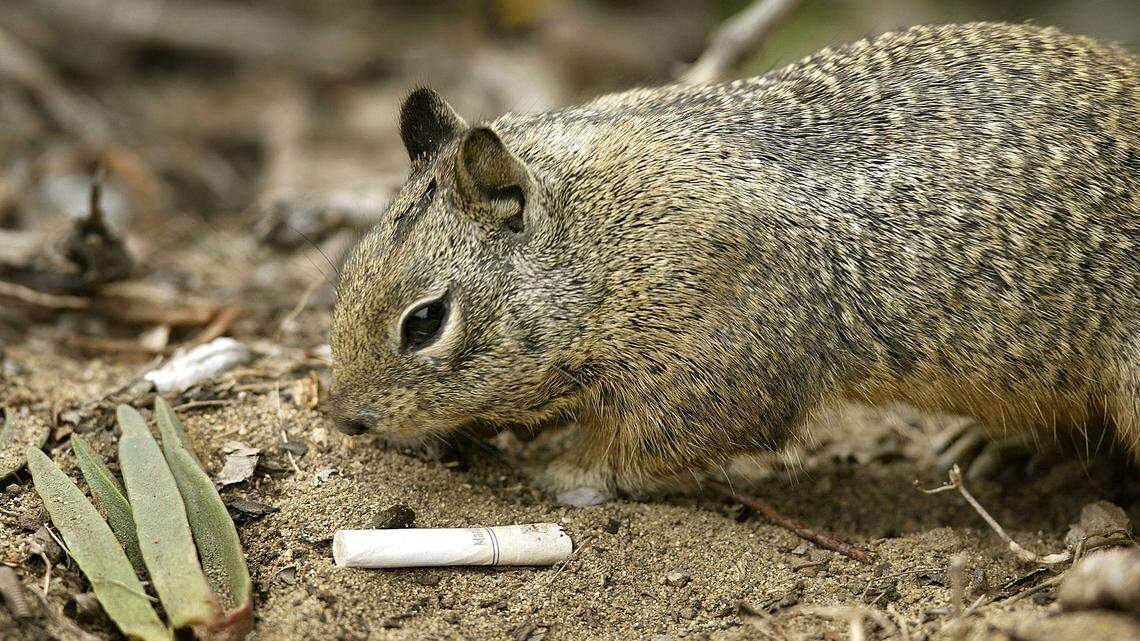
Vapes and vape-related products have become a significant source of litter in urban areas. As vaping becomes more widespread, the environmental damage from discarded devices grows. The single-use nature of many e-cigarettes makes them particularly problematic, as people dispose of them without considering the long-term consequences. In addition to posing risks to wildlife, these discarded products contribute to the overall litter problem in cities and nature reserves, further harming ecosystems.
The issue has caught the attention of environmentalists, who are calling for stricter regulations around the disposal of e-cigarette products. Not only are these devices harmful to animals, but they also add to the growing pollution problem in urban areas. The pervasive nature of vape litter calls for more comprehensive waste management strategies and awareness campaigns to prevent further environmental harm.
Previous Incidents of Harm to Animals
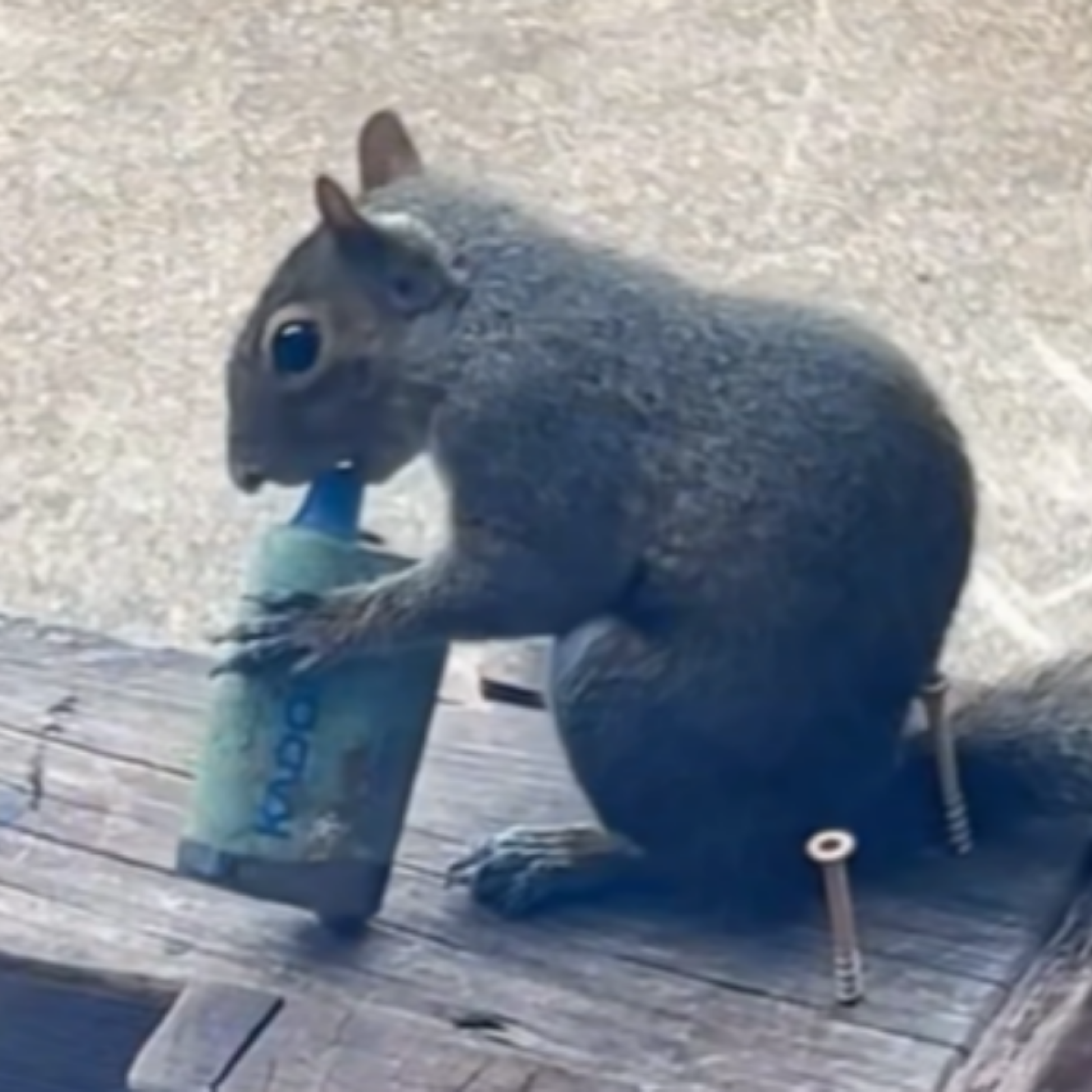
The issue of animals being harmed by vapes is not a new one. Earlier this year, a video on TikTok went viral, showing a squirrel climbing a fence with a vape in its mouth, which raised further concerns about the impact of vaping on wildlife. In addition, a recent case in New Zealand garnered attention when a bird died after ingesting a vape. Such incidents are becoming more frequent, with pets, particularly dogs and cats, also being harmed by ingesting or coming into contact with vape products and their liquid contents.
These incidents highlight the urgency of addressing the environmental and safety risks posed by e-cigarettes, particularly single-use vapes. The increasing number of animals affected by these products calls for a change in how we think about the environmental impact of vaping. The consequences for wildlife are not just hypothetical but are already being realized in urban and rural environments.
The Rise in Pet Poisonings
As e-cigarette use has grown, so too have reports of poisoning incidents involving pets. Many pet owners are unaware of the potential risks of vaping products, leaving them within reach of curious animals. Pets such as dogs and cats have been known to ingest the e-liquid or chew on discarded vapes, leading to serious poisoning. Nicotine poisoning in pets is a well-documented phenomenon, with symptoms including vomiting, lethargy, and in severe cases, seizures or death.
Veterinarians urge pet owners to be more cautious with vaping products, emphasizing that these products should never be discarded carelessly. The rise in pet poisonings due to vaping-related incidents is a stark reminder of how these products can affect not just the environment but also the health and safety of household pets. With more and more pets being exposed to vaping products, the need for proper disposal methods and heightened awareness has never been more urgent.
London’s Efforts to Combat E-Cigarette Litter
In 2025, London implemented a ban on the sale of single-use disposable vapes in an effort to tackle the rising issue of plastic waste and the environmental harm caused by e-cigarettes. This move was part of the city’s broader strategy to reduce plastic litter and limit the environmental impact of lithium battery waste. The ban, which went into effect on June 1, 2025, aims to curb rising youth vaping rates and reduce the amount of vaping-related waste entering landfills and the environment.
By restricting the sale of single-use vapes, the city hopes to encourage a shift toward more sustainable alternatives, such as reusable devices that can be properly disposed of at recycling centers. The ban has sparked debates about its effectiveness and the potential for unintended consequences, such as an increase in the use of other disposable products. Nevertheless, it represents a step in the right direction toward addressing the environmental challenges posed by vaping and ensuring that future generations can enjoy a cleaner, healthier planet.
What Can Be Done to Protect Wildlife?
To protect wildlife from the dangers posed by discarded e-cigarettes, experts suggest several practical steps. First, it is crucial for individuals to properly dispose of their vaping products and follow guidelines for recycling them when possible. Governments and environmental organizations must continue to raise awareness about the harmful effects of vaping on animals and the environment, urging people to take responsibility for their waste.
Additionally, stricter regulations should be implemented to prevent single-use vapes from flooding the market. Encouraging the use of refillable, environmentally friendly devices can help mitigate the environmental impact of disposable e-cigarettes. Urban parks and nature reserves should also be equipped with more waste disposal bins to prevent vaping products from being discarded in the open, where animals can come into contact with them.
Conclusion
The sight of squirrels nibbling on discarded vapes in Brixton serves as a wake-up call for the dangers of e-cigarette waste on wildlife. The impact of these products on animals, from squirrels to pets, underscores the urgent need for better waste management and stricter regulations around vaping products. As the environmental toll of e-cigarette litter becomes more apparent, it is clear that action must be taken to protect wildlife and the broader ecosystem. While the viral footage may have provided some amusement, the long-term consequences for animals and the environment are no laughing matter. Now is the time to address the growing problem of vaping-related waste and ensure a safer, cleaner world for future generations.