
Table of Contents
A Global Push for Action
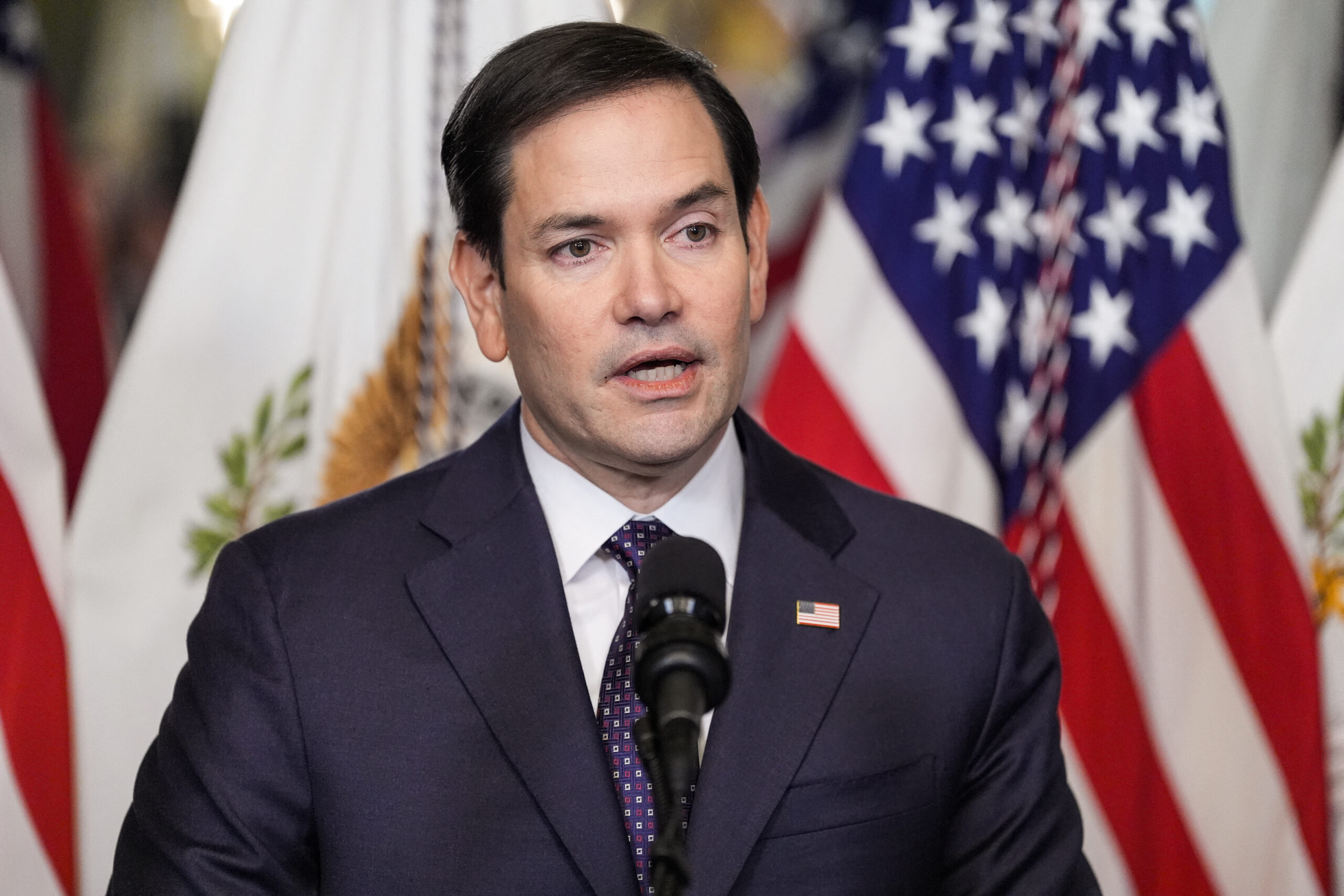
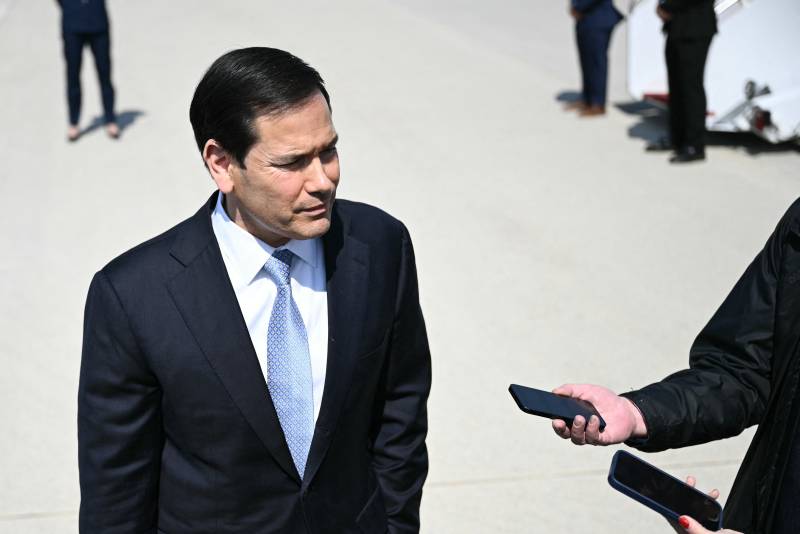
On March 16, 2026, U.S. diplomats were instructed to deliver an urgent message to their counterparts across the globe. The cable, signed by Secretary of State Marco Rubio, emphasized the importance of collective action against Iranian-backed terror groups, specifically targeting the IRGC and Hezbollah. These groups, both already designated as terrorist organizations by the U.S., have had a significant role in destabilizing the Middle East through their operations and support of extremist proxies. The U.S. seeks to rally international support for the designation of these groups as terrorist organizations, thereby amplifying sanctions and isolating them on the global stage.
The importance of this push lies not just in the diplomatic pressure but in its broader implications for global security. By officially labeling these groups as terrorists, the U.S. hopes to hinder Iran’s ability to further sponsor terror activities. The cable also urges that this coordinated effort be aligned with Israeli diplomatic channels, reflecting the long-standing collaboration between the U.S. and Israel in combating Iranian influence in the region.
The Geopolitical Context
The timing of Rubio’s directive is critical. Since the U.S. and Israel initiated a military air campaign against Iranian targets two weeks ago, several allied nations have shown reluctance to become involved. This lack of support highlights the fractured global stance on Iran’s actions and the complexity of international diplomacy. While some European nations have echoed U.S. concerns about Iranian interference in the region, they have refrained from taking concrete steps that align them with the aggressive tactics endorsed by the Trump administration.
This reluctance to act stems from a complex mix of political and economic concerns. Countries like Russia and China, who have strong ties with Iran, may resist supporting measures that would further isolate Tehran. Simultaneously, European nations continue to grapple with balancing their economic ties with Iran, particularly following the 2015 nuclear deal that offered economic incentives in exchange for Tehran’s commitment to limiting its nuclear activities.
A Growing Threat
The IRGC and Hezbollah’s role in the Middle East has been well-documented. Both groups operate with the support and guidance of the Iranian regime, often using asymmetric warfare to achieve their political and military objectives. The IRGC, a powerful military and political force within Iran, controls significant sectors of the economy and military infrastructure. Meanwhile, Hezbollah, based in Lebanon, has acted as a proxy force for Iranian interests, engaging in multiple conflicts across the region, from Syria to Yemen.
The U.S. has long considered both groups as serious threats to regional and international stability. While Hezbollah has maintained a foothold in Lebanon, its operations have extended beyond its borders, including active participation in the Syrian Civil War and influence over Iraqi militias. The IRGC, on the other hand, has been directly responsible for operations in Iraq, Syria, and Yemen, often through its Quds Force, which specializes in foreign operations. Both groups are not only seen as destabilizing forces but also as tools of Iranian expansionism in the Middle East.
Diplomatic Pressure on Allies
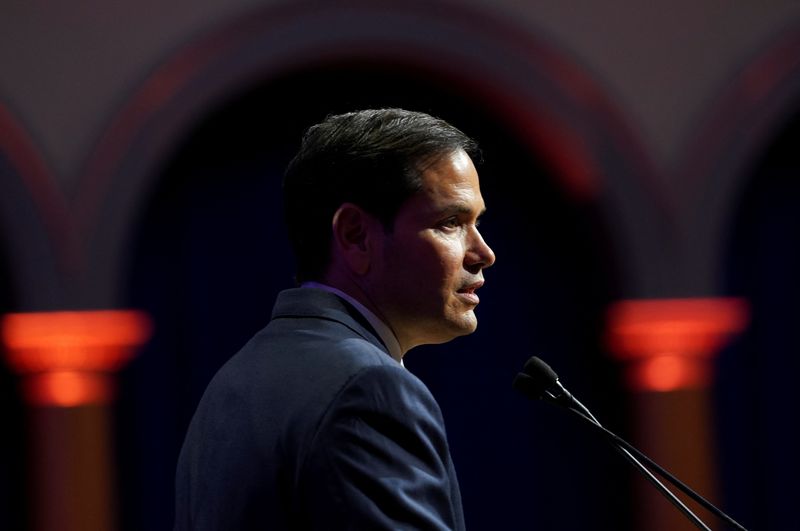
Rubio’s cable to diplomats stresses that the U.S. cannot tackle this problem alone. It calls on allies to take a unified stance and recognize the terrorist designations of IRGC and Hezbollah, thereby ensuring that these groups have less room to maneuver in global markets. One of the challenges here is convincing reluctant allies that their long-term security interests are best served by standing with the U.S. against Iran’s proxy forces.
While Israel has been steadfast in its support for such a designation, European allies have shown more caution. Some European Union countries, such as France and Germany, have continued to engage with Iran diplomatically, primarily due to the nuclear deal and other trade agreements. These countries argue that isolating Iran could backfire and lead to further instability in the region. Thus, Rubio’s efforts to push for a collective designation campaign may face strong opposition from those who wish to avoid escalating tensions with Tehran.
Iran’s Response to International Isolation
Iran’s response to the growing international pressure has been consistent. The regime has dismissed such efforts as unwarranted and politically motivated. Tehran has used its influence over proxy groups to challenge U.S. policies in the region, while leveraging its economic ties with China and Russia to maintain a level of diplomatic support. Despite facing crippling sanctions, the regime continues to promote its anti-Western rhetoric, framing itself as a champion of resistance against U.S. imperialism and the Israeli occupation of Palestine.
In recent weeks, Iranian officials have warned that any attempt to further isolate the IRGC or Hezbollah could lead to greater instability in the region. They also claim that the U.S. and its allies are attempting to manufacture a crisis in order to justify military intervention. With the Trump administration firmly committed to its “maximum pressure” campaign, tensions are expected to rise as more nations are asked to take sides in the ongoing geopolitical struggle.
The Strategic Importance of the Strait of Hormuz
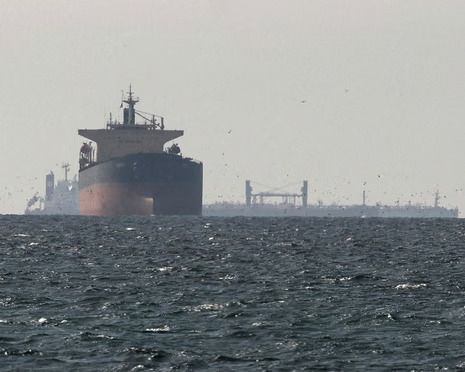
One of the key points of contention in the U.S.-Iran standoff remains the control of the Strait of Hormuz, through which a significant portion of the world’s oil supply passes. While the Trump administration has sought to block Iranian influence in the region, particularly through its naval and military actions, many of America’s allies have been reluctant to fully commit to efforts to ensure the safety of this critical shipping route. Some nations, especially in Europe, have been cautious about becoming involved in military operations in the Persian Gulf, fearing the economic and diplomatic consequences of provoking Iran further.
The lack of support for U.S. military operations, such as sending ships to help secure the Strait of Hormuz, has highlighted the difficulties the Trump administration faces in rallying international backing. Despite this, Rubio’s push for greater diplomatic pressure on allies to confront Iran’s proxy groups is an attempt to achieve a broader strategic goal of weakening Iran’s influence without engaging in direct military confrontation.
The Role of International Law and Terrorism Designations
Designating the IRGC and Hezbollah as terrorist organizations on a global scale would carry significant legal and economic implications. It would restrict the ability of these groups to operate in international financial markets and limit their access to resources. Such a designation could also have profound implications for countries and companies that continue to engage with Iran or Hezbollah. For example, European businesses that have continued trade with Iran since the nuclear deal could face sanctions or other penalties if they are found to be engaging with entities associated with terrorism.
Furthermore, the legal ramifications of such designations would extend beyond just the military and diplomatic spheres. The designation of Hezbollah as a terrorist organization in Europe has already had an impact on charities and NGOs that were previously working in areas under the group’s influence, making it harder for them to operate legally. A similar global designation for the IRGC could hinder humanitarian aid efforts in the Middle East and beyond.
The Path Forward
As the Trump administration pushes forward with its efforts to pressure allies into action, it remains to be seen whether these diplomatic efforts will succeed in securing a unified international stance against Iran’s proxy forces. The success of this campaign will depend on the willingness of U.S. allies to confront Iran’s influence in the region and make difficult decisions about their relationships with Tehran.
In the coming weeks, as U.S. diplomats intensify their efforts to convince foreign governments to designate the IRGC and Hezbollah as terrorist organizations, the global response will be critical. With tensions running high in the Middle East, the U.S. will likely continue to face challenges in navigating the complex geopolitical landscape. The question remains: can international unity be achieved, or will Iran’s influence continue to grow unchecked?
Conclusion
The Trump administration’s efforts to rally international support for designating Iran’s IRGC and Hezbollah as terrorist organizations are part of a broader strategy to isolate Tehran and curb its influence in the Middle East. However, the complexities of international diplomacy, coupled with the reluctance of many U.S. allies to fully commit to such a move, pose significant challenges. As the situation continues to unfold, it remains to be seen how effective these diplomatic efforts will be in securing a unified response to the growing threat posed by Iran’s proxy forces.