
Table of Contents
- The Paradox of AI
- The History of Skepticism Toward New Tech
- Social Media’s Influence on AI’s Reception
- AI’s Growing Presence Despite Mistrust
- Political Backlash and Regulatory Concerns
- The Disconnect Between Public Opinion and Usage
- The Economic Impact of AI and Social Media
- AI’s Role in the Economy
- Public Perception of AI and Its Future
- Conclusion
The Paradox of AI
The struggle between fear and usage is evident in AI’s trajectory in the U.S. The technology, which promises to revolutionize industries from healthcare to finance, has yet to win over a majority of Americans. Public figures like President Donald Trump and tech commentators such as those on the popular “All-In” podcast have acknowledged that AI is experiencing a rough public relations moment. Despite this, the technology is not only here to stay but is expanding its reach. This paradox is reminiscent of past technological advancements that were initially met with skepticism, only to become ubiquitous in daily life.
The History of Skepticism Toward New Tech
To understand the AI dilemma, one must look back at the history of public resistance to emerging technologies. Lee Vinsel, a Virginia Tech professor who studies human-technology interaction, pointed out that past innovations like the bicycle and the radio faced similar backlash. Critics once feared that bicycles would ruin women’s morality, and there were concerns that radio would corrupt minds. However, just as with AI, these technologies eventually became entrenched in daily life. The same pattern is playing out with AI, where negative perceptions have not slowed its rapid adoption. “Eventually most of us come over to using it,” Vinsel remarked, highlighting that public skepticism often fades once the technology becomes indispensable.
Social Media’s Influence on AI’s Reception

A major reason for the negative perception of AI stems from Americans’ mistrust of social media and its platforms, which have been accused of spreading misinformation and influencing elections. Many Americans see AI as just another potentially dangerous force like social media, which has become a significant part of daily life despite widespread criticism. Critics point to the role of social media in political polarization, addiction, and the manipulation of personal data. AI, which is often framed as an extension of these concerns, faces similar criticism. The public’s suspicion of AI is therefore deeply intertwined with the broader conversation about tech companies and their influence on society.
AI’s Growing Presence Despite Mistrust
While many Americans remain wary of AI, they continue to use it in their everyday lives. Popular services like Google’s search engine, Amazon’s Alexa, and Apple’s Siri all utilize AI to varying extents. Despite vocal complaints about privacy and job displacement, consumers willingly use these products. AI’s presence in social media platforms like Instagram and TikTok further underscores the technology’s deep integration into society. Despite the distrust, many Americans cannot imagine a world without AI in their daily routines. This dichotomy between skepticism and usage is reminiscent of the ongoing popularity of social media platforms, even as their reputations have faltered in recent years.
Political Backlash and Regulatory Concerns
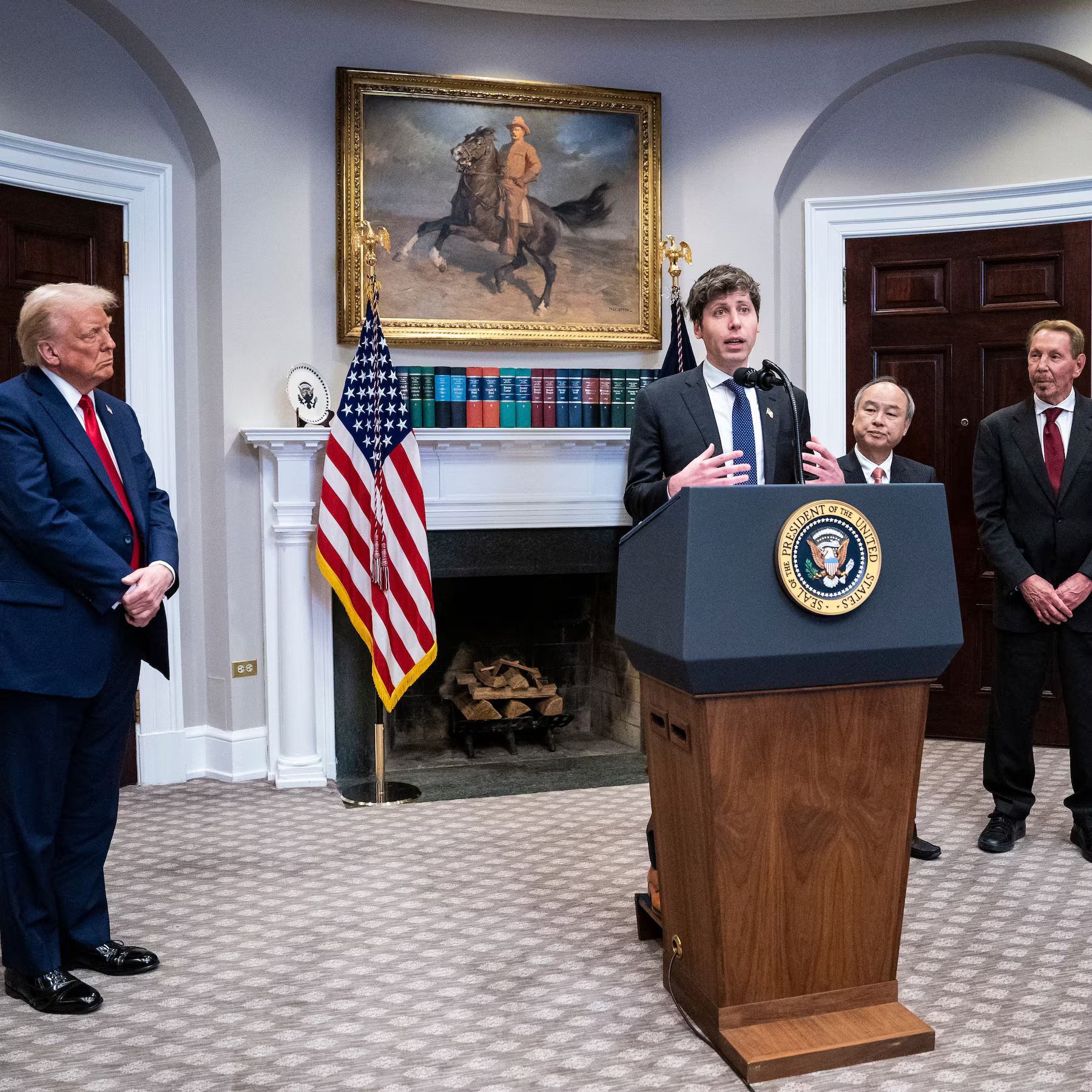
Politicians on both sides of the aisle have voiced concerns about AI, with some proposing legislation to slow its growth. Senator Bernie Sanders (I-Vermont) recently introduced a bill to halt the construction of new AI data centers until lawmakers can regulate the technology. The potential risks of AI, such as job displacement and its use in surveillance, have spurred calls for more oversight. However, this push for regulation may not be enough to stop AI’s momentum. Even with regulatory frameworks in the works, companies like Google and Microsoft continue to pour resources into AI research and development, betting on the technology’s transformative potential.
The Disconnect Between Public Opinion and Usage
One of the most perplexing aspects of the AI debate is the disconnect between public opinion and actual behavior. Despite polls showing that Americans overwhelmingly distrust AI, they continue to use it in significant ways. Katie Harbath, a former public policy director at Meta, remarked that this behavior is not unique to AI. Just as many Americans use social media platforms despite criticizing them, they are increasingly relying on AI tools. “Just because people say they don’t like it, their actual behaviors may not follow,” Harbath said. This disconnect may point to a larger trend where public disapproval does not necessarily translate into decreased usage of technology, especially when it becomes integrated into everyday life.
The Economic Impact of AI and Social Media
While AI may face public criticism, it continues to drive economic growth, much like social media did despite its negative reputation. Companies in the AI space, from tech giants like Google and Facebook to smaller startups, are seeing increased revenue from AI-driven products and services. This mirrors the experience of social media companies, which have continued to grow despite their tarnished reputations. Meta, for example, generated $75 billion in revenue in the U.S. last year, nearly nine times what it earned a decade ago. This economic success raises an important question: Does the public’s negative perception of a technology matter if it continues to fuel innovation and growth?
AI’s Role in the Economy
As AI continues to expand, its economic influence becomes more apparent. Industries from healthcare to logistics are leveraging AI to improve efficiency, reduce costs, and enhance services. This growth is being driven by both government and private-sector investment in AI research. The technology’s potential to revolutionize industries means that even those who are skeptical of its long-term effects are relying on it for business success. Whether it’s in healthcare, education, or retail, AI is becoming an indispensable tool for economic growth.
Public Perception of AI and Its Future
Despite the skepticism, public opinion on AI is beginning to shift. As more Americans experience the benefits of AI firsthand, such as in healthcare or daily tasks, support for the technology is likely to grow. Brian Walsh, executive director of the AI Infrastructure Coalition, which represents AI-related businesses, expressed confidence that Americans will come to appreciate AI’s value over time. “We are confident that as more Americans experience its benefits firsthand, in their healthcare, their businesses, and their daily lives, that support will continue to grow,” he said. The shift in public opinion may not happen overnight, but as AI becomes further ingrained in everyday life, acceptance will likely follow.
Conclusion
AI is undeniably here to stay, despite the public skepticism and fear it faces. Just like social media, which has thrived despite its tarnished reputation, AI will continue to grow, innovate, and become a part of daily life. The challenge for AI companies and regulators is to navigate the delicate balance between innovation and public trust. As history has shown with previous technologies, public opinion can evolve as people experience the benefits firsthand. The future of AI may not be as bleak as it seems, and over time, Americans may come to embrace the technology they once feared.