
Table of Contents
- Economic Disruption: A Widespread Issue
- Impact on Immigrant-Owned Businesses
- The Ripple Effects Beyond Immigrant Communities
- Challenges for Women and Minority-Owned Businesses
- Impact on Hospitality and Retail Sectors
- Widespread Economic Consequences
- The Response from the Business Community
- A Broader Look at Immigration Enforcement
- Conclusion
Economic Disruption: A Widespread Issue
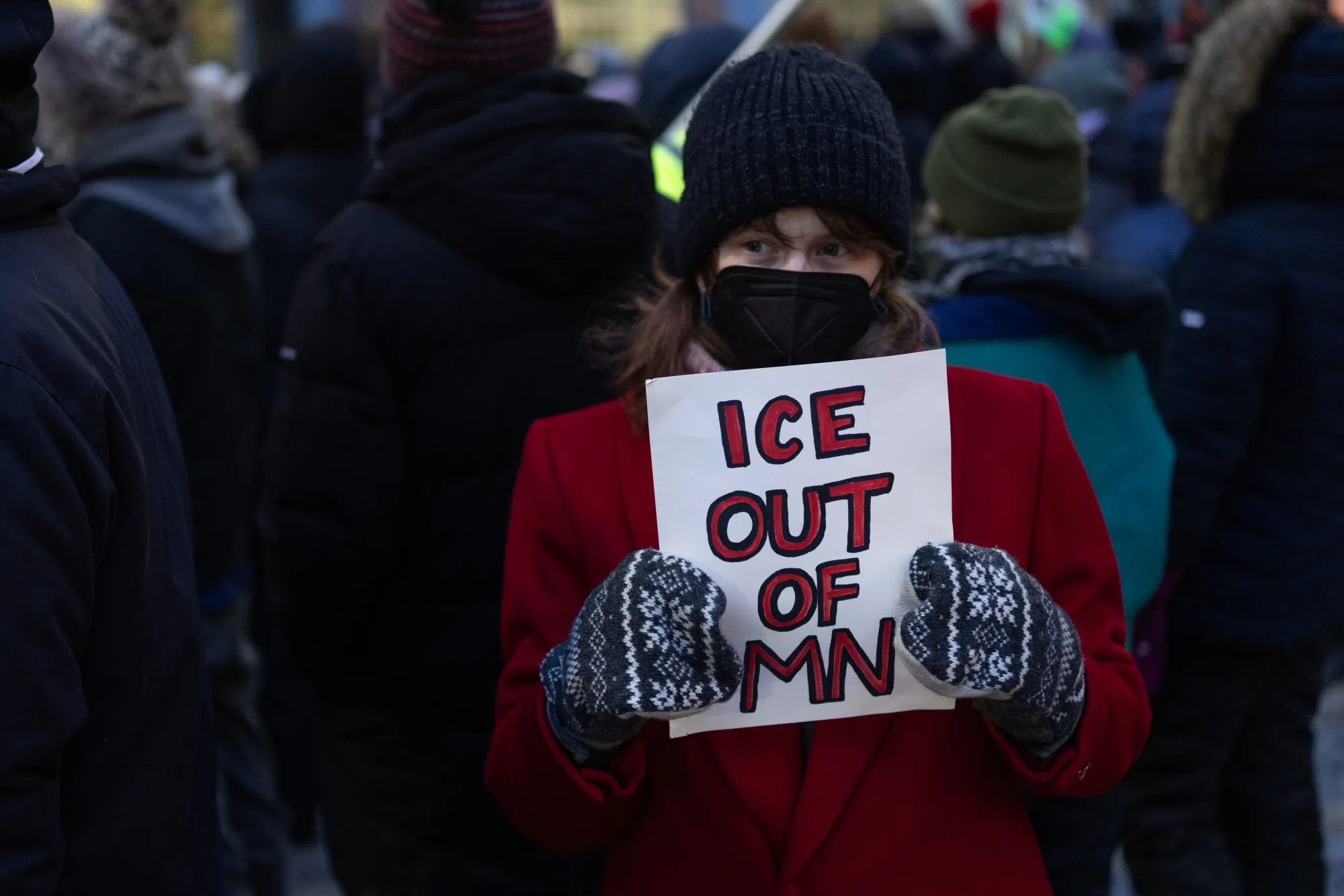
The Federal Reserve’s latest Beige Book report revealed the extent of the disruption that immigration enforcement has caused in the region’s labor market. One landscaping business in the Twin Cities noted a significant reduction in its workforce after many immigrant employees stayed home or left for fear of being detained. This came on top of an already tight labor market, where businesses are struggling to fill positions. Even a workforce development organization offering English classes to new immigrants saw a 43% drop in enrollment, signaling the broader hesitation among immigrants to engage in public activities out of fear of federal agents.
Erick Garcia Luna, an economist with the Federal Reserve Bank of Minneapolis, stated that it was unusual for such a widespread economic disturbance to be attributed to a single event. “It seems like it touched, to a certain degree, every sector,” said Garcia Luna, underlining how immigration enforcement has had far-reaching consequences that go beyond just the immigrant community. The operation, which initially began in December, culminated in mid-February, but its effects are expected to reverberate in the local economy for some time.
Impact on Immigrant-Owned Businesses
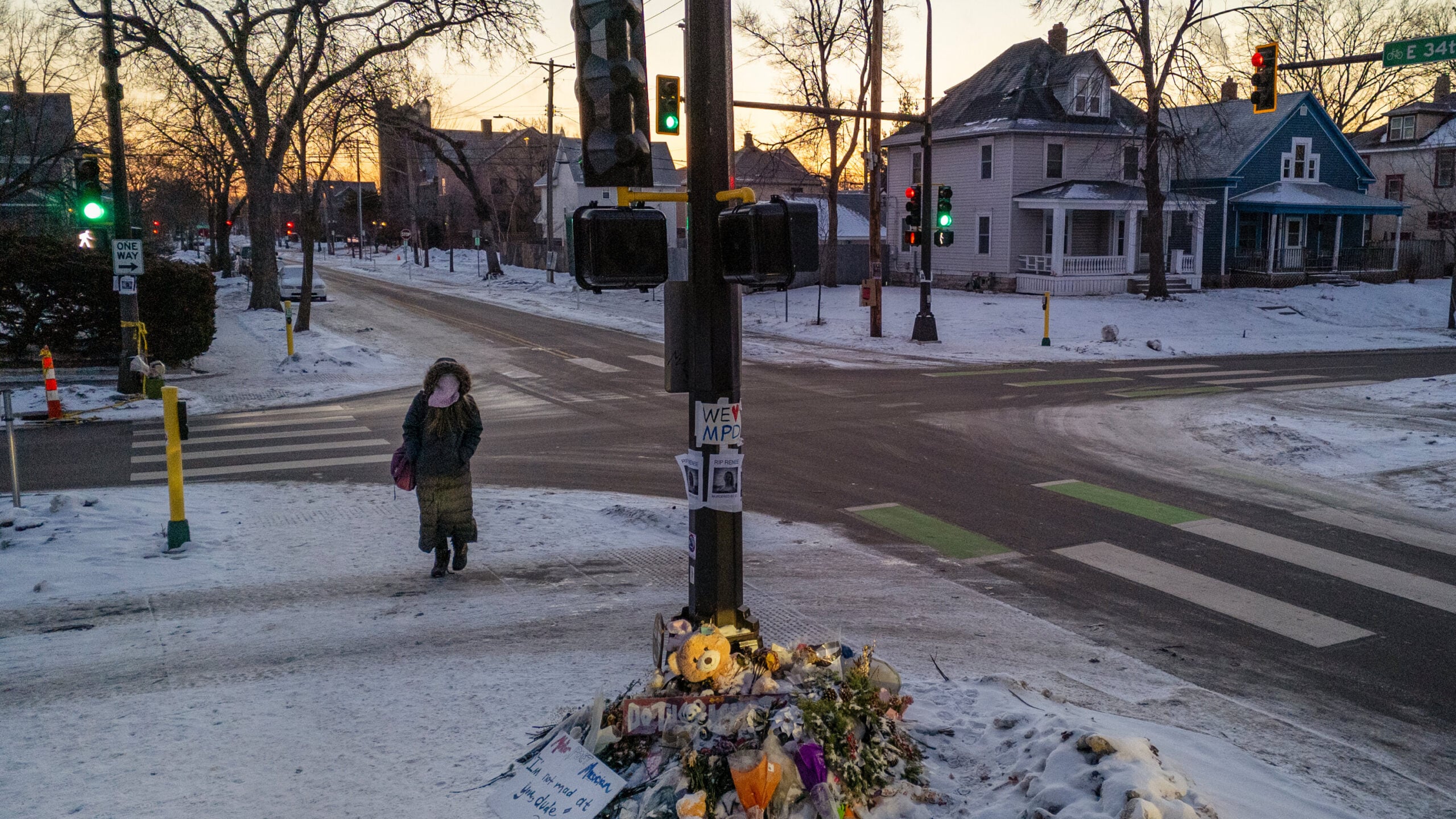
One of the most significant areas of impact has been the immigrant-owned businesses that are central to the Twin Cities’ economy. These businesses, including restaurants, retail shops, and service providers, rely heavily on immigrant labor and consumer spending from immigrant communities. Following the crackdown, many of these businesses saw a steep decline in foot traffic, further exacerbating their financial struggles.
In particular, the Somali community’s Karmel Mall in Minneapolis, a vibrant business hub for immigrant-owned establishments, saw a surge in visitors after an anti-ICE protest on Lake Street in December. People from across the community flooded into the mall to support the businesses and show solidarity with immigrant-owned enterprises. However, despite this show of support, the overall impact of the crackdown has been devastating. A significant number of businesses have faced mounting challenges, with many seeking loan modifications to stay afloat.
The Ripple Effects Beyond Immigrant Communities
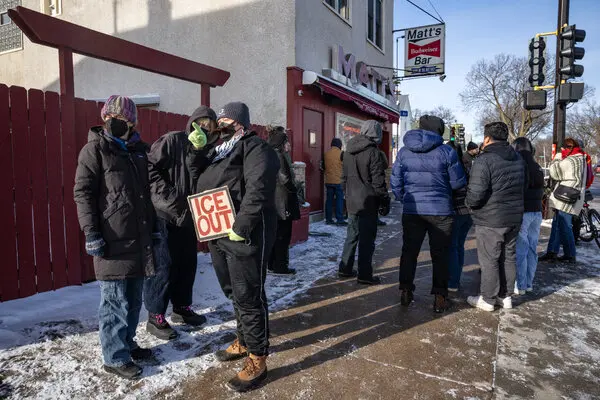
While the immigrant community has borne the brunt of the immediate economic consequences, the ripple effects of the federal immigration action have reached beyond these populations. The Federal Reserve’s commentary highlighted a noticeable decline in overall consumer spending in Minnesota, a trend that coincides with the federal enforcement actions. Retailers and service industries that depend on discretionary spending from both immigrants and non-immigrants alike reported declines in sales.
“It’s difficult to definitively link the drop in activity to the immigration enforcement directly,” said Garcia Luna. “However, there is a clear correlation between what businesses reported in terms of economic activity and the heightened immigration enforcement that occurred around the same time.” The widespread disruptions in consumer behavior, coupled with a strained workforce, have made it difficult for businesses to maintain operations, particularly those already struggling due to the ongoing challenges of the COVID-19 pandemic.
Challenges for Women and Minority-Owned Businesses
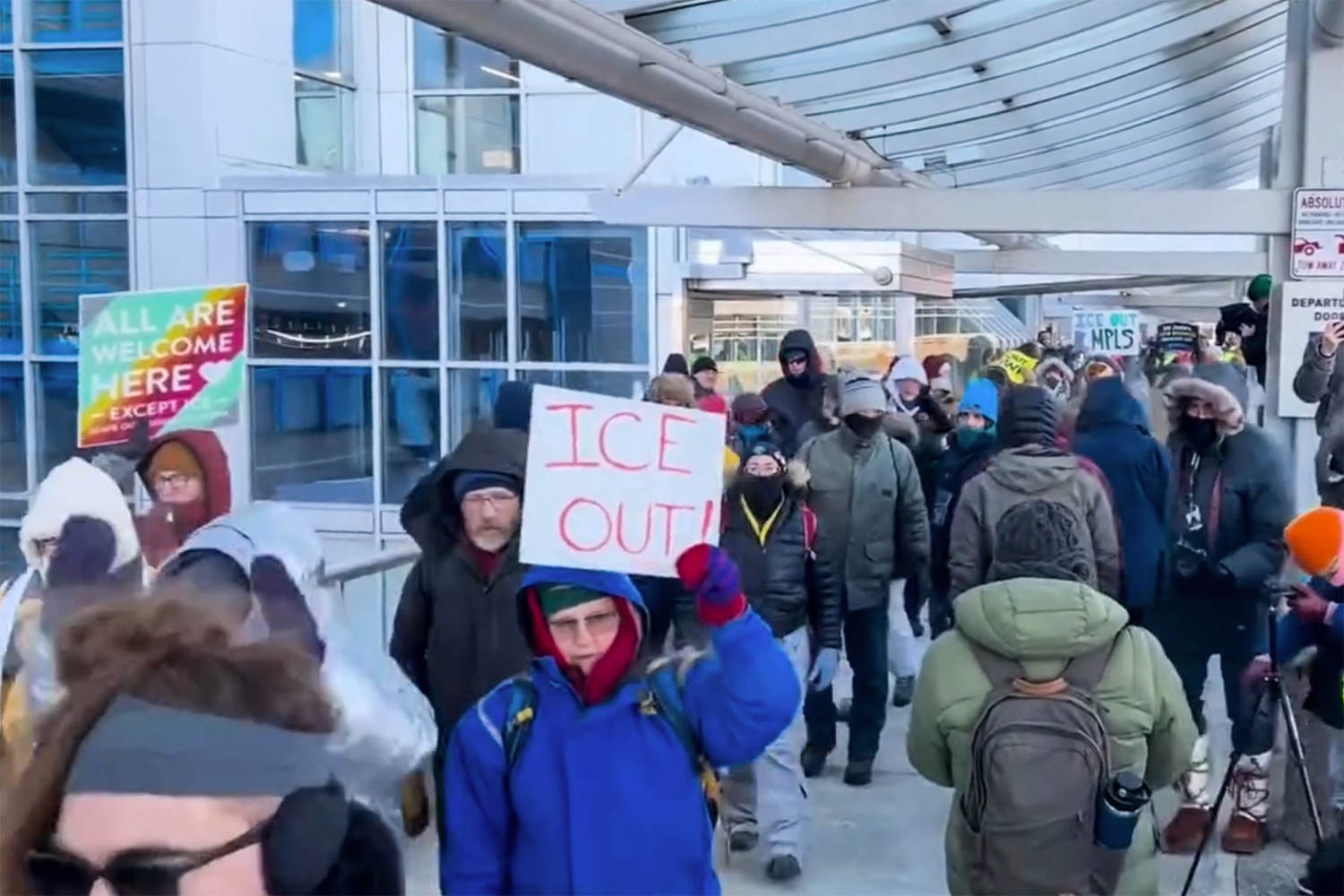
The immigration crackdown has disproportionately affected women- and minority-owned businesses, which are already vulnerable in an economy that often overlooks their needs. Reports indicate that these businesses, which tend to rely more heavily on immigrant labor, experienced a significant downturn in both revenue and workforce availability. With fewer workers showing up and customers hesitant to visit areas with high immigrant populations, these businesses are now facing a critical period of financial instability.
The Federal Reserve noted a sharp rise in requests for loan modifications as these businesses attempt to navigate the consequences of a sudden loss of workforce and revenue. For some, these financial troubles may threaten their ability to remain open. The strain on these businesses highlights a deeper systemic issue, where marginalized groups often bear the brunt of national policy decisions, making it even harder for them to recover from economic setbacks.
Impact on Hospitality and Retail Sectors
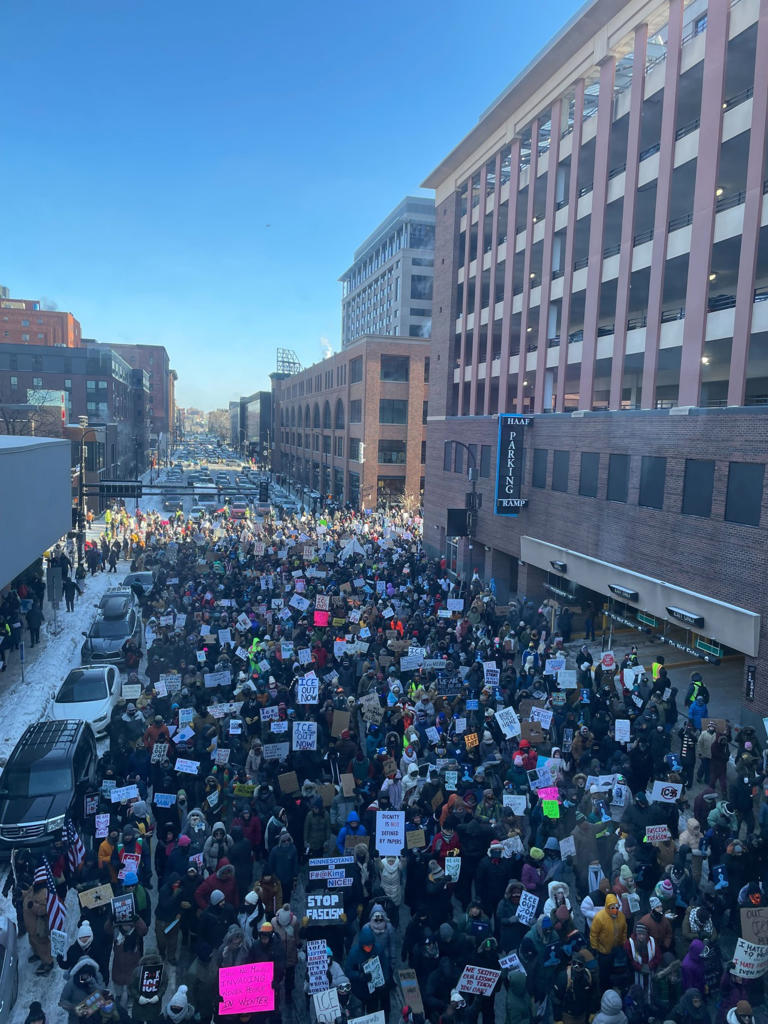
The hospitality and retail sectors are two of the industries most reliant on immigrant labor, and both have reported operational challenges due to the federal crackdown. In the hospitality industry, many workers left their positions out of fear of deportation, leaving businesses struggling to find replacements. Similarly, retail stores that rely on immigrant consumers saw a sharp decline in traffic as many in the immigrant community chose to stay home, uncertain of their legal standing.
In one particularly troubling example, a Minneapolis-based landscaping firm revealed that it had been unable to hire replacement workers for those who left. The company, which primarily employed immigrants, found itself unable to meet the demand for services during the busy winter season, further harming its bottom line.
Widespread Economic Consequences
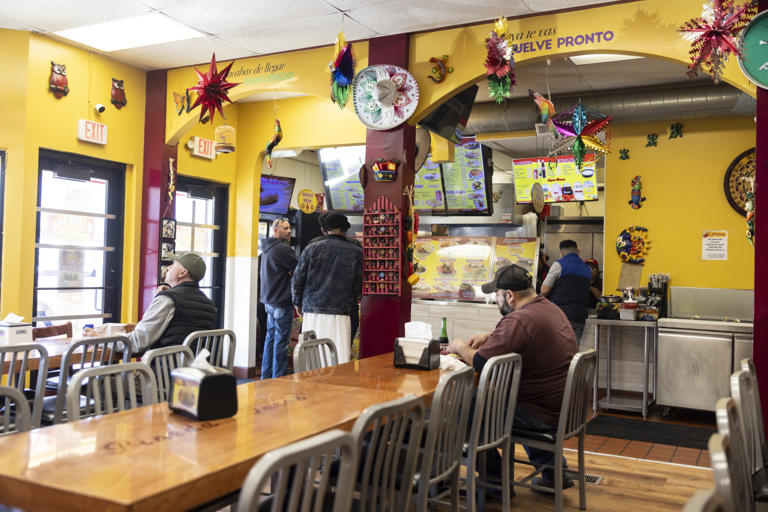
While the impact of the immigration enforcement operation has been most acutely felt in immigrant communities, the overall economic consequences are widespread. The Federal Reserve’s report revealed that the region’s economy has been struggling to recover from the effects of the enforcement, with economic activity across various sectors seeing declines. The hospitality industry has been particularly hard hit, with many businesses reporting difficulty in filling vacancies and reduced revenue from both immigrant labor and consumer spending.
The disruptions in the labor market have raised concerns among economists about the long-term economic viability of certain industries in the region. The tension between the need for immigration reform and the impact on businesses that depend on immigrant workers is evident, and many fear that the federal government’s current approach is only exacerbating these issues.
The Response from the Business Community
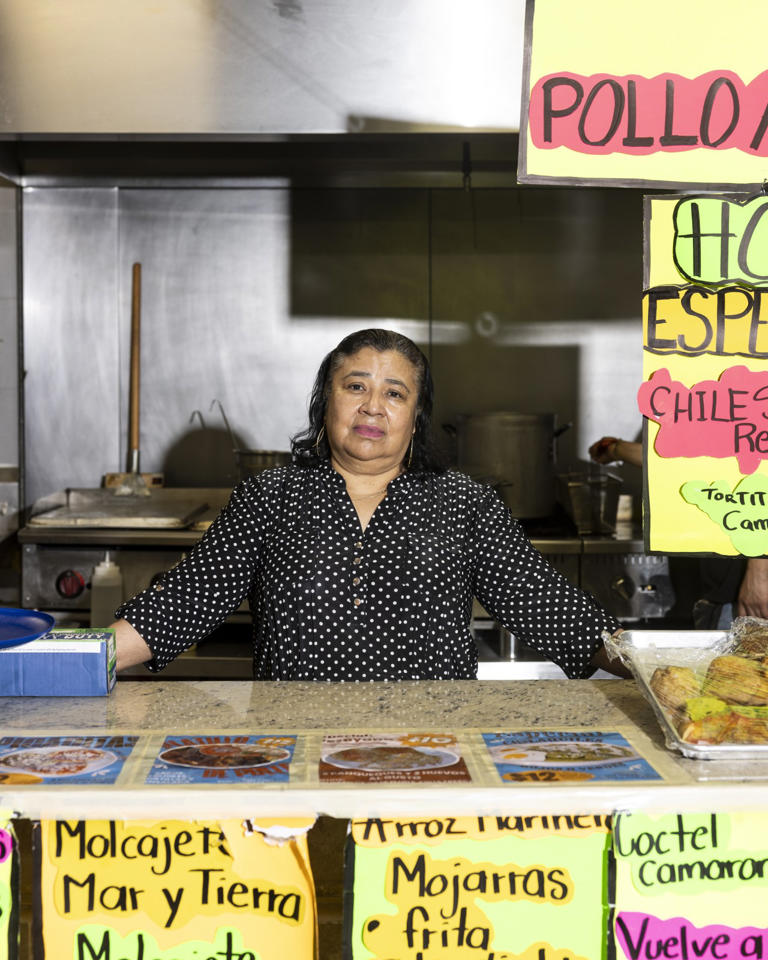
In response to the mounting challenges, several business owners have called for a reevaluation of the immigration policies that are currently in place. Many of these entrepreneurs argue that immigration enforcement is stifling the growth of local economies by removing a key segment of the labor force. With labor shortages plaguing multiple sectors and consumer spending slowing down, business owners are calling for more targeted and compassionate approaches to immigration reform that do not punish hardworking communities.
The business community’s reaction to the crackdown has been mixed, with some voicing concerns about the long-term effects on economic stability. Many have pointed to the need for comprehensive immigration reform that addresses the needs of both immigrants and businesses while ensuring the safety and well-being of all residents.
A Broader Look at Immigration Enforcement
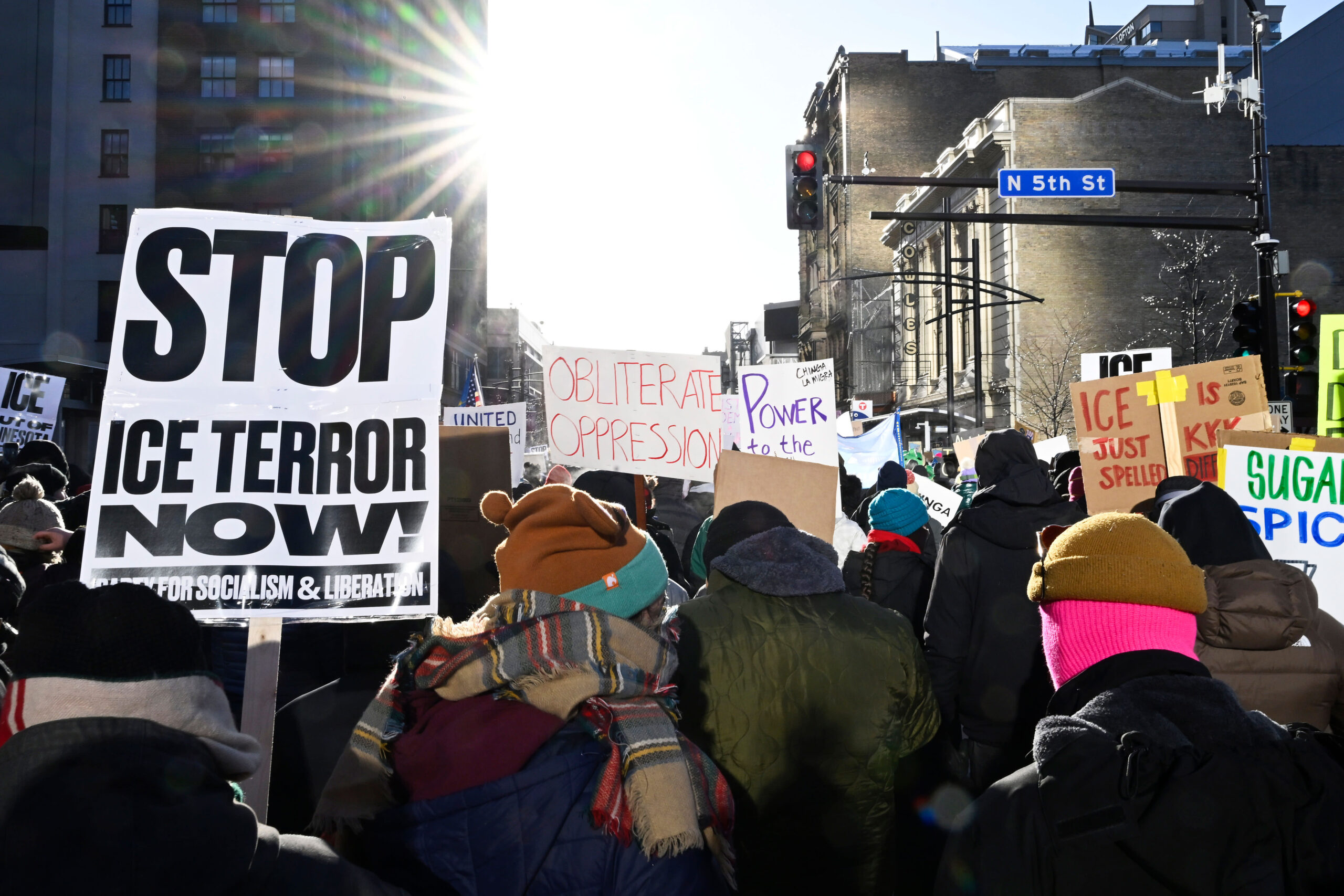
The Federal Reserve’s report provides a snapshot of how immigration enforcement is not just a political issue but a deeply economic one. It highlights the far-reaching consequences of policy decisions on communities, workers, and businesses. While enforcement actions may be necessary for some, the economic fallout from these decisions underscores the need for a balanced approach to immigration that considers the realities of the labor market and the broader economic impact.
As the crackdown continues to affect Minnesota’s economy, questions remain about the long-term consequences for the state’s workforce and businesses. The immigrant community’s contribution to the local economy cannot be overlooked, and the ripple effects of this enforcement will likely be felt for years to come.
Conclusion
The immigration crackdown in Minnesota has had a profound impact on the state’s economy, particularly on immigrant-owned businesses and industries that rely heavily on immigrant labor. The Federal Reserve’s report paints a clear picture of the widespread disruption caused by the enforcement actions, with both immigrant and non-immigrant communities facing significant challenges. As Minnesota grapples with these issues, it is clear that comprehensive immigration reform is needed to address the complex intersection of policy, economics, and human lives. The future of Minnesota’s economy will depend on how policymakers navigate these challenges and find a path forward that benefits all residents.