
Table of Contents
- The Regime’s Strategic Shifting
- Public Defiance and Protest
- The Role of the Iranian Repression Apparatus
- The Regime’s Information Campaign
- Lack of Protection for Civilians
- Documented Exploitation of Civilian Areas
- The Regime’s Brutality Towards Health Facilities
- Missile Bases Hidden Near Civilian Centers
- The Use of Sports Complexes for Military Operations
- The Regime’s Use of Bridges and Tunnels for Shelter
- Conclusion
The Regime’s Strategic Shifting
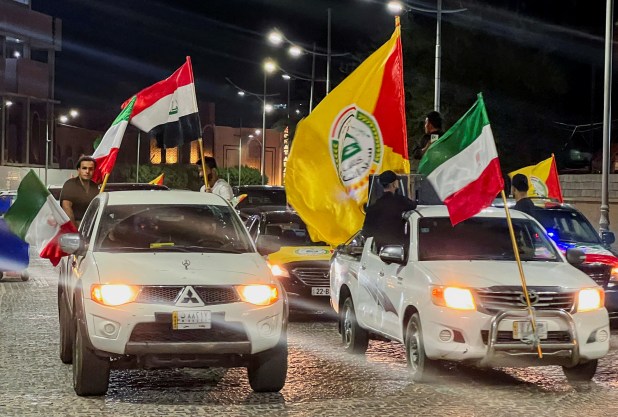
Over the course of the war, the Iranian regime has lost significant military assets to airstrikes and Israeli targeting. Unable to defend critical infrastructure, the regime has embedded its forces within densely populated areas, aiming to make strikes against them look indiscriminate and damaging. This tactic is part of a broader strategy to create a rally-around-the-flag effect, but it has failed to garner the support the regime hoped for. Instead, it has fueled even more resentment and resistance among ordinary Iranians, who have taken to the streets in nightly protests against their government’s actions.
Public Defiance and Protest
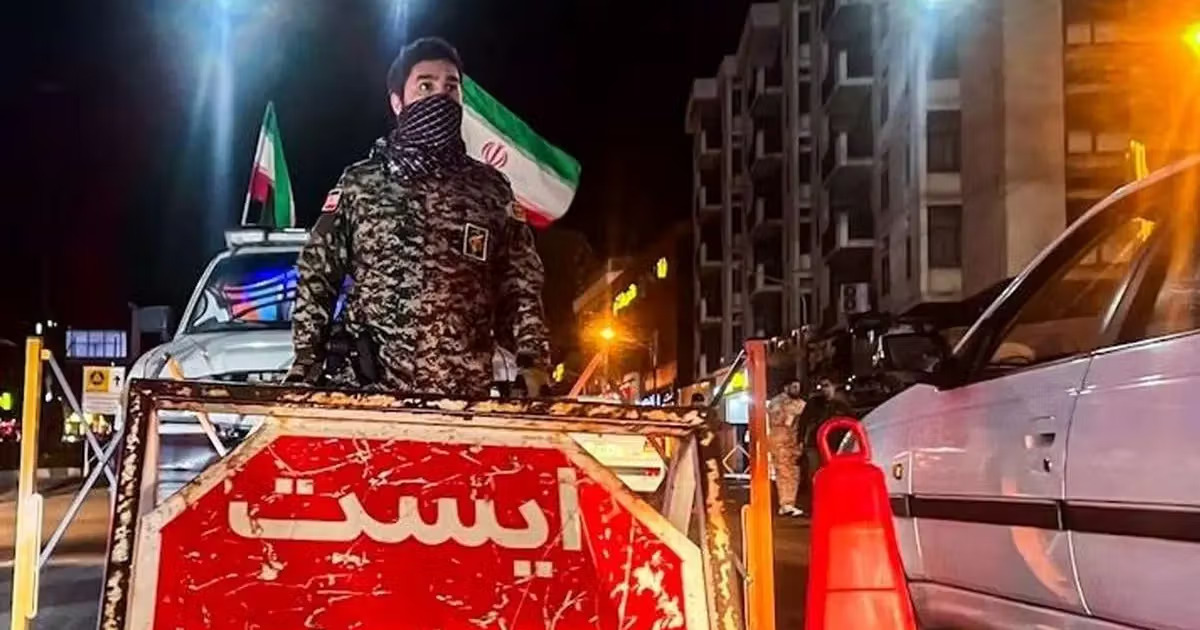
In a stunning display of defiance, Iranian citizens have used their voices and online platforms to resist the regime’s actions. Rooftop chants against the government can be heard echoing across cities as citizens cheer the strikes on regime targets. Social media has become a battleground, with citizens sharing the locations of security forces to aid Israeli airstrikes. This collaboration between ordinary Iranians and foreign forces has sparked anger within the regime, as it seeks to portray the ongoing military actions as attacks on civilians. But the reality is far from this narrative, as evidence of the regime’s reckless actions continues to surface.
The Role of the Iranian Repression Apparatus
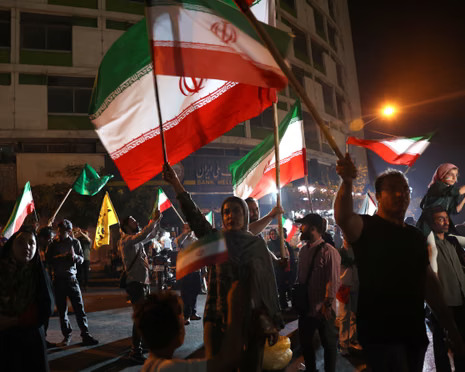
The Iranian government has long relied on its repressive security forces to maintain control over the population. However, as the war intensifies, these forces are increasingly stationed in civilian areas, making it harder for ordinary Iranians to escape the violence. Reports have surfaced of Basij forces being stationed inside schools, further endangering children and civilian spaces. The U.S. Department of Defense and Israeli intelligence have both pointed to these activities, documenting the regime’s deliberate positioning of missile launchers and other military hardware in highly populated areas.
The Regime’s Information Campaign
While the military moves are evident, the regime’s information warfare campaign is equally alarming. Iranian authorities are actively framing the airstrikes as indiscriminate attacks on civilians, despite their own use of civilian spaces for military operations. The goal is to cast the war in terms of victimhood, hoping to rally international sympathy and blame external forces for the destruction. This narrative is amplified by the regime’s deliberate withholding of protective measures for its citizens, such as air raid sirens or bomb shelters, leaving the population vulnerable while senior officials remain hidden in fortified underground bunkers.
Lack of Protection for Civilians
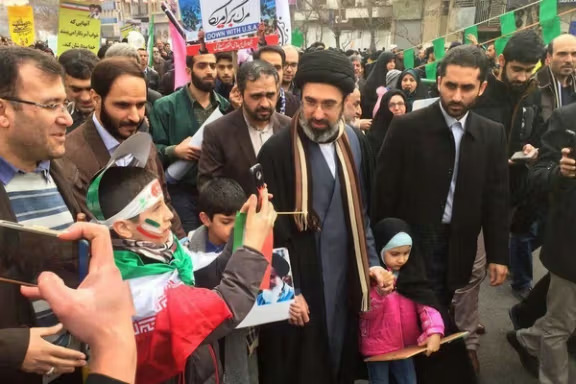
Despite the ongoing conflict and rhetoric about the need for defense, the Iranian regime has done little to protect its civilians from the very threats it claims to defend against. Unlike during the Iran-Iraq War, when officials set up public broadcasts to warn citizens of incoming attacks, the current regime has failed to take basic protective measures. Even as foreign military forces target key military installations, Iranian citizens remain exposed without the necessary infrastructure to safeguard their lives. This glaring neglect has revealed the true priorities of the Iranian leadership, who continue to live in fortified compounds while the general population suffers the consequences of their decisions.
Documented Exploitation of Civilian Areas
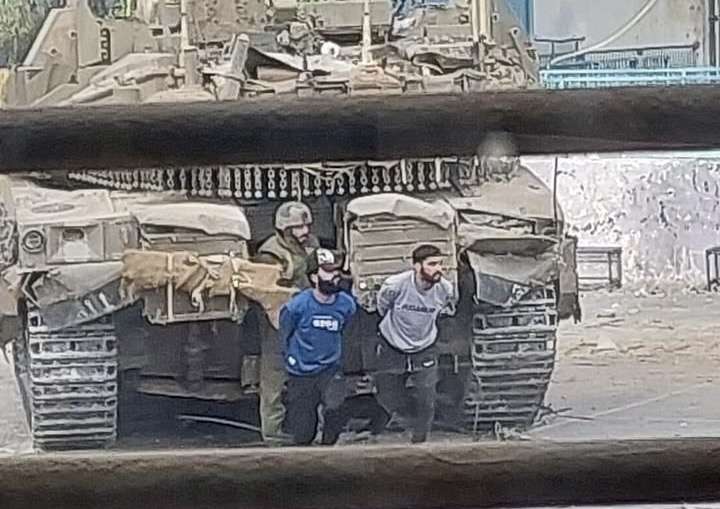
Videos and testimonies from Iranian citizens have provided damning evidence of the regime’s use of civilian spaces for military purposes. Footage shared online shows armored vehicles stationed in schools and missile launchers placed in civilian neighborhoods. These actions have corroborated reports from the U.S. and Israeli military, who have stated that the Iranian regime is deliberately embedding its forces in areas where innocent civilians reside. This strategy is not just a military maneuver; it is part of a larger effort to manipulate public opinion and distort the narrative of the war.
The Regime’s Brutality Towards Health Facilities
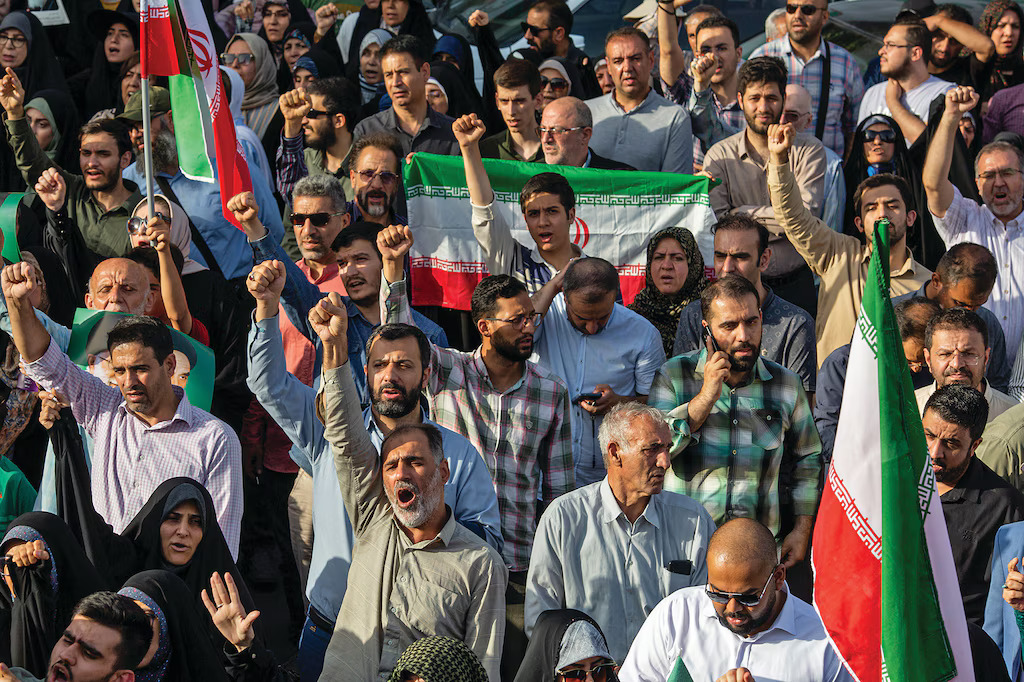
One of the most shocking revelations from this conflict is the regime’s exploitation of medical facilities for military purposes. Reports have surfaced of Iranian forces taking over hospitals and rehabilitation centers, putting both medical staff and patients at risk. In Tehran, IRGC forces attempted to seize part of the Hamdaman rehabilitation institute, a facility dedicated to caring for orphaned girls with disabilities. The head of the facility resisted the move, only to be assaulted and detained by regime forces. This is not an isolated incident, as there have been multiple reports of military leaders holding meetings in hospitals, further endangering the lives of civilians who are already vulnerable.
Missile Bases Hidden Near Civilian Centers
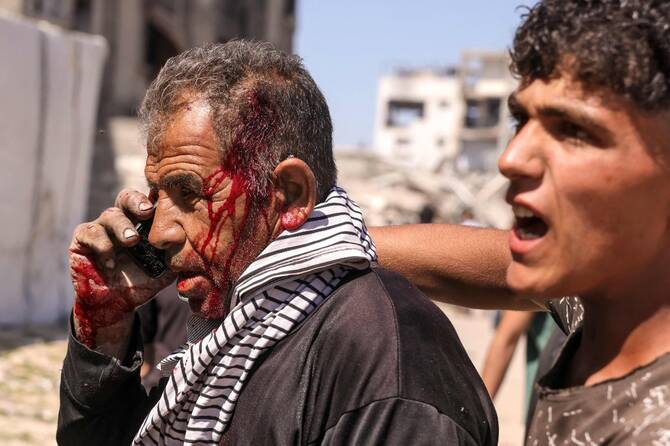
In addition to using schools and hospitals, the regime has strategically placed missile bases near civilian leisure sites, hoping to shield them from attack. One such example is the 500-meter-deep missile complex near Yazd Mountain Park, a recreational area meant to attract tourists. The IRGC’s missile facility is hidden beneath this public space, where families come to relax and enjoy nature. The construction of such missile bases under civilian infrastructure further complicates the international response, as attacks on these sites risk further harming innocent Iranians.
The Use of Sports Complexes for Military Operations
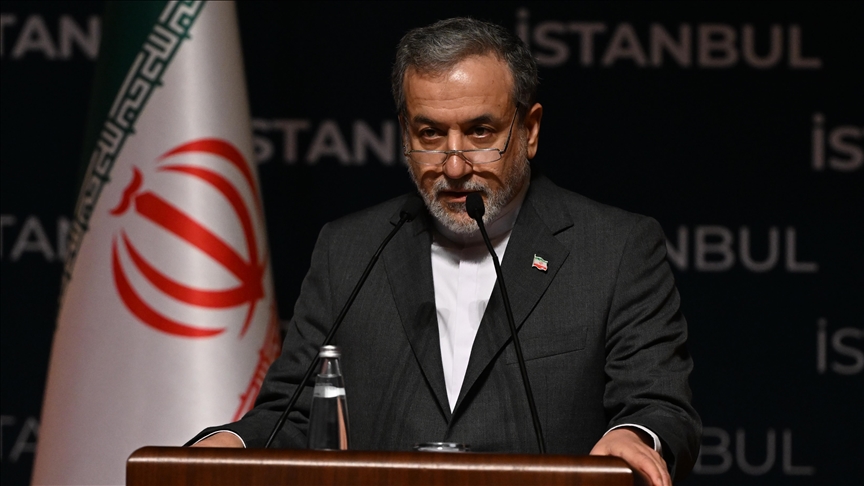
Azadi Sports Complex, a major venue in Tehran, has also been repurposed by the regime to house military personnel. The facility, which is typically used for sports events and public gatherings, has served as a staging ground for internal security forces since 2009. During the current conflict, the complex has been fully utilized by the armed forces, including housing an anti-riot police base. When this site was struck by Israeli airstrikes in March, the regime’s claim that civilian infrastructure had been targeted conveniently omitted the fact that it had been used for military purposes.
The Regime’s Use of Bridges and Tunnels for Shelter
As the conflict progresses and Israeli strikes become more targeted, the regime’s forces have begun to shelter under bridges and in tunnels, hoping to shield themselves from precise airstrikes. These strategies are designed to create a false narrative about the indiscriminate nature of the conflict, while using civilians as cover for military operations. Videos from the region show missile launchers stationed along roads and inside tunnels, further complicating efforts to target military assets without risking civilian lives.
Conclusion
The situation in Iran is dire, with the regime’s actions putting the lives of millions at risk. By using civilians as human shields, embedding military assets in civilian areas, and exploiting hospitals and schools for military purposes, the regime has shown complete disregard for the safety of its people. Despite this, Iranians continue to resist, sharing vital information and speaking out against the government’s actions. The global community must continue to shine a light on these atrocities and hold the Iranian regime accountable for its actions. As the conflict unfolds, it is clear that the battle for the future of Iran is not only being fought on the battlefield but also in the hearts and minds of its people.