
Table of Contents
The Crisis Escalates
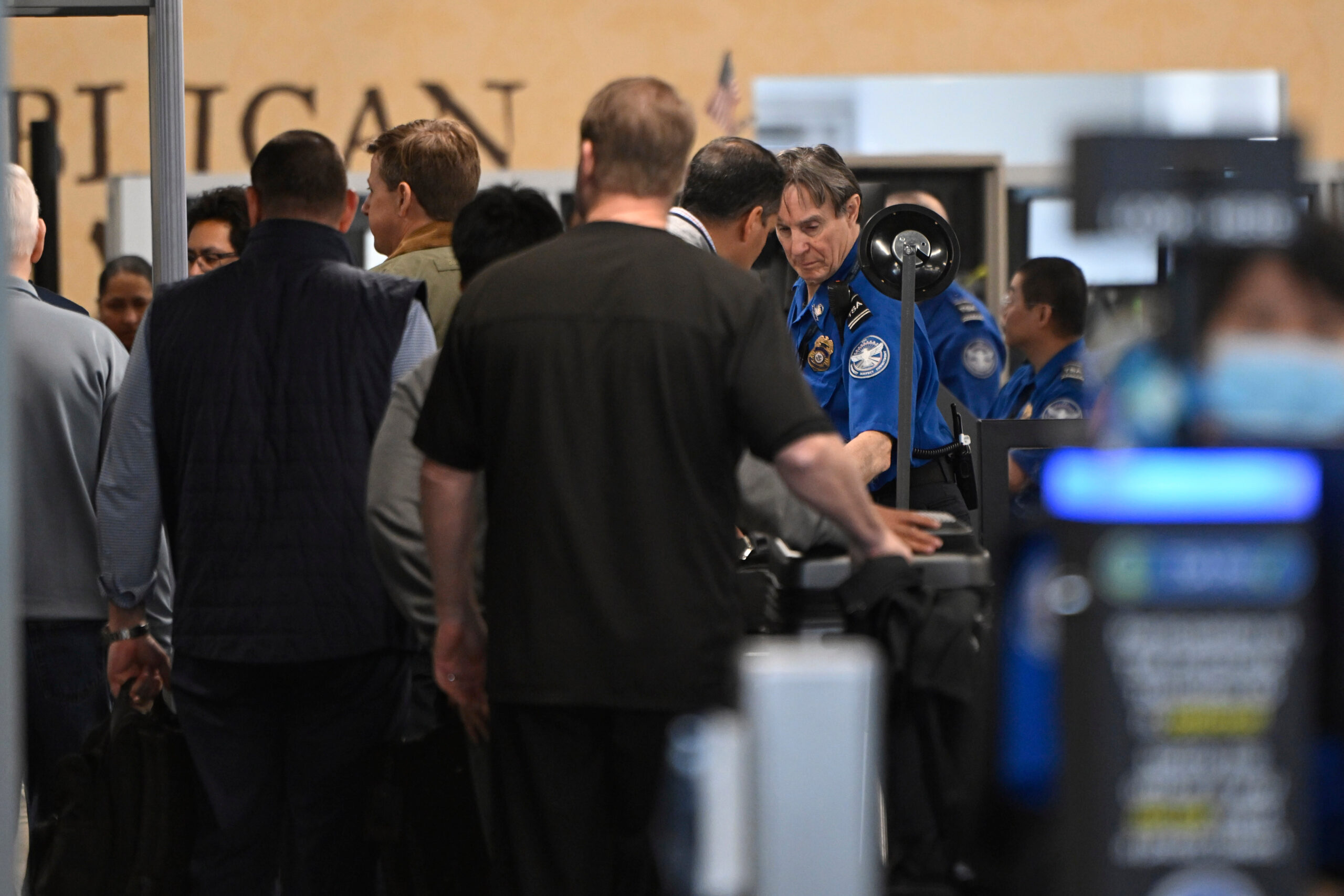
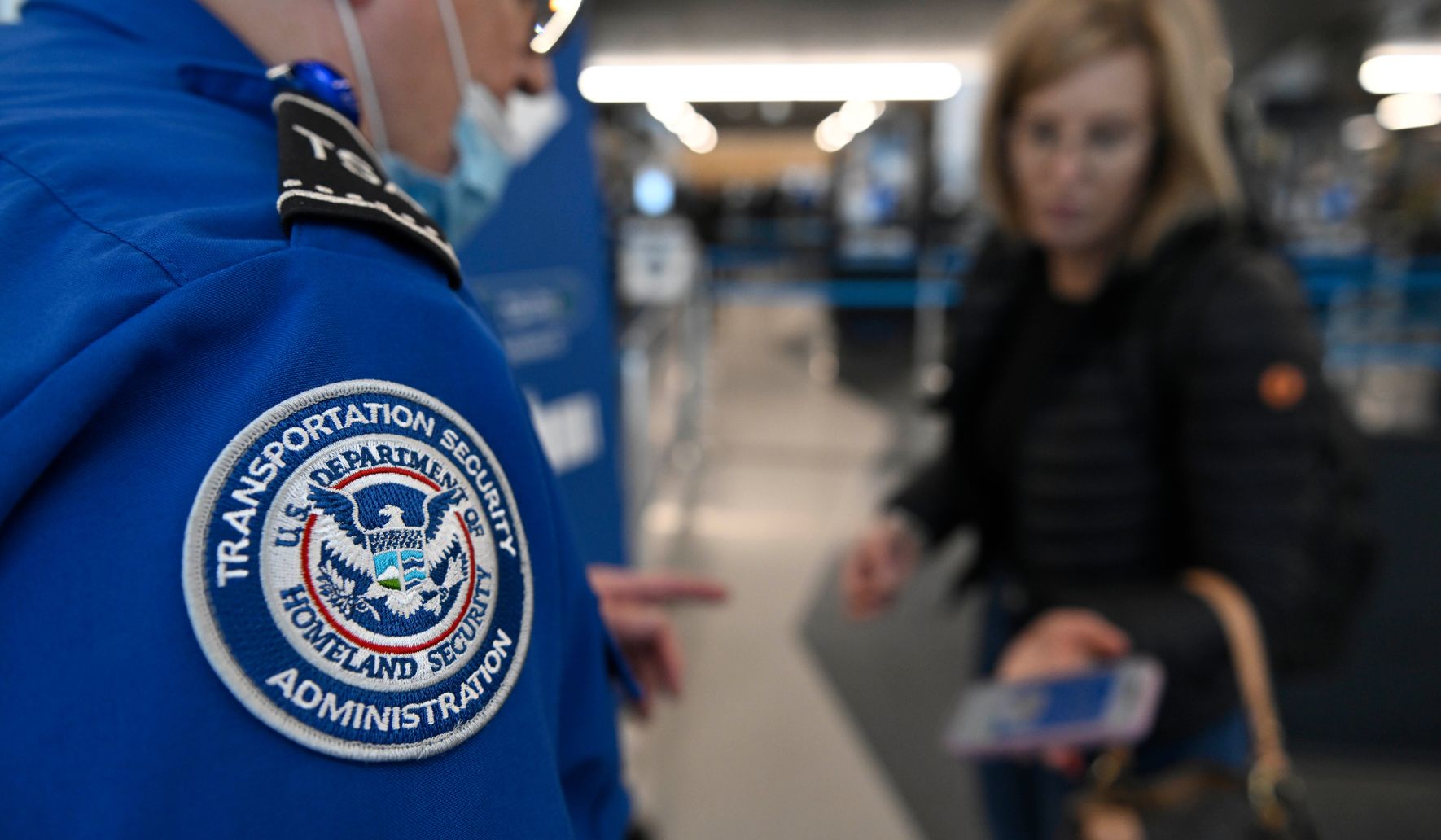
Airports across the nation have seen major disruptions as TSA workers continue to call out sick or quit their jobs, exhausted by the lack of pay and the uncertainty of the shutdown. Many have reached their breaking point, with some citing the inability to meet their financial obligations as a primary reason for abandoning their posts. The absence of workers has led to longer lines, and in some cases, security breaches, which have only added to the stress faced by travelers. According to reports, TSA agents were expected to miss another paycheck at the end of the week, heightening the sense of urgency surrounding this issue.
Trump’s Executive Order
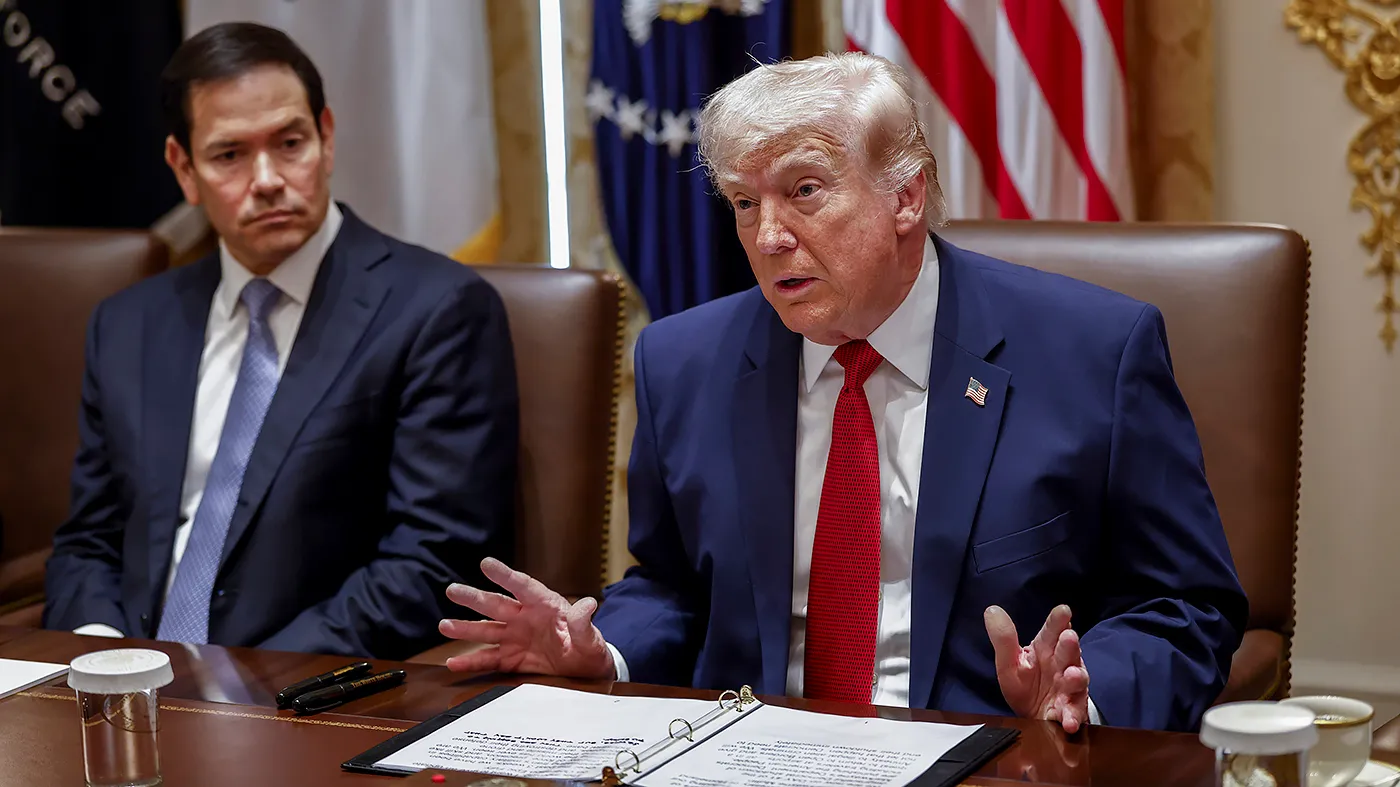
In an effort to resolve the growing crisis, Trump announced his plan to sign an executive order that would direct the Secretary of Homeland Security, Markwayne Mullin, to immediately compensate TSA agents for the work they have been doing without pay. The president emphasized that the order would be implemented swiftly to end the “chaos” that had taken over various airports. Trump’s move to bypass Congress and unilaterally fund TSA salaries comes after a series of negotiations between lawmakers on both sides of the aisle failed to produce any substantial progress toward ending the standoff.
A Bipartisan Standoff
The government shutdown has been ongoing since mid-February, with lawmakers from both parties failing to reach an agreement on the Department of Homeland Security’s budget. Democrats have demanded changes to the department’s policies, particularly in light of recent controversial immigration enforcement operations, while Republicans have been steadfast in their refusal to compromise. The deadlock has left many federal workers in limbo, with no immediate resolution in sight. Despite efforts from both sides to negotiate, the standoff remains unresolved.
The Toll on Airport Operations
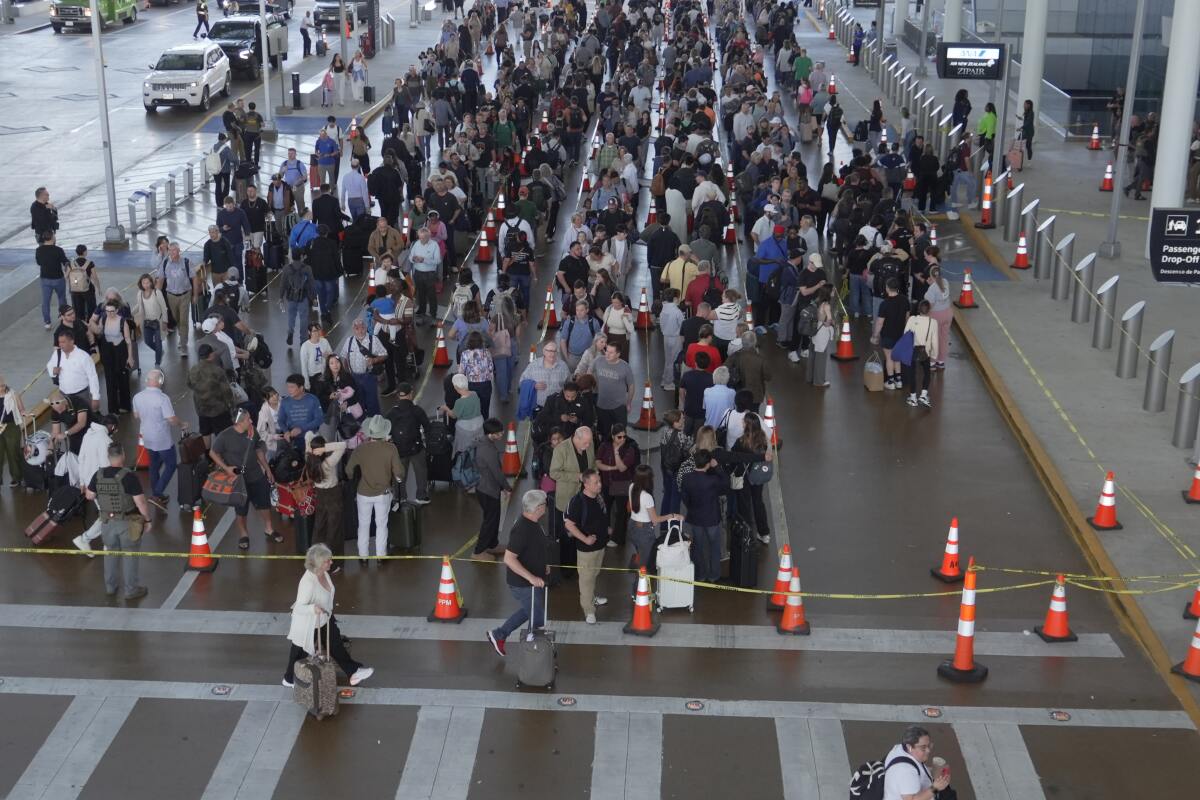
As TSA workers continue to drop off, airports have been forced to rely on other federal agencies to step in and fill the void. Immigration and Customs Enforcement (ICE) agents have been deployed to several airports in an attempt to manage the long lines and ensure that security operations continue. While ICE personnel have helped alleviate some of the pressure, their presence has done little to resolve the underlying issue of the unpaid TSA workforce. The situation has raised questions about the federal government’s ability to manage essential services during a prolonged budget impasse.
The Political Fallout
Senator John Barrasso, a Republican from Wyoming, voiced his frustration with the Democrats during a speech on the Senate floor. He accused them of obstructing progress and refusing to come to the negotiating table. “We’ve had the vote open for five hours to give the Democrats an opportunity to come to the table. They have not. And now time is up,” Barrasso stated. However, Senate Democrats quickly pushed back against this narrative, asserting that they had been actively engaged in discussions throughout the day. Senator Brian Schatz of Hawaii emphasized that while negotiations may have stalled temporarily, talks were still ongoing.
Republicans and the TSA Funding Proposal
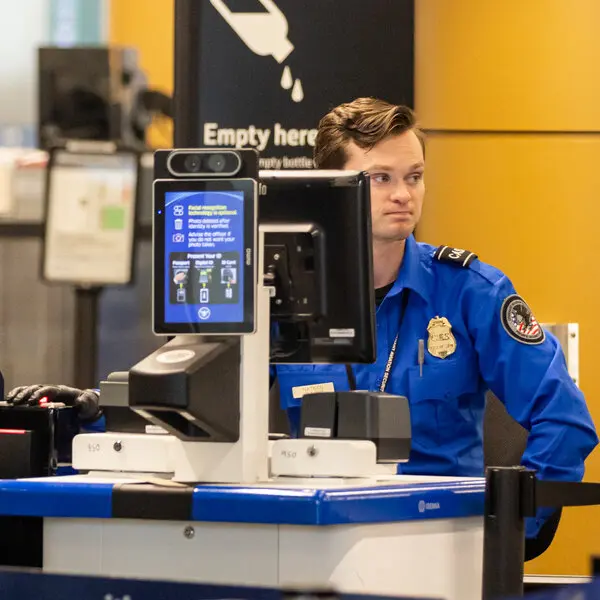
Earlier in the day, Senate Republicans had discussed the idea of unilaterally funding the salaries of TSA workers, and Trump’s executive order seemed to be a response to this proposal. Although many Republicans supported this measure as a way to end the crisis, Democrats raised concerns about the broader implications of bypassing Congress and pushing through a solution without proper legislative oversight. Despite these concerns, it was clear that the urgency of the situation had pushed many to seek immediate solutions, even if they did not align with the traditional processes.
The Response from TSA Workers
The decision to restore pay for TSA workers was met with mixed reactions. While some agents expressed relief at the news, others were skeptical about the long-term effectiveness of such measures if the underlying political issues were not resolved. The shutdown has highlighted a growing sense of disillusionment among federal workers, many of whom feel that their work is undervalued and that their concerns are being ignored by lawmakers. As the spring break travel season continues, TSA workers remain on edge, unsure of what the future holds for them.
What’s at Stake
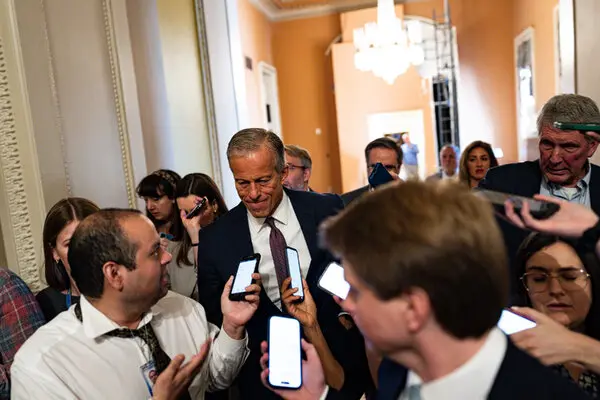
The ongoing crisis at U.S. airports has far-reaching consequences. Beyond the immediate impact on travel, the standoff has raised important questions about the functioning of government agencies and the safety of the nation’s transportation infrastructure. As travelers continue to face delays and frustrations, the broader political implications of the shutdown cannot be ignored. With both sides of the political spectrum digging in their heels, it remains to be seen how the situation will ultimately be resolved and whether the government will be able to restore order before the situation worsens.
The Road Ahead
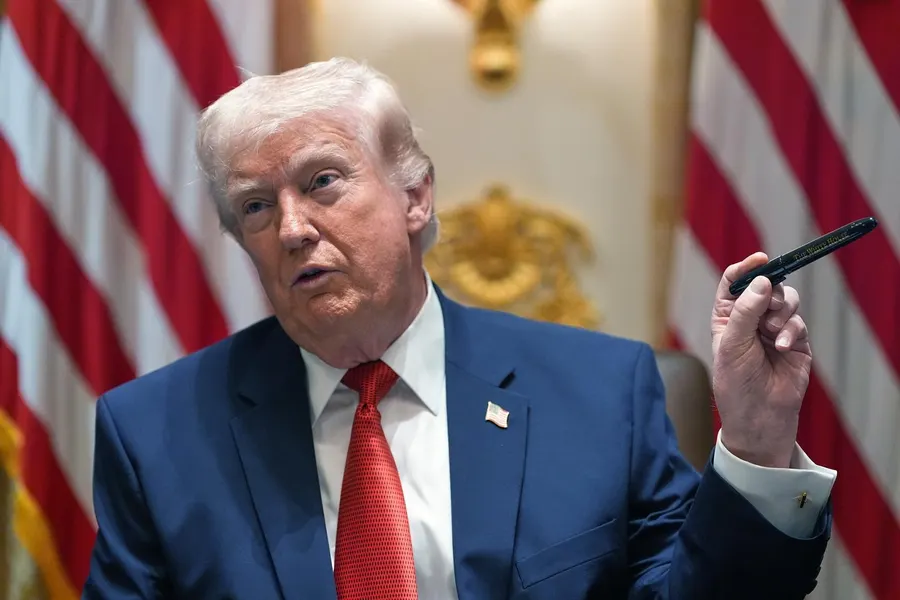
As the standoff continues, the situation at U.S. airports remains fluid, with no clear resolution in sight. The Trump administration’s decision to sign an executive order to restore pay for TSA workers may temporarily alleviate some of the immediate concerns, but the underlying political tensions remain unresolved. Travelers and federal workers alike are left waiting for a permanent solution, while lawmakers continue to debate the future of the Department of Homeland Security and its role in national security. With the spring break travel season in full swing, the pressure is on Congress to act quickly and bring the government shutdown to an end before more damage is done.
Conclusion
The government shutdown has created a crisis at U.S. airports, with TSA workers going unpaid and causing significant delays for travelers. President Trump’s executive order to restore pay for TSA workers may provide temporary relief, but the underlying political impasse remains unresolved. As the shutdown drags on, it is clear that both sides of the political spectrum must come together to address the broader issues at play. Until then, travelers will continue to face uncertainty, and federal workers will remain in a state of limbo, unsure of what the future holds.