
Table of Contents
The Sensory Gap in Traditional Implants
Dental implants have long been a reliable solution for replacing lost teeth, offering durable, cosmetically seamless replacements made from titanium. These implants are embedded into the jawbone and topped with a crown to mimic the appearance of a natural tooth. They restore chewing function, help maintain jaw structure, and prevent bone loss. However, they fall short in one critical area: sensation.
Unlike natural teeth, which are connected to the nervous system and send sensory feedback to the brain, traditional implants are numb. The sensory loss following tooth extraction can create subtle but significant changes in the way the mouth functions. For instance, chewing may feel less precise, speech patterns can shift, and facial muscle coordination may be altered. Patients may not even realize how much they miss these sensations until they’re gone. The inability to feel the texture of food or the temperature of a drink leads to a diminished experience of everyday life.
The Smart Tooth: A Breakthrough in Dental Innovation
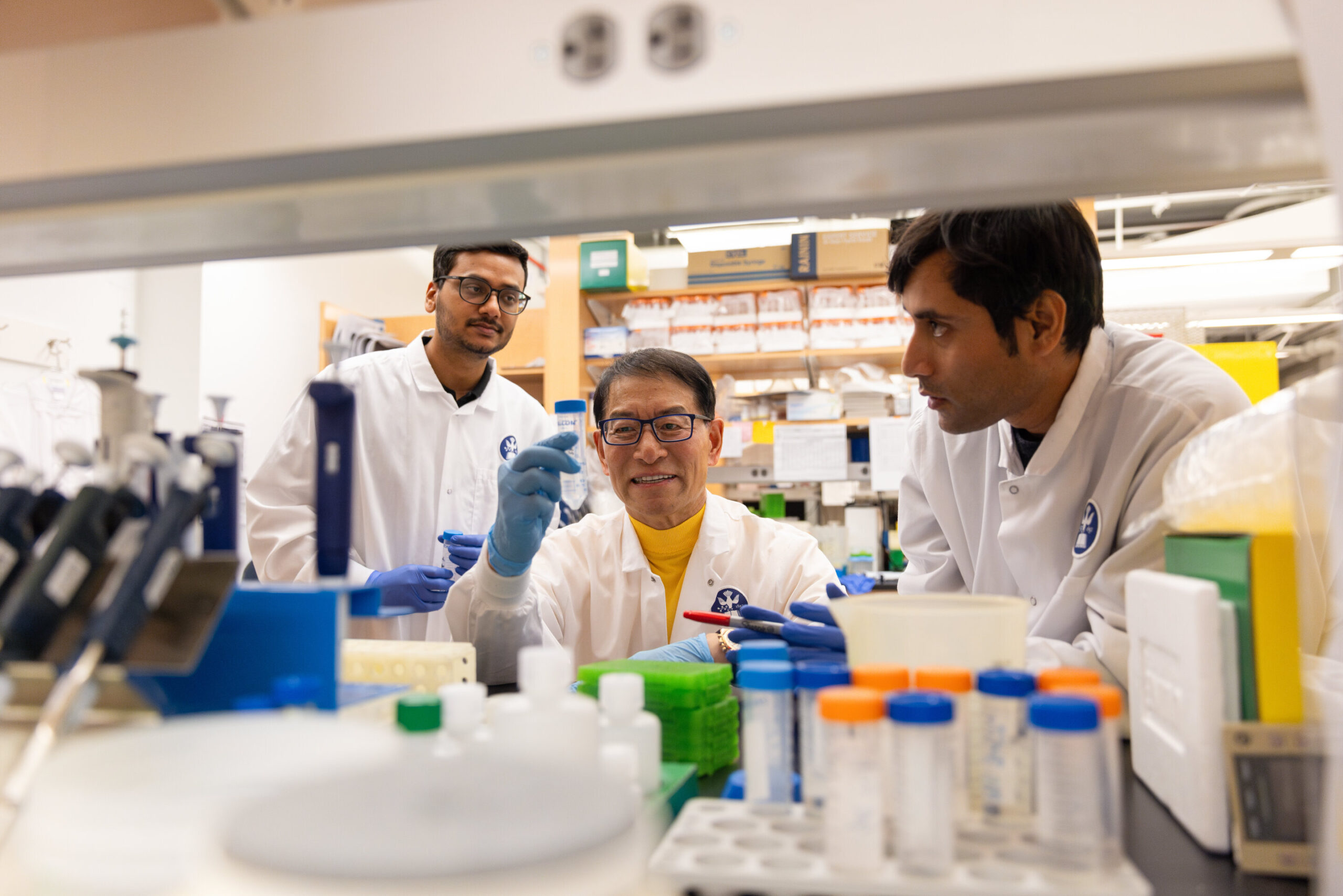
Tufts University’s smart tooth aims to change all of that. Rather than simply filling the gap left by a missing tooth, this implant has the potential to connect directly with the body’s nerve system, offering a living, responsive connection. The researchers have designed a biodegradable scaffold that serves as the foundation of the implant. This scaffold is seeded with stem cells and nerve-regenerating proteins that encourage tissue and nerve growth.
The innovative part of the design is its ability to allow the body to “heal” the implant. Over time, the scaffold dissolves, encouraging surrounding gum and nerve tissue to integrate into the implant structure. Early trials with animals have shown that nerve fibers begin to extend into the implant within weeks of placement, with no signs of immune rejection. This breakthrough could open the door to a new era of dental care, where implants are not just mechanical replacements, but functional parts of the body’s natural systems.
The Science Behind the Smart Tooth
The science behind the smart tooth is rooted in the body’s natural healing process. Traditional implants rely on a mechanical bond between titanium and bone, a process known as osseointegration. This technique provides stability but does not address the biological systems that make natural teeth responsive. In contrast, the smart tooth uses a biodegradable scaffold designed to integrate seamlessly with the body’s own tissues.
This scaffold is filled with stem cells and proteins that promote the growth of new nerve tissue and other supporting structures. As the scaffold dissolves, the body’s natural tissue gradually replaces it, forming a living connection between the implant and the patient’s nervous system. This process restores the sensory feedback that traditional implants lack, making the replacement not just functional, but truly restorative.
Promising Early Results in Animal Trials
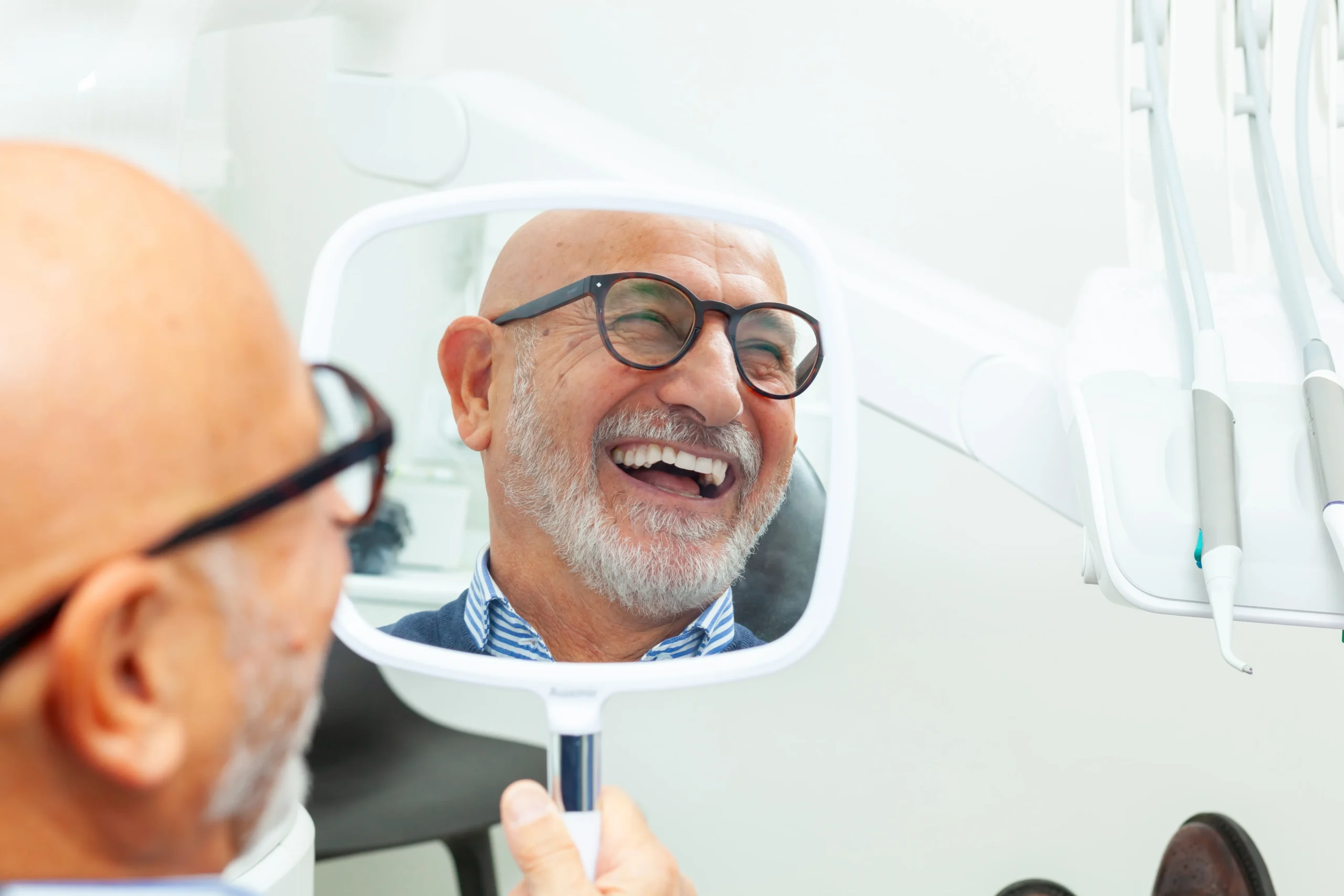
In early trials involving rodents, Tufts University researchers observed clear evidence of nerve tissue growth into the smart tooth structure within just six weeks of implantation. More importantly, these trials did not show the kind of immune response or inflammation that can often prevent the success of experimental biomaterials. This initial success marks a critical first step toward human applications. While rodents are not perfect models for human oral anatomy, they provide essential insight into the compatibility of the materials and methods used.
Next steps involve using larger animal models that more closely resemble human oral and nervous systems. If these trials continue to show successful nerve integration and biocompatibility, the research could soon move to human clinical trials. For patients, this could mean a future where tooth replacement restores not just the look and function of teeth, but also the vital sensory feedback that makes them feel like a natural part of the body.
Revolutionizing the Patient Experience
The potential impact of the smart tooth extends beyond its technical benefits. It could significantly improve the patient experience by offering a less invasive and more comfortable alternative to traditional dental implants. Current implant procedures often involve a screw-and-drill method to anchor the implant into the jawbone, which can be intimidating and uncomfortable for some patients. Additionally, patients with insufficient bone density may require bone grafting, which can add months of recovery time.
The smart tooth’s ability to integrate with soft tissue could reduce or even eliminate the need for bone grafting, cutting down on recovery time and lowering the risk of complications. Moreover, the body’s own tissue would secure the implant in place, creating a more natural fit. This biologically collaborative approach could also alleviate anxiety for patients who might otherwise avoid dental procedures due to the invasive nature of traditional implants. A less invasive, more natural approach to tooth replacement could make dental restoration accessible to more people and prevent the oral health issues that arise when gaps are left unaddressed.
Expanding the Concept: Living Prosthetics
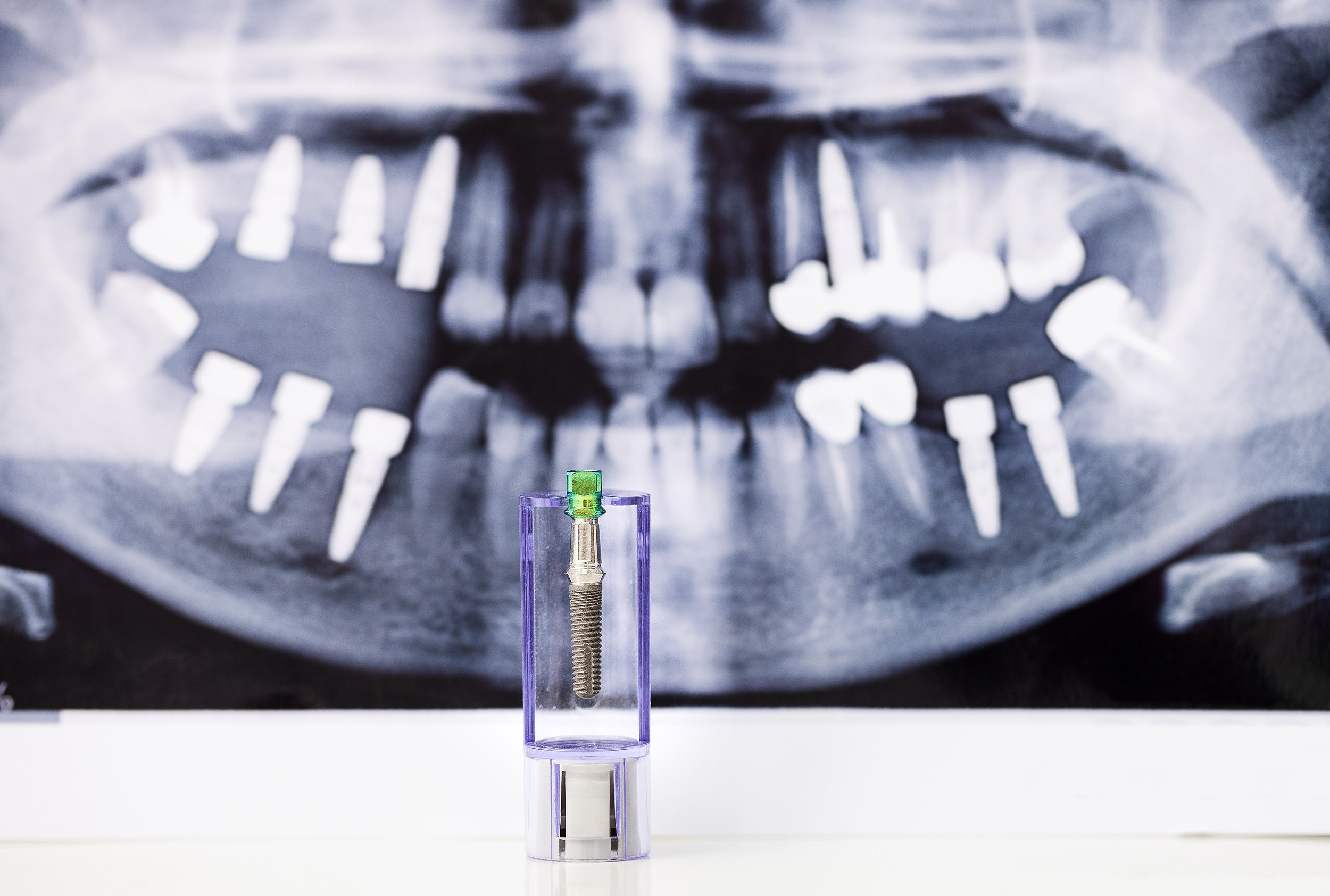
The implications of the smart tooth stretch beyond dentistry. Its nerve-friendly, tissue-integrating design is part of a growing trend in medicine to create prosthetics that are not just artificial replacements but extensions of the body’s own systems. This idea could revolutionize other fields, such as orthopedic implants, neuroprosthetics, and even spinal surgeries.
For example, orthopedic implants like artificial joints could one day be designed to sense pressure or strain, giving patients a more natural experience of movement. Similarly, prosthetic limbs might be able to detect texture, temperature, or movement, enabling them to respond like natural limbs. In the future, spinal disc replacements could communicate with the nervous system, providing patients with greater precision and safety. The smart tooth is just the beginning of this exciting new frontier in medical devices that work in harmony with the body’s natural functions.
The Future of Prosthetics and Implants
While it’s still early in the development of the smart tooth, the progress made so far is promising. The research and technology behind it could redefine not only dentistry but also the broader field of medical implants. This could lead to the development of prosthetics that offer not just form and function, but also the ability to interact with the body in a deeply integrated way.
As the technology advances, we may see a shift in how we view medical devices. Instead of being seen as separate, mechanical parts, implants could become extensions of the body, working in tandem with natural systems to restore lost functions. The smart tooth serves as a proof of concept for a new generation of prosthetics that could transform the way we approach healthcare and rehabilitation.
Conclusion
The smart tooth represents more than just a technological breakthrough; it signals a new era in dental and medical care. If successful, it could bridge the gap between artificial replacements and living, responsive tissue, restoring not just the appearance of lost teeth but also the vital sensory feedback that makes them feel like a natural part of the body. For patients, this could mean a future where tooth replacement is not just functional, but truly restorative. As this research progresses, it may pave the way for even more innovative medical devices that enhance the body’s own biological systems, offering hope for the future of healthcare.