
Table of Contents
- The Dream Decoding Breakthrough
- How the Decoding Process Works
- The Role of Artificial Intelligence in Dream Decoding
- The Ethical Implications of Dream Decoding
- Unlocking the Potential for Mental Health Treatment
- What Dreams Can Teach Us About Consciousness
- The Future of Dream Decoding Technology
- What This Means for the Future
- Conclusion
The Dream Decoding Breakthrough
The news that researchers in Japan have unlocked the ability to decode dreams as they happen is nothing short of revolutionary. Until now, the dream world was elusive, locked away behind closed eyelids, with no way to access the images and emotions playing out in our minds. However, through cutting-edge brain imaging technology, particularly functional magnetic resonance imaging (fMRI), scientists led by Professor Yukiyasu Kamitani at ATR Laboratories have made it possible to peer into the brain during sleep and directly capture the images being dreamt.
This breakthrough marks a profound shift in the way we understand consciousness and the workings of the human mind. Dreams, once considered a fleeting and highly subjective experience, can now be studied with remarkable precision, opening up the potential for a wide array of applications, from improving mental health to advancing neuroscience.
How the Decoding Process Works
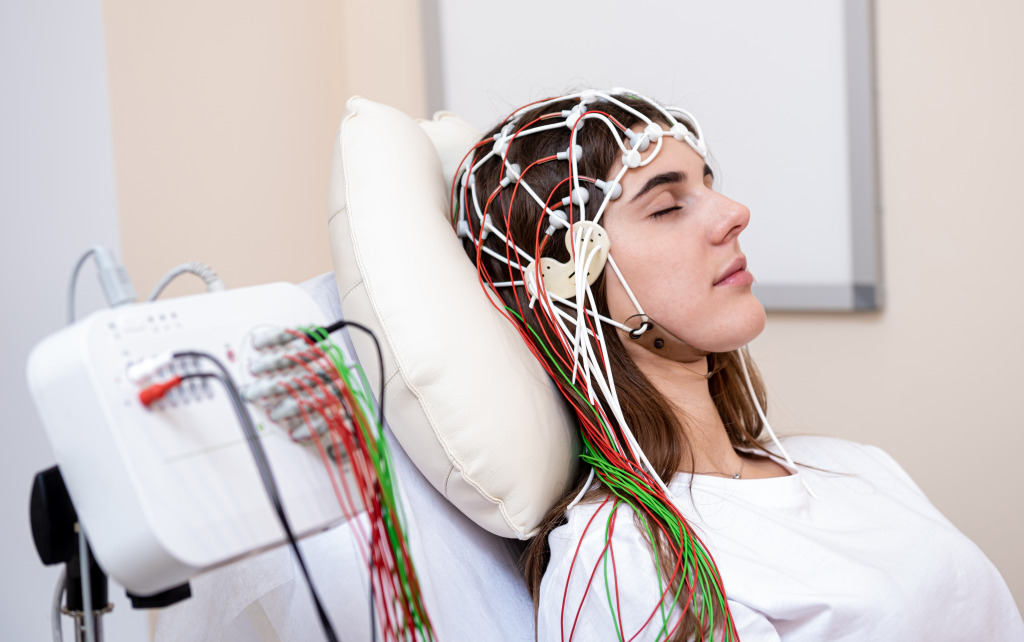
The process of decoding dreams was not without its challenges. The research required volunteers to sleep inside massive fMRI scanners, a setup that was hardly ideal for natural dreaming. Despite this, three volunteers agreed to have their sleep interrupted more than 200 times, ensuring that researchers could capture the earliest stages of dreaming. During these interruptions, volunteers would report the images and scenes they remembered from their dreams, ranging from mundane objects like keys to surreal visions of abstract structures.
Researchers then correlated these dream reports with specific patterns of brain activity, creating a database that could be used to decode dream content in real time. The team’s approach was meticulous, as they developed a system to categorize dream content, such as buildings or people, into broader visual themes. This categorization allowed for a translation key between the brain activity during sleep and the images described by the volunteers upon waking.
The Role of Artificial Intelligence in Dream Decoding
The key to decoding dreams lies in the use of artificial intelligence (AI) algorithms, which help identify subtle patterns in brain activity that correspond to different visual elements in dreams. By analyzing thousands of data points from brain scans, the AI system is able to predict with over 60% accuracy the broad categories of content in a dream. More impressively, the system’s accuracy increases to over 70% when it comes to predicting specific dream images, such as a building or a person.
While the technology has made incredible progress, there are still limitations. The current system can only interpret broad visual categories, such as buildings or human figures, but it cannot yet identify specific details, like architectural features or individual faces. Moreover, the system is tailored to each person’s unique brain patterns, meaning that dream decoding technology would require individualized calibration, preventing the development of a universal system that could decode anyone’s dreams.
The Ethical Implications of Dream Decoding
As exciting as this technology is, it also raises important ethical questions. The idea of “reading” someone’s dreams may sound like the stuff of science fiction, but in reality, it’s becoming more feasible every day. However, experts in the field, like Dr. Mark Stokes from the University of Oxford, caution that dream decoding will never be universal. Dreams are highly individual, with each person’s brain activity creating unique neural patterns. This means that the technology will require careful and voluntary calibration for each person, ensuring that their privacy is maintained.
Moreover, while dream decoding may eventually provide valuable insights into mental health and consciousness, the notion of having someone—or a machine—access your subconscious is a deeply personal and potentially intrusive experience. It is essential that researchers tread carefully and respect the boundaries of privacy when developing this technology.
Unlocking the Potential for Mental Health Treatment
One of the most promising applications of dream decoding technology lies in its potential to revolutionize mental health treatment. Dreams are often reflections of our subconscious mind, revealing underlying psychological states, fears, and unresolved issues that may not be immediately apparent during waking hours. Through objective analysis, therapists could gain unprecedented insights into their patients’ mental states, offering a more precise understanding of conditions like anxiety, depression, and PTSD.
In particular, researchers believe that dream decoding could provide valuable information about trauma-related dreams, such as recurring nightmares. By analyzing these dreams, therapists could better understand the root causes of trauma and develop more effective treatment strategies. Furthermore, understanding how different medications or therapies influence dream content could help doctors refine their treatment approaches, providing measurable outcomes for mental health interventions.
What Dreams Can Teach Us About Consciousness
Beyond its applications in mental health, dream decoding technology also promises to shed light on the fundamental nature of consciousness itself. Dreams have long fascinated scientists and philosophers, who have theorized about their meaning, function, and role in the brain. Now, with the ability to study dreams in real time, researchers can explore how the brain processes experiences, emotions, and memories during sleep.
Dreams may play a crucial role in memory consolidation, emotional regulation, and creative problem-solving. By decoding these experiences, scientists could gain deeper insights into how the brain organizes and processes information, leading to breakthroughs in areas such as learning, memory enhancement, and cognitive development. In the future, this knowledge may even contribute to the development of artificial intelligence systems that can process and integrate information in ways similar to the human brain.
The Future of Dream Decoding Technology
While the current technology is impressive, it is still in its early stages. Researchers are working toward decoding dreams during the deeper stages of sleep, such as REM sleep, where the most vivid and memorable dreams occur. Achieving this level of accuracy would significantly enhance our understanding of the full spectrum of the dreaming process and provide even more profound insights into the mind.
Furthermore, future advancements in dream decoding could expand beyond visual content to include emotions, sounds, and sensations. The challenge will be to map these subjective experiences to measurable patterns of brain activity, but the potential for breakthroughs in both neuroscience and mental health treatment is vast.
What This Means for the Future

As dream decoding technology continues to evolve, it has the potential to transform our relationship with sleep and the dreaming process. Instead of waking up and losing our dreams to the ether, we could one day review and analyze them, gaining access to a deeper understanding of our subconscious mind. This could open the door to new ways of enhancing creativity, learning, and emotional well-being, as well as providing valuable tools for therapists and mental health professionals.
However, as with any technological breakthrough, it is important to approach dream decoding with caution and respect for privacy. As researchers continue to unlock the secrets of the sleeping mind, we must ensure that the technology is used responsibly and ethically, with the well-being of individuals at the forefront of its development.
Conclusion
In the coming years, dream decoding technology may reshape our understanding of the mind, consciousness, and mental health. What was once the stuff of science fiction is now becoming a reality, offering us a new tool for exploring the deepest corners of the human experience. While there are still challenges to overcome, the promise of decoding dreams in real time is one of the most exciting advancements in neuroscience, and its impact on our world could be profound.