
Table of Contents
The Scrutiny on Immigrant Drivers
The push to increase regulatory oversight on immigrant truck drivers intensified following a deadly crash in Florida caused by a driver who was not authorized to be in the U.S. The incident, which resulted in the deaths of three people, brought attention to the fact that many truck drivers in the industry are immigrants, many of whom face language barriers. Transportation Secretary Sean Duffy has since focused on ensuring that drivers meet English proficiency standards, an initiative that disproportionately affects immigrant drivers.
Dave Laut, the owner of FBT Inc., a trucking company with over 300 trucks, explained how difficult it has become to hire enough qualified drivers. He shared his frustration about the increasing challenges faced by immigrant drivers, particularly from the Sikh community, who feel targeted by the heightened scrutiny. Laut claims that many of his Sikh drivers, like the ones involved in the Florida crash, are quitting truck driving because they feel unfairly profiled and insulted. Despite being hardworking and reliable, they are being discouraged from staying in the profession due to the perception of discrimination.
Homeland Security Audits and Company Impact
Laut’s company, FBT Inc., recently underwent a Homeland Security audit of its drivers’ immigration statuses. Despite passing the review, Laut said that many of his drivers, especially those of Sikh descent, are leaving the profession. The broader trucking industry, especially in California, is facing similar challenges. Many firms are undergoing immigration status audits, increasing the pressure on trucking companies that rely heavily on immigrant labor.
While some trucking firms have passed these audits without issue, the constant fear of additional scrutiny has led to a sharp decline in available workers. Laut’s experience highlights a critical issue: even when a company is compliant, the uncertainty surrounding immigration policies has already resulted in a significant loss of drivers. This loss is not limited to just one company or state; it is a broader trend that affects the entire trucking industry, particularly in regions with a high percentage of immigrant workers.
Regulatory Changes and Industry Concerns
The Trump administration’s proposal to decertify up to 7,500 trucking programs has raised alarms across the industry. The decertification of these programs could further complicate the process of recruiting and training new drivers. Although experts believe that many of the affected schools are already idle or have been noncompliant for some time, the uncertainty of the situation could deter potential drivers from entering the field. This could exacerbate the ongoing driver shortage, a problem that has plagued the trucking industry for years.
Logan Cooper, a professional in the logistics sector with OEC Group, which arranges the delivery of containers from ports, expressed concerns about the potential impact of these regulatory changes. While he believes that the trucking industry may have some room to absorb these changes, he acknowledged that there will likely be significant effects over time, particularly if the decertification of programs leads to a loss of skilled workers.
Challenges for Smaller, Immigrant-Owned Trucking Schools
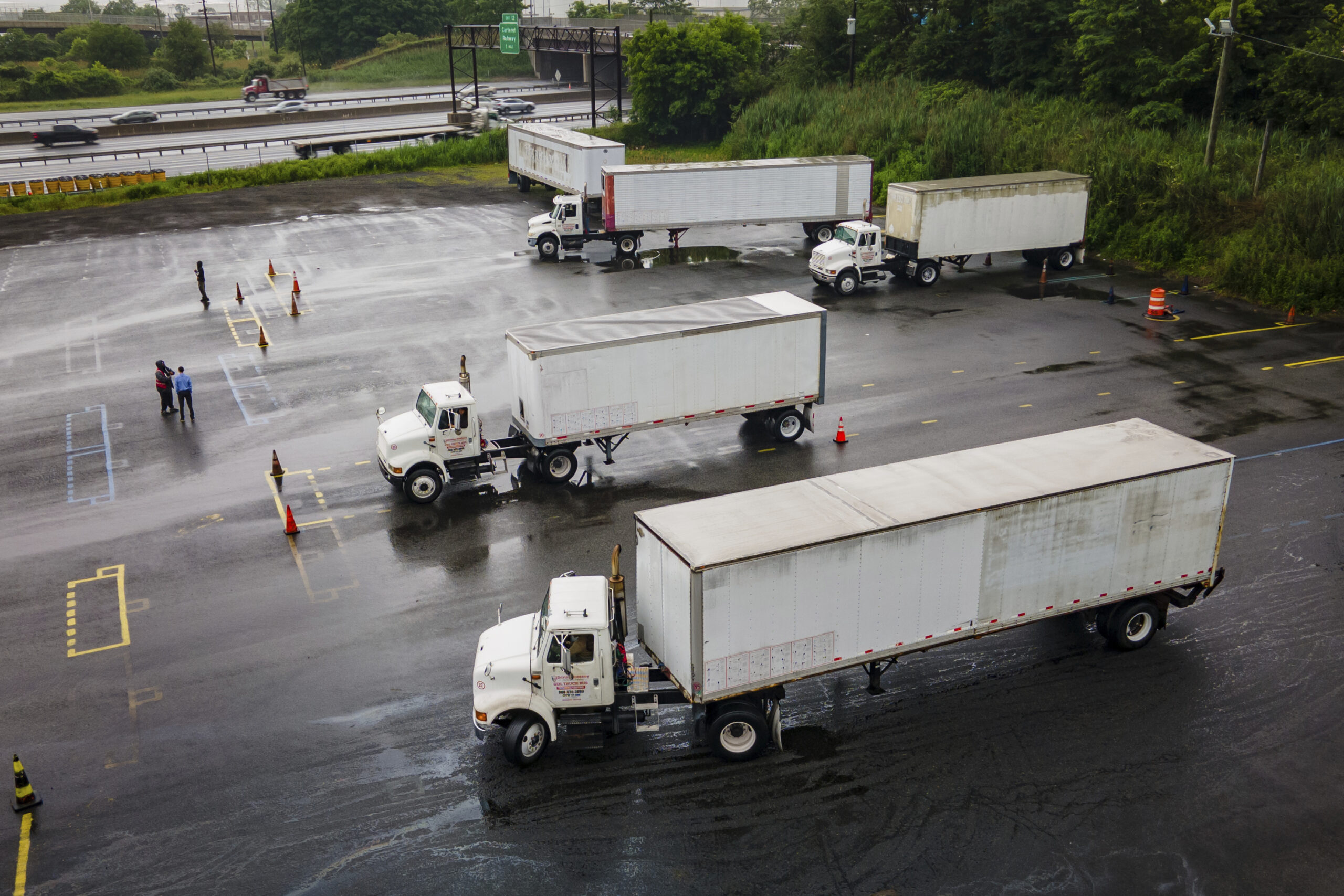
The focus on immigrant drivers is not limited to large companies like Laut’s. Smaller, immigrant-owned trucking schools are also feeling the effects of the increased scrutiny. The decertification of trucking programs could disproportionately affect these smaller schools, many of which cater to immigrant communities and offer affordable training. These programs often serve as a stepping stone for immigrants seeking to enter the trucking industry, but with the increasing regulatory pressure, many may be forced to shut their doors.
Blair Robbins, a partner with EisnerAmper who advises companies on transportation needs, noted that the potential for decertification and the loss of immigrant-driven programs could significantly affect the availability of qualified drivers in the future. Robbins pointed out that even though the immediate impact might be minimal, the long-term effects of these regulatory changes could slow down efforts to attract and train new drivers, particularly from immigrant communities that play a crucial role in the trucking industry.
The Risk of Further Fragmentation

One of the key concerns about the Trump administration’s approach is that it could further fragment the trucking industry. While the larger, more reputable schools are likely to remain unaffected, smaller schools that serve immigrant communities could struggle to survive under the weight of increased regulation. This could lead to a reduction in the diversity of the industry and limit opportunities for new drivers to enter the profession, especially for those who may not have the financial resources to attend more expensive training programs.
The trucking industry has long relied on immigrant workers, and the current wave of scrutiny could lead to a labor shortage that exacerbates an already dire situation. As more immigrant drivers leave the industry, the trucking companies that rely on them could face even greater challenges in meeting the nation’s transportation needs.
Immigrant Drivers: A Critical Workforce

Immigrant drivers have long been a backbone of the U.S. trucking industry. They make up a significant portion of the workforce, particularly in California and other states with large immigrant populations. The Trump administration’s focus on English proficiency and immigration status has put these workers in a precarious position. Despite their crucial role in keeping the country’s supply chains running smoothly, immigrant drivers are now finding themselves under increased scrutiny.
The trucking industry is already facing a shortage of drivers, and the loss of immigrant workers could worsen this issue. According to the American Trucking Association, the industry is currently short of more than 60,000 drivers, a number that is expected to grow in the coming years. The focus on immigrant drivers, who represent a significant portion of the workforce, could lead to further shortages and disrupt the flow of goods across the country.
The Long-Term Impact on the Trucking Industry

The Trump administration’s move to increase regulatory scrutiny on truck driver training and immigrant workers is not without consequences. While the immediate impact may be minimal, experts predict that the long-term effects could be significant. The loss of immigrant drivers, combined with the decertification of trucking programs, could slow the growth of the industry and lead to a more fragmented workforce.
The trucking industry is vital to the U.S. economy, and any disruption in the availability of qualified drivers could have ripple effects throughout the supply chain. As the industry continues to grapple with labor shortages and regulatory pressures, it remains to be seen how it will adapt to the changing landscape.
Conclusion
The Trump administration’s latest move to enforce stricter standards for truck driver training and immigrant workers has raised concerns about the future of the trucking industry. While the immediate impact may not be as severe as some fear, the long-term effects could disrupt the supply chain and lead to a reduction in the availability of qualified drivers. Immigrant drivers, who make up a significant portion of the workforce, are bearing the brunt of the scrutiny, with many quitting the profession due to increased targeting and discrimination. As the industry faces these challenges, it will need to adapt to the changing regulatory landscape and find ways to attract and retain the drivers it needs to stay competitive.