
Table of Contents
FBI Complaint Details
The FBI complaint, dated September 3, 1996, describes Epstein’s troubling behavior in detail. Farmer reported that Epstein had stolen photographs of her sisters, aged 12 and 16, which she had taken for her art class. Epstein allegedly sought out further images of young girls, requesting that Farmer take pictures of them at swimming pools. The complaint also mentioned that Epstein threatened Farmer, saying he would burn down her house if she reported him.
The complaint was filed in the context of child pornography, though the term “child sexual abuse material” is more commonly used today. Despite these detailed and serious allegations, Epstein was not charged with possessing or trafficking child pornography. Instead, the U.S. government allowed Epstein to evade full accountability for these crimes for many years. For Farmer, seeing this complaint released was both a vindication and a painful reminder of how the system failed to act on her information.
Maria Farmer’s Fight for Justice

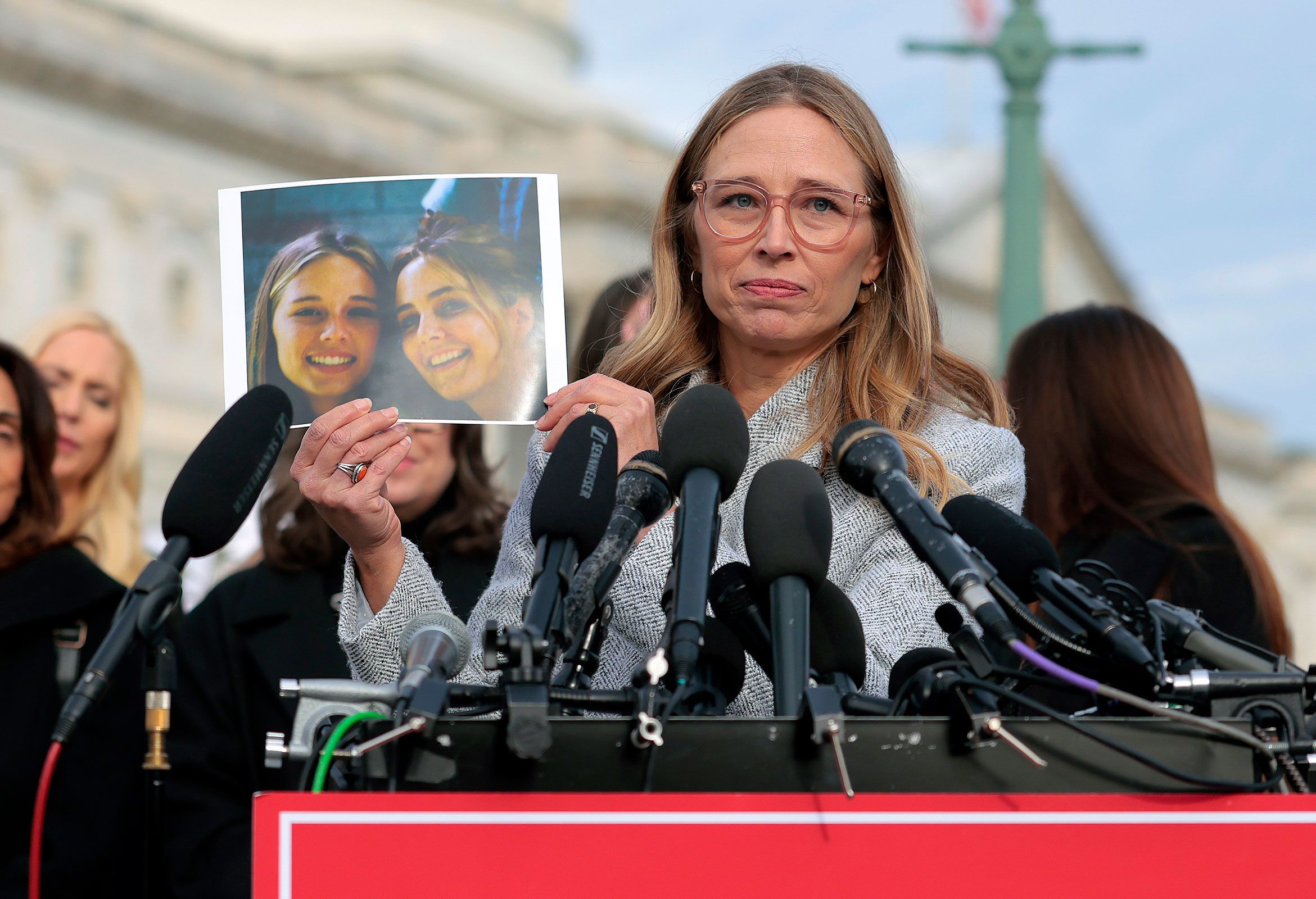
For Maria Farmer, the release of the 1996 FBI complaint was a long-awaited moment of justice, though she continues to fight for more documents and recognition of the abuse she suffered. Her lawyer, Jennifer Freeman, expressed frustration that the government had failed to properly investigate Epstein’s crimes years earlier, when the evidence was much clearer. Freeman has been vocal about the need for accountability, especially considering that possession and distribution of child sexual abuse material is a federal crime that could have been prosecuted.
In a statement, Farmer shared her emotional reaction to the release of the document. “I’m crying for two reasons,” she said. “I want everyone to know that I am shedding tears of joy for myself, but also tears of sorrow for all the other victims that the FBI failed.” Farmer’s fight for justice is far from over, as she continues to push for more transparency and accountability from the institutions that allowed Epstein to operate with impunity for so long.
The Missing Evidence
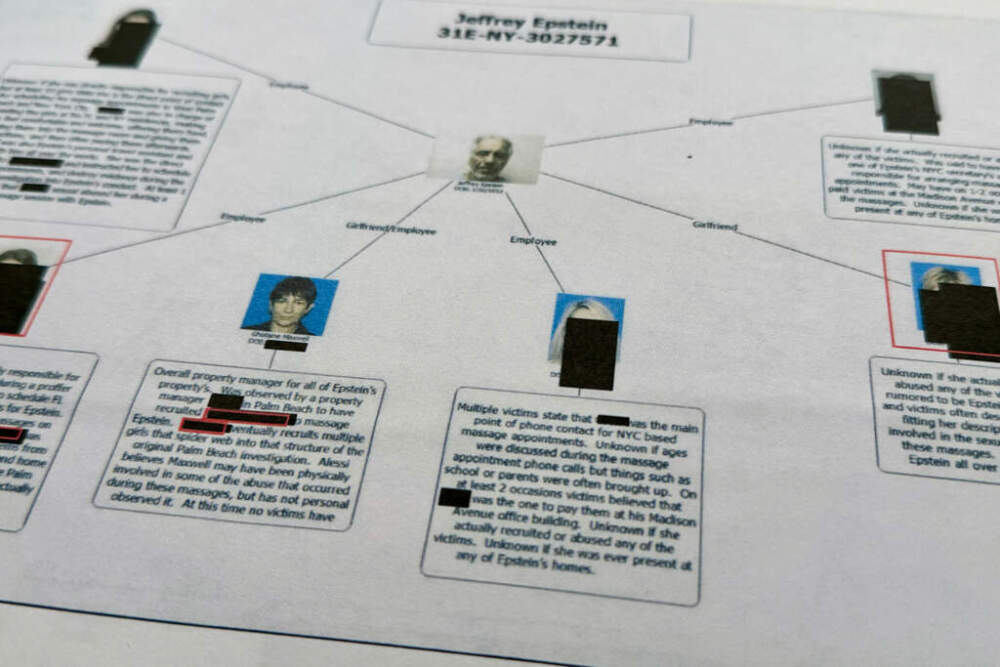
Farmer’s complaint is not the only piece of evidence that was ignored by the authorities for years. In the years following her complaint, Farmer reported multiple disturbing details about Epstein’s actions. She claimed that Epstein and Maxwell had not only taken her sisters’ photographs but had transported them from Ohio to New York, potentially using them for illicit purposes. Despite these serious allegations, no charges were brought against Epstein for child pornography at the time.
Freeman, Farmer’s lawyer, argued that the federal government should have investigated Epstein much sooner. She pointed out that the nature of the crime—child sexual abuse material—makes it easier to gather evidence and prosecute, as it often involves physical or digital proof, such as videos or images. Yet, Epstein’s lawyers fought efforts to seize his computers and hard drives, and the case was mishandled multiple times.
The FBI’s Inaction and the 2007 Non-Prosecution Agreement
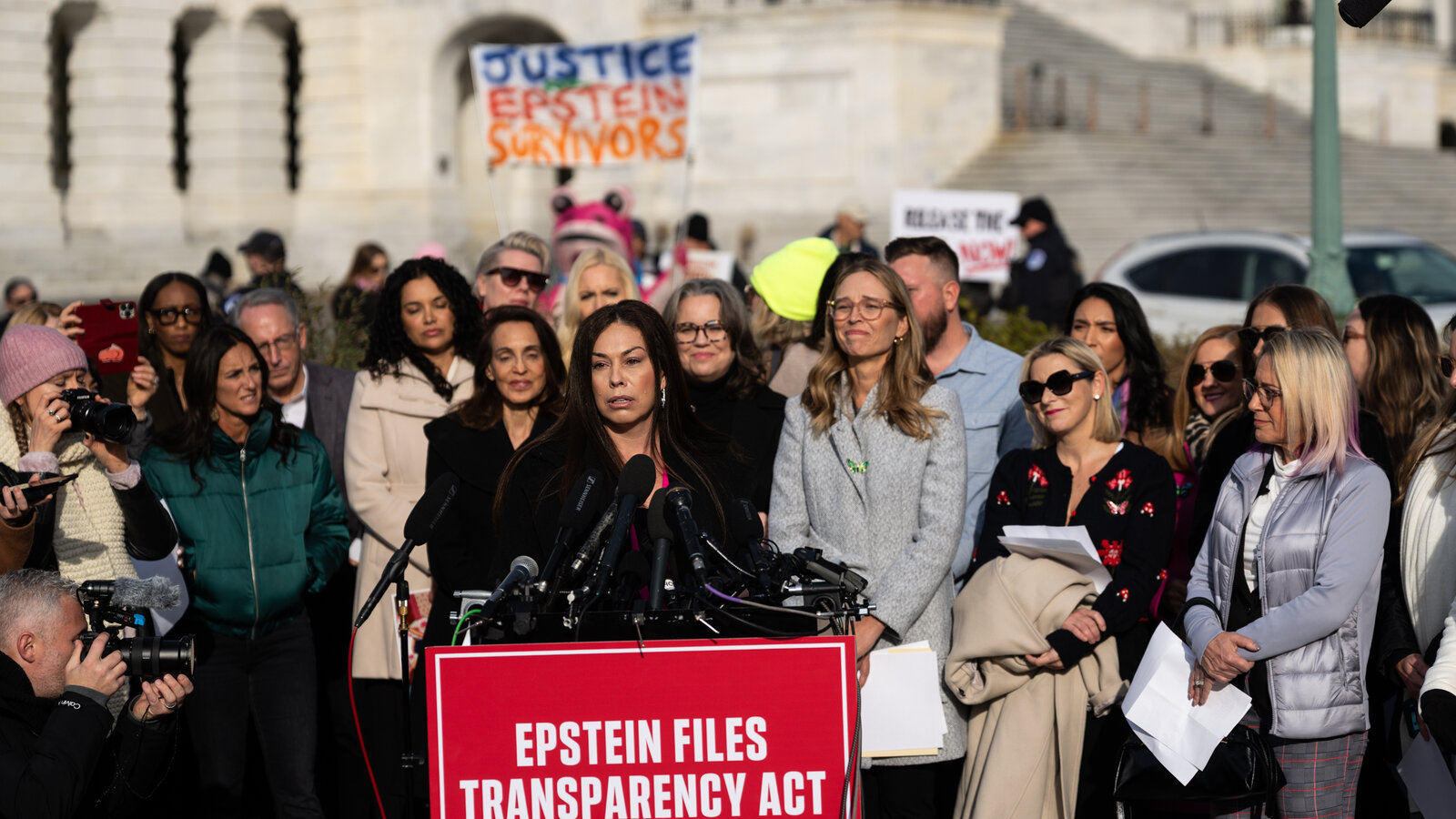
In 2007, Epstein was investigated for his crimes, but the FBI’s failure to seize critical evidence from his property allowed him to continue his operations. In that year, Assistant U.S. Attorney Anne Marie Villafaña made repeated attempts to access computers and hard drives from Epstein’s residence. However, Epstein’s lawyers fought back, claiming that they would handle the case at the state level in Florida. In the end, Epstein’s legal team brokered the now-infamous non-prosecution agreement, which allowed him to plead guilty to two minor state charges—solicitation of prostitution and solicitation of prostitution from a minor.
This agreement, which shielded Epstein from federal prosecution, is one of the key points in Farmer’s civil lawsuit against the government. She argues that the FBI and other agencies failed to take action when they had the evidence to charge Epstein with far more serious crimes, including trafficking and possession of child pornography.
The Victims’ Continued Struggles
Since Epstein’s arrest in 2019, many of his victims have come forward to share their stories. In addition to Maria Farmer, who has been vocal about her experience, other survivors like Marina Lacerda have stepped forward to describe the horrors they endured at Epstein’s hands. Lacerda, who identified herself as a victim first recruited by Epstein in 2002, recalled the extent of the surveillance and manipulation that took place at Epstein’s properties, including hidden cameras and monitoring systems throughout his homes.
Despite the release of thousands of files related to Epstein, including videos and images of child sexual abuse material, survivors like Farmer are still fighting for justice. The lack of legal consequences for Epstein’s actions continues to haunt his victims, who feel that their experiences have not been fully acknowledged by the government.
Farmer’s Civil Lawsuit
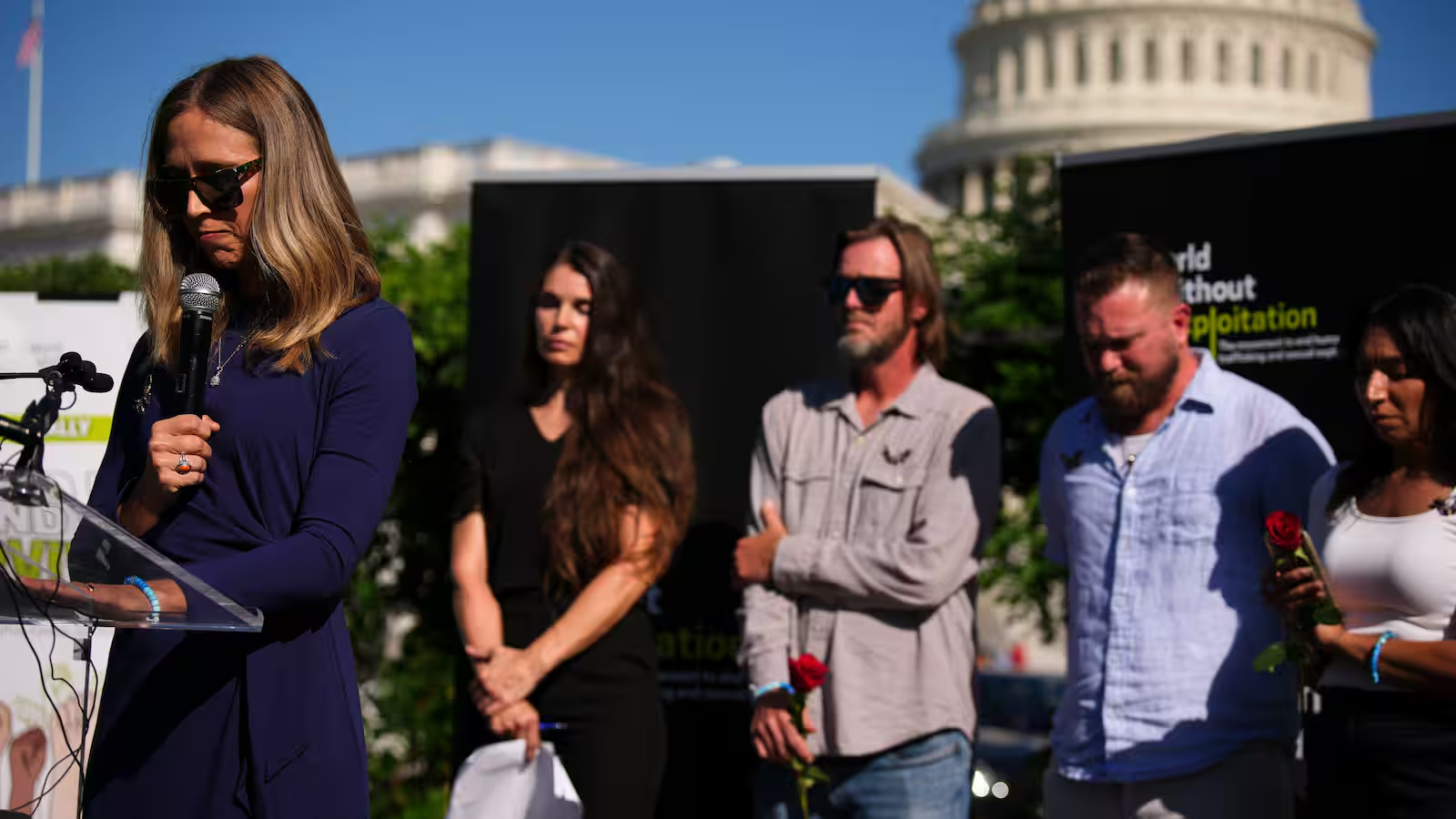
In 2023, Maria Farmer filed a civil lawsuit against the U.S. government, alleging that law enforcement had been negligent in handling the Epstein case. She claims that the FBI ignored her early complaints about Epstein and Maxwell and that the government’s failure to investigate properly allowed Epstein to continue his criminal activities. The lawsuit is ongoing, and Farmer seeks financial damages for the emotional and psychological harm caused by the government’s inaction.
Despite this ongoing fight, Farmer remains hopeful that the release of the 1996 complaint will bring attention to the systemic failures that allowed Epstein to evade justice for so long. She has also continued to push for the release of additional documents that could help hold Epstein and his enablers accountable.
The Importance of the FBI’s Document Release
The release of the 1996 FBI complaint is a significant moment for Maria Farmer and other Epstein survivors. It represents a victory in their long fight for justice and shines a light on the failures of law enforcement in handling Epstein’s case. The document validates Farmer’s claims and provides a glimpse into the systemic failures that allowed Epstein to continue his abusive practices for decades. However, the release is just one step in the ongoing struggle for accountability.
While Farmer is grateful for the release, she remains focused on ensuring that more documents are made available and that Epstein’s victims receive the justice they deserve. The fight for justice is far from over, and survivors like Farmer continue to seek accountability from the government and other institutions that failed to protect them.
Conclusion
The release of Maria Farmer’s 1996 FBI complaint against Jeffrey Epstein is a significant moment in the ongoing fight for justice for Epstein’s victims. The document provides critical evidence of Epstein’s early exploitation of young girls and highlights the FBI’s failure to act on this information. For Farmer, the release represents a long-awaited validation of her allegations, but it is also a painful reminder of the years of inaction by the authorities. As she continues to fight for justice, Farmer’s case serves as a powerful reminder of the need for greater transparency and accountability in the handling of cases involving sexual abuse and trafficking.