

Table of Contents
Idaho’s Decision to Make Firing Squad the Default Method
The decision to make the firing squad Idaho’s primary method of execution marks a significant shift in how death row inmates will be executed in the state. Governor Little’s signing of House Bill 37 into law on March 17, 2026, was a direct response to the difficulties Idaho has experienced in carrying out executions by lethal injection. These challenges have included difficulties obtaining the necessary chemicals for lethal injections, which are often in short supply due to stringent regulations and global opposition to their use in capital punishment.
Idaho’s new law makes the firing squad the default method of execution starting July 1, 2026. Previously, the state had allowed the firing squad as a backup method, only to be used when lethal injection was unavailable. Now, it will be the primary method, with lethal injection serving as a secondary option. The law passed with significant support in the Idaho Legislature, where it was approved by both chambers with overwhelming votes—28-7 in the Senate and 58-11 in the House. The decision follows a national trend where states have increasingly looked for alternative methods of execution due to difficulties with lethal injections.
Why Idaho Chose the Firing Squad

Supporters of the law argue that the firing squad is a more reliable and certain method of execution. Proponents like Rep. Bruce Skaug, R-Nampa, who co-sponsored the bill, have emphasized that the firing squad provides a quick and definitive outcome. Skaug described the firing squad as “certain” and “quick,” offering justice for victims and their families in a more expeditious manner compared to other methods of execution, which often face lengthy delays due to legal appeals.
The decision to adopt the firing squad was also influenced by the logistical challenges surrounding lethal injections. In recent years, several states have faced difficulties obtaining the necessary chemicals for lethal injections due to international restrictions and ethical objections from pharmaceutical companies. Idaho’s previous attempt to execute death row inmate Thomas Creech in 2024 was called off when officials failed to establish an IV line to administer the lethal injection drugs.
Firing Squad as a Humane Method of Execution

One of the key arguments in favor of the firing squad as a method of execution is its perceived humanity. Supporters argue that it is a swift and relatively painless way to carry out a death sentence. Some legal experts and lawmakers point to past cases where execution by firing squad was immediate and free of the prolonged suffering sometimes associated with lethal injection procedures.
In 2017, U.S. Supreme Court Justice Sonia Sotomayor, in a dissenting opinion, described executions by firing squad as potentially more humane than lethal injection, citing the speed and relative certainty of the process. This opinion has been cited by some Idaho lawmakers as a basis for their support of the firing squad law. Proponents contend that using the firing squad as the default method will help Idaho avoid the legal and logistical challenges that have hampered the state’s ability to execute inmates under the current lethal injection protocol.
Opposition to the Firing Squad
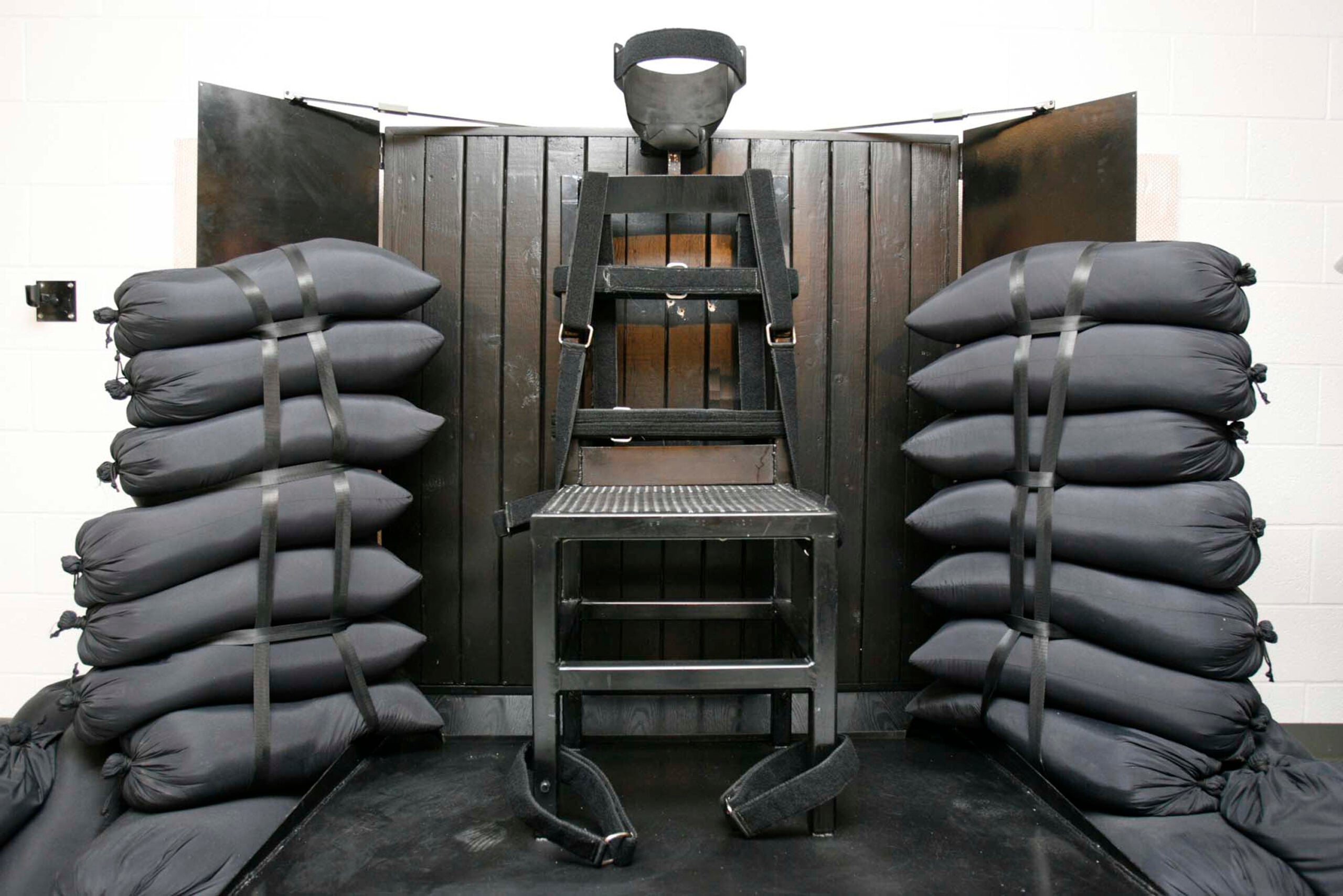
Despite the support for the firing squad, the law has faced strong opposition from both activists and some lawmakers. Critics argue that executing someone by firing squad is an archaic and brutal practice that has no place in modern society. Senator Dan Foreman, R-Viola, a combat veteran and retired police officer, was the only Republican senator to vote against the bill. Foreman expressed concerns that the firing squad could cause unnecessary suffering and harm, even if the method is intended to be quick and certain.
Human rights advocates have long criticized the death penalty itself, regardless of the method of execution. The firing squad, they argue, is a throwback to a time when execution methods were more public and gruesome. Critics also point to the inherent violence of the practice and the psychological toll it could take on those who carry out the execution. The firing squad method has also raised concerns about its impact on public perception of the justice system.
Impact on the Death Penalty Landscape
Idaho’s move to make the firing squad the primary execution method could have a ripple effect across the U.S. The state joins a small group of five states—Idaho, Utah, South Carolina, Oklahoma, and Mississippi—that permit firing squads for executions. However, none of these states has made the firing squad the primary method of execution, with lethal injection still being the preferred option in most cases.
The decision to prioritize the firing squad may prompt other states to reconsider their approach to capital punishment. As the number of death penalty sentences continues to decline in the U.S., some states may seek alternatives to lethal injection in response to increasing public pressure and logistical difficulties. The growing use of firing squads could reignite debates about the morality and efficacy of the death penalty as a whole.
The Costs of Renovating Execution Chambers

Implementing the firing squad as the primary execution method will require significant changes to Idaho’s death chamber. Legislators have estimated that the renovations needed to accommodate the new method could cost more than the $750,000 originally appropriated for the project. However, lawmakers argue that these costs will be covered within the existing budget of the Idaho Department of Correction.
Renovating execution chambers to allow for firing squads has been relatively inexpensive in other states. In South Carolina, for example, renovations to allow the firing squad cost around $53,500. While this is a smaller amount than Idaho’s projected costs, it still underscores the financial burden that such changes can place on state budgets. Despite these costs, supporters of the firing squad method argue that it is a necessary step to ensure the effective implementation of the death penalty.
The Broader Debate Over the Death Penalty

Idaho’s decision to make the firing squad its default execution method is part of a larger, ongoing debate about the death penalty in the U.S. While executions have declined in recent years, many states still maintain the death penalty as a legal option. The controversy surrounding the death penalty involves ethical, legal, and procedural questions, including concerns about the potential for wrongful convictions, the fairness of sentencing, and the inhumanity of certain execution methods.
As public opinion continues to evolve on the issue of capital punishment, Idaho’s decision to prioritize the firing squad may signal a shift in how the U.S. addresses the death penalty. Some argue that the firing squad is a more transparent and humane way to carry out executions, while others believe it represents a return to outdated and barbaric practices.
Conclusion
Idaho’s decision to make the firing squad the default execution method raises important questions about the future of the death penalty in the U.S. While supporters argue that it is a quick and humane way to carry out a death sentence, critics contend that it is an archaic and brutal practice. As Idaho moves forward with its plans, the broader implications of this decision on the death penalty landscape remain to be seen. The firing squad law is just one part of a larger debate that continues to shape public opinion and policy regarding capital punishment in the U.S.