
Table of Contents
- When the Fight Over Wind Power Became Bigger Than Politics
- The TotalEnergies Deal Sent a Powerful Signal
- Offshore Wind Faces the Strongest Federal Resistance
- Why Experts Say Wind Still Makes Business Sense
- The Numbers Show Wind Is Not Standing Still
- Wind Power Offers More Than Environmental Benefits
- Trump’s Long War Against Wind Still Shapes the Debate
- Delays May Not Stop Wind, But They Do Raise Costs
- Global Momentum Is Even Harder to Reverse
- What the Wind Fight Really Reveals About America’s Energy Future
When the Fight Over Wind Power Became Bigger Than Politics
When news broke that the Trump administration had reached a nearly $1 billion deal with TotalEnergies to end the company’s offshore wind plans off the U.S. East Coast and redirect that investment toward domestic fossil fuel development, the move immediately looked like another major blow to renewable energy in America. It was the kind of headline designed to send a clear message: the federal government wanted to slow the rise of wind, challenge the economics of clean energy, and reassert oil, gas, and coal as the foundation of the country’s energy future.
But behind that dramatic political move lies a more complicated reality. Experts who study energy markets, electricity systems, and long term investment trends say wind power is still advancing, and not just in spite of politics, but because the economic case for it remains strong. Offshore wind may be facing the sharpest federal resistance, but onshore wind and the broader renewable sector continue to grow because utilities, businesses, and power markets still need fast, scalable, and fuel free electricity. What follows is not just the story of one administration’s attempt to halt renewable energy. It is the story of why wind power may be too deeply embedded in the modern energy economy to be pushed aside.
The TotalEnergies Deal Sent a Powerful Signal
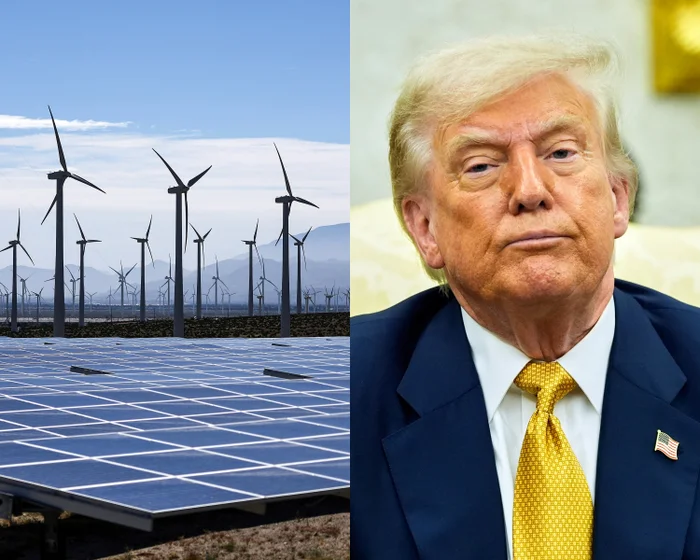
The latest flashpoint came when the U.S. Department of the Interior announced a $928 million agreement with French energy company TotalEnergies. Under the arrangement, the company would end its offshore wind development plans in federal waters off the East Coast and instead commit the same amount to fossil fuel initiatives in the United States. Once those commitments are met, the federal government would reimburse the company up to the value of its lease payments.
The administration described the agreement as a landmark win for affordable and reliable energy. Officials framed offshore wind as costly, unreliable, environmentally disruptive, and dependent on subsidies, while presenting fossil fuel development as a more secure path for the country. In political terms, the message was unmistakable. This was not just about one project. It was a declaration of priorities, a deliberate attempt to steer capital away from renewables and toward conventional energy.
Yet energy analysts were quick to point out that the deal, while symbolically significant, does not erase the broader momentum behind wind power. It may shape one company’s U.S. offshore strategy, but it does not change the deeper structural forces pushing utilities and investors toward renewable generation.
Offshore Wind Faces the Strongest Federal Resistance
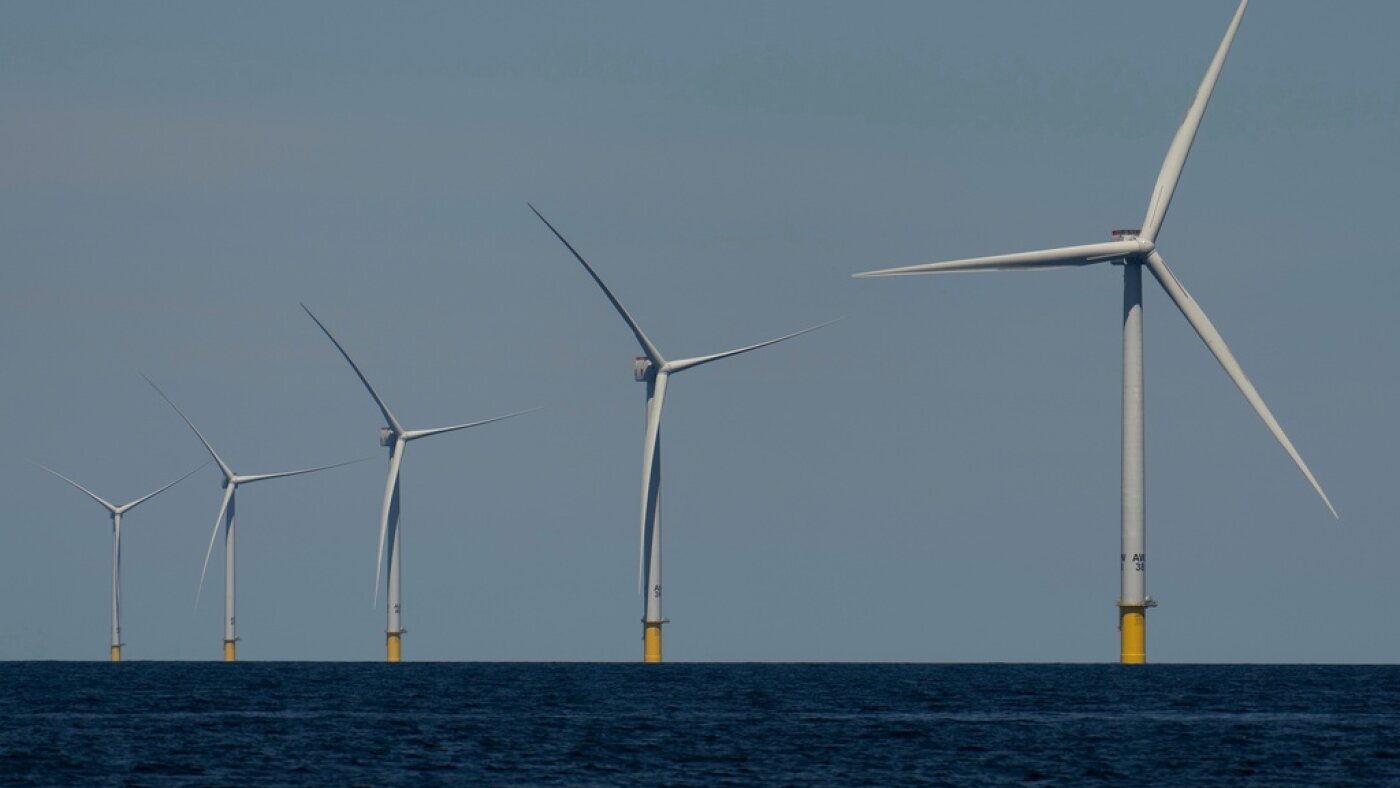
Among all forms of wind energy, offshore wind has become the most vulnerable to federal intervention. Because offshore projects are built in federal waters, the government has direct control over leasing, permits, and construction timelines. That gives Washington enormous leverage, far more than it has over most land based wind farms.
This is one reason offshore wind has faced the most headwinds from the Trump administration. The federal government can slow projects, freeze approvals, or reshape the economics of development through delays and legal uncertainty. And that is exactly what critics say has happened. Permitting freezes, national security claims, and efforts to withdraw areas from offshore leasing have made the environment far riskier for developers.
Still, offshore wind has not disappeared. Even with repeated setbacks, some projects have resumed after court challenges, and others have continued moving forward with support from states and private investors. That persistence matters. It suggests that even the most direct federal pressure has not been enough to fully stop the sector. Instead, it has made projects more expensive, more complicated, and more uncertain, but not irrelevant.
Why Experts Say Wind Still Makes Business Sense
One of the clearest reasons wind power keeps moving forward is that companies are not embracing it only for climate reasons. They are doing it because, in many cases, it makes financial sense. That point is central to understanding why the sector has proven harder to stop than political rhetoric might suggest.
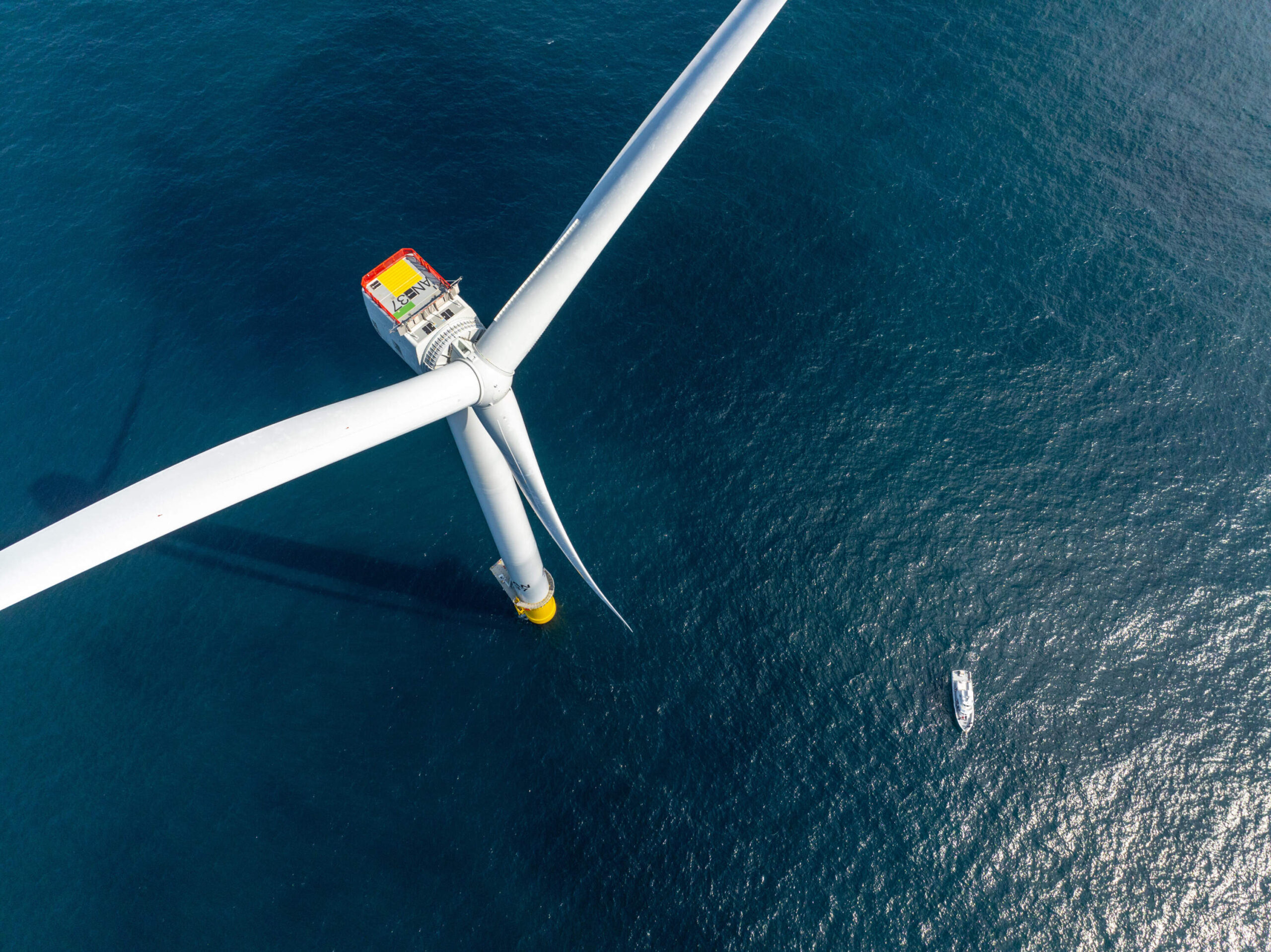
Wind energy does not require fuel in the way fossil fuel plants do. Once a wind farm is built, it can produce electricity without the ongoing cost of buying coal, oil, or gas. That changes the economics in a powerful way. It can reduce exposure to fuel price spikes and help stabilize electricity markets during periods of volatility. In other words, wind is not just cleaner. It can also be a strategic financial asset.
Experts also note that wind projects often operate under long term power purchase agreements. These contracts can suppress electricity prices by ensuring that utilities buy power at predictable rates. In a market where fuel costs can swing sharply, that kind of stability is attractive. Businesses may talk less about emissions in boardrooms than activists would like, but they understand cost control and price certainty very well. That is one reason wind power continues to attract interest even when the political climate turns hostile.
The Numbers Show Wind Is Not Standing Still
The broader data tell an even more striking story. In 2025, wind and solar together generated a record 17 percent of electricity in the United States, up dramatically from less than 1 percent in 2005. That is not a minor shift. It represents one of the most significant changes in the country’s energy mix in modern history.
Total generation from wind and solar reached 760,000 gigawatt hours last year, enough to supply electricity to tens of millions of homes. Wind alone produced 464,000 gigawatt hours, marking another annual increase. Even as federal policy moved against renewables, the industry still expanded. That contradiction is at the heart of the current debate. The administration can slow projects, challenge incentives, and create legal obstacles, but it has not been able to reverse the larger trend.
Even more telling, wind and solar accounted for nearly 90 percent of new U.S. electricity capacity added in 2025. That means most of the new power infrastructure entering the system came from renewable sources. For all the political noise around coal and fossil fuel revival, the actual buildout on the ground has continued to favor wind and solar. That is where the future is being constructed, megawatt by megawatt.
Wind Power Offers More Than Environmental Benefits
The political fight over renewables often reduces wind energy to an environmental issue, but that leaves out much of its practical appeal. Wind is valuable not only because it avoids carbon emissions, but because it can help protect consumers from the volatility of fossil fuel markets.
When fuel prices spike during extreme weather or geopolitical crises, electricity bills can rise with them. Wind power, by contrast, produces fuel free energy. That makes it an important hedge against periods of instability. Some analysts argue that this reliability during price shocks is one of the most underappreciated advantages of renewable energy.
Wind also has another important strength: speed. Once projects clear regulatory hurdles and are built, they can come online relatively quickly compared with some other forms of large scale electricity generation. In a moment when electricity demand is growing because of data centers, industrial expansion, and rising digital infrastructure needs, that speed matters. The country needs more power, and it needs it faster. Wind is one of the resources capable of meeting part of that demand without waiting years for fuel supply chains or entirely new thermal infrastructure.
Trump’s Long War Against Wind Still Shapes the Debate
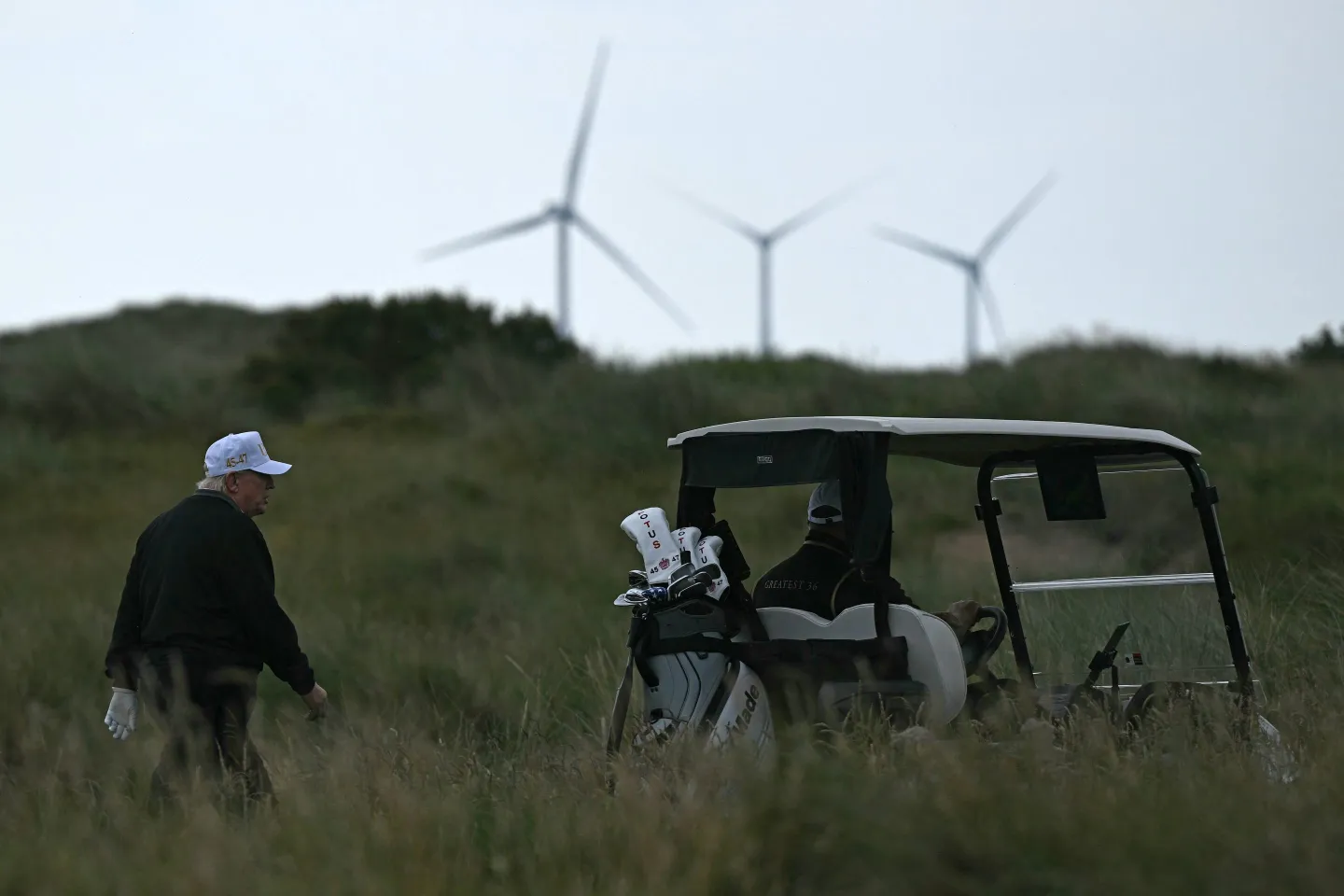
Trump’s criticism of wind energy did not begin this year. It stretches back years and has become one of the most recognizable features of his energy politics. He has repeatedly attacked wind turbines, questioned their value, and tied them to a series of controversial claims. That long standing hostility has shaped both the public conversation and the policy direction of his administration.
On the first day of his second term, Trump signed an executive order withdrawing all areas of the outer continental shelf from offshore wind leasing. Later actions built on that approach, from efforts to support coal fired electricity purchases to moves undermining the scientific and legal basis for federal carbon regulation. The pattern is clear: this is not a case of isolated policy choices. It is a coordinated ideological push against the renewable transition.
And yet, one of the most revealing aspects of this conflict is that several of the administration’s attempts to halt offshore wind have been struck down or weakened in court. Federal judges ruled against permit freezes and allowed multiple East Coast projects to resume construction after concluding the government had not justified an imminent national security threat. That legal resistance shows that the battle over wind is not happening only in political speeches. It is also unfolding in regulatory agencies, courtrooms, and state level energy planning.
Delays May Not Stop Wind, But They Do Raise Costs
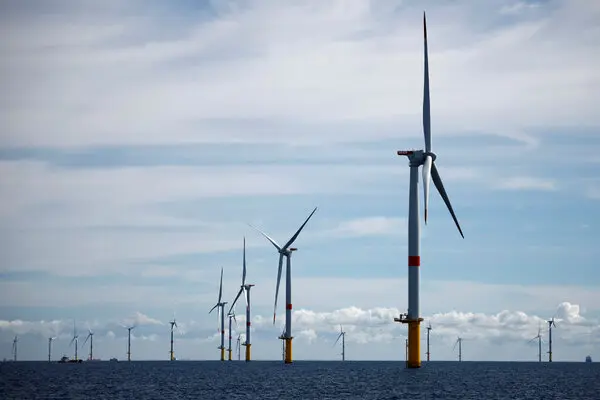
Even if experts believe wind energy will continue to grow, that does not mean federal obstruction comes without consequences. Delays can be enormously expensive. Every pause in permitting, every legal fight, and every abrupt policy change creates uncertainty for developers and investors. And uncertainty tends to drive up costs.
This matters because rising project costs do not stay confined to corporate balance sheets. They can eventually be passed through to consumers in the form of higher energy prices. In that sense, efforts to make renewable development more difficult may end up increasing the very costs the administration says it wants to reduce.
Developers can survive a tough regulatory environment if the long term economics remain favorable, but repeated disruption makes planning harder and financing more expensive. That is especially true for offshore wind, where projects are already capital intensive. So while the growth trend may continue, the path becomes rougher. America does not necessarily stop building wind power under these conditions, but it may build it more slowly and at a higher cost than it otherwise would have.
Global Momentum Is Even Harder to Reverse
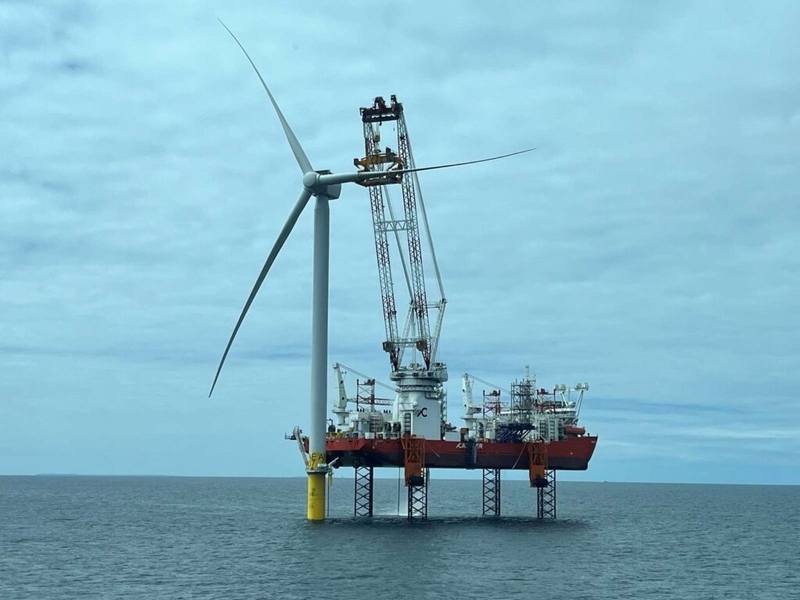
Another reason experts remain confident about wind power’s future is that the story is much bigger than one U.S. administration. Renewable energy has been expanding globally, and that momentum continues to build. Energy systems in many countries are moving toward a mix where wind, solar, storage, and modern grid infrastructure play larger roles each year.
Global renewable capacity is expected to more than double by 2030. That kind of expansion reflects investment trends, technology improvements, and the growing competitiveness of clean energy in markets around the world. Even if the United States slows part of its offshore wind pipeline, the global transition continues. Turbines will still be built, supply chains will still evolve, and expertise will still deepen.
This broader momentum matters because energy industries are not isolated within national borders. Costs fall as deployment increases. Technologies improve through scale. Lessons learned in one market influence projects in another. That means even a hostile U.S. policy environment cannot fully insulate the country from the larger direction of the global energy economy. Wind power is no longer a niche experiment. It is now part of the mainstream international energy buildout.
What the Wind Fight Really Reveals About America’s Energy Future
At its core, the fight over wind power reveals a deeper tension about how America defines energy security, affordability, and progress. The Trump administration views fossil fuel expansion as the foundation of reliability and national strength. Many energy experts, however, see the future differently. They argue that real energy security comes from diversity, speed of deployment, insulation from fuel price shocks, and the ability to build power sources that do not depend on constant fuel inputs.
That is why this debate remains so consequential. Wind power is not surviving simply because of environmental idealism. It is surviving because utilities need electricity, investors need returns, and consumers need alternatives to volatile energy costs. Politics can shape the pace, but it cannot fully erase those incentives.
The latest federal actions may delay offshore projects, unsettle investors, and hand temporary victories to fossil fuel advocates. But the underlying direction of the market still points toward more wind, more solar, and a broader transition already underway. In that sense, the most important detail in this story is not the administration’s attempt to stop wind. It is the fact that, despite all that pressure, wind power is still growing. And when an industry keeps expanding under direct political attack, it usually means the forces behind it have become stronger than any single administration can easily undo.