
Table of Contents
- When Trump’s Cuba Stance Took an Unexpected Turn
- A Russian Tanker Near Cuba Changes the Conversation
- Trump’s Comments Were Blunt and Unusual
- Cuba’s Energy Crisis Has Become Impossible to Ignore
- The Humanitarian Argument Clashes With the Political One
- Russia’s Role Still Carries Serious Geopolitical Weight
- Why Matanzas Matters
- A Hardline Policy Meets a Human Limit
- What This Means Beyond One Tanker
When Trump’s Cuba Stance Took an Unexpected Turn
When news broke that Donald Trump said he had “no problem” with a Russian oil tanker delivering relief to Cuba, it immediately stood out as one of the most striking contradictions in the current geopolitical moment. For months, Cuba has been pushed deeper into economic and humanitarian distress under the weight of a harsh U.S. oil blockade. Yet now, in a rare moment of public flexibility, Trump appeared willing to let sanctioned Russian oil reach the island anyway, even as he continued to denounce Cuba’s government in unusually blunt terms.
That contrast is what makes this story far more than a shipping update. It reveals the tension between hardline foreign policy and basic humanitarian necessity, between political messaging and real world suffering, and between Washington’s long standing efforts to pressure Havana and the undeniable reality that ordinary Cubans are paying the highest price. What follows is a closer look at the tanker, the crisis, the politics, and why this moment could matter far beyond one boatload of oil.
A Russian Tanker Near Cuba Changes the Conversation
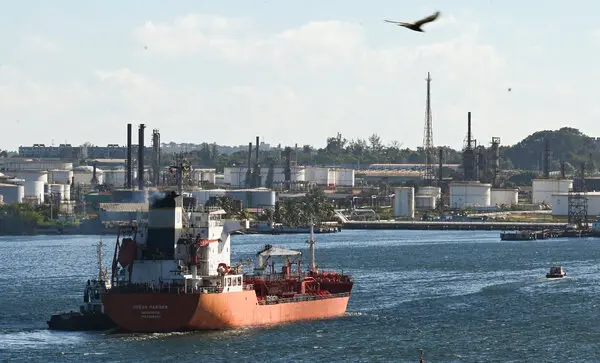
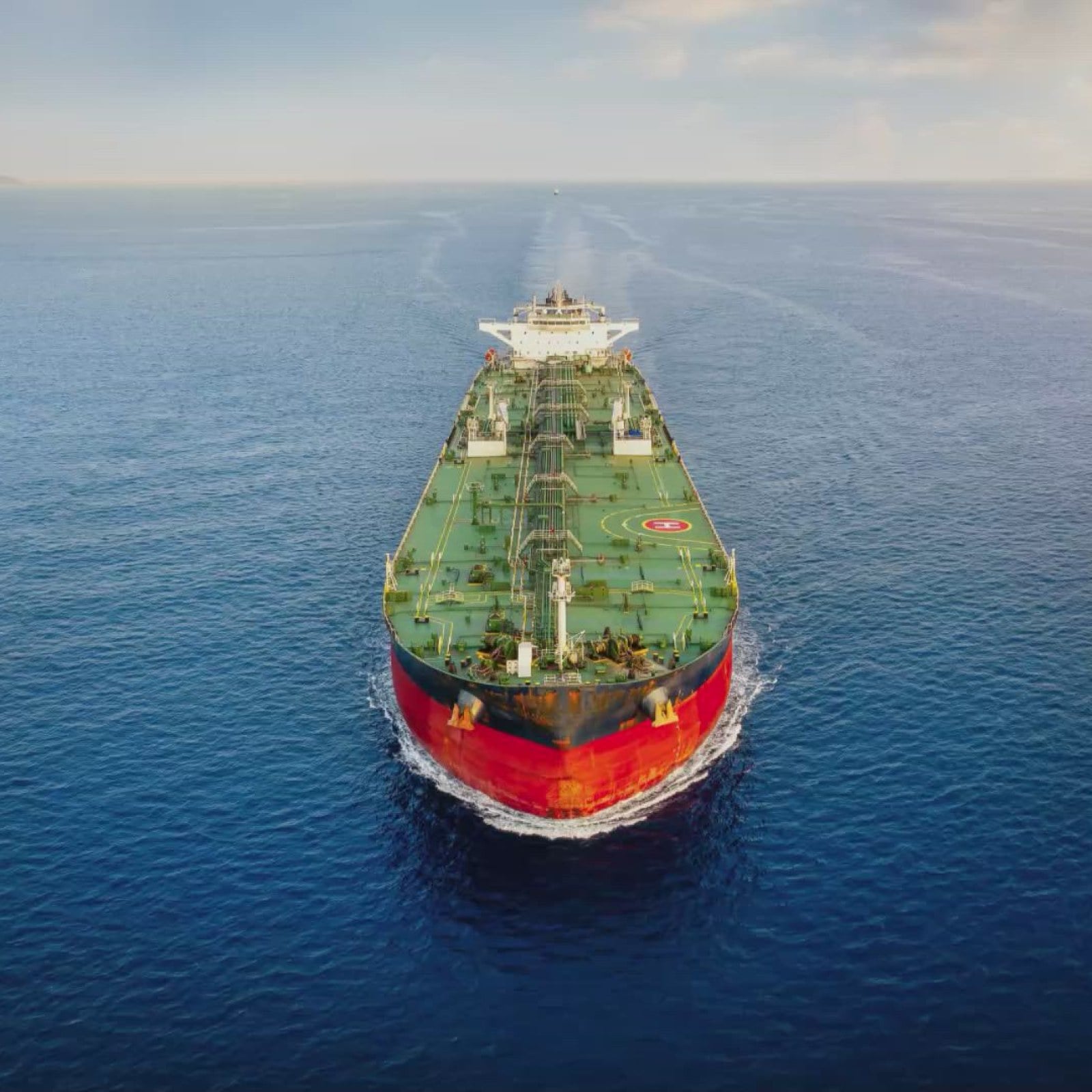
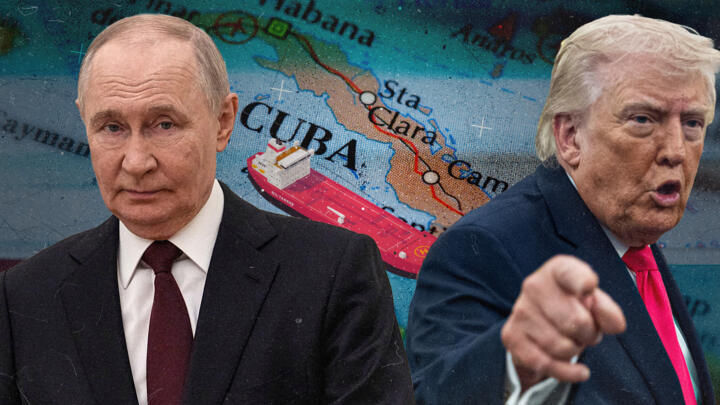
The immediate focus of the story is a Russian oil tanker carrying a major shipment toward Cuba’s coast. Tracking data indicated the vessel was approaching the island’s eastern edge and was expected to arrive in Matanzas, one of Cuba’s key energy hubs. The tanker was reportedly carrying around 730,000 barrels of oil, a volume large enough to make headlines on its own, but even more significant because of the timing.
Cuba is in the middle of a severe energy emergency. Blackouts have become routine, transportation has been disrupted, and shortages of fuel have put enormous strain on essential services. In that context, the arrival of a major oil shipment is not merely symbolic. It is potentially the difference between brief stability and another period of paralysis. Experts believe the cargo could help produce enough diesel to meet the country’s daily demand for over a week, offering at least short term relief in a system that is visibly under immense pressure.
What made the situation even more remarkable was that the tanker itself had already been sanctioned by the United States, the European Union, and the United Kingdom in connection with the war in Ukraine. Under ordinary circumstances, that detail alone would seem enough to trigger a diplomatic confrontation. Instead, Trump made clear that, at least in this case, he was not planning to stand in the way.
Trump’s Comments Were Blunt and Unusual
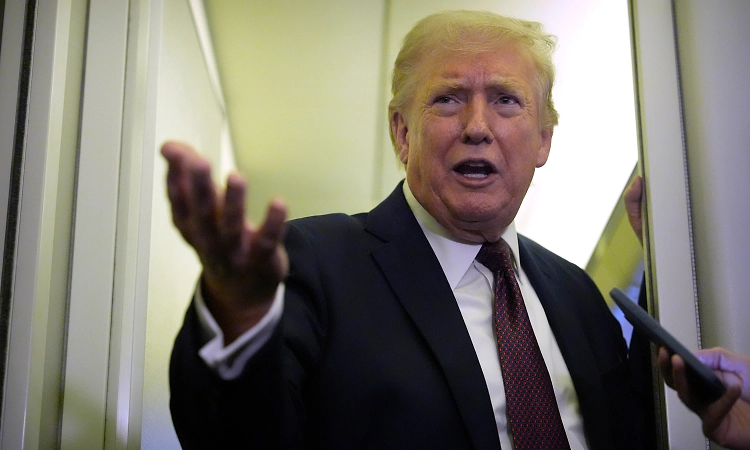
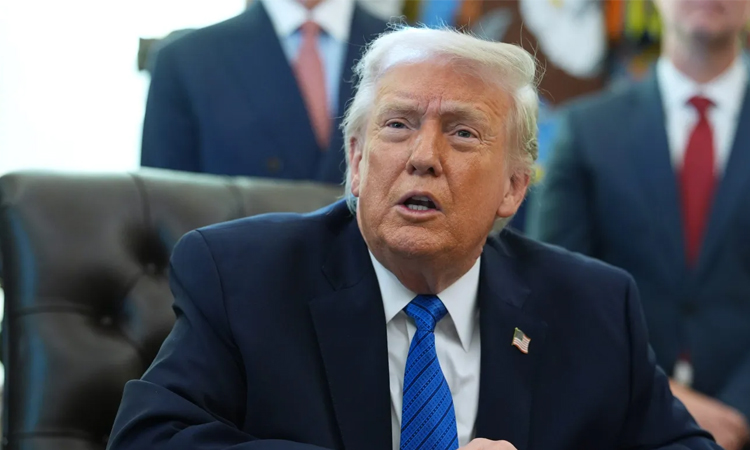
Speaking aboard Air Force One, Trump said he did not object to a country sending oil to Cuba, whether it was Russia or anyone else. He framed the decision in simple, almost practical terms: the Cuban people need to survive. He went further, saying that people need heat, cooling, and other necessities, suggesting that humanitarian concerns justified the shipment despite the broader politics surrounding both Cuba and Russia.
That position was notable because it came from a president whose administration has taken one of the most aggressive approaches toward Cuba in recent U.S. history. Trump has repeatedly backed pressure tactics aimed at weakening Havana’s leadership, and his administration has effectively cut off key oil flows in an effort to intensify internal strain. His comments, then, did not signal a broader softening toward the Cuban government. In fact, he made sure to repeat his criticism of the regime, calling it corrupt and ineffective.
Yet that is exactly what makes the moment so revealing. Trump did not endorse Cuba’s government, nor did he suddenly reverse course on his larger strategy. Instead, he appeared to acknowledge a limit that even hardline policy cannot completely ignore: when shortages become so severe that hospitals, transport systems, and households begin to buckle, letting some oil through can become politically easier than defending total deprivation.
Cuba’s Energy Crisis Has Become Impossible to Ignore
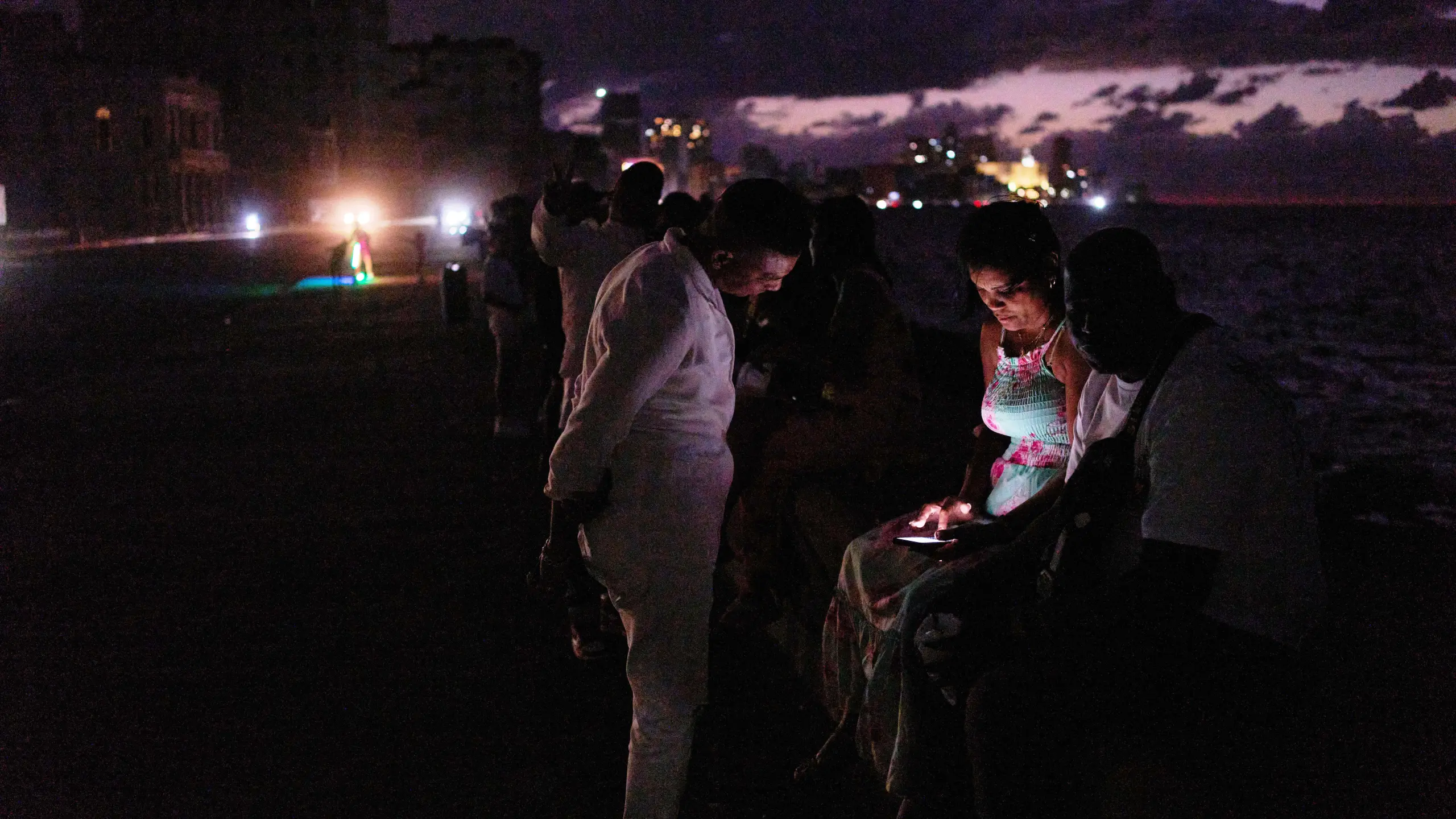
To understand why this tanker matters, it is necessary to understand how dire conditions have become on the island. Cuba has faced years of overlapping economic stress, but the latest energy shortages have pushed daily life into a more dangerous phase. Large scale blackouts have disrupted homes and businesses, while gasoline shortages have crippled transportation networks that millions depend on. Hospitals, already strained by limited supplies, have had to function under increasingly fragile conditions.
The crisis is not only about inconvenience. It is about whether an entire country can maintain basic social operations. When power systems fail repeatedly, refrigeration breaks down, food preservation suffers, medical care becomes less reliable, and communication itself can be interrupted. These are not abstract policy effects. They are deeply human consequences, felt most sharply by civilians who have no influence over state decisions in Havana or Washington.
That is why even a limited shipment can carry outsized importance. If the incoming cargo helps cover several days of diesel demand, it may not solve Cuba’s broader structural problems, but it could temporarily relieve some of the immediate pressure. In a crisis of this scale, even nine or ten days of energy support can mean restored transit, fewer blackouts, and slightly more room for essential services to function.
The Humanitarian Argument Clashes With the Political One
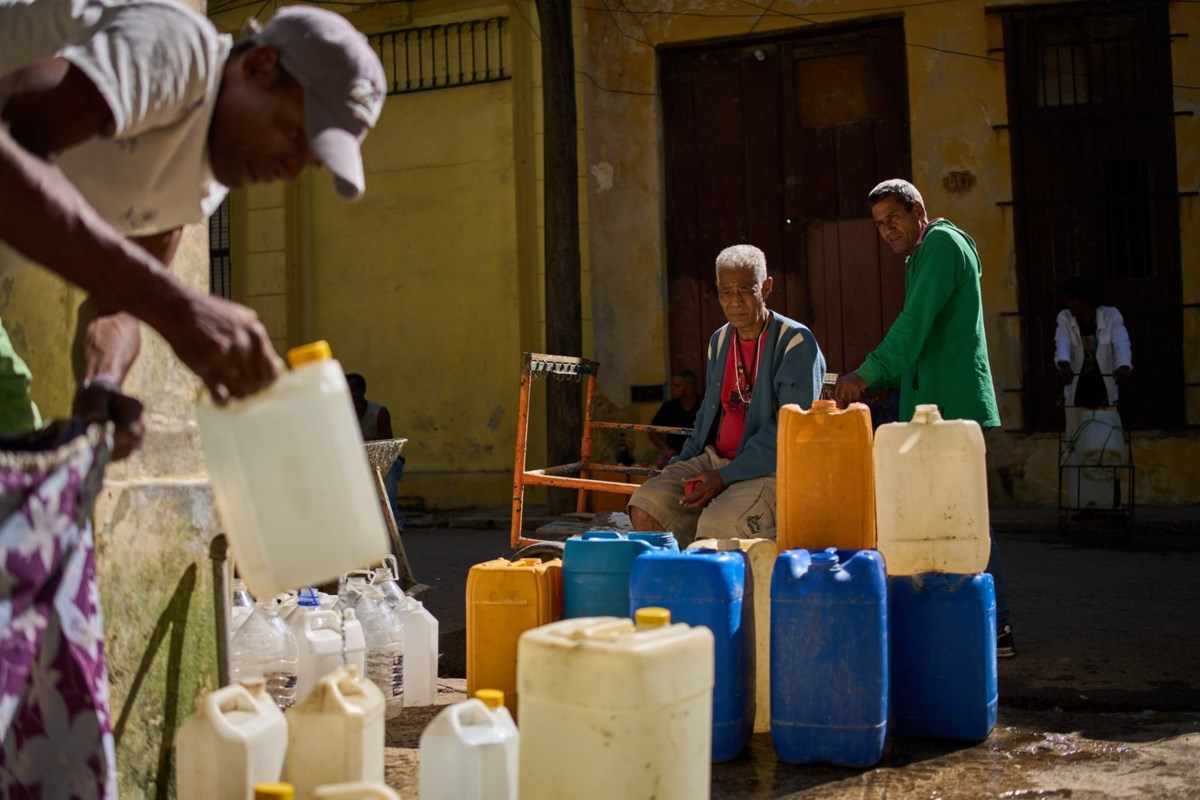
This episode has also exposed the contradiction at the center of many sanctions based strategies. Officials often say their goal is to pressure governments, not punish civilians. But in practice, energy blockades and severe economic restrictions often land hardest on ordinary people, especially when the targeted country is already weak.
Trump and Secretary of State Marco Rubio have both argued that their policies are meant to confront Cuba’s leadership and support the Cuban people in the long run. But the daily reality on the island suggests something more complicated. If hospitals lose power, public transport collapses, and neighborhoods sit in darkness, it becomes increasingly difficult to separate political pressure from humanitarian fallout.
Trump’s comments about allowing the tanker through effectively acknowledged that tension. He did not abandon his belief that Cuba’s leadership is failing the country. But by saying he had no problem with oil reaching the island, he recognized that total pressure has limits, especially when the visible suffering of civilians becomes harder to dismiss. In that sense, the tanker is more than a cargo vessel. It is a reminder that even the toughest foreign policy positions can bend when reality becomes too severe.
Russia’s Role Still Carries Serious Geopolitical Weight
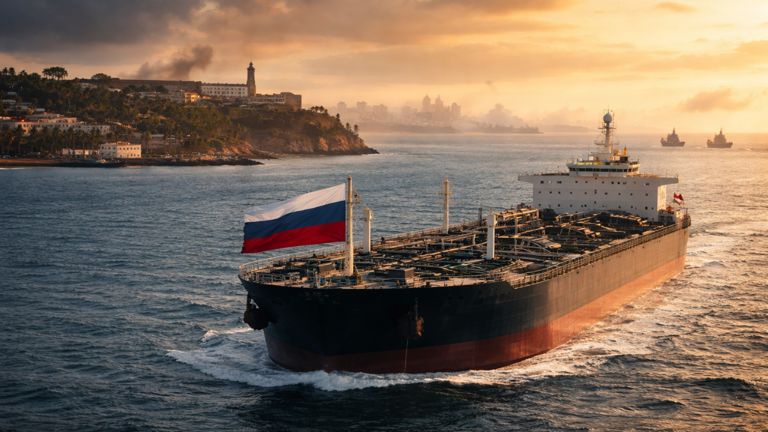
Even if Trump tried to downplay the significance of Russia’s involvement, the optics remain powerful. Cuba has long occupied a symbolic place in the contest between Washington and Moscow. From Cold War tensions to the present day, the island has repeatedly found itself at the center of geopolitical rivalry. So when a Russian tanker moves toward Cuba with critical fuel during a U.S. blockade, it inevitably sends a message.
Trump argued that the shipment does not really help Vladimir Putin, saying it amounts to just one boatload of oil. In a narrow commercial sense, he may be right. One delivery is unlikely to reshape Russia’s strategic position. But politics rarely work on volume alone. Symbolism matters. A sanctioned Russian vessel delivering relief to a crisis hit Cuba while the U.S. president publicly shrugs at the move creates an image that will be interpreted in different ways by different audiences.
For critics of U.S. policy, it may look like an admission that the blockade has gone too far. For supporters of the administration, it may look like a tactical humanitarian exception rather than a policy reversal. For Russia, it offers a chance to present itself as a willing supplier in a moment of need. That symbolic value may prove more important than the physical cargo itself.
Why Matanzas Matters
The expected arrival point, Matanzas, is not just another Cuban port. It is one of the country’s most important energy and industrial centers. Fuel infrastructure there plays a central role in distributing resources across the island, which means any shipment reaching that location can have a broader national impact.
That detail adds another layer of urgency. This is not simply oil arriving for storage. It is oil heading toward a place with the capacity to influence daily life across Cuba. In practical terms, it means the shipment could help stabilize power generation and fuel availability in the short term. In political terms, it means the delivery becomes even more consequential because it touches the core of the country’s energy network.
That may help explain why the story has drawn such intense attention. A tanker approaching a strategic Cuban port during a severe energy shortage, with U.S. approval by omission, is not a routine development. It is a moment loaded with practical, political, and symbolic consequences all at once.
A Hardline Policy Meets a Human Limit
Trump’s remarks also reveal something broader about leadership during crisis. Hardline positions can be effective at projecting strength, but they are much harder to sustain when confronted with visible humanitarian consequences. At some point, leaders must decide whether ideology matters more than immediate human need. In this case, Trump appeared to choose pragmatism, even if only temporarily and even if he refused to frame it that way.
That does not mean the blockade is ending. It does not mean U.S. policy toward Cuba is about to soften in any lasting sense. But it does suggest that even within a rigid strategy, exceptions can emerge when the suffering becomes politically or morally difficult to ignore. The decision to tolerate one shipment may not seem large in the grand scheme of foreign policy, yet moments like this often reveal more than formal statements ever do. They show where policy bends under pressure.
For Cuba, the question is whether this is a one time concession or a sign that U.S. enforcement could become less absolute when essential needs are involved. For the United States, the question is whether a strategy built on maximum pressure can remain persuasive if it repeatedly has to make humanitarian exceptions. And for the wider world, the episode offers a clear example of how geopolitics often collides with the basic realities of survival.
What This Means Beyond One Tanker
In the end, the story of this Russian oil tanker is not only about Cuba, Russia, or Trump. It is about the uncomfortable space where ideology meets necessity. It is about how sanctions can be designed to isolate governments but end up cornering civilians. And it is about how even the loudest political positions can soften, at least briefly, when the human cost becomes impossible to overlook.
Trump’s approval of the shipment does not erase the larger blockade, nor does it undo the hardship Cuba has endured. But it does expose the fragile logic behind all or nothing pressure campaigns. A government can condemn another regime, pursue regime change, and still find itself allowing emergency relief through because total denial has become too damaging to defend.
That is why this moment matters. One tanker will not solve Cuba’s energy crisis. It will not transform U.S. Cuba relations. It will not rewrite Russia’s role in the region. But it does reveal a crack in the story of absolute pressure, and sometimes a single crack is enough to show where the entire structure is under strain.