
Table of Contents
- When Politics and Oil Prices Collide
- The Sudden Rise of Oil Prices
- Trump’s Words as Market Signals
- A Growing Gap Between Words and Reality
- The Role of Uncertainty in Modern Markets
- Strategic Communication or Market Influence
- Why Oil Prices Matter Globally
- Market Fatigue and Rising Skepticism
- The Intersection of Politics and Economics
- What Comes Next for Oil Markets
- A New Era of Market Sensitivity
When Politics and Oil Prices Collide
When oil prices began climbing sharply in the wake of escalating tensions between the United States, Israel, and Iran, many analysts expected the usual drivers to dominate the headlines. Supply disruptions, geopolitical risk, and production concerns have long shaped the energy market. But this time, something else stood out. The words of one man appeared to move prices almost as quickly as actual events on the ground.
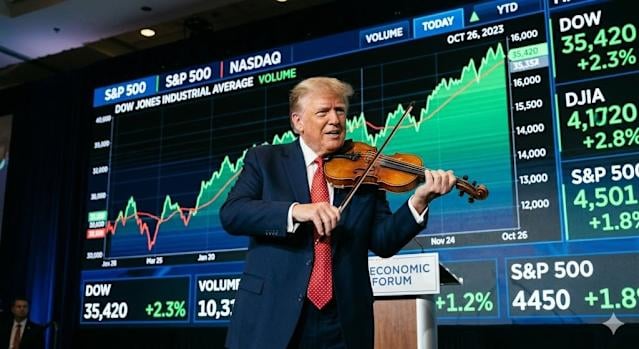
Donald Trump’s public statements, whether delivered through formal briefings or social media posts, have increasingly become a force that traders cannot ignore. At times, a single comment suggesting escalation or de escalation has triggered immediate reactions in global oil prices. The effect has been so pronounced that investors are now watching rhetoric as closely as they watch military developments.
What follows is not just a story about oil. It is a deeper look into how modern markets respond to political signals, how uncertainty is priced in real time, and why the relationship between leadership communication and economic outcomes has become more complex than ever before.
The Sudden Rise of Oil Prices
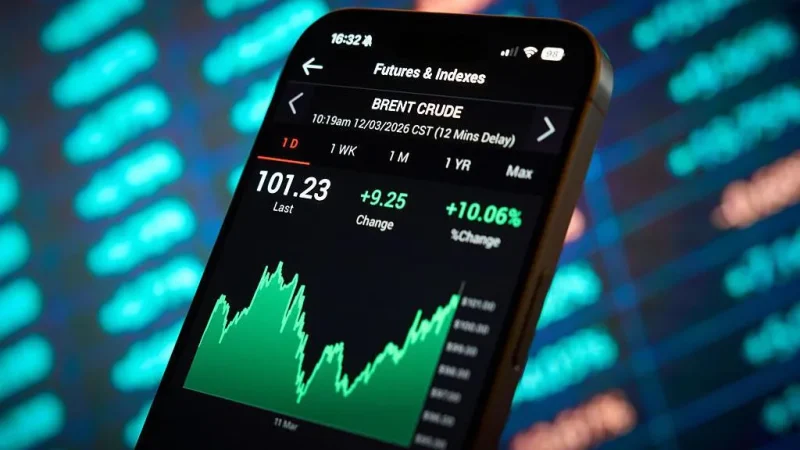
Before the conflict intensified, oil was trading at relatively stable levels, hovering around seventy dollars per barrel. This stability reflected a market that, while cautious, was not yet anticipating major disruption. However, once military actions targeting Iran began, the landscape shifted almost immediately.
Within weeks, oil prices surged dramatically, peaking at levels well above one hundred dollars per barrel. Even after slight corrections, prices remained significantly elevated compared to pre conflict levels. This sharp increase highlights how sensitive the oil market is to geopolitical tension, especially in regions critical to global energy supply.
The speed of this rise also reveals how quickly investor sentiment can change. Markets do not wait for long term confirmation. They react instantly to perceived risk, often amplifying movements beyond what current supply conditions alone might justify.
Trump’s Words as Market Signals
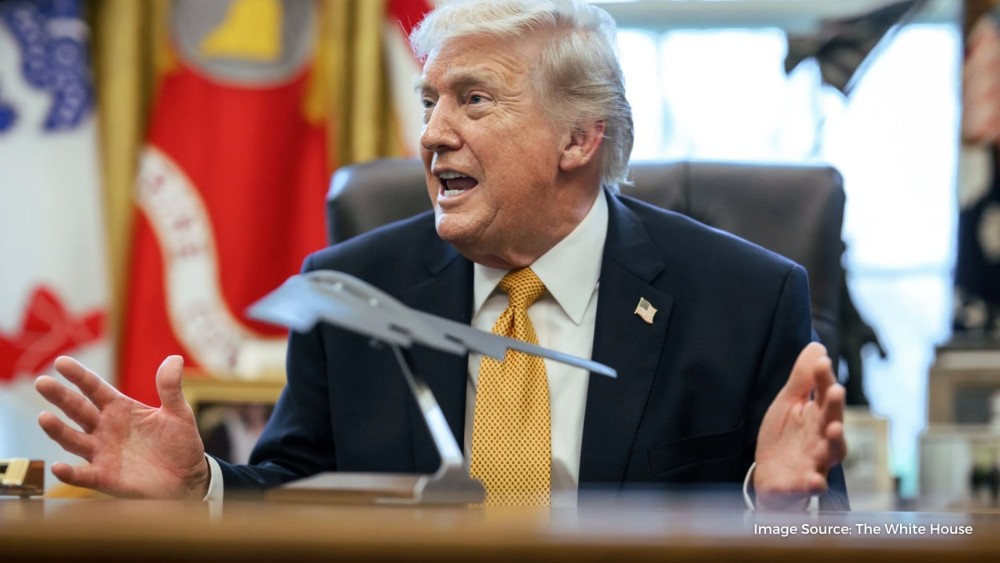
In previous geopolitical crises, markets primarily responded to physical developments such as troop movements or infrastructure damage. But in this situation, Trump’s statements have become a parallel signal that traders actively interpret.
Aggressive language suggesting further escalation tends to push prices higher, as investors anticipate supply disruptions or broader conflict. On the other hand, comments hinting at diplomatic progress or restraint often lead to temporary easing in prices. This dynamic has created a feedback loop where rhetoric itself becomes part of the market mechanism.
Investment professionals have observed that energy prices are increasingly acting as a proxy for geopolitical risk. When uncertainty rises, oil prices follow. When tensions appear to ease, even briefly, prices may stabilize. However, the reliability of these signals is now being questioned.
A Growing Gap Between Words and Reality
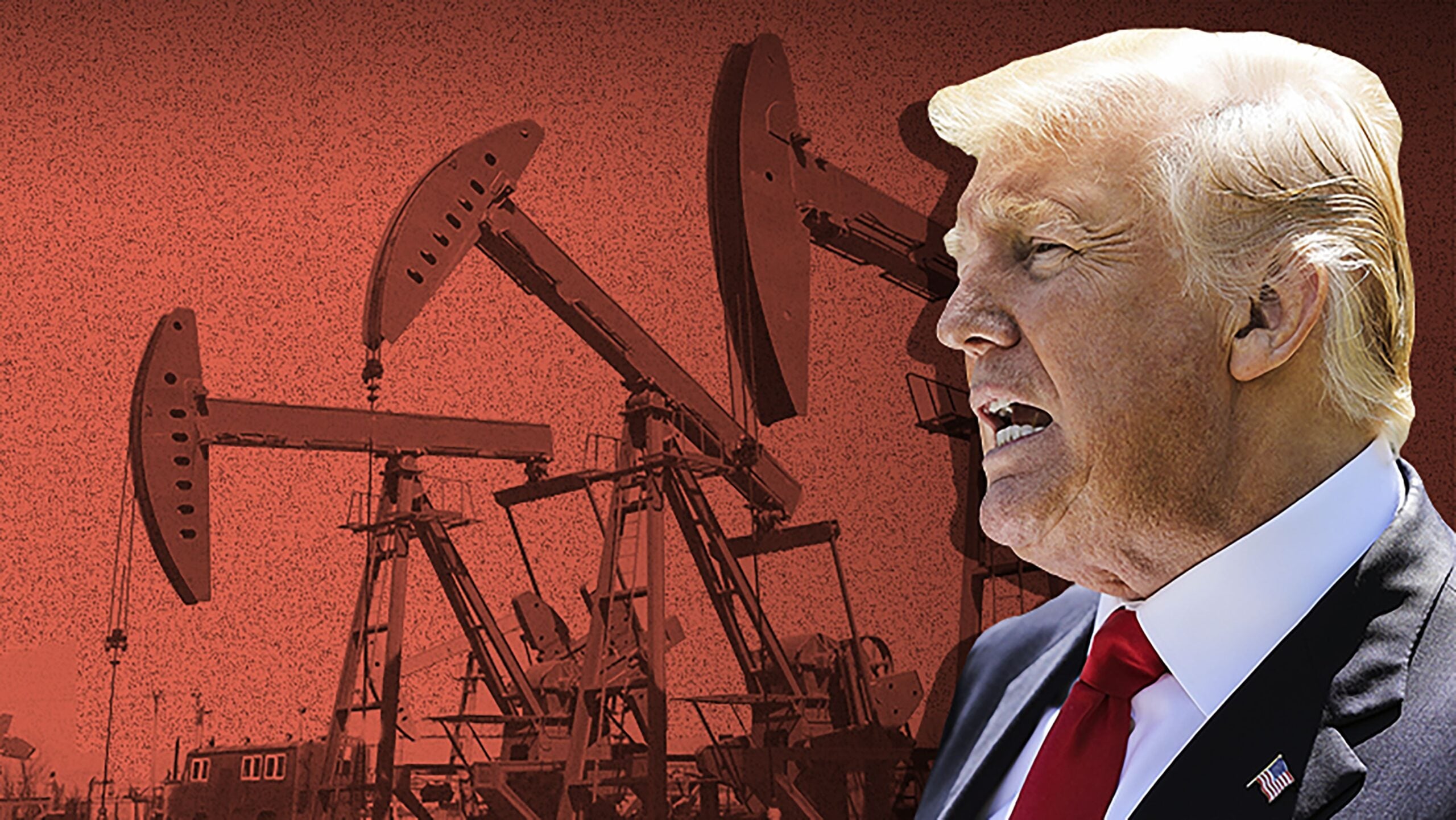
One of the most notable developments in recent weeks is the widening gap between political messaging and actual developments. Trump has made several statements suggesting that negotiations are progressing or that military actions may be delayed. Yet, these reassurances have not always translated into lower oil prices.
This disconnect is creating confusion in the market. Investors are no longer reacting as strongly to verbal cues alone. Instead, they are weighing those statements against the lack of confirmation from other parties involved, particularly Iran. Without alignment between rhetoric and observable actions, confidence in those signals begins to erode.
As a result, market reactions have become more muted. While prices still respond to major announcements, the magnitude of those reactions has diminished compared to earlier in the conflict. This suggests that traders are becoming more cautious in interpreting political communication.
The Role of Uncertainty in Modern Markets
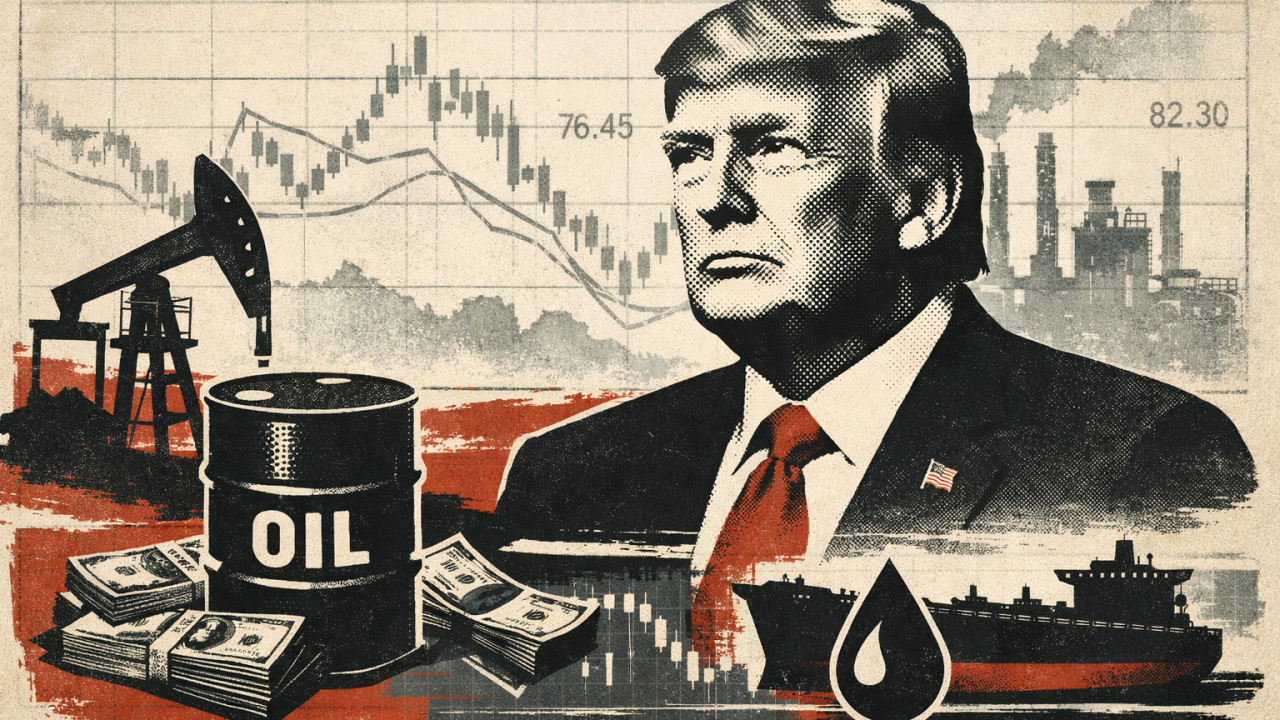
At the core of this situation is a concept that drives much of financial behavior: uncertainty. Oil markets are particularly sensitive to uncertainty because supply disruptions can have immediate and far reaching consequences for the global economy.
Investors are not just reacting to what is happening today. They are attempting to anticipate what might happen next. This forward looking approach means that even small signals can trigger significant price movements if they suggest a change in future conditions.
Experts describe this as managing event risk in real time. Markets may appear volatile or inconsistent, but in reality, they are continuously adjusting to new information. In this environment, clarity becomes one of the most valuable commodities, and its absence can drive even greater volatility.
Strategic Communication or Market Influence
Another layer of complexity arises from the possibility that some statements may be intended to influence markets rather than simply communicate policy. Analysts have suggested that certain comments could be strategically timed to affect oil prices.
If this is the case, it introduces a new challenge for investors. Distinguishing between genuine policy signals and market influencing rhetoric becomes increasingly difficult. This ambiguity adds another dimension of risk, as traders must now evaluate not only the content of statements but also their intent.
Such dynamics raise broader questions about transparency and trust in financial markets. When communication itself becomes a tool that can shape economic outcomes, the line between information and influence begins to blur.
Why Oil Prices Matter Globally
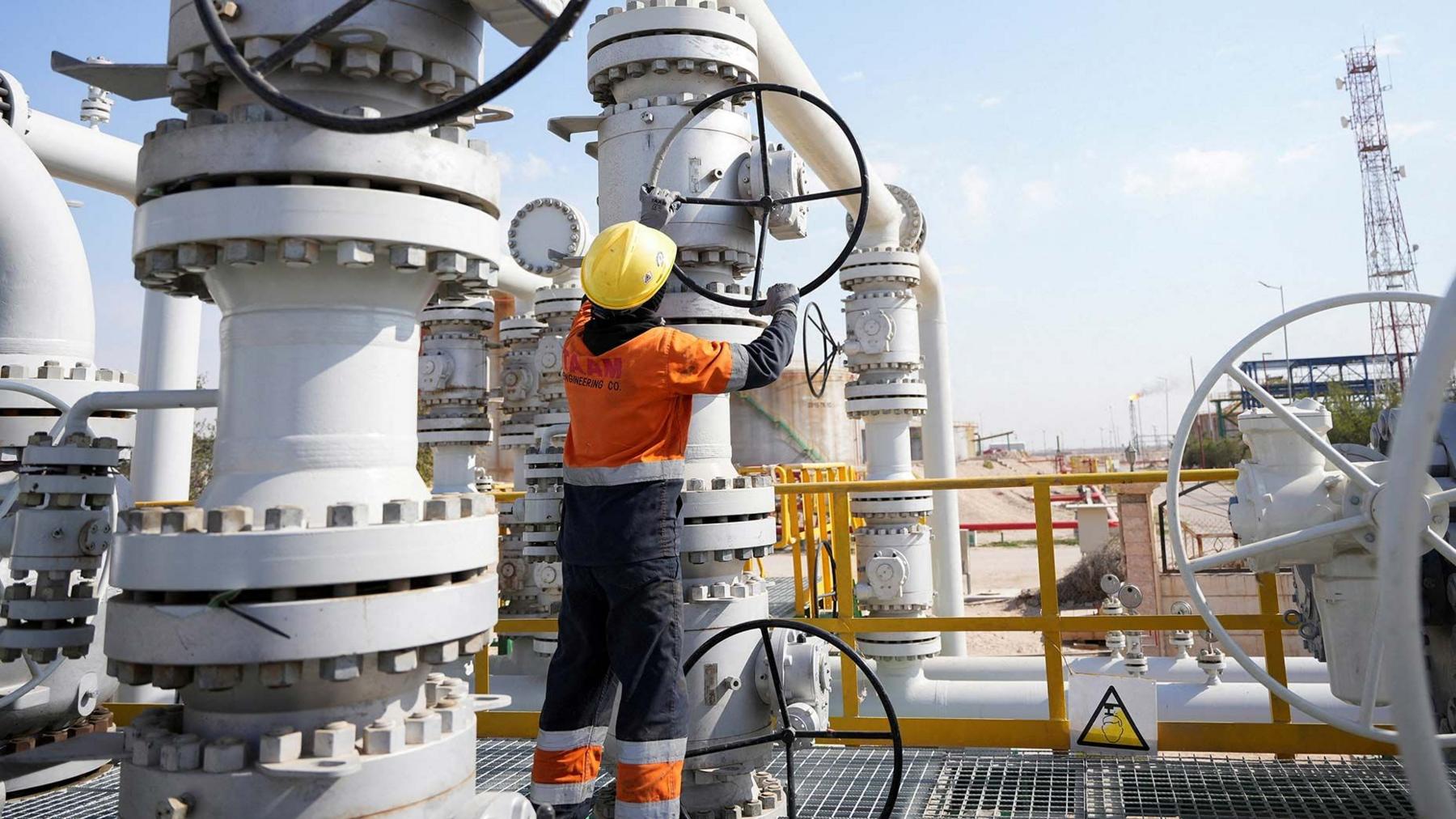
The significance of rising oil prices extends far beyond the energy sector. Oil is a foundational input for transportation, manufacturing, and countless other industries. As prices increase, the effects ripple through the global economy.
Higher oil prices can lead to increased costs for businesses, which may then be passed on to consumers. This can contribute to inflation, reduce purchasing power, and slow economic growth. For countries that rely heavily on energy imports, the impact can be particularly severe.
In this context, the stakes of market movements become clearer. What might appear as abstract fluctuations on a trading chart can translate into real world consequences for millions of people.
Market Fatigue and Rising Skepticism
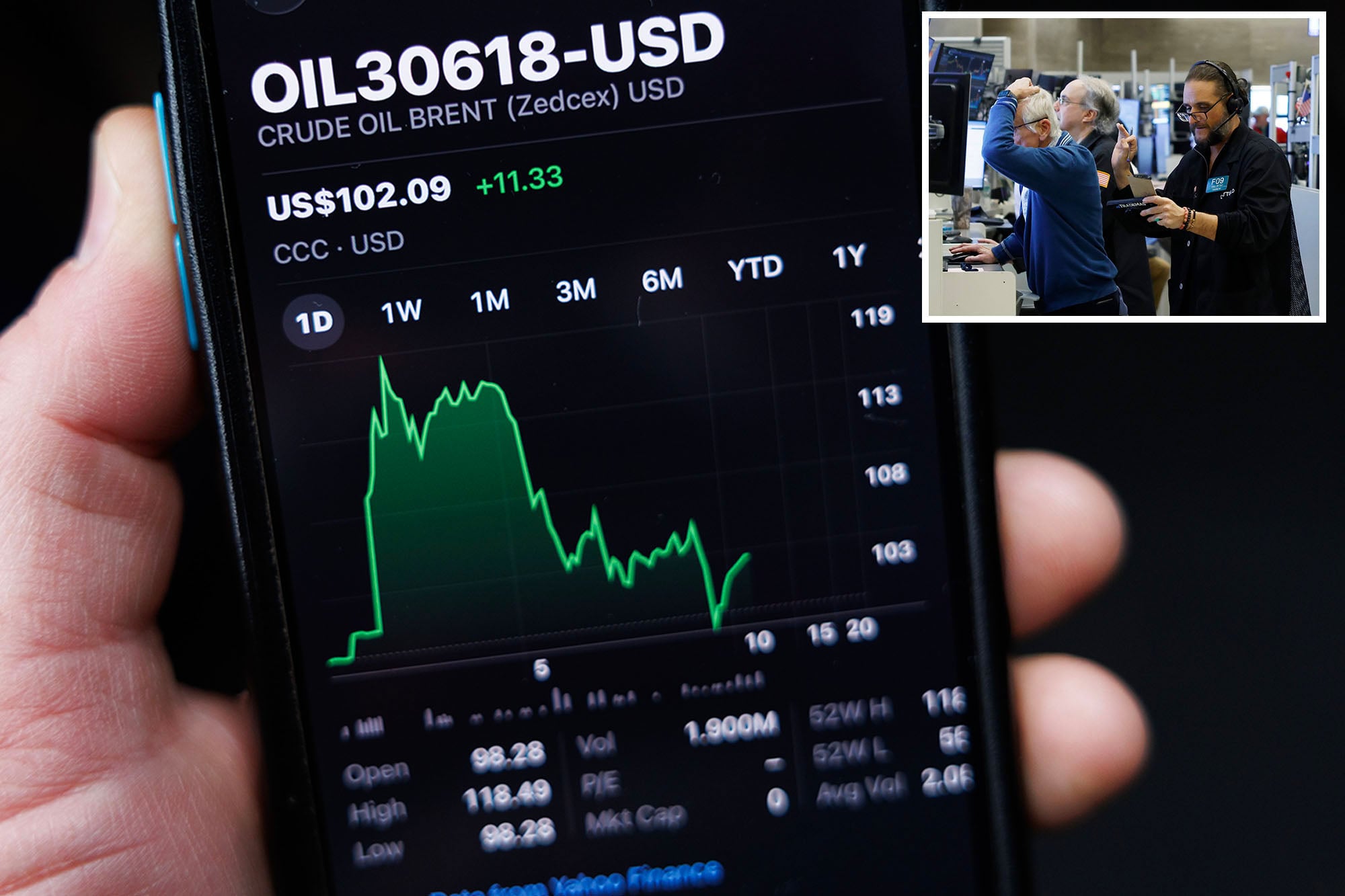
As the conflict continues and statements from political leaders accumulate, a sense of fatigue appears to be setting in among investors. Initial reactions to Trump’s comments were often swift and pronounced. Now, those reactions are becoming more measured.
This shift reflects growing skepticism. Investors are recognizing patterns in communication, including instances where positions appear to change rapidly. As a result, they are less likely to react impulsively to each new statement.
Instead, markets are placing greater emphasis on tangible developments, such as confirmed military actions or verified diplomatic progress. This evolution suggests a more mature response to uncertainty, though it does not eliminate volatility altogether.
The Intersection of Politics and Economics

The current situation highlights a broader trend in global markets: the increasing intersection of politics and economics. Decisions made by political leaders can have immediate and significant effects on financial systems.
This is particularly evident in the energy sector, where geopolitical events directly influence supply and demand dynamics. However, the added layer of communication driven market reactions makes this intersection even more complex.
Understanding this relationship requires not only knowledge of economic fundamentals but also an awareness of political strategy and communication patterns. For investors, this means navigating a landscape where traditional models must be complemented by real time analysis of global events.
What Comes Next for Oil Markets
Looking ahead, the trajectory of oil prices will depend on several factors. The course of the conflict, the effectiveness of diplomatic efforts, and the stability of global supply chains will all play crucial roles.
At the same time, the influence of political communication is likely to remain significant. As long as statements continue to shape market expectations, they will remain an integral part of the equation.
For now, uncertainty remains the defining characteristic of the market. Prices may continue to fluctuate as new information emerges, reflecting the ongoing balance between risk and expectation.
A New Era of Market Sensitivity
The relationship between Trump’s statements and oil market movements offers a glimpse into a new era of financial sensitivity. Markets are no longer driven solely by physical events or economic data. They are also shaped by narratives, perceptions, and the speed at which information spreads.
This evolution presents both challenges and opportunities. On one hand, it increases volatility and complexity. On the other, it provides insight into how interconnected the world has become, where a single statement can influence global outcomes within moments.
As the situation unfolds, one thing is clear. The dance between politics and markets is becoming more intricate, more immediate, and more consequential. Understanding this dynamic will be essential for anyone seeking to navigate the uncertain terrain of modern finance.