
Table of Contents
- A Sudden Move To Ease Pressure On Motorists
- The Global Context Behind Rising Fuel Prices
- A Multi Billion Dollar Intervention
- Fuel Supply Concerns And Public Anxiety
- Encouraging Behavior Change Across Cities
- Strengthening Supply Through Emergency Measures
- Impact On Businesses And Transport Sector
- The Broader Economic Ripple Effects
- A Temporary Solution To A Long Term Challenge
- A Nation Responding To Global Turbulence
A Sudden Move To Ease Pressure On Motorists
The decision to halve the fuel tax came after urgent discussions between federal and state leaders, highlighting the seriousness of the situation. Australia currently applies a fuel excise of 52 cents per litre on petrol, a significant portion of the price consumers pay at the pump. Under the new measure, this tax will be reduced by half for a period of three months, offering immediate relief to households already struggling with rising living costs.
For many Australians, the impact of soaring petrol prices has been impossible to ignore. Commuters, small business owners, and logistics operators have all felt the strain as fuel costs climbed rapidly in recent weeks. By cutting the tax, the government aims to deliver instant savings, lowering the price per litre and easing financial pressure across the economy.
Albanese emphasized the urgency behind the move, stating that Australians are under serious pressure and need immediate support. This framing positions the policy not just as an economic adjustment, but as a response to real hardship being experienced nationwide.
The Global Context Behind Rising Fuel Prices
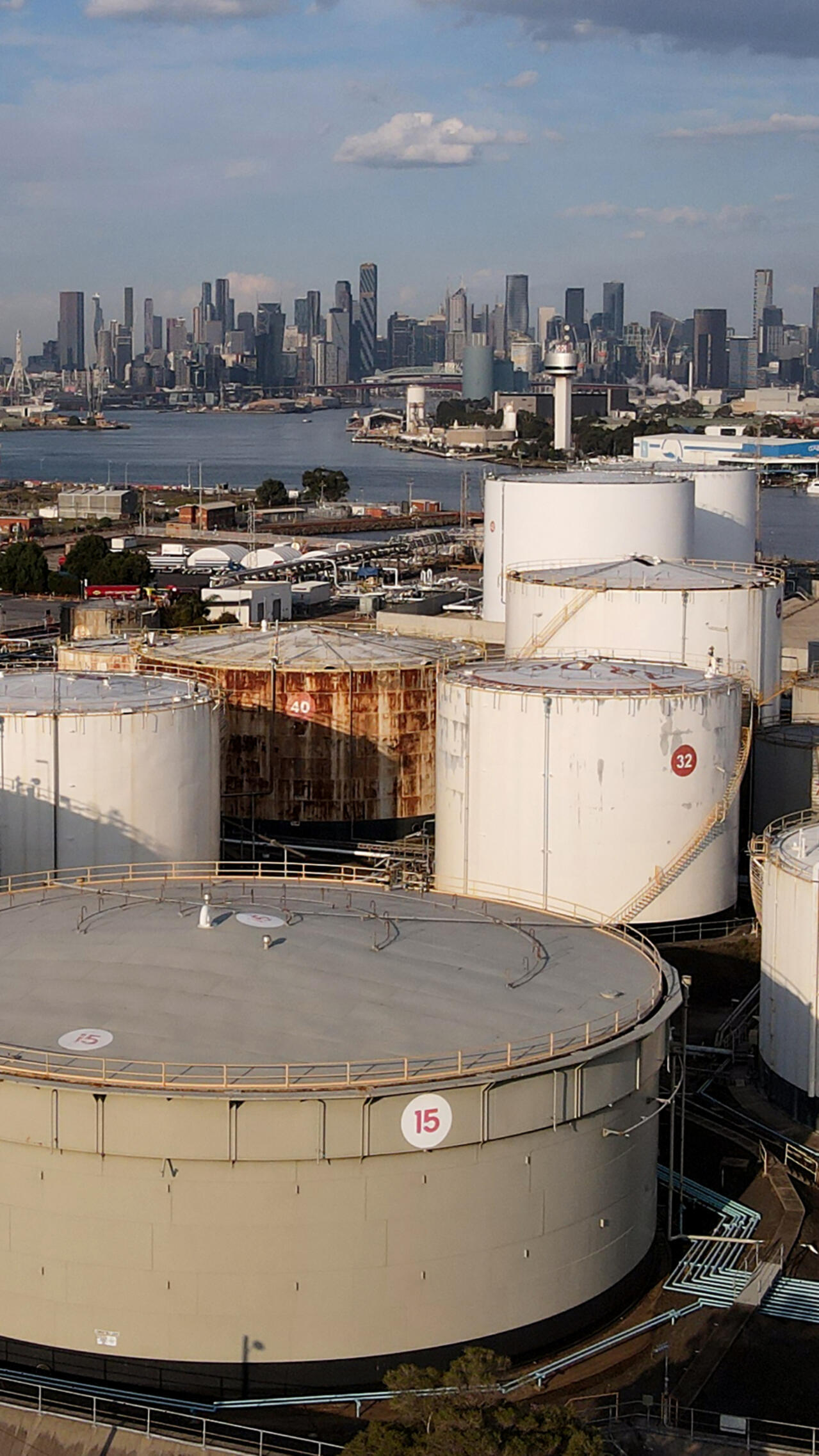
To understand why Australia has taken such a significant step, it is essential to look beyond its borders. The ongoing conflict in the Middle East has disrupted global oil supply chains, pushing prices upward and creating uncertainty in energy markets. Even countries that do not directly import oil from the region are affected, as global pricing mechanisms react to supply risks and geopolitical instability.
Oil is traded on a global market, meaning disruptions in one region can quickly influence prices worldwide. As tensions escalate, traders anticipate shortages, driving up prices even before actual supply is reduced. This ripple effect has been felt in Australia, where petrol prices have surged sharply in a short period.
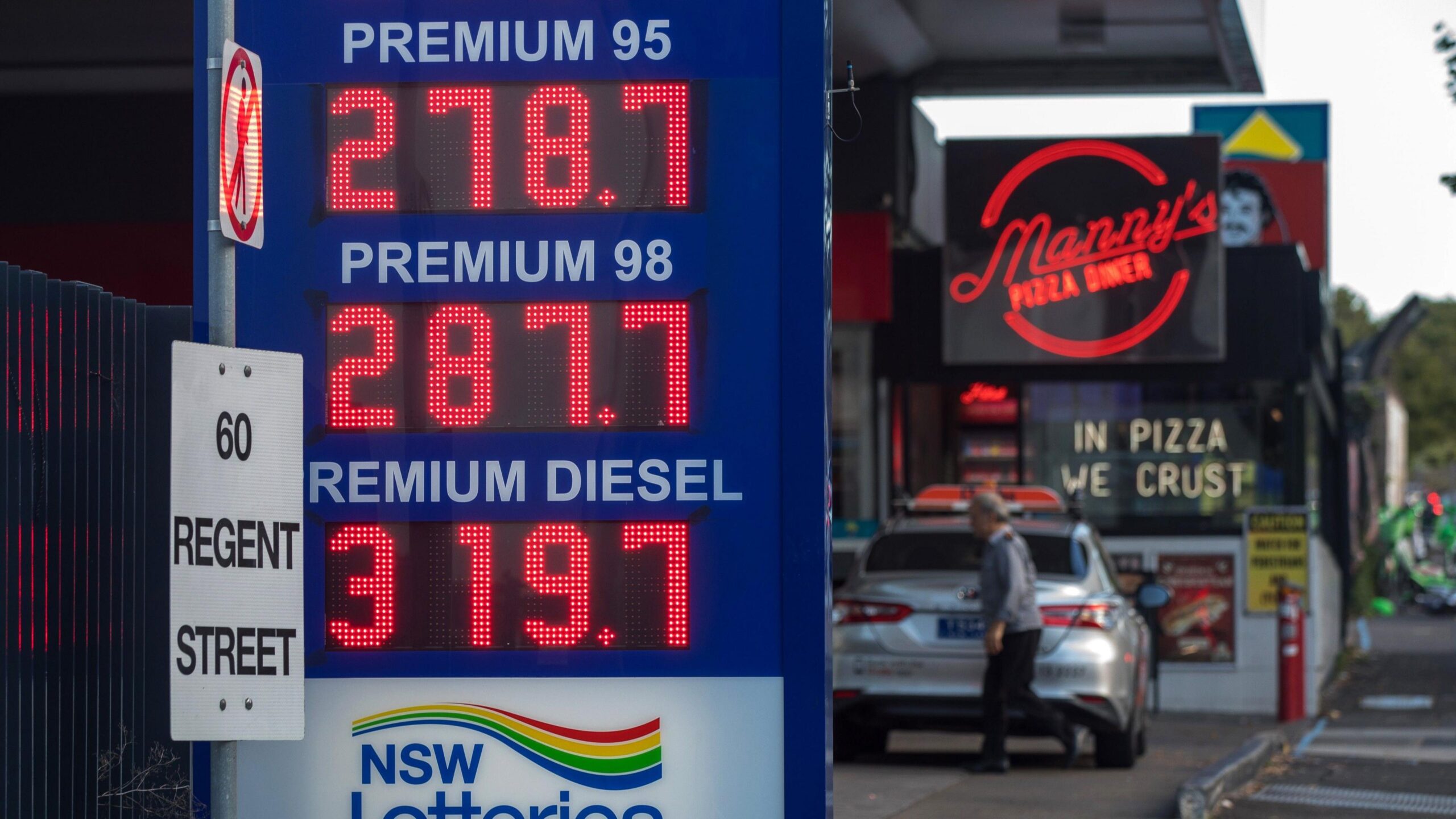
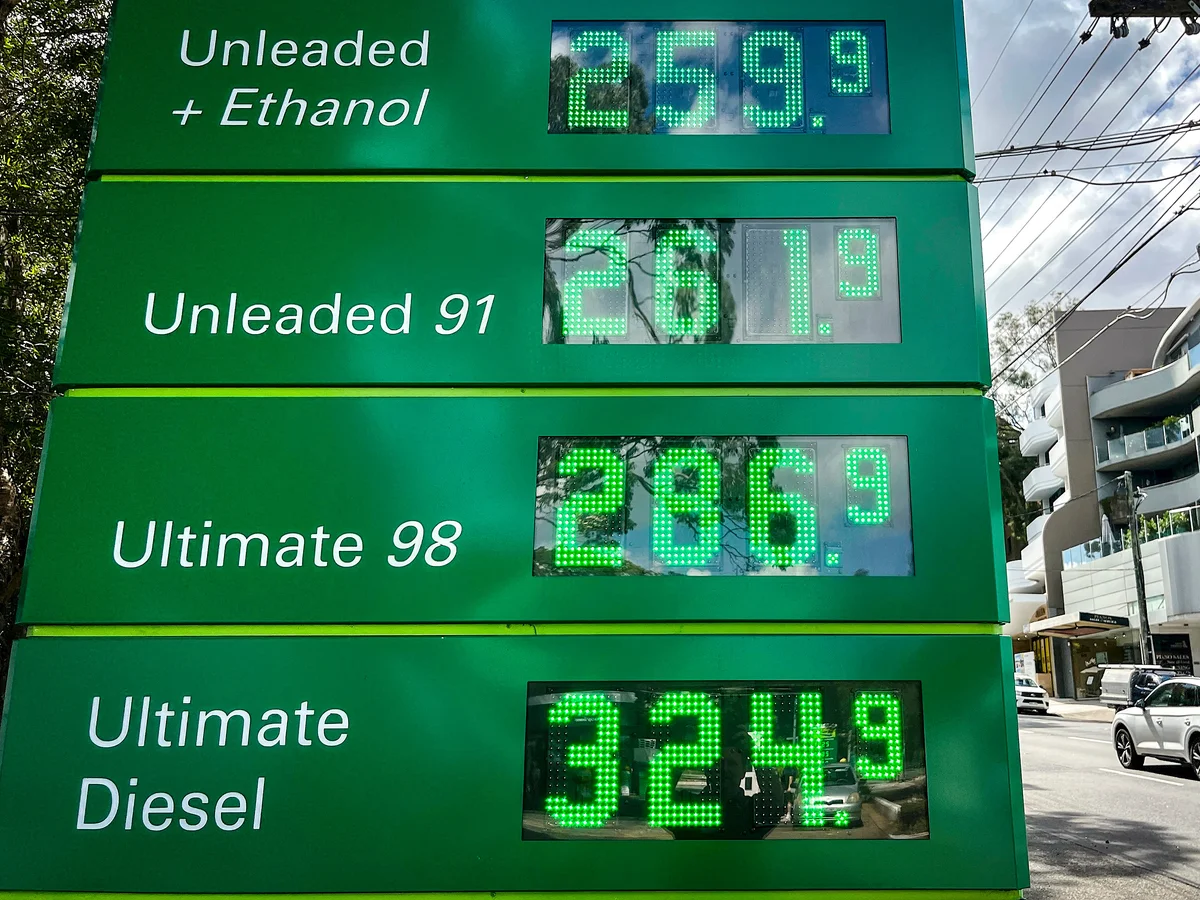
Data from government monitoring shows that average petrol prices in New South Wales jumped from 1.82 Australian dollars per litre in February to 2.48 Australian dollars within weeks. Diesel prices have climbed even higher, reaching around 3 dollars per litre in some areas. These increases represent a substantial burden for households and industries alike.
A Multi Billion Dollar Intervention
The fuel tax cut is not without cost. Government officials estimate that the measure will reduce revenue by approximately 1.75 billion US dollars, or about 2.55 billion Australian dollars. This significant financial commitment underscores the scale of the crisis and the government’s willingness to intervene.
Such interventions raise important questions about fiscal sustainability. While the immediate goal is to provide relief, policymakers must also consider the long term implications for public finances. Temporary measures like this can ease short term pain, but they do not address the underlying causes of price volatility.
Nevertheless, the government appears to have prioritized immediate economic stability over budget concerns. In times of crisis, maintaining consumer confidence and preventing economic slowdown often takes precedence over strict fiscal discipline.
Fuel Supply Concerns And Public Anxiety
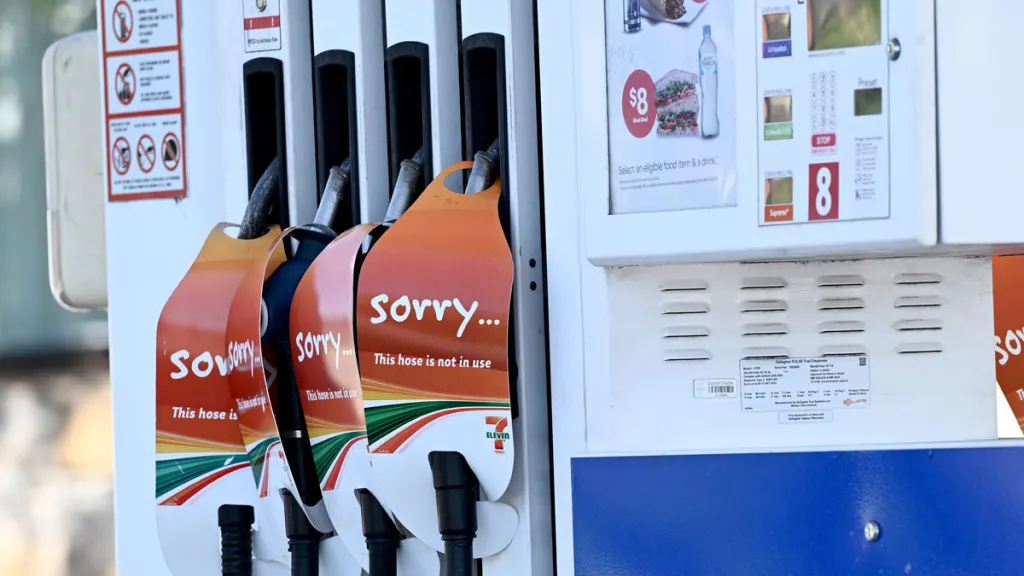
Alongside rising prices, concerns about fuel availability have added another layer of complexity. Reports of empty petrol stations, particularly in rural areas, have fueled anxiety among motorists. In New South Wales, Chris Minns acknowledged that many stations were running out of fuel, with authorities focusing on supporting regional communities.
However, the federal government has sought to reassure the public that Australia is not facing a true supply shortage. Instead, officials point to panic buying and distribution bottlenecks as the primary causes of localized shortages. When consumers rush to fill their tanks, demand spikes temporarily, overwhelming supply chains and creating the impression of scarcity.
This dynamic highlights the psychological aspect of fuel crises. Perception can often drive behavior, which in turn exacerbates the very problem people fear. Managing public communication becomes as important as managing physical supply.
Encouraging Behavior Change Across Cities
In addition to financial measures, the government is encouraging Australians to change their behavior in order to conserve fuel. Albanese has urged motorists, particularly in urban areas, to reduce unnecessary travel. By lowering demand in cities, more fuel can be redirected to regional areas experiencing greater pressure.
Some states have taken this approach further. Victoria and Tasmania have introduced free public transport, providing an alternative to driving and helping to reduce fuel consumption. These initiatives not only address the immediate crisis but also align with broader environmental and sustainability goals.
The situation has effectively turned fuel conservation into a collective effort. Individuals, businesses, and governments are all being asked to play a role in managing limited resources. This shift reflects a growing recognition that energy use is not just a personal choice but a shared responsibility.
Strengthening Supply Through Emergency Measures
Beyond reducing demand, the government is also taking steps to increase supply. A new bill introduced in Australia’s national parliament would grant the government powers to underwrite the purchase of large fuel shipments. This mechanism aims to ensure that additional supplies can be secured quickly, even in a volatile global market.
By acting as a financial backstop, the government can encourage suppliers to bring more fuel into the country, reducing the risk of shortages. This approach reflects a proactive strategy, addressing potential supply gaps before they become critical.
At the same time, data indicates that Australia currently holds around 39 days of petrol supply and 30 days of diesel. While these figures represent a slight improvement from previous weeks, they remain relatively low by international standards. Maintaining adequate reserves is crucial for resilience, particularly during periods of global uncertainty.
Impact On Businesses And Transport Sector
The fuel crisis is not only affecting individual motorists but also placing pressure on businesses, especially those reliant on transportation. Logistics companies, delivery services, and freight operators face rising costs that can ripple through the entire economy.
To address this, the government has announced a reduction in heavy vehicle road user charges. This measure is designed to lower operating costs for trucks, helping to stabilize prices for goods and services. Without such interventions, higher fuel costs could lead to increased prices for consumers, contributing to broader inflation.
Small businesses are particularly vulnerable. Unlike large corporations, they often lack the resources to absorb sudden cost increases. For many, the fuel tax cut and related measures may provide critical relief, allowing them to continue operating without passing excessive costs onto customers.
The Broader Economic Ripple Effects
Fuel prices are a key driver of economic activity. When they rise sharply, the effects can be felt across multiple sectors, from agriculture to manufacturing to retail. Higher transport costs increase the price of goods, reduce consumer spending power, and can slow economic growth.
In this context, the government’s intervention can be seen as an effort to prevent a wider economic downturn. By stabilizing fuel prices, policymakers hope to maintain confidence and keep the economy moving.
However, the situation also highlights the vulnerability of modern economies to global events. A conflict thousands of kilometers away can quickly translate into higher costs at home, underscoring the interconnected nature of global markets.
A Temporary Solution To A Long Term Challenge
While the fuel tax cut provides immediate relief, it is explicitly temporary, lasting only three months. This raises questions about what happens next. If global tensions persist and oil prices remain high, the pressure on Australian consumers could return once the tax reduction ends.
This uncertainty points to a broader challenge facing many countries. Energy security and price stability are increasingly difficult to maintain in a world shaped by geopolitical tensions and climate concerns. Governments must balance short term interventions with long term strategies, such as diversifying energy sources and investing in renewables.
The current crisis may serve as a catalyst for such changes. By exposing vulnerabilities in the system, it creates an opportunity to rethink how energy is produced, distributed, and consumed.
A Nation Responding To Global Turbulence
Ultimately, Australia’s decision to halve its fuel tax is a reflection of how deeply global events can impact national realities. What began as a conflict in the Middle East has quickly become a domestic issue, affecting everything from daily commutes to business operations.
The response has been multifaceted, combining financial relief, behavioral encouragement, and supply management. While the effectiveness of these measures will become clearer over time, they demonstrate a willingness to act decisively in the face of uncertainty.
As Australians navigate this period of rising costs and shifting conditions, the situation serves as a reminder of the fragile balance that underpins modern economies. Energy, often taken for granted, remains one of the most critical and volatile elements of that balance. And in times of crisis, even a simple act like filling up a tank can reveal the far reaching consequences of events unfolding on the other side of the world.