
Table of Contents
- A Local Decision With National Impact
- The New Name and Its Timeline
- The Role of Trademark and Branding
- Political Symbolism and Public Reaction
- Historical Context of Airport Renaming
- Economic and Tourism Implications
- Administrative Challenges Behind the Scenes
- Public Infrastructure and Private Identity
- Broader Implications for Future Naming Decisions
- A Reflection on Identity, Memory, and Place
A Local Decision With National Impact
At its core, the renaming of Palm Beach International Airport is officially categorized as a local matter. According to the Federal Aviation Administration, the agency does not approve airport name changes. Instead, its role is administrative, ensuring that navigational systems, aviation charts, and databases reflect the updated name. This distinction highlights an important nuance. While the decision originates at the state or local level, its ripple effects extend nationwide and even globally, given the interconnected nature of aviation systems.
Airports are not just transit points. They are symbolic gateways that represent cities, regions, and sometimes entire nations. Renaming one of them, especially after a highly polarizing figure, inevitably elevates the decision from a procedural act to a cultural statement. In this case, the renaming aligns closely with Florida’s political identity and its leadership’s priorities, reinforcing the state’s role as a stronghold of Trump’s influence.
The New Name and Its Timeline
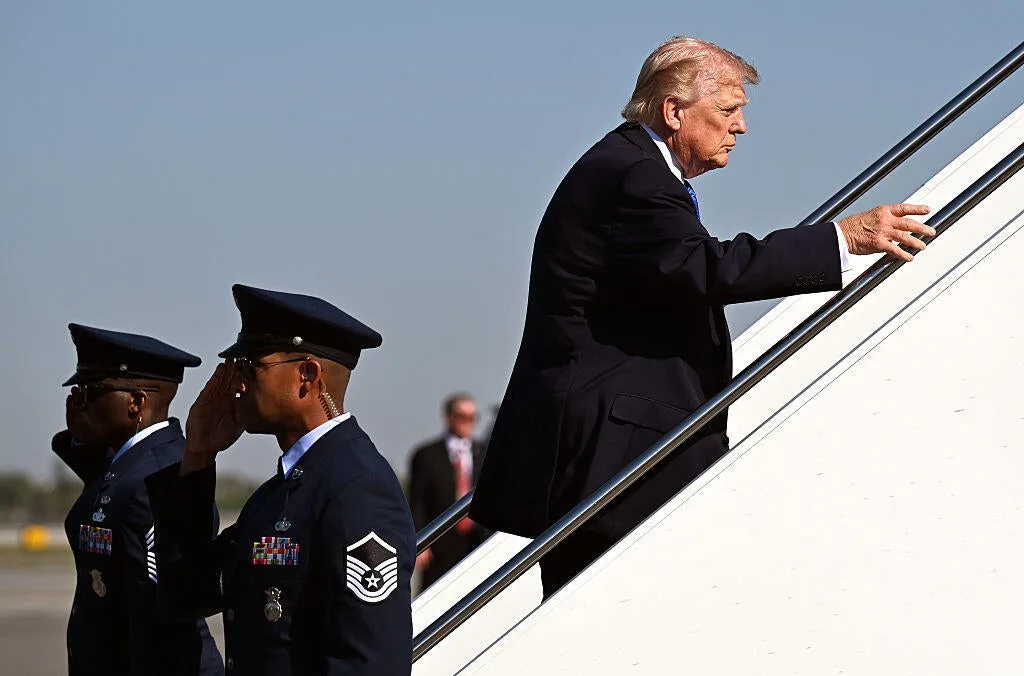
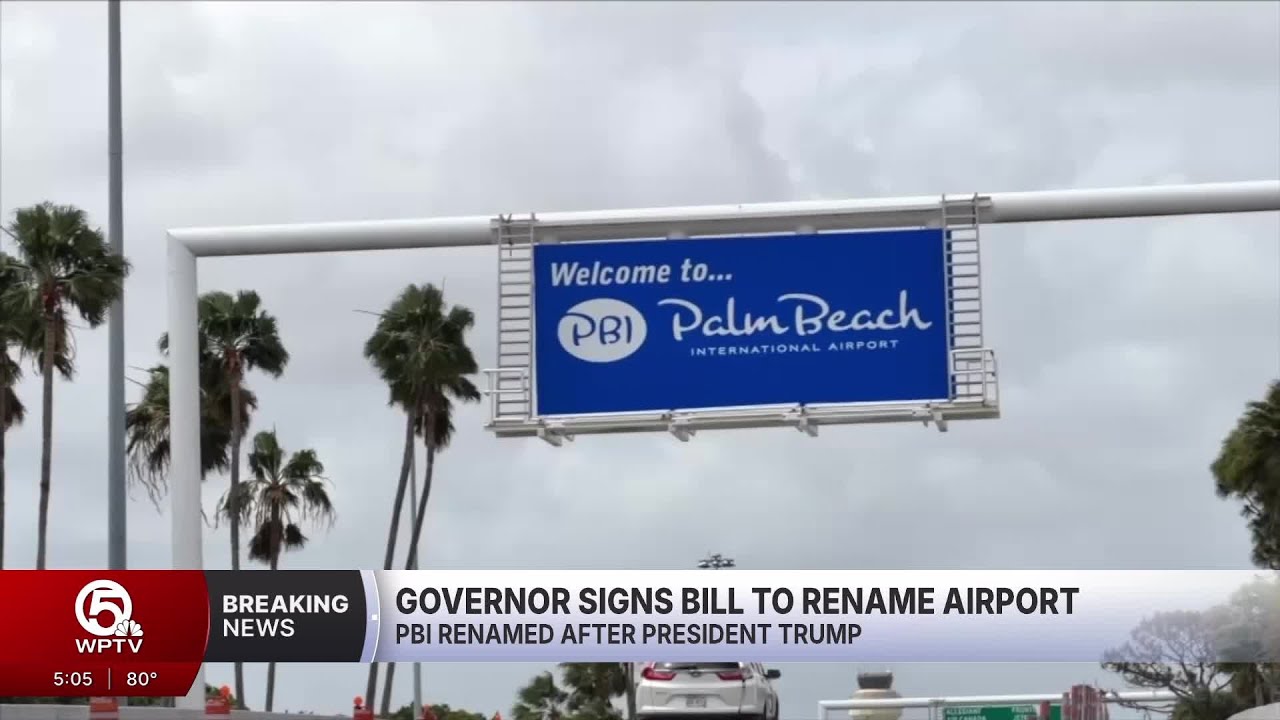
Under the signed legislation, Palm Beach International Airport will officially become the President Donald J. Trump International Airport starting July 1. The timeline allows federal and aviation bodies to complete necessary updates, including digital systems, signage coordination, and mapping integrations. These changes may seem technical, but they are crucial for ensuring safety and consistency across global aviation networks.
For travelers, the transition may initially create confusion. Airline tickets, boarding passes, and navigation systems must all reflect the updated name accurately. Over time, however, the new designation will likely become normalized, just as other renamed airports have in the past. Still, the speed and scale of public reaction suggest that this change carries more emotional weight than a typical infrastructure update.
The Role of Trademark and Branding
One of the most intriguing aspects of this development is the involvement of Trump’s family business. The Trump Organization filed a trademark application for the airport name earlier this year, covering a range of travel related merchandise. Items listed in the application include luggage, flight suits, and even security related accessories.
This move introduces a commercial dimension to what is otherwise a public infrastructure decision. Although the organization has stated clearly that it does not intend to profit from the renaming and will not receive royalties or licensing fees, the existence of a trademark raises questions about future possibilities. Branding an airport after a globally recognized name inherently carries marketing value, whether or not direct monetization occurs.
In modern infrastructure, branding is increasingly intertwined with identity. Airports often serve as the first and last impression of a destination. Associating that impression with a specific individual, especially one with a strong global profile, can influence perceptions in subtle but significant ways.
Political Symbolism and Public Reaction
The decision to rename the airport has been celebrated by supporters as a recognition of Trump’s influence and legacy, particularly in Florida where he maintains a strong base. Eric Trump publicly expressed pride in the change, framing it as a meaningful milestone.
However, the move has also drawn criticism from those who view it as overly politicized. Critics argue that public infrastructure should remain neutral, serving all citizens regardless of political affiliation. Naming an airport after a controversial political figure risks alienating segments of the population and turning a shared space into a symbol of division.
This tension reflects a broader national conversation about how public spaces are named and who gets to decide. Across the United States, debates over statues, building names, and historical recognition have intensified in recent years. The Palm Beach airport renaming fits squarely within this context, illustrating how even functional spaces can become arenas for ideological expression.
Historical Context of Airport Renaming
Airport renaming is not a new phenomenon. Many major airports around the world are named after political leaders, cultural icons, or historical figures. Examples include John F. Kennedy International Airport in New York and Charles de Gaulle Airport in Paris. These names often serve to honor individuals who have made significant contributions to their country or region.
What sets the Palm Beach case apart is its timing and the figure involved. Renaming an airport after a relatively recent political leader, especially one who remains active in public life, is less common. Typically, such honors are bestowed posthumously or after a significant period has passed, allowing for a more balanced historical assessment.
By contrast, this decision feels immediate and politically charged, which may explain the intensity of the reactions it has generated. It raises questions about how history is commemorated and whether current political dynamics should influence long term public naming decisions.
Economic and Tourism Implications
From an economic perspective, the renaming could have both positive and negative effects. On one hand, the Trump name is globally recognized, which could attract curiosity and potentially increase tourism interest. Supporters argue that the branding could enhance the airport’s visibility on the international stage.
On the other hand, critics warn that associating the airport with a polarizing figure could deter some travelers. Tourism is highly sensitive to perception, and even subtle shifts in branding can influence travel decisions. For international visitors, particularly those unfamiliar with American politics, the name may simply serve as a recognizable label. For others, it may carry deeper connotations.
Businesses operating within and around the airport may also feel the impact. From airlines to retail shops, stakeholders must adapt to the new branding while navigating public sentiment. In this way, the renaming extends beyond symbolism into tangible economic considerations.
Administrative Challenges Behind the Scenes
While public attention often focuses on the political and cultural aspects, the logistical side of the renaming is equally complex. Updating an airport’s name involves coordination across multiple systems, including aviation databases, airline networks, mapping services, and international travel platforms.
The FAA’s role in updating navigational charts is just one part of a broader process. Airlines must update their booking systems, travel agencies must adjust their listings, and digital platforms must ensure consistency across all references. Even minor discrepancies can lead to confusion or operational inefficiencies.
This behind the scenes effort underscores the scale of what might initially seem like a simple name change. It highlights how deeply integrated modern infrastructure systems are and how even small changes require extensive coordination.
Public Infrastructure and Private Identity
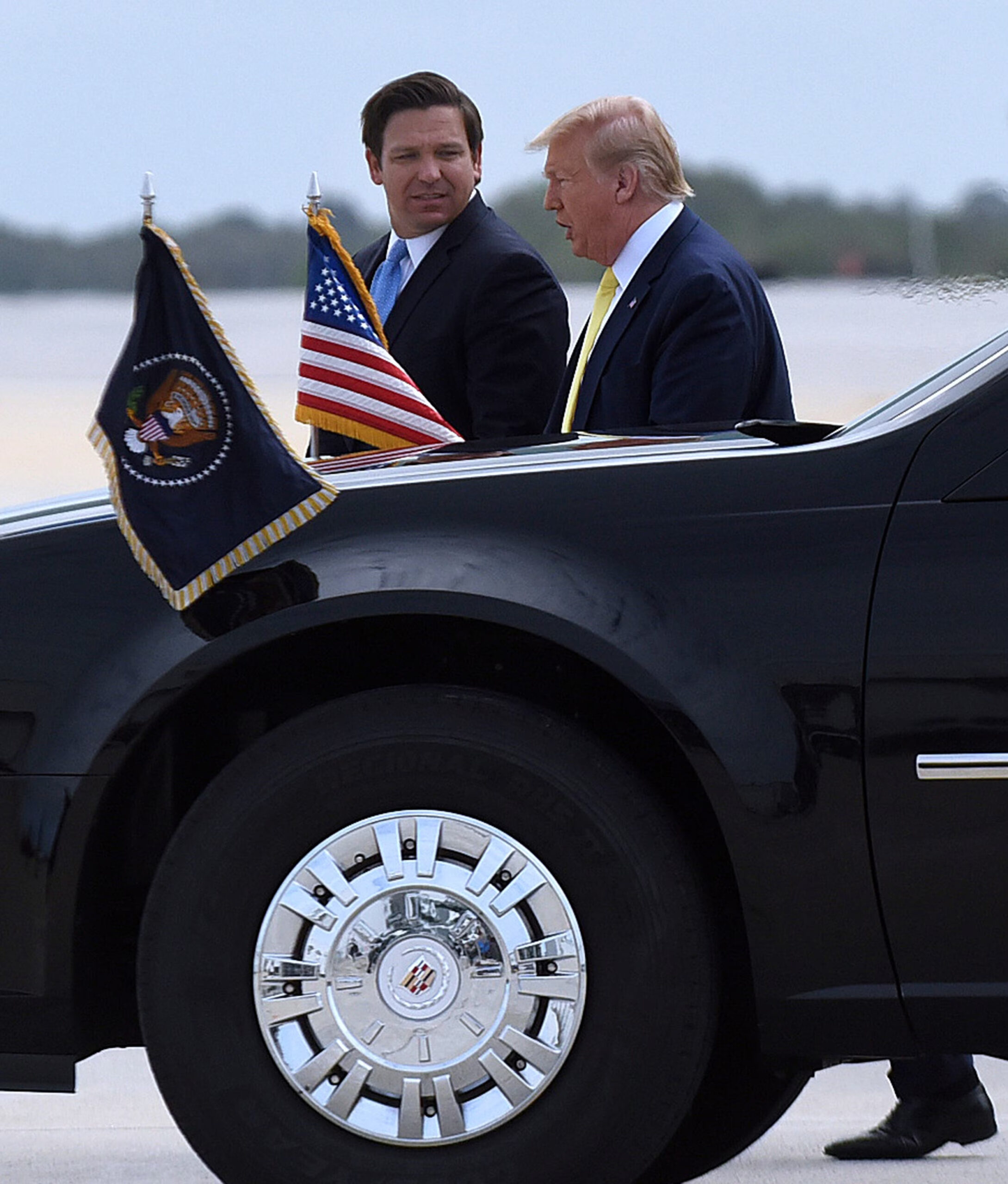
The intersection of public infrastructure and private identity is a central theme in this story. Airports are funded, maintained, and used by the public, yet their names often reflect specific individuals or entities. This duality raises important questions about ownership and representation.
When a public space is named after a person, it effectively becomes a reflection of that individual’s legacy. In the case of Trump, that legacy is complex and multifaceted, encompassing business achievements, political leadership, and ongoing public discourse.
The decision to attach his name to a major airport therefore carries symbolic weight. It transforms the airport from a neutral transit hub into a space that embodies a particular narrative, whether embraced or contested by those who pass through it.
Broader Implications for Future Naming Decisions
The Palm Beach airport renaming may set a precedent for future decisions of this kind. As political polarization continues to shape public discourse, naming choices are likely to become increasingly scrutinized. Governments and local authorities may face greater pressure to consider not only the honor they wish to bestow but also the potential reactions it may provoke.
This case also highlights the importance of timing and context. Naming a public space after a contemporary figure can amplify both support and opposition, making the decision more consequential. Future policymakers may need to weigh these factors carefully, balancing recognition with inclusivity.
In addition, the involvement of trademark applications introduces a new layer of complexity. As branding becomes more intertwined with infrastructure, the line between public service and commercial opportunity may continue to blur.
A Reflection on Identity, Memory, and Place
Ultimately, the renaming of Palm Beach International Airport is about more than a new sign or updated database. It is a reflection of how societies choose to represent themselves and what values they prioritize. Names carry meaning, shaping how places are perceived and remembered.
For some, the new name will symbolize pride and recognition. For others, it will serve as a reminder of political divisions. Either way, it transforms the airport into more than just a point of departure and arrival. It becomes a statement about identity, memory, and the stories a community chooses to tell.
As the July 1 implementation date approaches, the conversation surrounding the renaming is unlikely to fade. Instead, it may continue to evolve, reflecting broader debates about politics, history, and the role of public spaces in shaping collective identity.