
Table of Contents
- A Palm Sunday Message That Spoke to a World at War
- Why the Pope’s Words Felt Especially Urgent
- Christians in the Middle East Were at the Center of His Prayer
- The Jerusalem Incident Added Another Layer of Tension
- A Holy Week Also Marked by the Memory of Francis
- Leo Is Restoring Some Traditions While Defining His Own Voice
- A Direct Challenge to Religious Justifications for Violence
- What This Palm Sunday Message May Mean Going Forward
A Palm Sunday Message That Spoke to a World at War
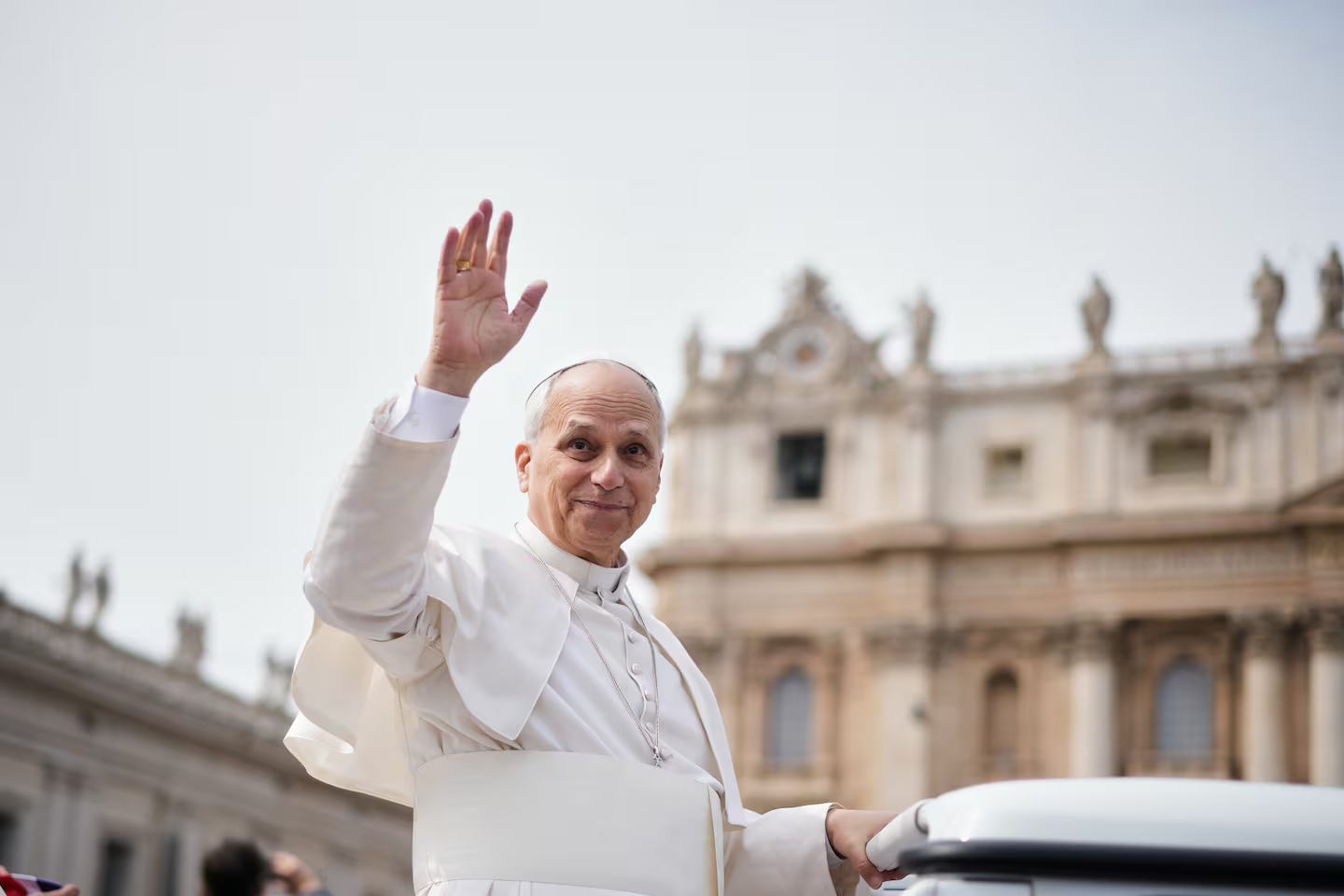
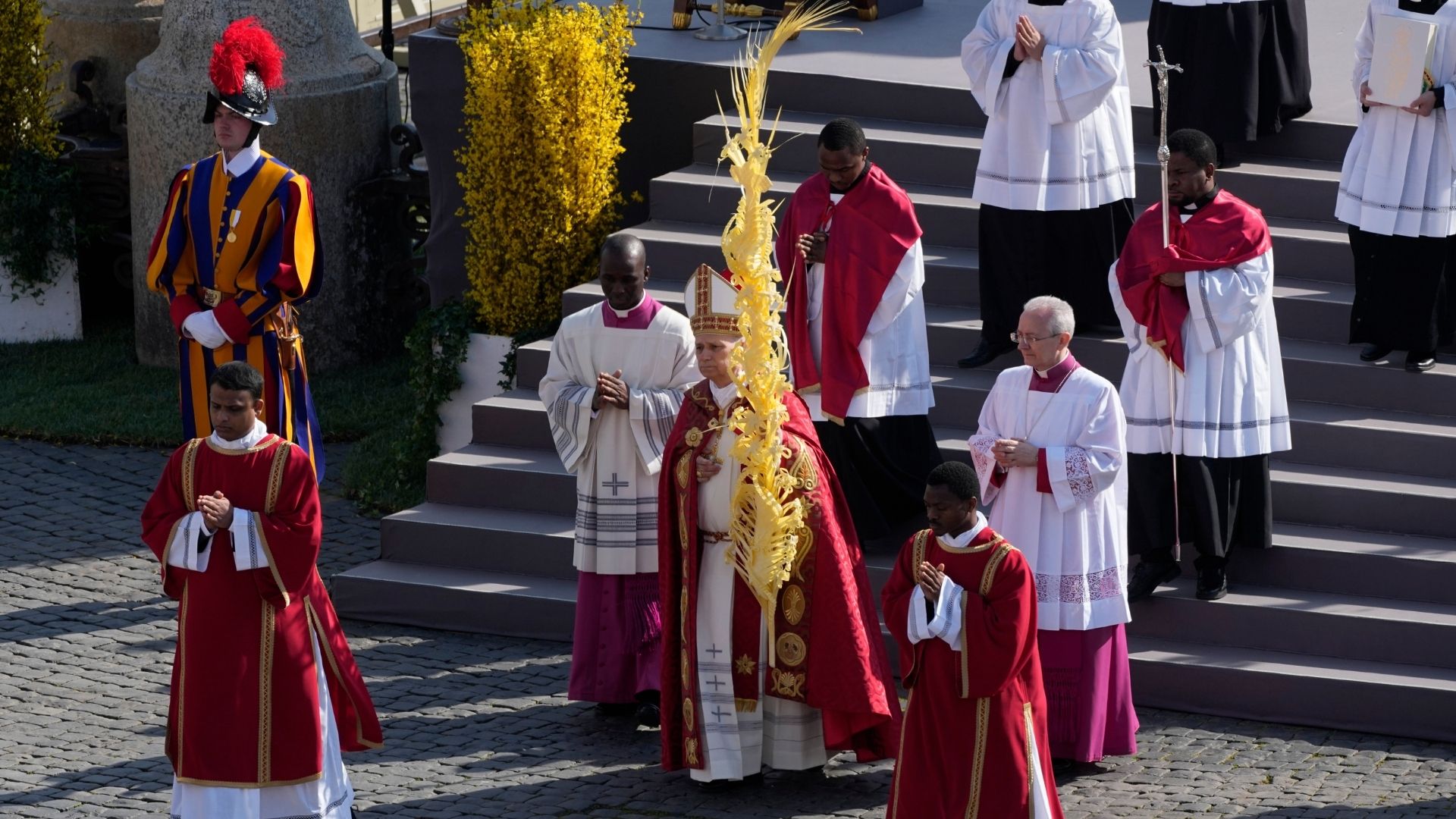
Palm Sunday marks one of the most symbolic moments in the Christian calendar. It remembers Jesus’ entry into Jerusalem in the days leading to his crucifixion on Good Friday and resurrection on Easter Sunday. In ordinary times, the liturgy carries a familiar balance of celebration and sorrow. This year, however, Pope Leo XIV used the occasion to direct the world’s attention to the suffering of people caught in modern wars, especially Christians in the Middle East who, he said, are struggling even to observe Holy Week fully.
His central message was both simple and striking. Leo said that Jesus rejects war and that no one can use God to justify it. He added that God does not listen to the prayers of those who wage war. Those words mattered because they directly challenged a pattern that has become increasingly visible in global politics, where faith language is sometimes used to cast military campaigns as morally righteous or spiritually necessary. In that sense, Leo’s homily was not just about theology. It was about reclaiming the language of religion from those who would use it to sanctify destruction.
Why the Pope’s Words Felt Especially Urgent
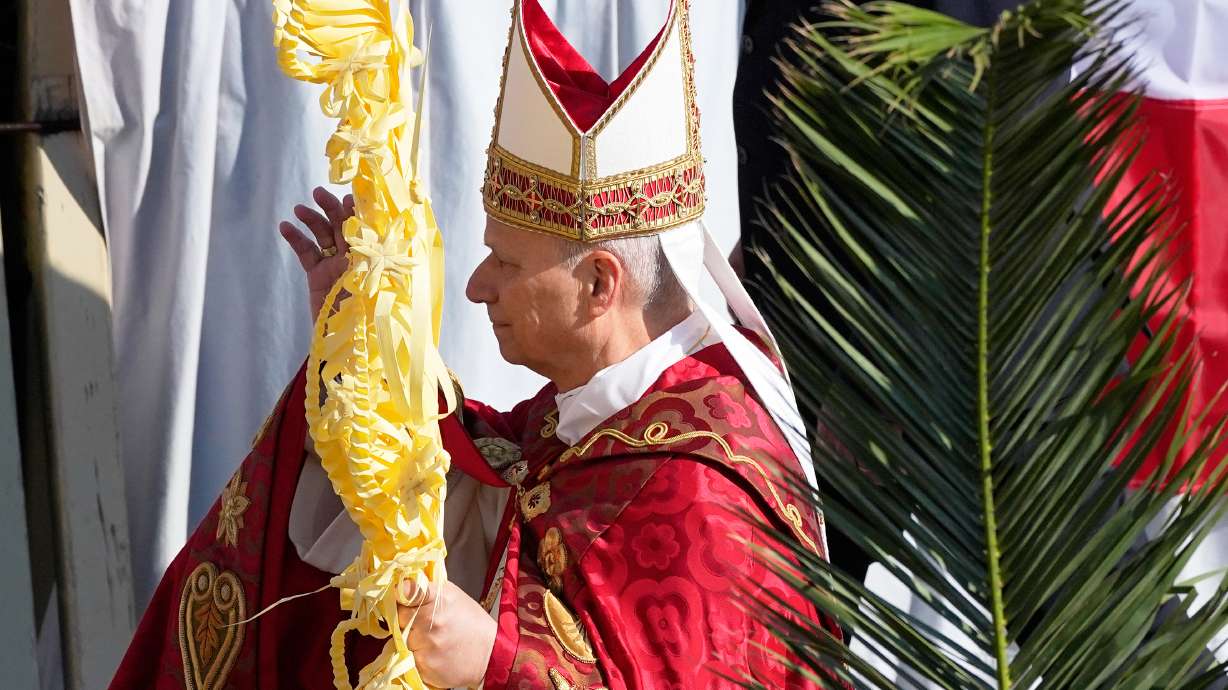
The timing of Leo’s remarks explains much of their force. The U.S.-Israeli war on Iran had entered its second month by the time he spoke, while Russia’s war in Ukraine continued to grind on. Reuters reported that Leo’s comments came amid growing concern about the humanitarian cost of these conflicts and against a backdrop in which political and religious figures have openly used faith based language to frame military action.
According to the Associated Press, Leo’s remarks also responded to a broader trend in which leaders on different sides of conflict have tried to give war a sacred gloss. The report noted that U.S. officials, including Defense Secretary Pete Hegseth, have invoked Christian language in relation to the war, while the Russian Orthodox Church has justified Russia’s invasion of Ukraine in religious terms. Leo did not name individuals in his homily, but the moral target of his message was hard to miss. He was rejecting the idea that violence becomes righteous simply because it is wrapped in religious symbolism.
That gives the homily a significance beyond one Sunday Mass. The Pope was not only praying for peace. He was contesting the narrative tools used to sustain war itself. In a century where politics, media, and identity often collide, that kind of intervention can resonate powerfully with believers and nonbelievers alike.
Christians in the Middle East Were at the Center of His Prayer
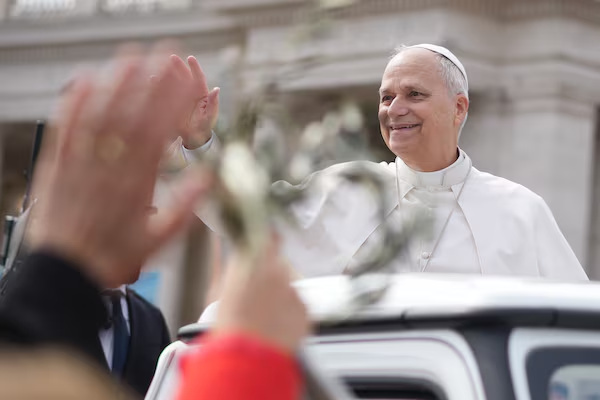
One of the most emotional parts of Leo’s Palm Sunday message came at the end of Mass, when he offered a special blessing for Christians in the Middle East. He said many are suffering the consequences of what he described as an atrocious conflict and cannot live fully the rites of these holy days. That brief passage brought the focus back to ordinary worshippers whose lives have been upended by war, displacement, and restrictions on movement.
This concern was not abstract. On the same day, the Latin Patriarchate of Jerusalem said Israeli police prevented the Catholic Church’s top leaders from entering the Church of the Holy Sepulchre for Palm Sunday observances. The Associated Press reported that the Patriarchate described it as the first time in centuries that church leaders had been prevented from celebrating Palm Sunday at the site where Christians believe Jesus was crucified. That extraordinary disruption deepened the sense that this Holy Week was unfolding under conditions of fear and restriction, not only in rhetoric but in visible reality.
For many believers, that detail made Leo’s prayer feel especially poignant. His words were not delivered into a vacuum. They were spoken while some of the most sacred Christian rites were being constrained by war related security tensions in the very land where the events of Holy Week are remembered.
The Jerusalem Incident Added Another Layer of Tension
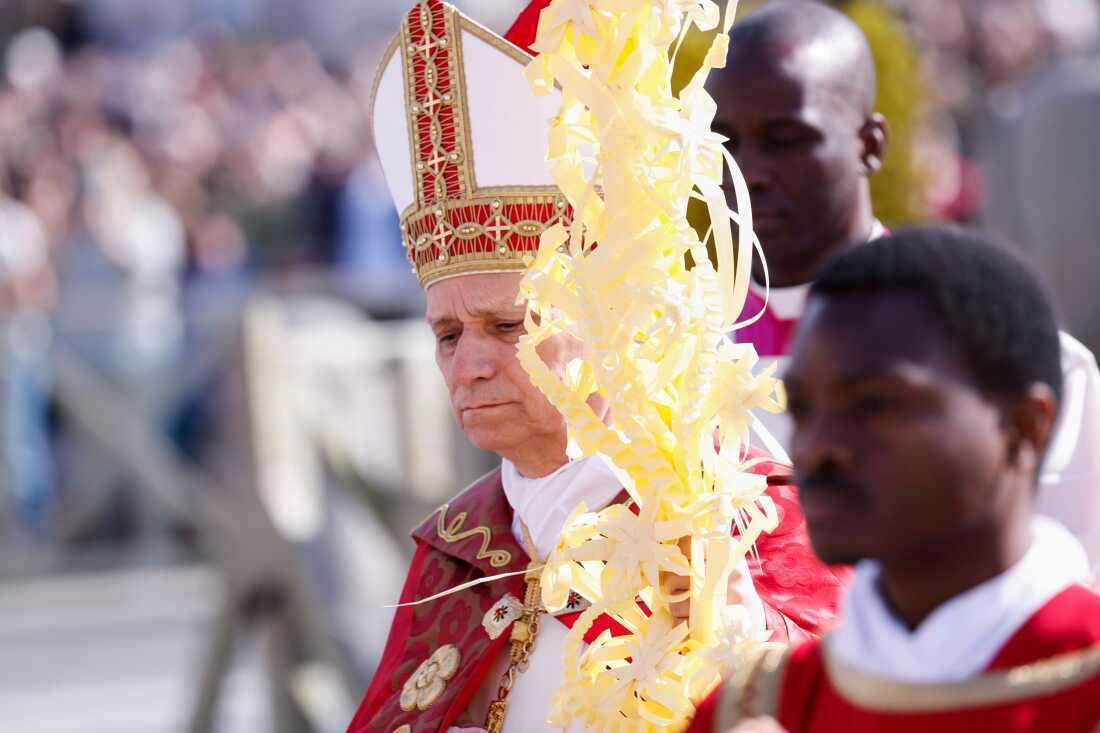
The Palm Sunday access dispute in Jerusalem quickly drew wider attention. According to the Associated Press, Israeli authorities cited security concerns related to the Iran war for restricting entry to the Church of the Holy Sepulchre, while church officials argued the planned liturgy would have involved fewer than 50 participants and complied with military guidelines. International criticism followed, with the incident framed by many as an overreach that threatened religious freedom during one of Christianity’s holiest periods.
Although Pope Leo did not directly center his homily on that specific dispute, his call for prayers for those wounded by war and for concrete paths of reconciliation clearly echoed the wider atmosphere. Holy Week, in his telling, cannot be lived authentically while ignoring the pain of those whose suffering mirrors the Passion that Christians are commemorating. The message was clear. If believers remember Christ’s suffering this week, they must also remember the suffering of those trapped in today’s conflicts.
That framing transformed Palm Sunday from a purely liturgical observance into a moral lens through which the world’s wounds were being viewed. Leo was not inviting the faithful to retreat from current events. He was urging them to confront those events through the heart of the Christian story itself.
A Holy Week Also Marked by the Memory of Francis
This year’s Holy Week also opened under the shadow of Pope Francis’ final days. The Associated Press noted that when Holy Week began the year before, Francis was recovering after a five week hospital stay for double pneumonia. Though physically weakened, he still appeared on Easter Sunday and made what became his final popemobile tour of St. Peter’s Square. He died the following morning, Easter Monday, after suffering a stroke.
That memory gives Leo’s first Palm Sunday as pope an added emotional charge. Francis had become known for bringing Holy Week rituals to people on society’s margins, especially through the Holy Thursday foot washing ceremony that he often celebrated in prisons and refugee centers. His approach turned symbolic acts into visible gestures of solidarity with those whom the world often overlooks.
By speaking so forcefully against war and praying for those harmed by it, Leo also seemed to signal continuity with Francis’ broader moral instinct. The setting and style may differ, but the concern for the wounded, the displaced, and the powerless remains unmistakably present.
Leo Is Restoring Some Traditions While Defining His Own Voice
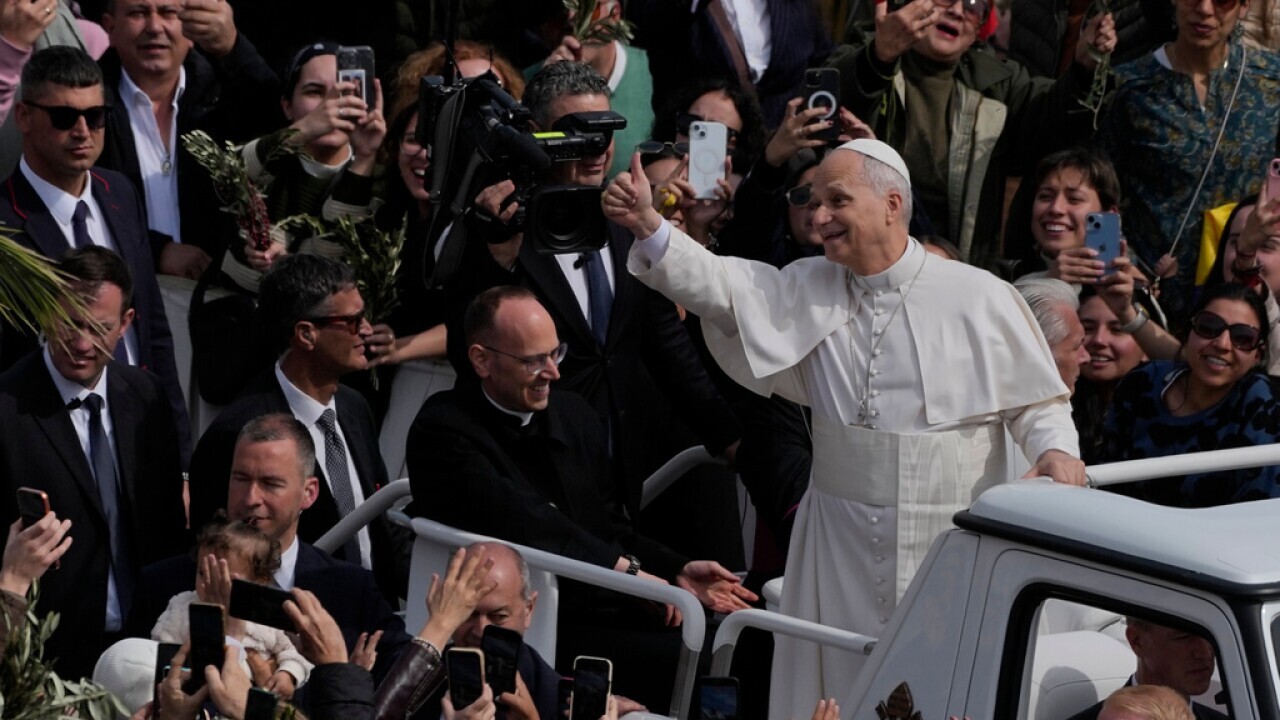
At the same time, Leo is beginning to shape his own papacy in visible ways. The Associated Press reported that he is restoring the Holy Thursday foot washing ritual to the basilica of St. John Lateran, returning to a custom followed by earlier popes for decades. This marks a departure from Francis’ habit of taking the ritual outside traditional settings to prisons and refugee centers.
That liturgical shift matters because it shows Leo balancing continuity and restoration. He is not copying Francis exactly, yet he is stepping into Holy Week with a clear pastoral identity. He is due to preside over the main liturgical events of the week, including the Good Friday procession at Rome’s Colosseum, the Easter Vigil where new Catholics are baptized, and Easter Sunday Mass in St. Peter’s Square followed by the papal blessing from the basilica’s loggia.
Still, it is his Palm Sunday message that has defined the opening tone most strongly. Before the ceremonies of the week unfold, Leo has already made clear that his papacy will not stay silent when war is being dressed in sacred language.
A Direct Challenge to Religious Justifications for Violence
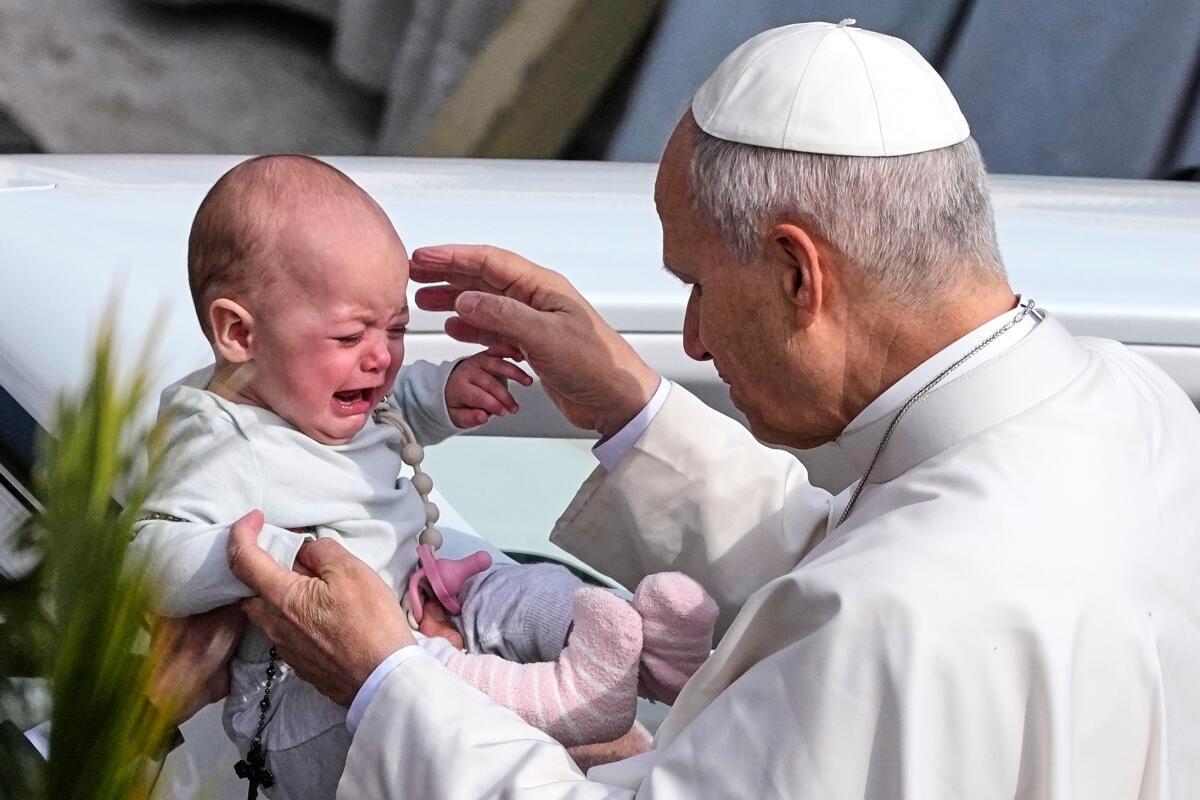
Perhaps the deepest importance of the homily lies in how directly it confronted a long and recurring temptation. Throughout history, rulers, armies, and ideologues have often tried to claim divine backing for violence. Religion can be used to comfort the suffering, but it can also be manipulated to harden the conscience of those causing suffering. Leo’s homily pushed decisively against that second use.
By declaring that God rejects war and does not listen to the prayers of those who wage it, Leo was making a theological claim with public consequences. He was saying that violence cannot be cleansed by rhetoric, and that spiritual language does not erase bloodshed. In a world where war is often packaged in moral absolutes, that is a difficult message for many leaders to hear. But it is also part of why the message traveled so quickly beyond the Vatican walls.
His words also restore attention to a basic but demanding principle. Peace is not weakness. In Christian teaching, peace is not passive surrender to evil. It is a calling that requires truth, restraint, reconciliation, and a refusal to glorify violence. Leo’s use of the title “King of Peace” for Jesus reminded listeners that the Christian center of gravity does not move toward triumph through force, but toward redemption through sacrifice.
What This Palm Sunday Message May Mean Going Forward
As Holy Week continues, Pope Leo XIV’s Palm Sunday homily is likely to remain one of the defining religious statements of the moment. It arrived during multiple active wars, amid rising restrictions in sacred places, and in a climate where religion is frequently invoked in public conflict. His words did not solve those crises, but they clarified where he stands. He has placed moral distance between the Gospel and the machinery of war.
That may shape expectations for his papacy moving forward. Leo is the first U.S. born pope, and his voice carries particular symbolic weight when speaking into conflicts involving the United States, Israel, Russia, and the wider Christian world. If Palm Sunday is any indication, he intends to use that voice not to baptize power, but to question it.
In the end, the strongest line from the day was also the simplest. No one can use Jesus to justify war. In an age of competing narratives, that sentence cut through the noise. It reminded the faithful, and perhaps the world beyond them, that Holy Week begins not with domination, but with humility, suffering, and the hope of peace.