
Table of Contents
- A Different Kind of AI Environmental Warning
- How the Researchers Reached Their Conclusion
- The Numbers That Are Drawing Attention
- Why Heat From Data Centers Matters So Much
- Not Everyone Is Ready to Accept the Findings Yet
- The AI Boom Makes the Question Urgent
- What the Researchers Say Should Happen Next
- A Warning That May Reshape the AI Debate
A Different Kind of AI Environmental Warning
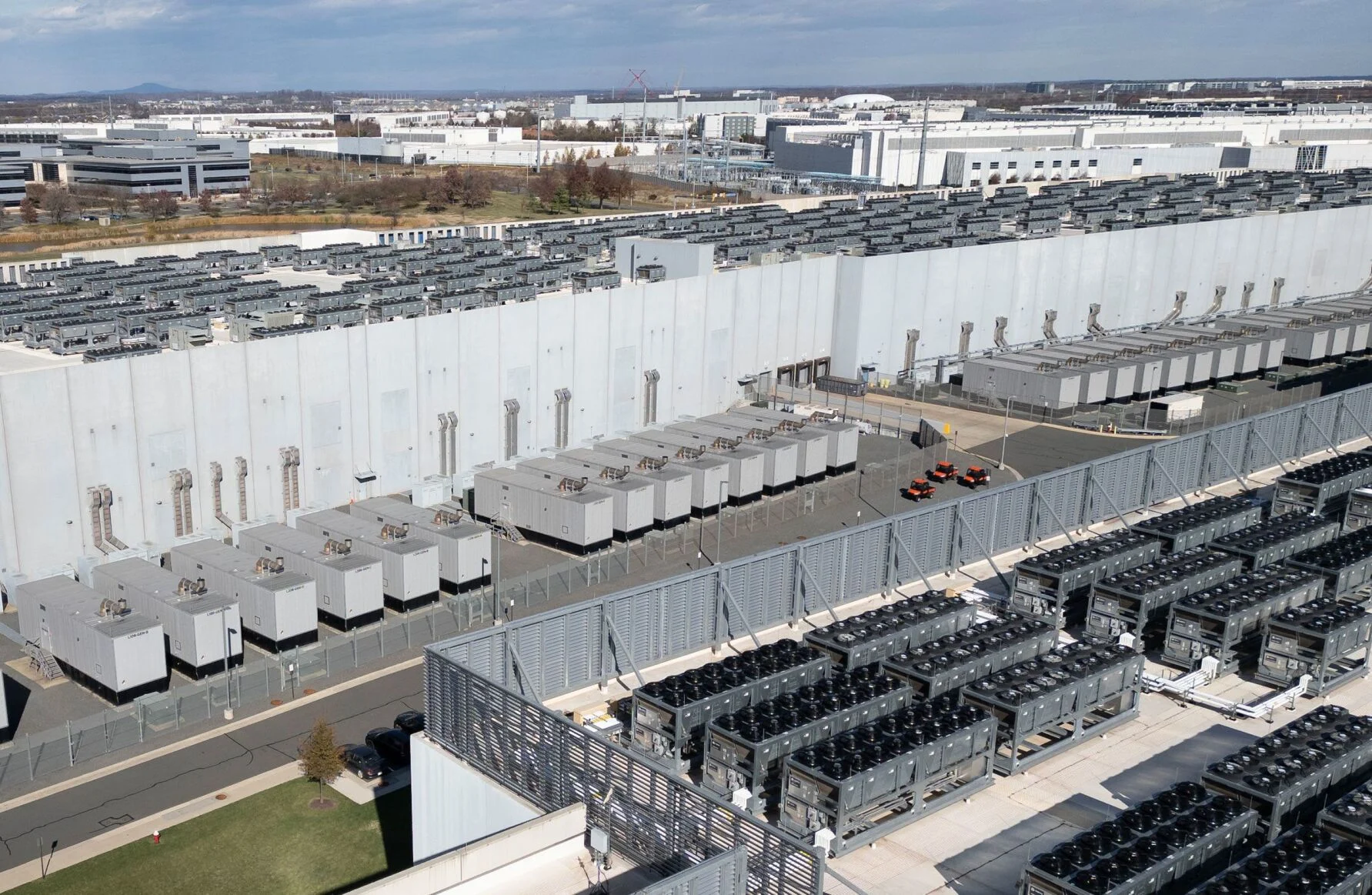
Most public concern about AI infrastructure has focused on electricity demand. That is understandable. Data centers require enormous power to run servers, store data, train models, and cool the machines performing those tasks. But the new study asks a different question: what happens to the heat that all of that energy ultimately produces? The researchers argue that this heat does not simply disappear into the background. Instead, they say, it may accumulate in ways that alter local land surface temperatures and create microclimate zones around major facilities.
That framing is important because it shifts the debate from abstract energy accounting to lived environmental experience. A power bill is one thing. A hotter neighborhood is another. If the findings hold up, the rise of AI infrastructure may need to be evaluated not just through emissions models and electricity forecasts, but through regional planning, public health, and land use decisions as well. The study explicitly compares the phenomenon to the urban heat island effect, suggesting that clusters of AI infrastructure can generate localized warming intense enough to merit their own category.
How the Researchers Reached Their Conclusion
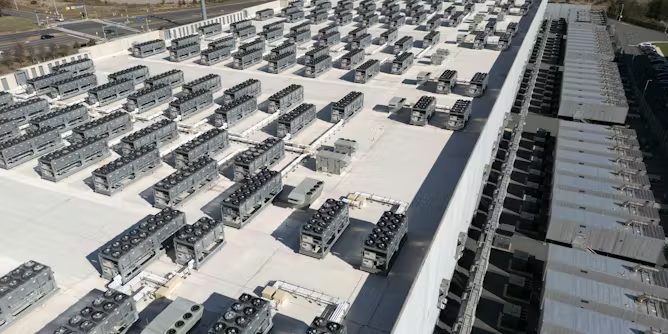
The paper describes a global analysis that combined land surface temperature records from remote sensing platforms with the locations of AI hyperscalers established over roughly the last twenty years. According to the authors, the dataset spans from 2004 to 2024 and uses satellite-based measurements to track temperature changes in the areas around data centers. Their goal was to isolate the thermal footprint associated with hyperscaler operations rather than simply measure broad warming trends.
To reduce noise in the analysis, the team says it filtered out seasonal effects, missing data issues, and other confounding influences. The researchers also focused on facilities outside densely populated urban zones so that changes in temperature would be less likely to be muddied by heavy manufacturing, residential heating, or other concentrated human activity. That choice is central to the paper’s argument. By stepping away from the most complicated urban settings, the authors say they were better able to detect a clearer temperature gradient associated with data center presence.
The result, they argue, is a consistent pattern. After an AI data center begins operating, surrounding land surface temperatures rise, sometimes modestly and sometimes dramatically. The paper describes this as a “data heat island effect,” a term meant to capture the idea that concentrated digital infrastructure may generate its own localized warming signature much as dense cities do. Even before the study is formally reviewed, the phrase itself is likely to stick because it gives a simple name to a phenomenon that many communities may soon start asking about.
The Numbers That Are Drawing Attention
The headline figures are difficult to ignore. In the abstract, the authors write that land surface temperature increases by 2°C on average after the start of operations of an AI data center. Elsewhere in the paper, they describe some results as “dramatically impressive” and note that the effect, in extreme cases, appears capable of matching the scale associated with some estimates of urban heat island warming. They also calculate that the impact can stretch out to 10 kilometers, or about 6.2 miles, from the facility.
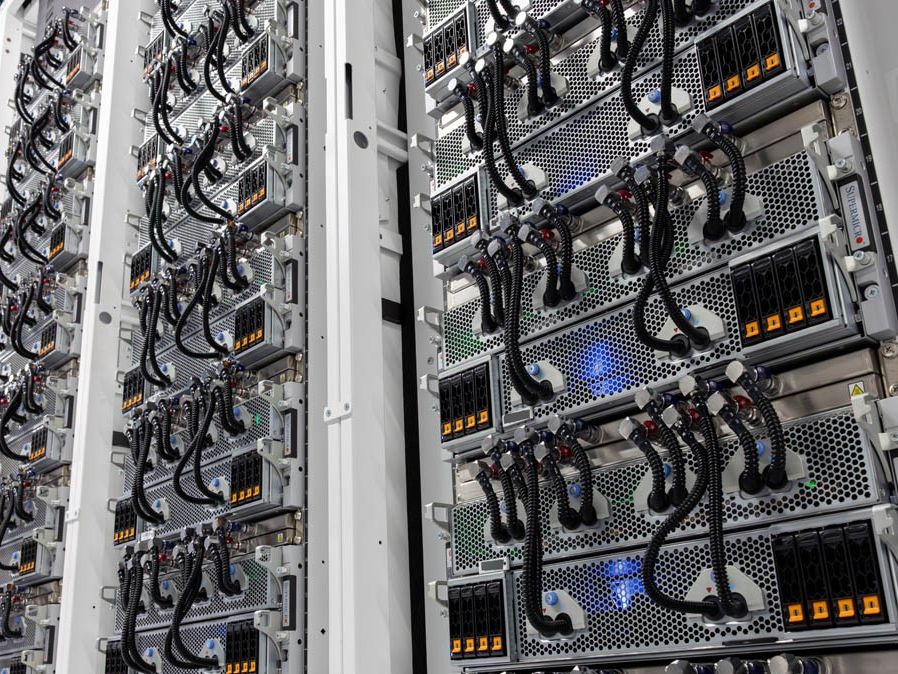
Perhaps the most consequential number is the estimate that as many as 343 million people worldwide could be living within zones affected by this kind of warming. That does not mean all of those people experience the same temperature increase, nor does it mean every nearby community will face identical risks. But it does suggest the issue could be large enough to matter beyond isolated industrial sites. Once the conversation shifts from server racks to surrounding populations, the politics of data center expansion may start to change.
The paper also suggests the effect is not confined to one climate or one region. The authors describe the pattern as globally consistent and argue that it appears across multiple sites, not just in one outlier cluster. That matters because one of the easiest ways to dismiss a new environmental claim is to say it is local, accidental, or driven by one unusual case. The researchers are explicitly arguing the opposite. They are saying this may be a structural feature of large scale AI infrastructure.
Why Heat From Data Centers Matters So Much
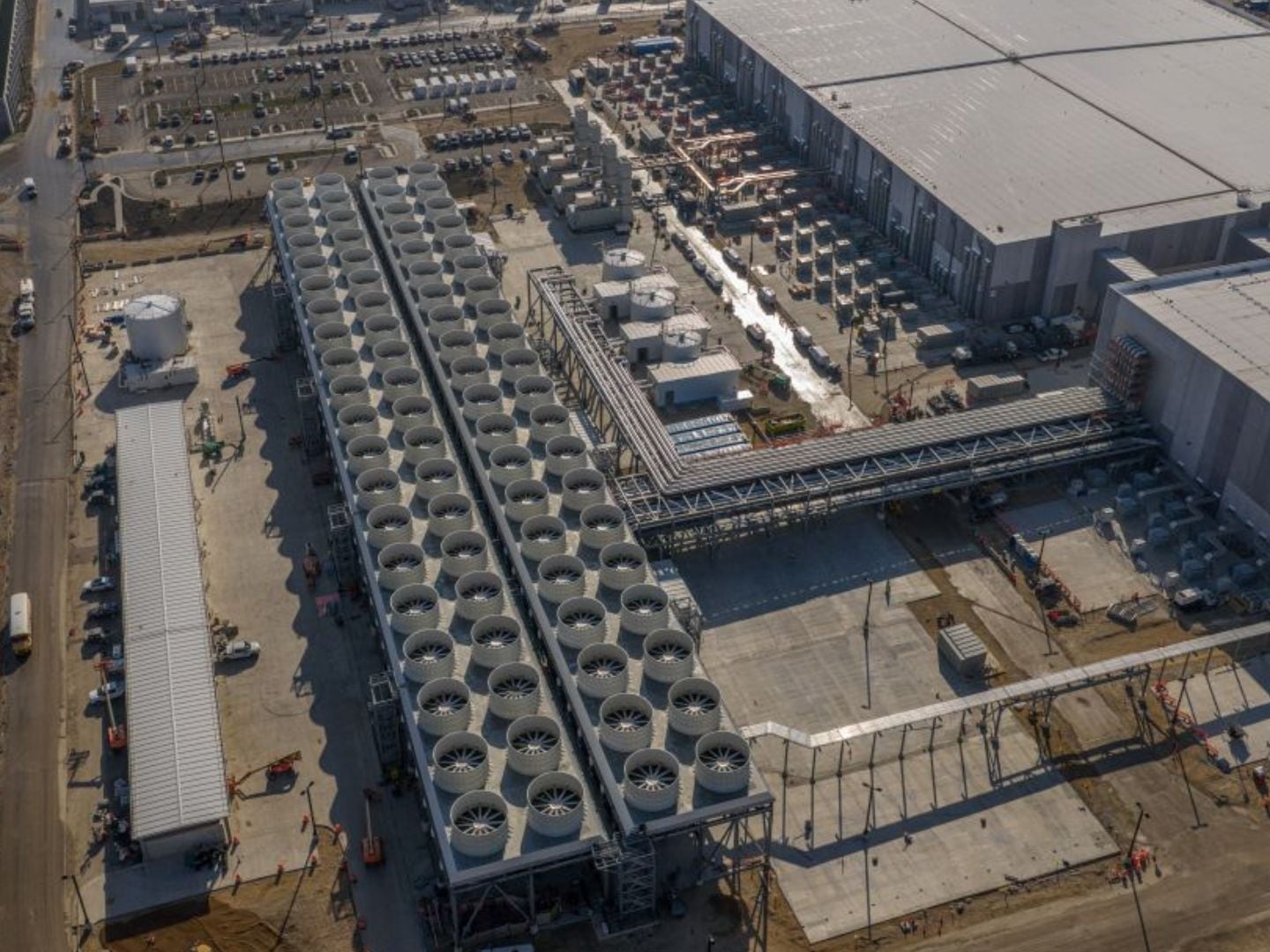
It can be tempting to hear a phrase like “surface temperature” and assume this is mostly a technical or remote sensing issue. It is not. The paper argues that if data heat islands are real and persistent, they could affect welfare, healthcare, energy systems, and even demographic patterns. Localized heat changes can place pressure on human bodies, increase cooling demand, worsen inequality during heat waves, and make already warm regions more difficult to live in comfortably.
That is why the timing of the study feels especially unsettling. The planet is already warming. Heat waves are already becoming more dangerous in many regions. If the infrastructure powering the AI revolution is adding another layer of localized warming on top of broader climate change, then communities near these facilities may face a compounded burden. The study’s authors say this could become part of the conversation around environmentally sustainable AI worldwide, which sounds restrained on paper but carries a much bigger implication. The more AI scales, the less this may remain a niche concern.
Not Everyone Is Ready to Accept the Findings Yet
The paper’s warning is dramatic, but that does not mean the scientific debate is settled. The study has not yet been peer reviewed, which is a significant limitation. A preprint can be valuable and timely, but it has not undergone the same external scrutiny as a published paper in a peer reviewed journal. That matters even more here because the findings are both novel and large in magnitude.
The authors themselves acknowledge that there are still large gaps in understanding the impacts of data centers as they proliferate. Their paper is partly framed as an attempt to fill one under-researched area rather than as the final word on the subject. In that sense, the study may be most useful right now as a signal that a neglected question deserves more attention. It is a prompt for further investigation, not a finished verdict.
That caution is built into the structure of the paper too. Although the researchers use strong language about the significance of the effect, they also devote a substantial section to possible mitigation pathways and to the need for future work. This suggests the study is meant not only to raise alarm but to redirect the design conversation around AI infrastructure. In other words, the paper is trying to widen the frame before the next generation of data center buildout becomes even harder to reshape.
The AI Boom Makes the Question Urgent
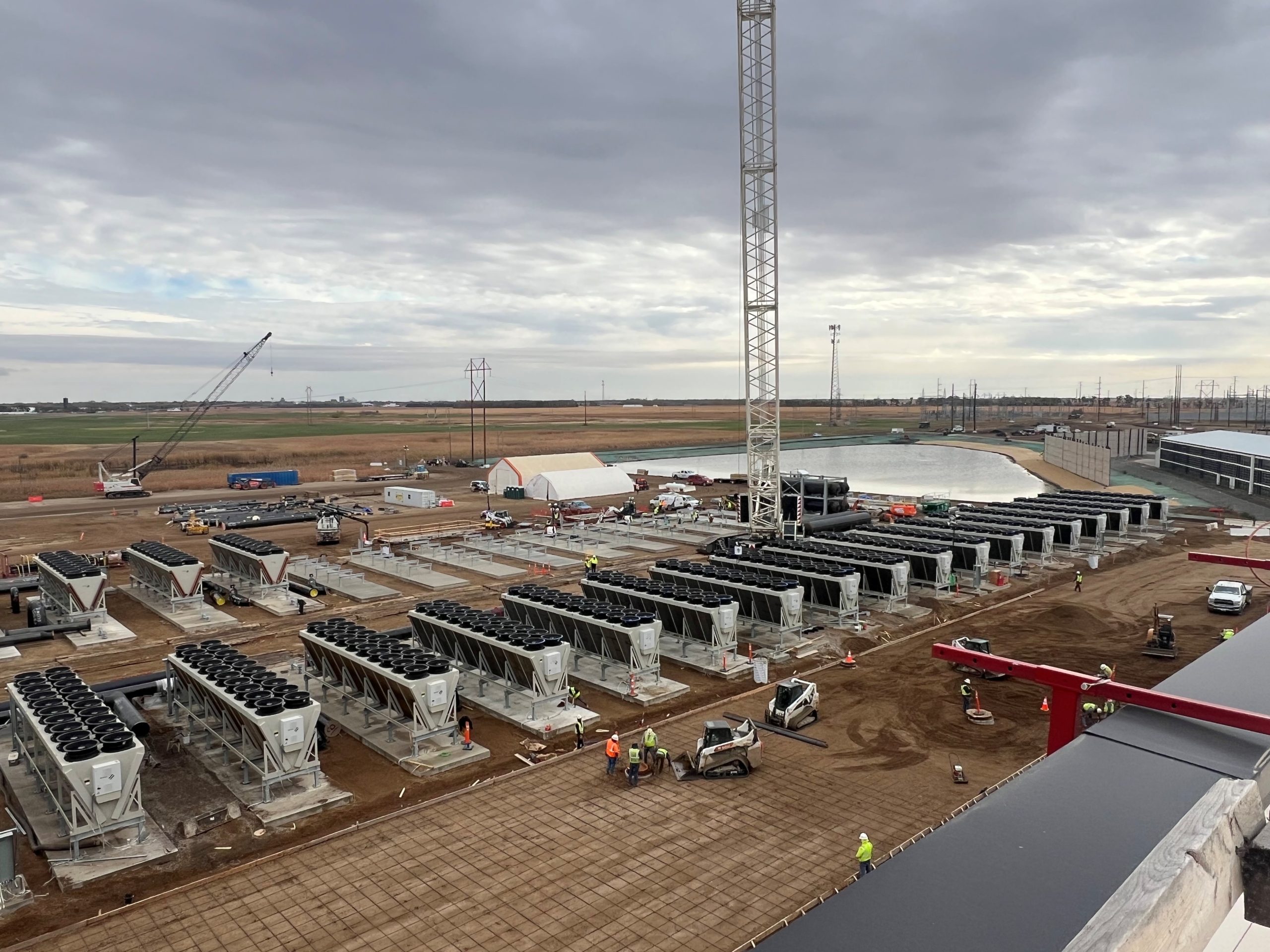
One reason the paper has drawn so much interest is that AI infrastructure is expanding fast. The study notes that data centers are expected to be among the most power hungry activities of the next decade and warns that the projected rise in AI usage could intensify their environmental footprint. The authors argue that if current trends continue, the thermal effects of hyperscalers may become more difficult to ignore, especially as the number and scale of facilities increase worldwide.
This is what makes the research feel bigger than one environmental metric. It arrives during a period when governments, companies, and investors are racing to build capacity for AI. That “rush for AI” creates strong incentives to move quickly, often faster than planning, sustainability frameworks, or public oversight can keep up. If local warming turns out to be part of the price of that rush, then communities may soon begin asking harder questions about siting, cooling technologies, and who bears the environmental cost of digital growth.
What the Researchers Say Should Happen Next
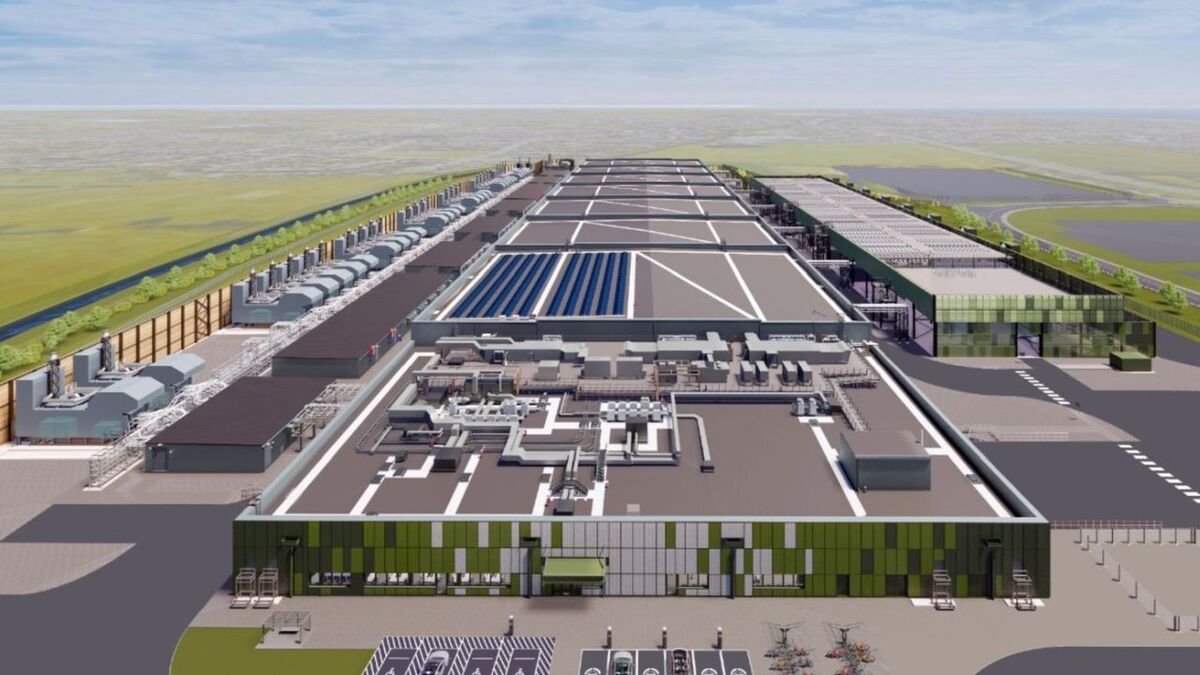
The paper does not stop at diagnosis. Its later sections outline possible software and hardware strategies that could help reduce the effect. On the software side, the authors discuss designing more computationally efficient methods so that AI processing requires less power. On the hardware side, the implication is that better materials, cooling methods, and system design could cut waste heat and improve overall efficiency. Their broader point is that intelligence should not be treated as pure abstraction divorced from physical costs.
That last idea may turn out to be the most important. For years, AI has often been discussed as if its main limits were computational ingenuity, capital, and data availability. This study pushes back against that mindset by insisting that intelligence is instantiated in physical systems that consume energy, generate heat, and reshape environments. If AI is going to keep expanding, then those physical realities will become harder to treat as side notes.
A Warning That May Reshape the AI Debate
Even if later studies revise the exact numbers, this paper may still mark an important turning point because it asks a question that is no longer easy to ignore. What happens to the places that host the machines behind the AI future? For a long time, the cultural image of AI has floated above geography, appearing weightless, virtual, and detached from land. This research argues the opposite. The systems may be digital, but their footprint is deeply physical.
That is why the phrase “data heat island” matters. It condenses a complicated technical claim into something communities, planners, and policymakers can understand immediately. If the phenomenon is confirmed by further research, then it could influence everything from environmental review and zoning to public health planning and cooling infrastructure. A technology celebrated for accelerating human progress would also need to be judged by how much extra heat it leaves behind.
For now, the study remains an early but serious warning. It does not prove the case beyond dispute, and it does not answer every question. But it does something increasingly rare in the AI conversation. It forces attention back to the ground, to the land around the servers, and to the people living nearby. In the race to build the future, that may be exactly where the hardest questions were always waiting.