
Table of Contents
- When Voting Rules Suddenly Change
- What the Executive Order Actually Does
- New Rules for Ballot Security
- Federal Power Meets State Control
- Trump’s Long Standing Claims About Election Integrity
- A Timing That Raises Questions
- A Contradiction That Draws Attention
- Legal Challenges Are Almost Certain
- The Broader Debate About Voting Access
- What This Means for Voters
- A Turning Point in Election Policy
- The Bigger Picture Moving Forward
When Voting Rules Suddenly Change
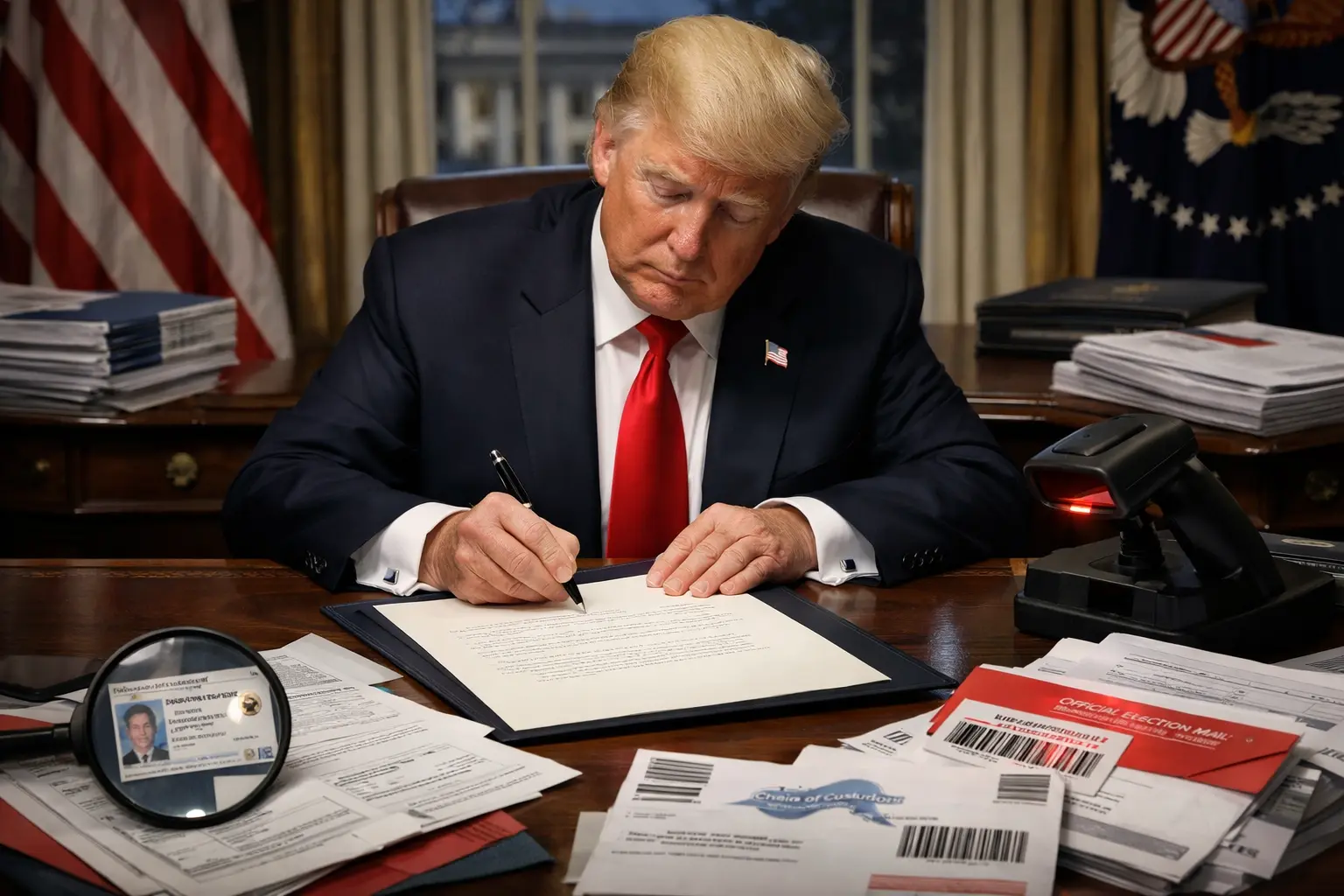
When news broke that former President Donald Trump had signed a sweeping executive order to tighten mail in voting rules across the United States, the reaction was immediate and intense. This was not just another policy update. It was a move that could reshape how millions of Americans participate in elections. At its core, the order aims to redefine how eligibility is verified, how ballots are distributed, and how voting integrity is enforced.
For supporters, it is a long awaited step toward securing elections. For critics, it raises serious concerns about federal overreach and voter access. What follows is an in depth look at what this order means, how it could affect voters, and why it may trigger one of the most significant legal battles in modern US election history.
What the Executive Order Actually Does
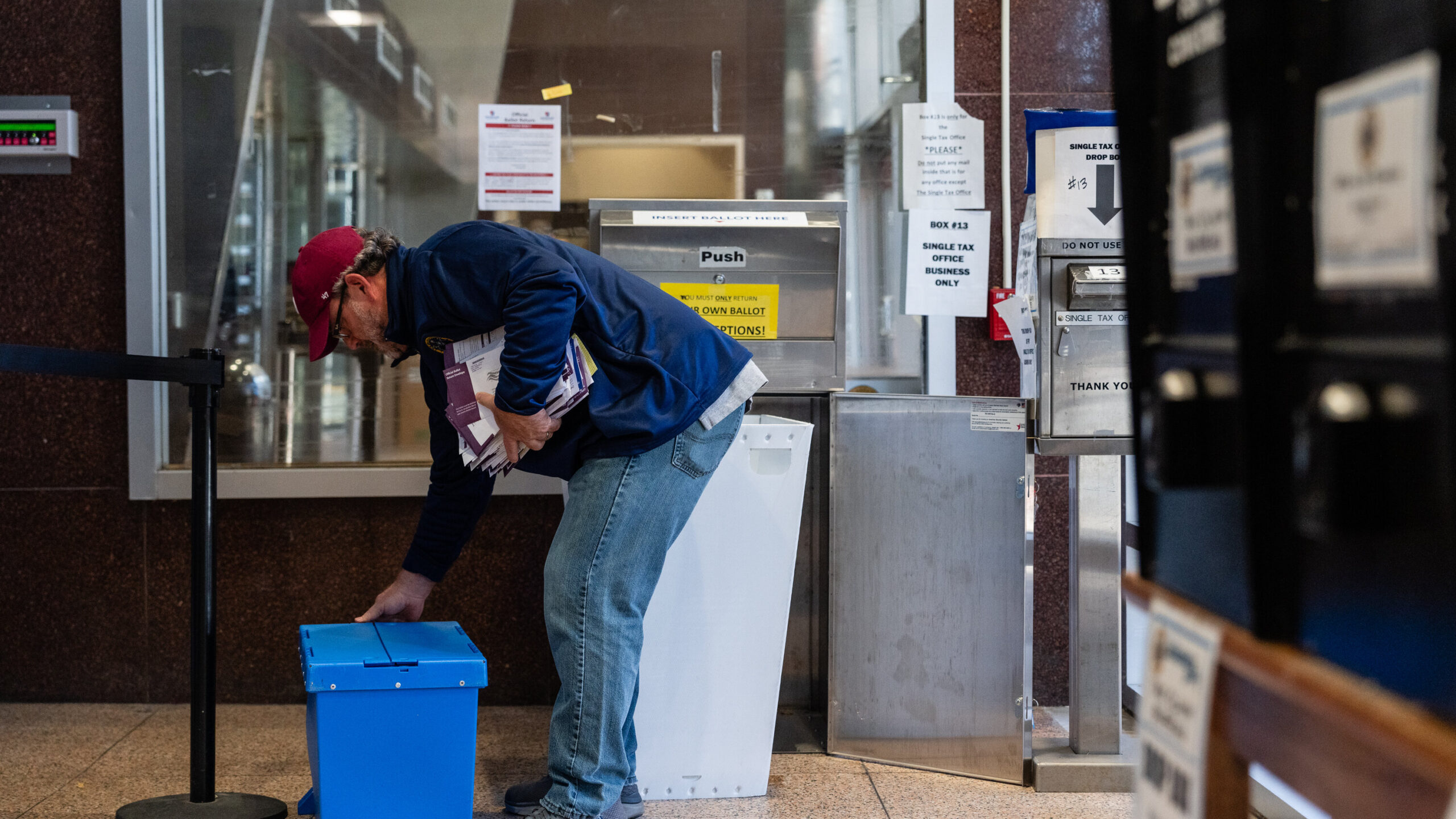
At the center of the controversy is a detailed plan to change how mail in voting operates across the country. The executive order directs federal agencies to create a national level system that helps states verify voter eligibility using federal data.
This includes compiling a list of confirmed citizens who are eligible to vote in each state. The idea is to provide election officials with a more reliable way to confirm voter identity and prevent ineligible participation.
In addition, the order introduces stricter requirements for absentee ballots. Ballots would only be sent to individuals who are already on approved mail in voting lists maintained by each state. This is a significant shift from systems where ballots can be requested more flexibly.
New Rules for Ballot Security
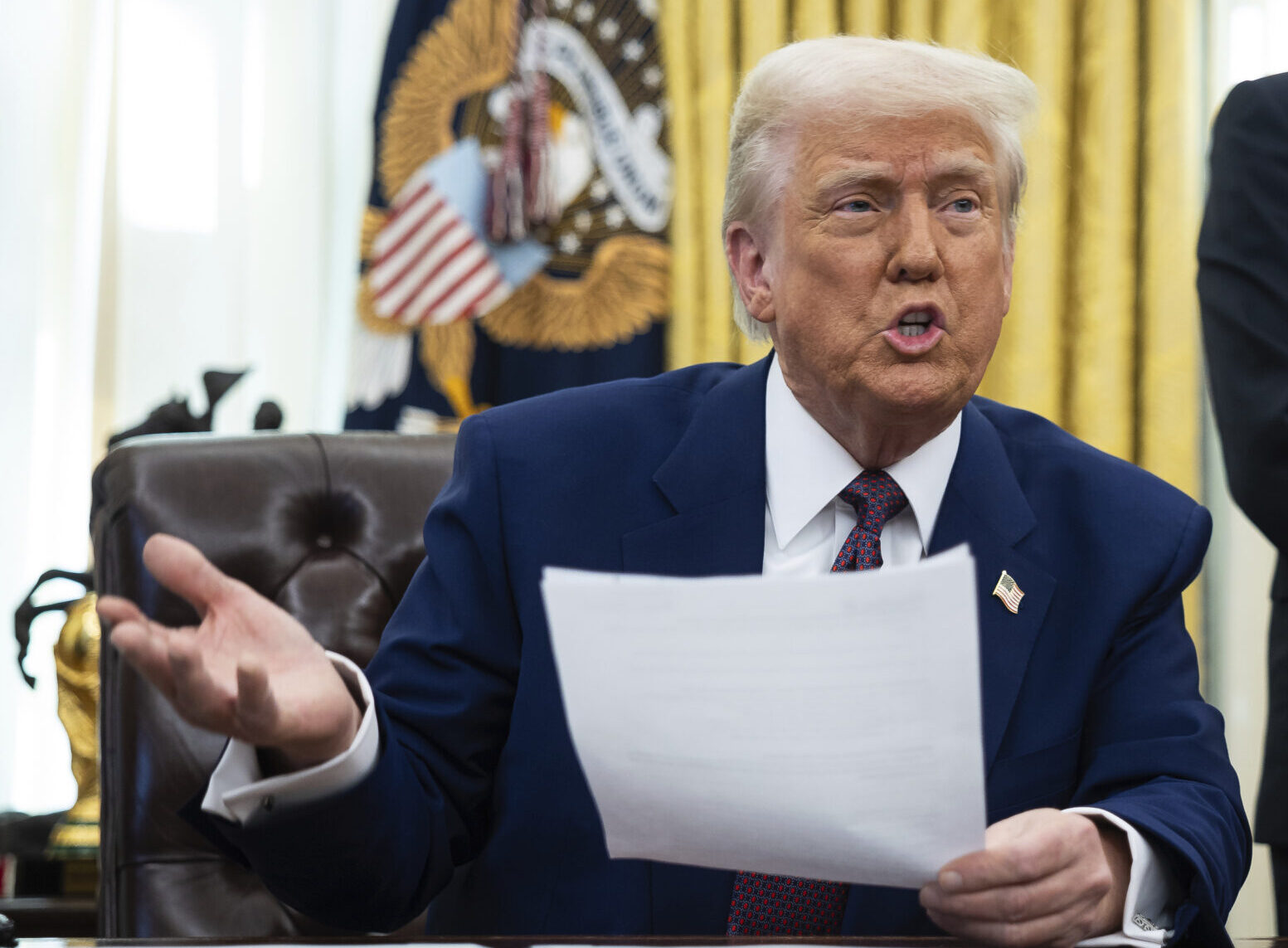
Another major component of the order is the introduction of enhanced security measures for ballots. All absentee ballots would be required to use secure envelopes with unique tracking barcodes.
These barcodes are designed to allow officials to monitor each ballot throughout the voting process. From the moment it is issued to the moment it is counted, every step could be tracked.
Supporters argue that this will reduce the risk of lost or fraudulent ballots. Critics, however, question whether such measures could create additional barriers for voters, especially those who rely heavily on mail in voting.
Federal Power Meets State Control
One of the most controversial aspects of the order is its attempt to influence systems that are traditionally controlled by individual states. In the United States, elections are largely managed at the state level, with each state setting its own rules and procedures.
By directing federal agencies to play a larger role in verifying voter eligibility and shaping ballot distribution, the order enters a complex legal territory. Many experts believe this could lead to immediate challenges in court.
The question at the heart of the debate is simple but significant. How much authority does the federal government have over state run elections.
Trump’s Long Standing Claims About Election Integrity
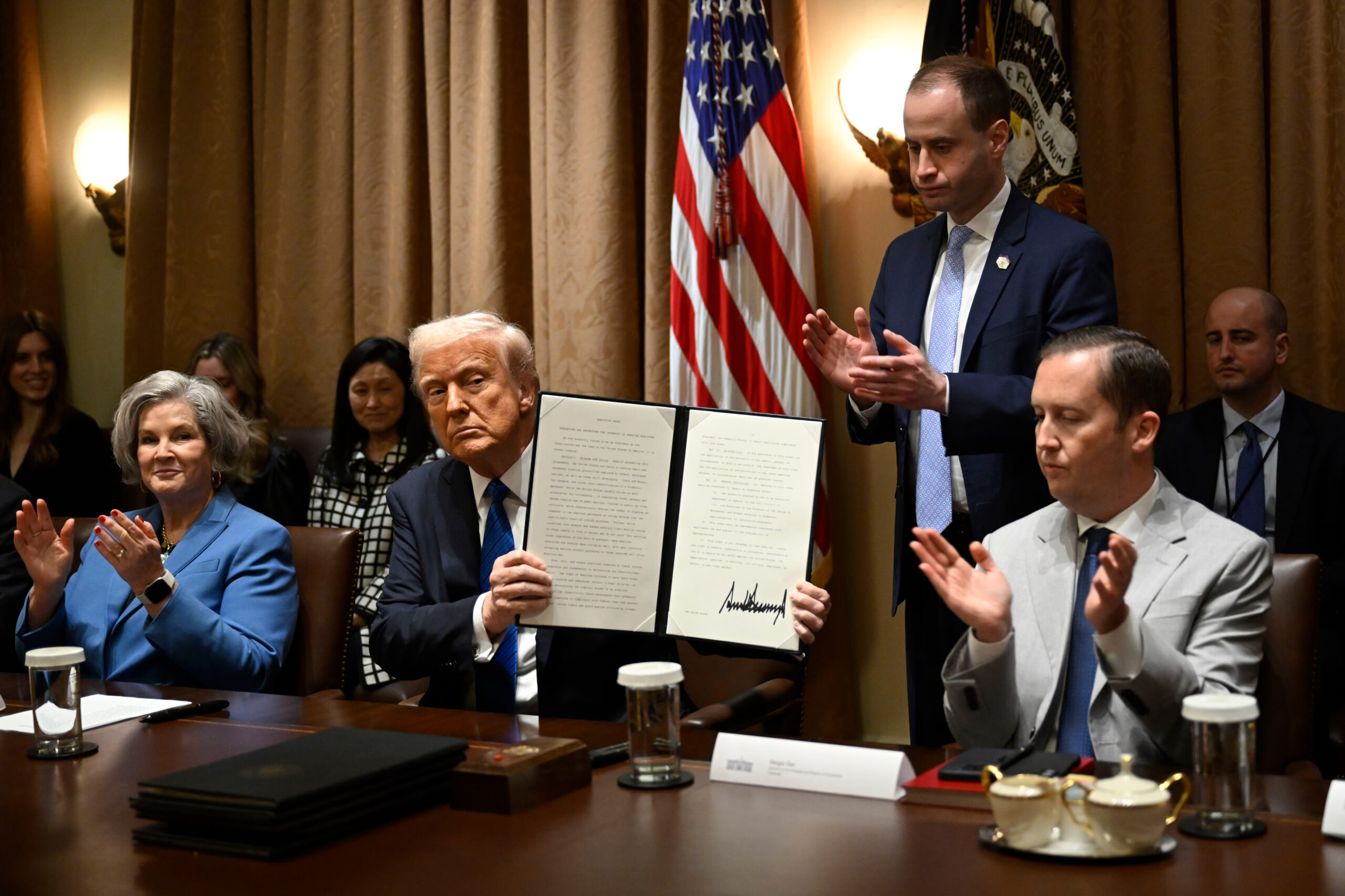
The executive order did not come out of nowhere. It is part of a broader narrative that Donald Trump has maintained for years. He has repeatedly claimed that the 2020 election was affected by widespread voter fraud, particularly through mail in voting.
These claims have been widely disputed and rejected by courts and election officials. However, they continue to resonate with a significant portion of the public.
This new order reflects those concerns. It represents an effort to address what Trump and his supporters see as vulnerabilities in the current voting system.
A Timing That Raises Questions
The timing of the order is also significant. It comes ahead of upcoming elections in which control of Congress could be at stake. Political analysts note that changes to voting rules can have a direct impact on voter turnout and election outcomes.
Mail in voting has become increasingly popular in recent years, especially during the pandemic. Any changes to how it operates could influence how and when people choose to vote.
This adds another layer of complexity to the debate, as critics argue that altering voting rules close to elections could create confusion or unfair advantages.
A Contradiction That Draws Attention
Adding to the controversy is the fact that Donald Trump himself has used mail in voting. In a recent special election in Florida, he cast his own ballot by mail.
When asked about this, he explained that his position as president required flexibility due to a busy schedule. This explanation has been met with mixed reactions.
Some see it as a practical decision, while others view it as contradictory to his strong criticism of mail in voting systems.
Legal Challenges Are Almost Certain
Legal experts widely expect that the executive order will face immediate challenges. The core issue is whether the federal government can impose changes on systems that are managed by states.
Courts will likely examine whether the order oversteps constitutional boundaries. They will also consider whether it could restrict access to voting for certain groups.
Trump himself has stated that only a judge could block the order, expressing confidence that it will withstand legal scrutiny. However, history suggests that election related policies often face intense legal battles.
The Broader Debate About Voting Access
Beyond the specifics of this order, the situation reflects a larger national conversation about voting access and election security. On one side are those who prioritize strict verification measures to prevent fraud. On the other are those who emphasize the importance of making voting accessible to all eligible citizens.
Mail in voting sits at the center of this debate. It offers convenience and accessibility, particularly for older voters, people with disabilities, and those living in remote areas.
At the same time, it raises questions about how to ensure that every vote is legitimate and accurately counted.
What This Means for Voters
For everyday voters, the potential impact of these changes is significant. If implemented, the new rules could alter how people register for mail in voting, how they receive ballots, and how those ballots are processed.
Some voters may need to take additional steps to ensure they are on approved lists. Others may need to adapt to new requirements for submitting their ballots.
The changes could also affect voter confidence. For some, increased security measures may build trust in the system. For others, the complexity of new rules may create uncertainty.
A Turning Point in Election Policy
This executive order represents more than just a policy shift. It marks a potential turning point in how elections are conducted in the United States.
It brings into focus long standing tensions between federal authority and state control. It also highlights the challenges of balancing security with accessibility in a modern democracy.
As legal battles unfold and political debates continue, one thing is clear. The future of mail in voting in the United States is entering a new and uncertain phase.
The Bigger Picture Moving Forward
Looking ahead, the implications of this order extend far beyond the immediate changes it proposes. It raises broader questions about trust, governance, and the evolving nature of elections.
How will courts interpret the balance of power between federal and state governments. How will voters respond to new rules and requirements. And how will these changes shape future elections.
These are questions that will not be answered overnight. But they will define the direction of American democracy in the years to come.
In the end, this is not just about ballots and procedures. It is about the fundamental principles of participation and representation. As the debate continues, the decisions made today will influence how millions of people engage with the democratic process tomorrow.