
Table of Contents
- When War Reaches Those Far From Home
- A Life Built on Sacrifice and Distance
- Why Millions Continue to Stay
- The Hidden Cost of Opportunity
- When Conflict Turns Personal
- Families Waiting in Uncertainty
- The Struggle to Return Home
- Between Two Uncertain Worlds
- The Psychological Toll of Living in Fear
- A Region Built on Migrant Labor
- A Choice No One Should Have to Make
- What This Means Moving Forward
When War Reaches Those Far From Home
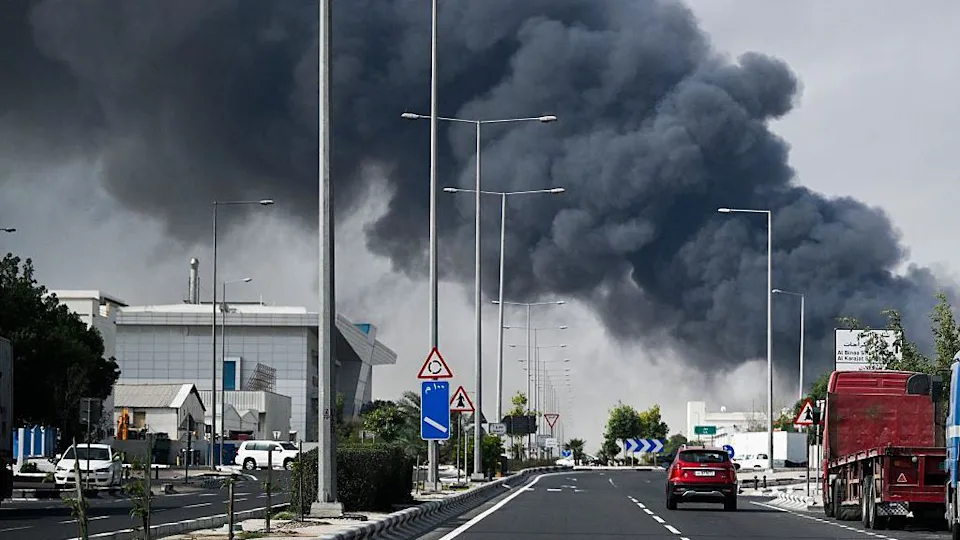
When news spread that missile sirens were echoing across major Gulf cities, millions of migrant workers found themselves facing a terrifying question. Is the financial opportunity worth the risk of staying alive in a region suddenly pulled into conflict. For many, this is not a political debate but a deeply personal crisis tied to survival, family, and responsibility. Across Qatar, the United Arab Emirates, Saudi Arabia, and beyond, workers from Asia are now living between fear and necessity.
This is not just about geopolitics or military strategies. It is about individuals who left their homes years ago in search of a better life, only to find themselves caught in the crossfire of a conflict they never chose. What follows is a closer look at the lives behind the headlines and the difficult decisions they now face.
A Life Built on Sacrifice and Distance
For workers like Norma Tactacon, the Gulf has long represented hope. A 49 year old domestic worker, she has spent decades working abroad to support her family back in the Philippines. Her story is not unique. It reflects the reality of millions who leave their homes to provide opportunities for their children.
Her goal has always been clear. She wanted her son to graduate from a police academy and her daughters to pursue careers in nursing. These dreams required sacrifices that most people never see. Long years of separation, missed birthdays, and the emotional burden of being far from loved ones.
But now, that sacrifice feels heavier than ever. The sound of sirens and the sight of missiles in the sky have turned daily life into a constant state of anxiety. Every moment becomes a reminder that survival is no longer guaranteed.
Why Millions Continue to Stay
Despite the danger, many migrant workers remain in the Gulf. The reason is simple but powerful. Money. For many, the wages they earn abroad are several times higher than what they could earn at home.
A domestic worker in the Middle East can earn around five hundred dollars a month. While this may seem modest in global terms, it represents a life changing income for families in countries like the Philippines, Bangladesh, or Nepal. That money pays for education, healthcare, and basic survival.
Leaving is not just a personal decision. It is an economic one that affects entire families. For many workers, returning home means losing the only stable source of income they have.
The Hidden Cost of Opportunity
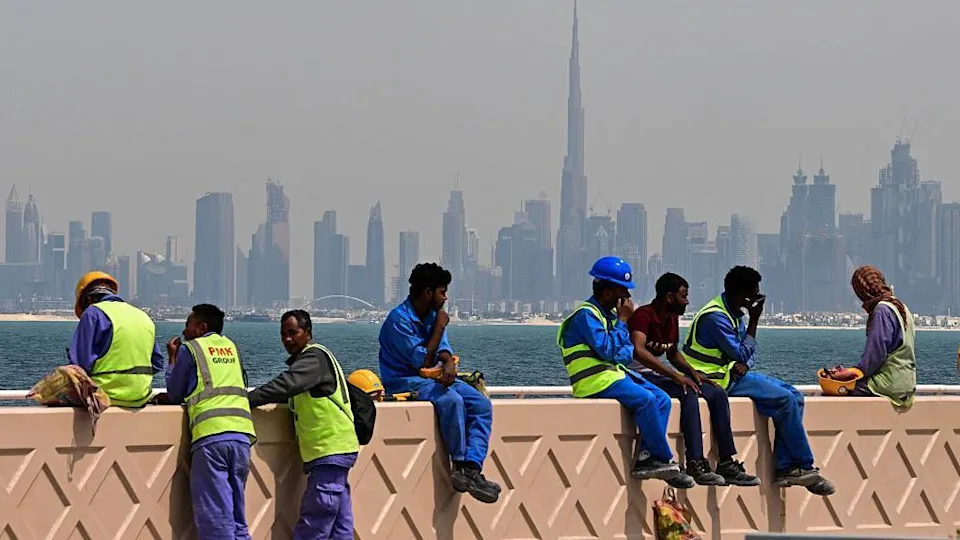
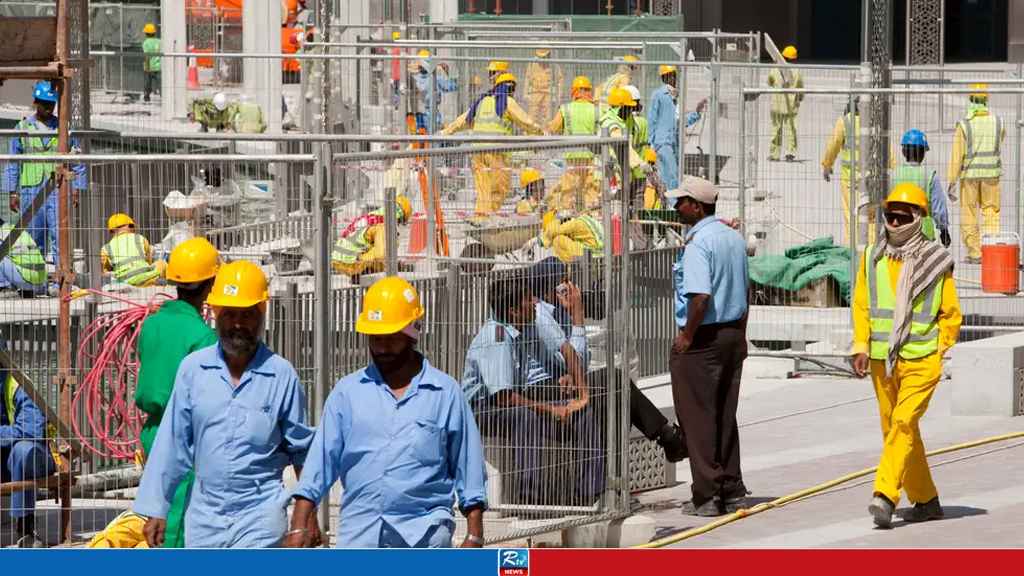
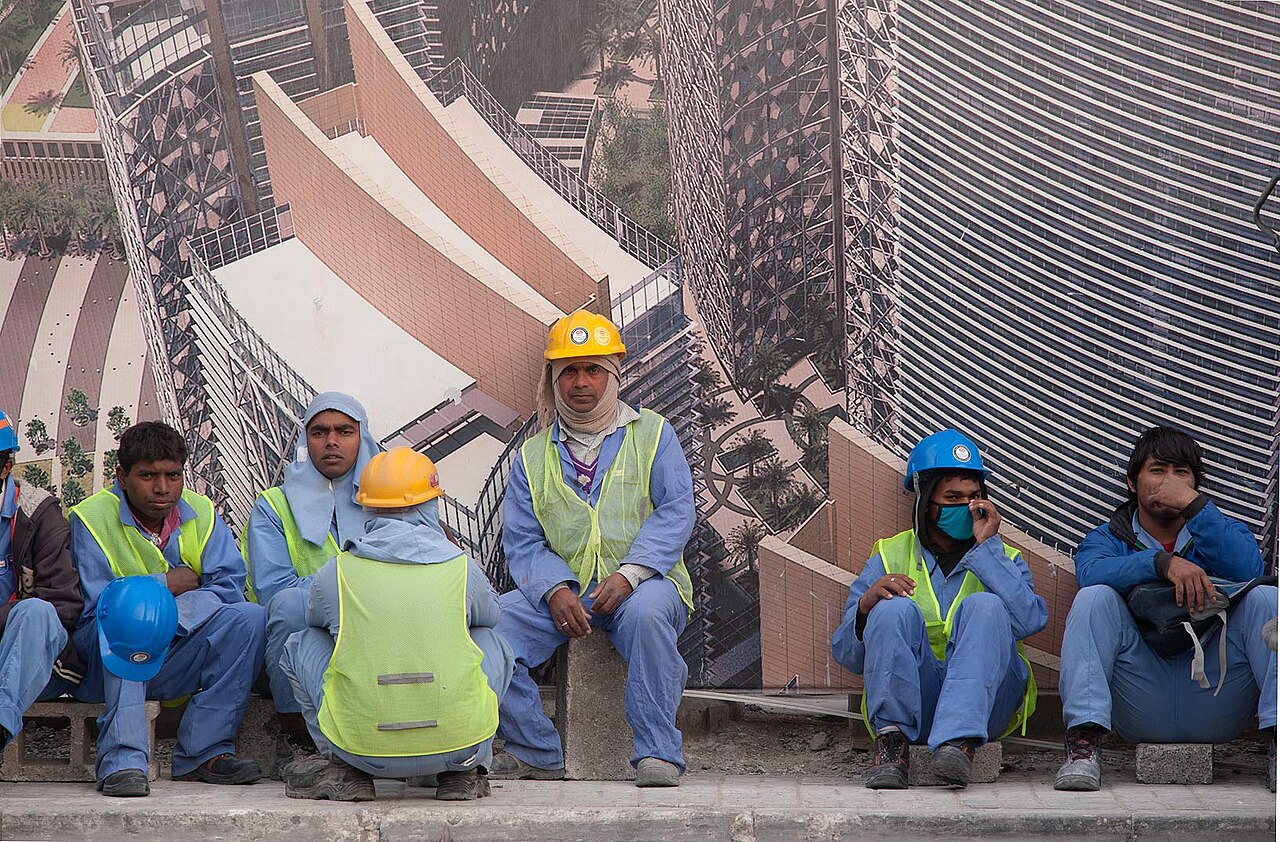
Behind the promise of higher wages lies a reality that is often overlooked. Many migrant workers hold jobs that are physically demanding, low paid, and offer limited protection. Domestic workers, construction laborers, and service staff often have little access to healthcare or legal support.
The International Labour Organisation estimates that around 24 million migrant workers are in the Gulf region. A large portion of them are in vulnerable positions, with limited ability to negotiate better conditions or leave quickly in times of crisis.
Now, as tensions rise, these vulnerabilities are becoming more visible. Workers who once felt relatively secure are now facing risks they never anticipated.
When Conflict Turns Personal
The consequences of war are no longer distant. They are immediate and deeply personal. Reports have confirmed casualties among migrant workers caught in the conflict.
One such case is a Filipina caregiver who was injured while trying to protect her patient during a missile strike. Another is a Nepali security guard who lost his life in an attack. These stories highlight the reality that migrant workers are not shielded from the dangers of war.
Each life lost represents more than a statistic. It represents a family left behind, dreams unfinished, and sacrifices that will never be repaid.
Families Waiting in Uncertainty
Back home, families live with constant worry. For every worker abroad, there are loved ones waiting anxiously for news. Parents, spouses, and children rely on both the financial support and the emotional connection that these workers provide.
Remittances from migrant workers are a crucial part of many economies. In the Philippines, they contribute a significant portion of the national income. In Bangladesh, millions of families depend on money sent from abroad.
But money cannot replace a life. As news of casualties spreads, families are forced to confront a painful reality. The income that sustains them may come at an unbearable cost.
The Struggle to Return Home
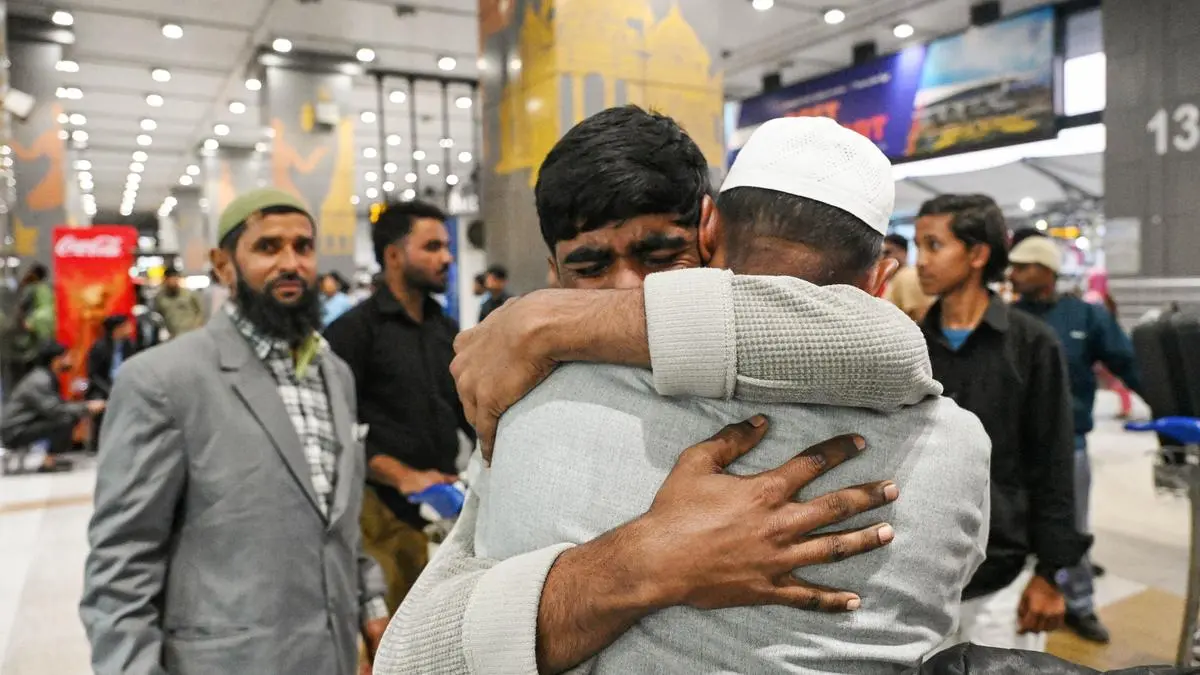
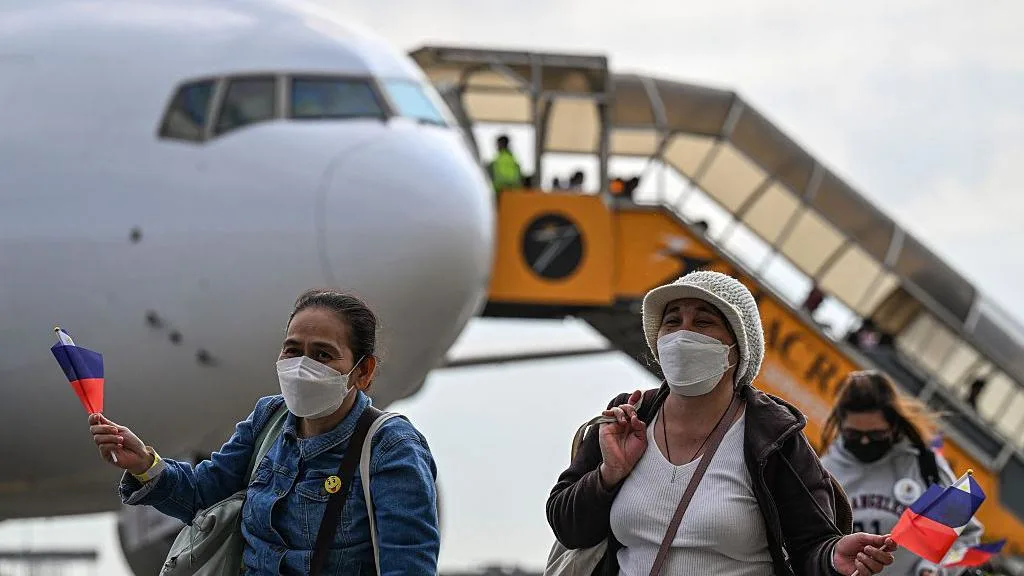
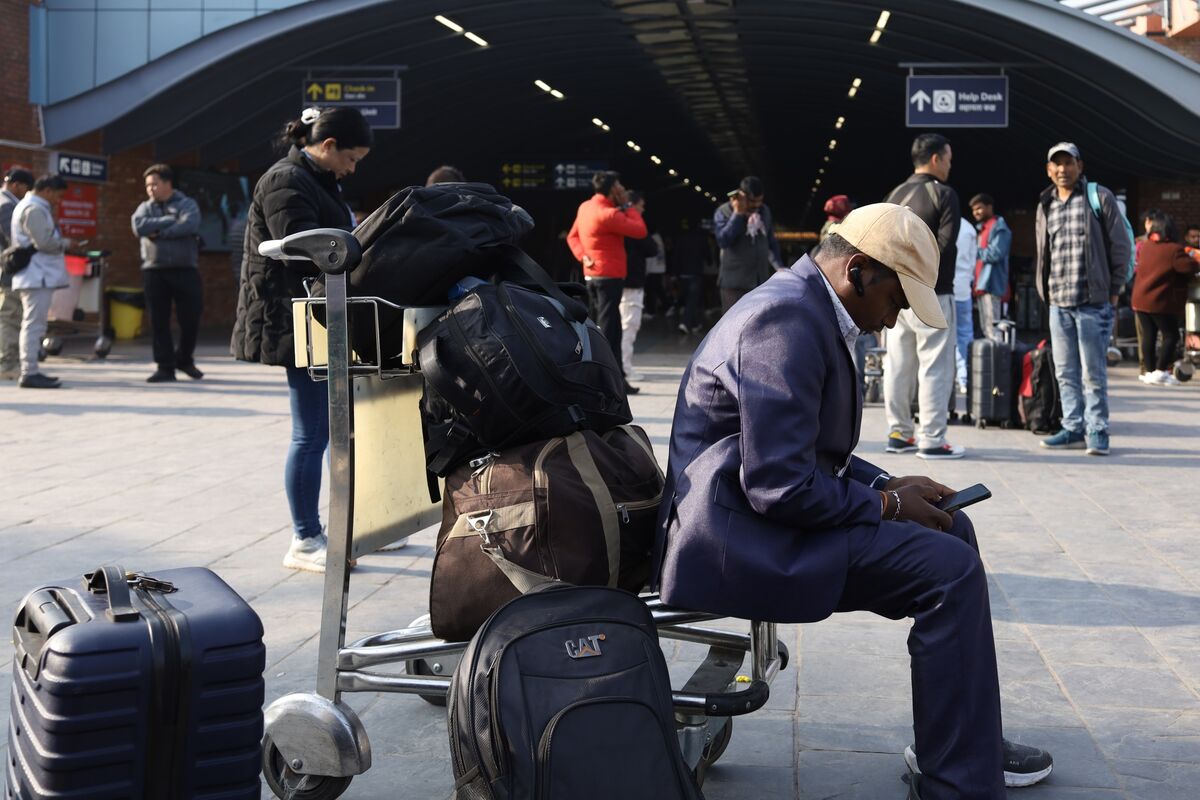
For those who want to leave, the journey home is not always simple. Flights are disrupted, routes are uncertain, and logistical challenges make evacuation difficult.
Governments have begun organizing repatriation efforts, but these are limited. Some workers have had to travel long distances by land before reaching airports. Others are still waiting, unsure if they will be able to leave at all.
The process is slow and complicated, leaving many in a state of limbo. They are neither fully safe nor able to return home.
Between Two Uncertain Worlds
For some workers, leaving the Gulf is not a viable option. This is especially true for those who have already fled conflict in their home countries.
Workers from places like Myanmar have already experienced instability and violence. For them, the Gulf once represented safety and stability. Now, even that sense of security is fading.
Yet, despite the fear, many choose to stay. The uncertainty of returning home can be just as daunting as the risks of staying.
The Psychological Toll of Living in Fear
Beyond the physical dangers, there is a growing emotional and psychological burden. Living in a conflict zone, even indirectly, takes a toll on mental health.
Workers describe constant anxiety, sleepless nights, and the stress of being alert at all times. Some prepare emergency bags, ready to leave at a moment’s notice. Others avoid windows during sirens, fearing what they might see.
This ongoing stress affects not only their well being but also their ability to work and support their families. It is a silent cost that is rarely discussed but deeply felt.
A Region Built on Migrant Labor
The Gulf’s economic success has long depended on migrant workers. From building infrastructure to maintaining households, these workers are essential to the functioning of these economies.
Their contributions are immense, yet their presence is often taken for granted. The current conflict has brought their importance into sharper focus.
As the region navigates uncertainty, the role of migrant workers becomes even more critical. At the same time, their vulnerability highlights the need for better protection and support.
A Choice No One Should Have to Make
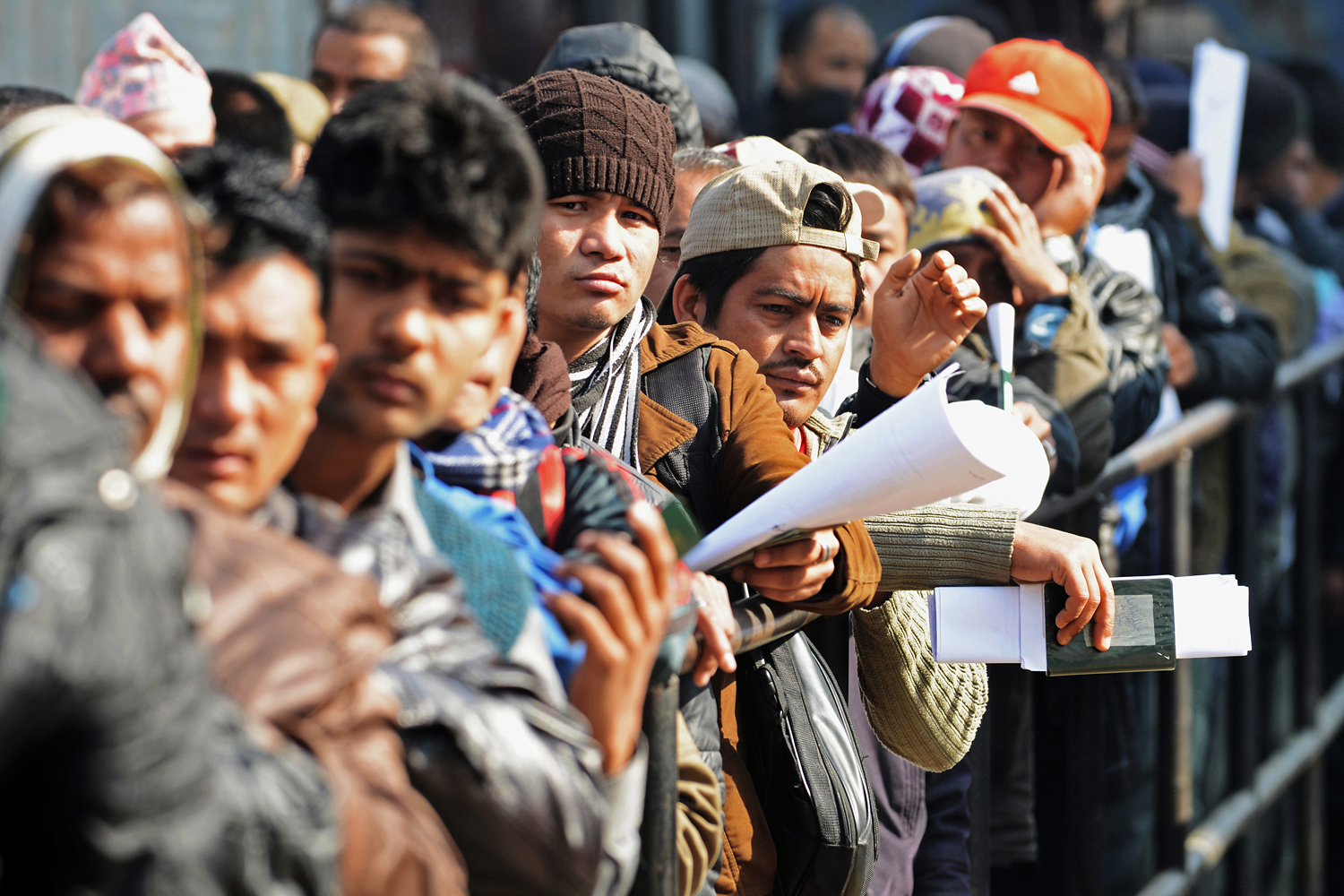
At its core, this crisis forces migrant workers into an impossible choice. Stay and risk their lives, or leave and risk losing their livelihoods.
There is no easy answer. Each decision carries consequences that extend far beyond the individual. It affects families, communities, and entire economies.
As the conflict continues, the world is reminded of the human stories behind global events. These are not just workers. They are parents, children, and individuals with dreams and aspirations.
What This Means Moving Forward
The situation raises important questions about the future of migrant labor in conflict prone regions. How can workers be better protected. What responsibilities do host countries and home countries have.
It also highlights the need for stronger international cooperation to ensure the safety and well being of migrant workers. Policies must evolve to address the realities of a world where conflict can quickly disrupt lives.
For now, millions continue to wait, hope, and pray for peace. Their stories serve as a powerful reminder that behind every headline, there are real lives at stake.
In the end, the true cost of this conflict may not be measured only in political outcomes or economic impact, but in the countless personal sacrifices made by those who simply wanted a better future for their families.