
Table of Contents
A Journey Across 3,000 Kilometers for One Moment
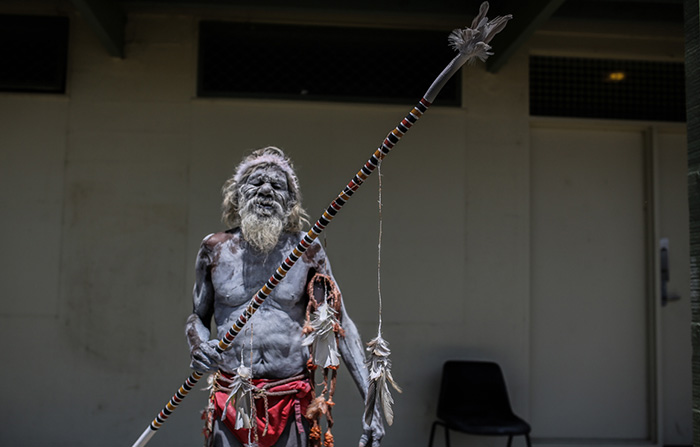
For Gali Yalkarriwuy Gurruwiwi, the journey itself was no small feat. Traveling from Galiwin’ku on Elcho Island in north-east Arnhem Land to Worawa Aboriginal College in Victoria meant crossing roughly 3,000 kilometers. It was a distance that reflects not just geography, but the gap many Indigenous families navigate between traditional homelands and modern education pathways.
Despite speaking limited English and feeling unwell on the day of the ceremony, Gali was determined to be there. His wife, Jane Garrutju, helped translate his feelings, but in truth, his emotions were already clear. When he said “proud” and placed his hand on his heart, it needed no translation.
This was not a casual visit. It was a commitment. A moment he had imagined long before it became reality. And no physical discomfort was going to take that away from him.
A Dance That Carries Generations
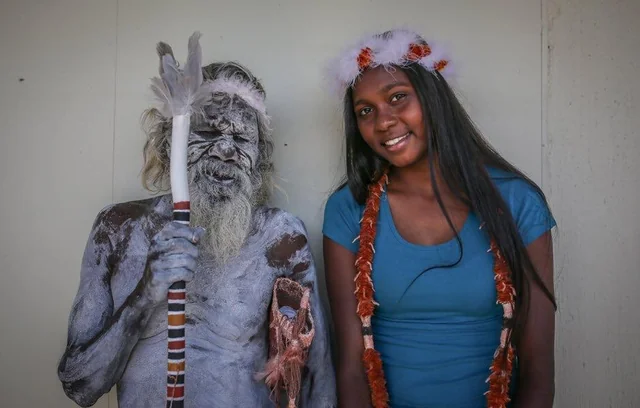
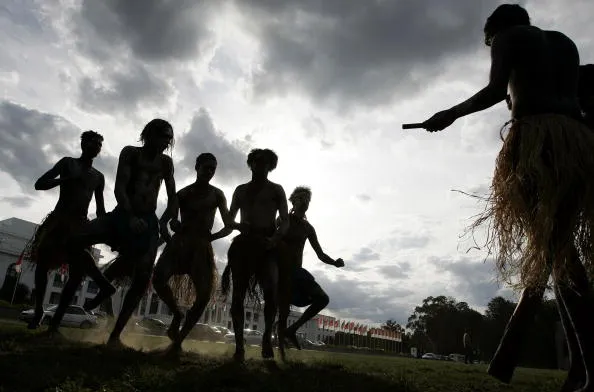
The performance itself was deeply meaningful. Gali is not just a grandfather. He is a Yolngu Mala leader and a Morning Star dancer, someone who carries cultural responsibility and knowledge. The dance performed, known as Lunggurrma, represents the north wind and is tied to ceremony, identity, and storytelling.
It is not simply movement. It is history in motion.
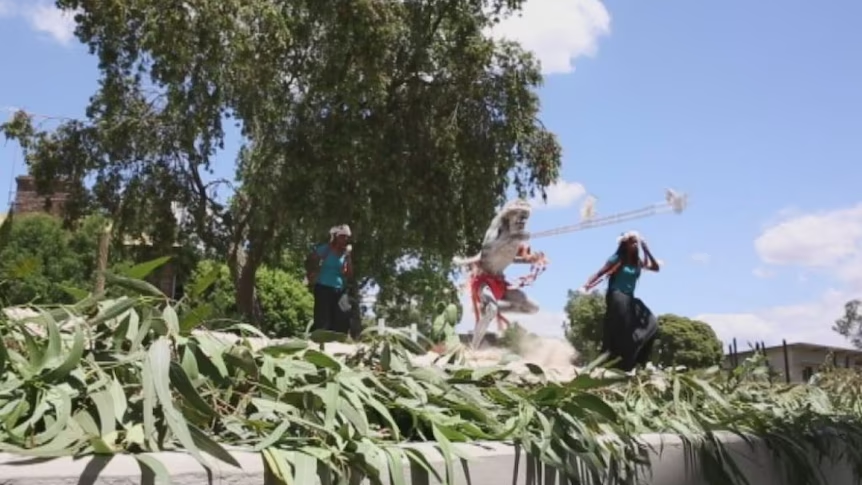
Together with his granddaughters, including Sasha, Gali performed using the Banumbirr, the morning star pole adorned with feathers. This moment transformed a school graduation into something much more profound. It became a bridge between worlds — traditional Yolngu culture and contemporary education.
For Sasha, dancing with her grandfather was not new, but this moment was different. It was happening far from home, in front of a different audience, in a setting that symbolized her future as much as her past.
“This was a bit unique,” she said, capturing the quiet weight of what it meant.
Growing Between Two Worlds
Sasha’s story reflects a reality many Indigenous students face. Leaving home to pursue education often means distance not only from family, but from daily cultural practices. For two and a half years, she had been boarding at Worawa Aboriginal College, far from the rhythms of life she grew up with.
She spoke openly about what she missed — hunting, fishing, collecting mangrove worms, dancing bunggul, and sharing stories around the campfire. These are not hobbies. They are living expressions of identity and belonging.
Yet her time at school also expanded her world. She learned from other Indigenous communities, picked up new languages, and gained experiences that shaped her ambitions. She now speaks three Indigenous languages and carries knowledge that connects multiple cultural landscapes.
In many ways, Sasha embodies what her family hoped for. Not a choice between cultures, but the ability to walk in both.
The Family’s Vision for Her Future
Sending Sasha away from home was not easy. Her absence was deeply felt by her family. But the decision came from a place of intention. Her grandmother, Jane, explained that they wanted to give her the opportunity to become anything she wanted.
At the same time, they never saw education as separate from culture. To them, culture is as valuable as land and sea. It is not something to be left behind, but something to be carried forward.
Gali has been especially strong in teaching his grandchildren to hold onto their values. His role is not only as a grandfather, but as a cultural guide. He teaches them who they are, where they come from, and why that matters.
That is why this graduation moment was so significant. It was not just about academic success. It was about showing that growth does not require losing identity. It is possible to gain new knowledge while staying rooted in tradition.
The Purpose Behind Worawa Aboriginal College
The setting of this story also plays an important role. Worawa Aboriginal College was founded with a vision that aligns closely with Sasha’s journey. Established in 1983 by Hyllus Maris, the school was built to provide education for young Indigenous people in a way that honors their culture rather than replacing it.
This philosophy is what makes moments like Gali’s dance possible. It creates space where tradition is not only accepted, but celebrated. Where a grandfather’s ceremonial performance is not out of place, but deeply meaningful.
Education in this context becomes something broader than textbooks and exams. It becomes a place where identity is strengthened, not diluted.
A Dream Fulfilled Through Love and Persistence
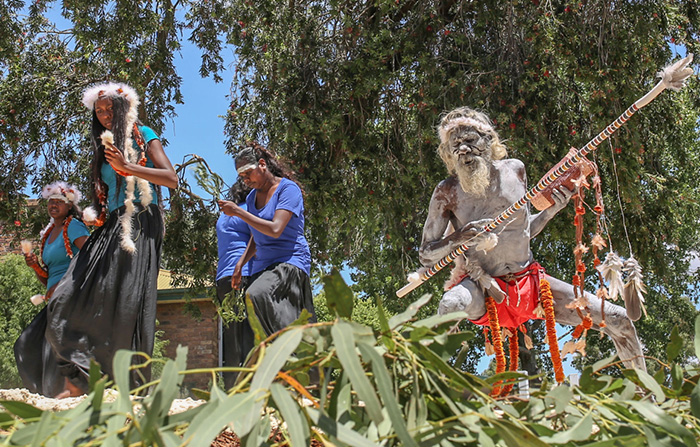
At the heart of the story is something very human. A grandfather had a dream. He wanted to dance with his granddaughters at their graduation. It may sound simple, but it carried years of meaning behind it.
Dreams like this are not about grand gestures. They are about connection, presence, and legacy.
Gali followed through on that dream despite distance, age, and illness. He showed up. He danced. He stood beside his granddaughter at a defining moment in her life.
That act alone speaks volumes. It is a reminder that sometimes the most powerful expressions of love are not spoken, but lived.
Looking Ahead While Holding On
Sasha is not stopping here. She plans to continue her education through Year 11 and 12 and dreams of becoming a nurse. She hopes to work both in her own community and in the city, helping others while staying connected to where she comes from.
At the same time, she wants to keep practicing and teaching her culture. She hopes to be a role model for younger girls, showing them that they can build a future without losing themselves.
That vision reflects exactly what her family hoped for when they sent her away. Not just success, but balance. Not just opportunity, but identity.
More Than a Graduation Moment
What happened on that graduation day goes far beyond a ceremony. It is a story about continuity. About how culture can travel across distance. About how traditions survive when they are lived, not just remembered.
It is also a story about family. About a grandfather who carried his role seriously enough to cross thousands of kilometers for a single moment. About a granddaughter who carries both her heritage and her future with pride.
In the end, the image that remains is simple but powerful. A proud elder, placing his hand on his heart. A granddaughter dancing beside him. Two generations moving together, not just in rhythm, but in meaning.
And in that moment, a dream that began long ago finally became real.