

Table of Contents
- Why the 2026 World Cup is unlike any normal event
- What Homeland Security is supposed to do
- The shutdown problem is bigger than missed paychecks
- Cybersecurity may become the quiet battleground
- Why coordination matters more than ever
- The summer travel surge raises the stakes
- Backup plans may not fully solve the problem
- A security warning that is also political
- What this could mean in the months ahead
- The bigger lesson behind the warning
Why the 2026 World Cup is unlike any normal event
The World Cup is not just another sports tournament. It is a giant moving operation that stretches across borders, agencies, transportation systems, and intelligence networks. In 2026, the tournament will bring together not just fans from the host countries, but visitors from nearly every region in the world. Airports will be busier, highways will be more crowded, hotels will be packed, and digital systems will be tested constantly.
That scale changes everything. A concert can be secured within one venue. A championship game can be protected within one city. The World Cup is different. It creates a rolling security challenge that lasts for weeks and touches almost every layer of government. That is why Homeland Security plays such a central role. It is not only one agency among many. It acts as the connective tissue between border control, airport screening, cyber defense, emergency planning, and coordinated response.
Officials have made clear that this kind of event cannot be secured at the last minute. It requires months of preparation, rehearsals, staffing, coordination, and pressure testing. If funding is interrupted at a crucial stage, the effects may not be visible instantly, but they can pile up quickly and become much harder to reverse.
What Homeland Security is supposed to do
To understand the urgency, it helps to see how much responsibility the department carries. Homeland Security is involved in screening travelers, protecting ports of entry, identifying threats, defending networks, and supporting local partners who may suddenly face the pressure of hosting huge international crowds.
The Transportation Security Administration is one major piece of that puzzle. TSA officers are the public facing layer most travelers know best, but their role during a tournament of this scale becomes even more important. They will be responsible for helping move growing numbers of passengers through airports without letting standards slip. That means staffing, training, scheduling, and readiness are all critical.
Then there is Customs and Border Protection, which helps manage the flow of people entering the country. During the World Cup, entry points could become stress points. A poorly staffed border environment can slow travel, create confusion, and leave openings that bad actors may exploit.
Another major part of the operation is cyber defense. Officials have warned that the World Cup will face a huge amount of digital pressure. Cyberattacks do not only target government systems. They can target ticketing platforms, airport operations, sponsor networks, communications systems, and even municipal services. A successful attack does not need to shut down an entire tournament to cause serious disruption. Even localized chaos in one city could ripple outward fast.
The shutdown problem is bigger than missed paychecks

On the surface, a shutdown may sound like a budget dispute with familiar political drama. But in practice, officials are warning that it creates real operational problems. This is especially true when the clock is already ticking toward an international event.
One of the biggest concerns is staffing. If the department remains unfunded, new TSA hires cannot be trained on the normal timeline. That matters because hiring bodies is not the same as building a ready workforce. Screening personnel need instruction, practice, supervision, and certification. Every week lost now can become a manpower shortage later.
There is also the issue of morale and retention. Long stretches of uncertainty can push workers to reconsider whether they want to remain in demanding federal roles. Officials have openly wondered how many employees might decide they can no longer stay if family obligations become too heavy during a shutdown. That question matters because experience cannot be replaced overnight. Losing trained people late in the preparation cycle is far more damaging than simply filling empty positions on paper.
The shutdown also affects institutional rhythm. Security agencies function best when planning is continuous, information sharing is steady, and departments are operating at full speed. Once that rhythm is broken, restarting it takes time. It is not like flipping on a light switch. Teams have to catch up, reconnect, and recover lost ground while deadlines move closer.
Cybersecurity may become the quiet battleground
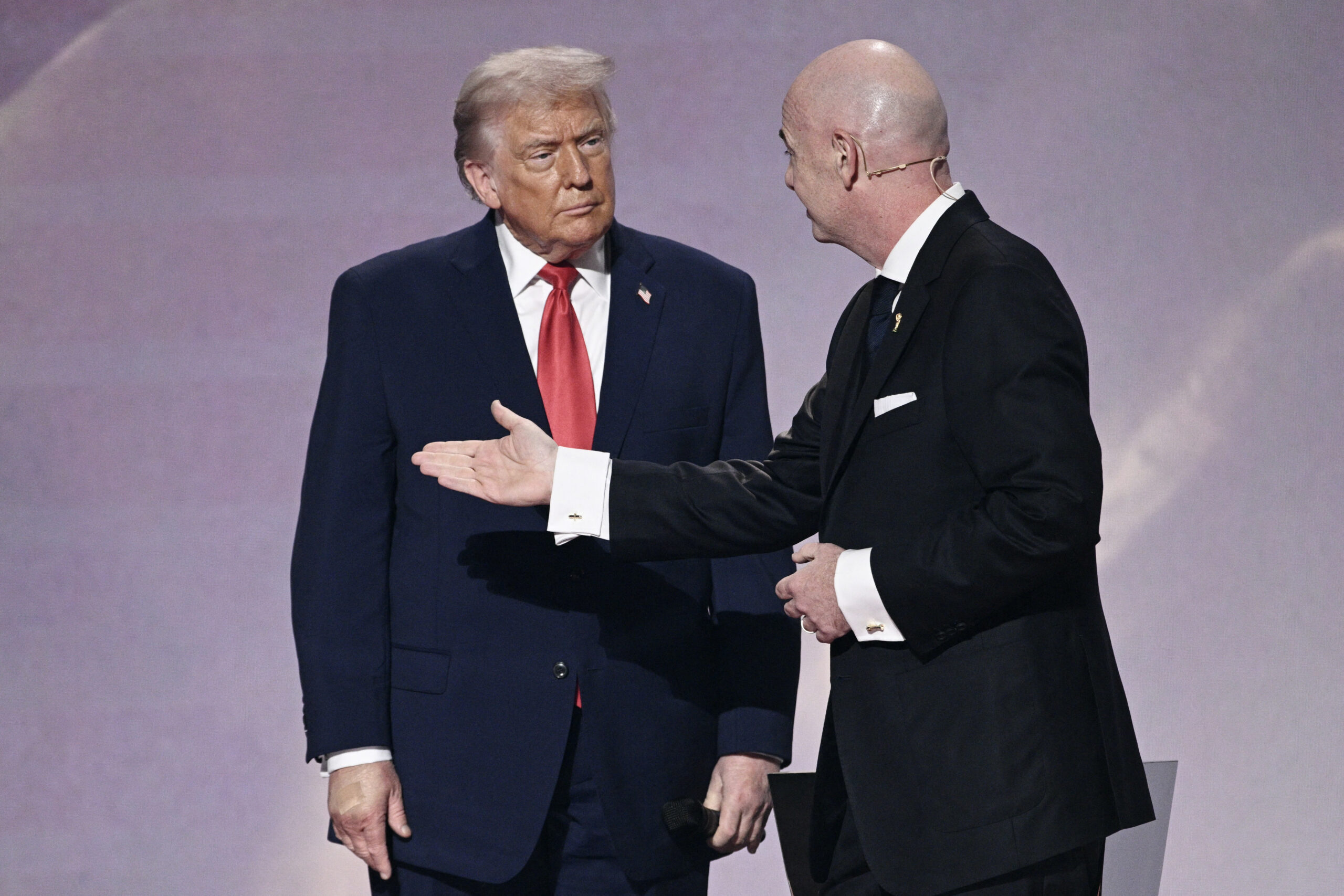
One of the most striking warnings from officials involves cyberattacks. The last World Cup reportedly faced attacks in the billions across FIFA systems, sponsors, and host nation networks. This time, officials are expecting even more. That alone reveals how modern tournament security has changed.
The biggest fear is not always a dramatic physical incident. Sometimes the threat arrives as silent digital disruption. Ticket systems can crash. Airports can be jammed by technical failures. Fake messages can create panic. Payment systems can be interrupted. Social engineering campaigns can exploit confusion among travelers and staff. In the age of global events, cyber pressure is not a side issue. It is central.
That is why agencies like the Cybersecurity and Infrastructure Security Agency matter so much. Their job is not glamorous, but it is essential. They help monitor threats, share intelligence, assess vulnerabilities, and work with public and private partners before problems explode into public view.
If funding delays reduce readiness in this area, the consequences might not become obvious until much later. Cyber defense is one of those fields where missed preparation can go unnoticed right up until the moment something breaks.
Why coordination matters more than ever

A tournament hosted by three countries already presents a coordination challenge. Add multiple US cities, local law enforcement, transportation authorities, emergency managers, private venues, and federal agencies, and the puzzle becomes enormous.
Officials have emphasized that one of their biggest goals is breaking down silos between agencies. That phrase may sound bureaucratic, but it describes a very real problem. Security failures often happen not because nobody cared, but because one part of the system did not connect fast enough with another.
The World Cup demands joint planning at a very high level. Agencies need shared expectations, shared communication channels, and a clear sense of who handles what in a crisis. Tabletop exercises are a major part of that process. These exercises allow stakeholders to walk through scenarios such as cyberattacks, crowd surges, transport failures, suspicious packages, or border disruptions before they happen in real life.
Officials have warned that these exercises are not progressing as they should because of the shutdown. That is alarming because rehearsals are how complex systems discover weak spots. The later those weak spots are found, the harder they are to fix.
The summer travel surge raises the stakes

The World Cup is arriving at a moment when the US travel system is already under extraordinary pressure. Officials have said the country may be facing the largest travel summer in its history. That means the baseline is already high even before soccer fans pour in.
This matters because stress multiplies stress. Airports do not operate in isolation. Delays in staffing can affect screening times. Screening times can affect airline schedules. Airline schedules can affect crowd flows in terminals. Large crowd flows can create opportunities for disorder or confusion. When a major tournament is layered on top of an already strained travel season, the margin for error shrinks.
The problem is not only about catastrophic threats. Small failures matter too. Long lines, overwhelmed workers, missed connections, poor communication, and understaffed checkpoints can gradually weaken a security environment. They create frustration, and frustration can make it harder for systems to function smoothly under pressure.
A major event like the World Cup depends on resilience, not perfection. But resilience only exists when staffing, planning, and coordination are strong enough to absorb shocks.
Backup plans may not fully solve the problem
Officials have said that if Homeland Security is not funded soon enough, they may have to rely on other agencies or entities to fill some of the gaps. On paper, that sounds like a contingency plan. In practice, it may only be a partial solution.
Specialized security work cannot always be transferred cleanly from one organization to another. Training standards differ. Chains of command differ. Information systems differ. Even when people are skilled and well intentioned, replacing one team with another can create friction, delays, and blind spots.
Officials have also acknowledged that even if funding is restored within two weeks, there may still be operational holes that cannot be fully solved until May. That is a remarkable admission because it suggests the damage is not only theoretical. Lost time already has consequences. Every day without full departmental function is not just a pause. It is a setback that can keep echoing forward.
This is what makes the situation so serious. Even a short delay can trigger a compressed timetable where agencies are forced to do complex work faster than they should.
A security warning that is also political
Of course, this issue is not taking place in a vacuum. It sits inside a broader political fight over government funding. But what makes this case unusual is that officials are tying the shutdown directly to the safety of a specific, globally visible event.
That gives the argument emotional force. A budget standoff in Washington can feel abstract to many people. A warning that the World Cup could become more vulnerable because of it is much more concrete. It turns a policy dispute into something millions can immediately imagine.
There is also reputational pressure on the United States. The 2026 World Cup is not just a sports event. It is a test of national capacity. The world will be watching how efficiently the country moves visitors, manages crowds, responds to threats, and coordinates across borders. If there are visible failures, they will not stay domestic. They will become global headlines.
That is why officials are speaking in urgent terms. They are trying to frame the issue not as internal bureaucracy, but as a practical question of preparedness and responsibility.
What this could mean in the months ahead
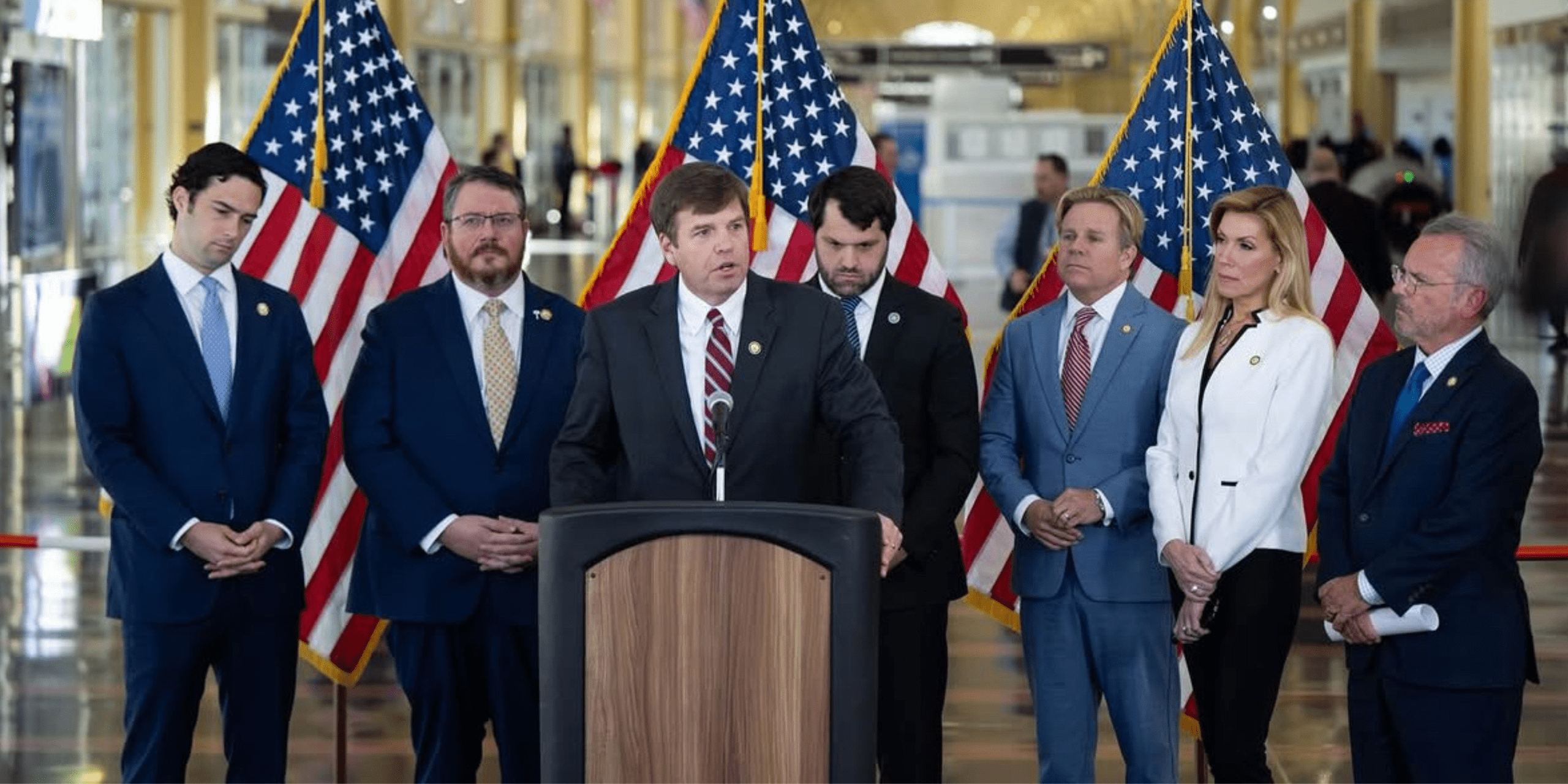
If funding is restored quickly, officials may still have time to stabilize the most urgent needs. Training pipelines could restart, exercises could resume, and agencies could accelerate coordination efforts. But even then, they may be forced to spend valuable weeks recovering rather than advancing.
If the shutdown drags on longer, the concerns grow sharper. Staff departures could increase. Training delays could deepen. Cyber preparation could lag. Emergency drills could remain incomplete. Backup arrangements could become more important, but also more fragile.
The greatest danger may be the accumulation of small weaknesses that do not look dramatic on their own. Big events are rarely undone by one obvious issue alone. More often, they are weakened by a series of overlooked gaps that stack on top of one another until the system is under too much strain.
That is why this warning deserves attention. It is not panic for the sake of headlines. It is a reminder that world class events require world class preparation, and preparation cannot thrive in a stop start environment.
The bigger lesson behind the warning
In the end, the message from officials is about more than one department or one shutdown. It is about the hidden infrastructure behind modern public safety. Fans often see the spectacle of a tournament. They see the stadium lights, the flags, the ceremonies, and the stars on the field. What they do not see is the immense security architecture that makes that spectacle possible.
The 2026 World Cup is expected to be historic in size, visibility, and logistical complexity. That means it will test not only athletes and teams, but institutions. It will test whether the United States can secure a giant international event while its own political system struggles with basic funding stability.
For now, the warning is plain. Officials believe the longer Homeland Security remains unfunded, the more vulnerabilities grow. The world’s biggest game may still be months away, but in security terms, the countdown is already well underway. And if the systems meant to protect that moment are forced to limp through a shutdown, the cost may not only be measured in inconvenience. It may be measured in risks that should never have been allowed to grow in the first place.