
Table of Contents
- Australia’s Tax Cuts and Transportation Initiatives
- European Union’s Call for Energy Conservation
- Slovenia Imposes Gasoline Purchase Limits
- South Korea’s Nationwide Energy-Saving Campaign
- Philippines Declares National Energy Emergency
- Pakistan Implements Work-from-Home Policies to Conserve Fuel
- United States Releases Emergency Oil from Strategic Reserves
- International Energy Agency’s Conservation Guidelines
- Iran’s Strategic Move to Close the Strait of Hormuz
- Global Impact: What This Means for the Future
Australia’s Tax Cuts and Transportation Initiatives
Australia is one of the first countries to introduce significant measures to combat high fuel prices. In a bid to reduce the strain on drivers, the Australian government halved its excise tax on fuel for the next three months. This reduction saves consumers 26 cents on every liter of gasoline. Furthermore, the government removed a surcharge on heavy trucks, helping delivery services maintain operations. Australian Prime Minister Anthony Albanese has also encouraged citizens to opt for public transportation over driving to help conserve fuel and reduce congestion. His message underscores the long-term challenges posed by the war and the government’s commitment to minimizing its impact.
European Union’s Call for Energy Conservation
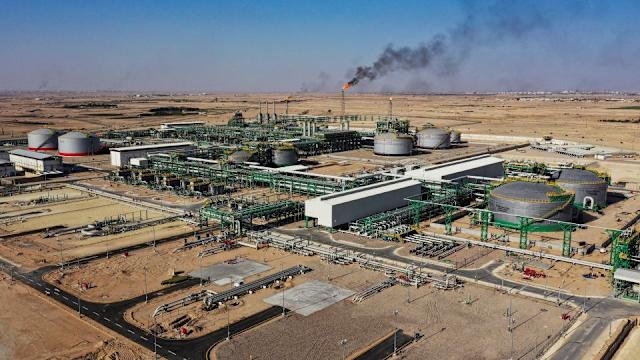
The European Union (EU) has focused on long-term energy conservation strategies. The European Commission has urged all 27 member states to avoid actions that could increase oil consumption. A letter issued by European Commissioner for Energy, Dan Jørgensen, emphasized the need for demand-saving measures, particularly in the transport sector. While the EU’s energy supply remains secure, Jørgensen stressed the importance of preparing for a prolonged disruption of international energy trade. This call for conservation includes not only the public but also businesses and governments, with an emphasis on shifting behavior towards more sustainable energy consumption.
Slovenia Imposes Gasoline Purchase Limits
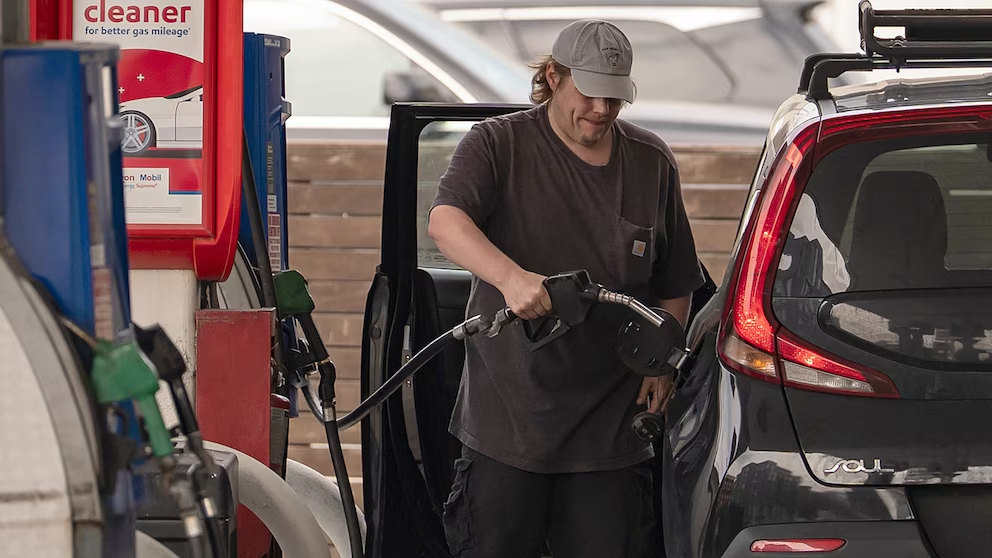
Slovenia made headlines with its decision to implement temporary caps on gasoline purchases. As the first EU country to introduce such a measure, Slovenia set a daily gasoline purchase limit of 50 liters per individual and 200 liters for certain commercial and government vehicles. Prime Minister Robert Golob announced this move in late March as part of an effort to manage the national fuel supply. By limiting consumption, Slovenia aims to extend its available fuel reserves and ensure that it can continue to operate under the mounting pressure from rising energy costs.
South Korea’s Nationwide Energy-Saving Campaign
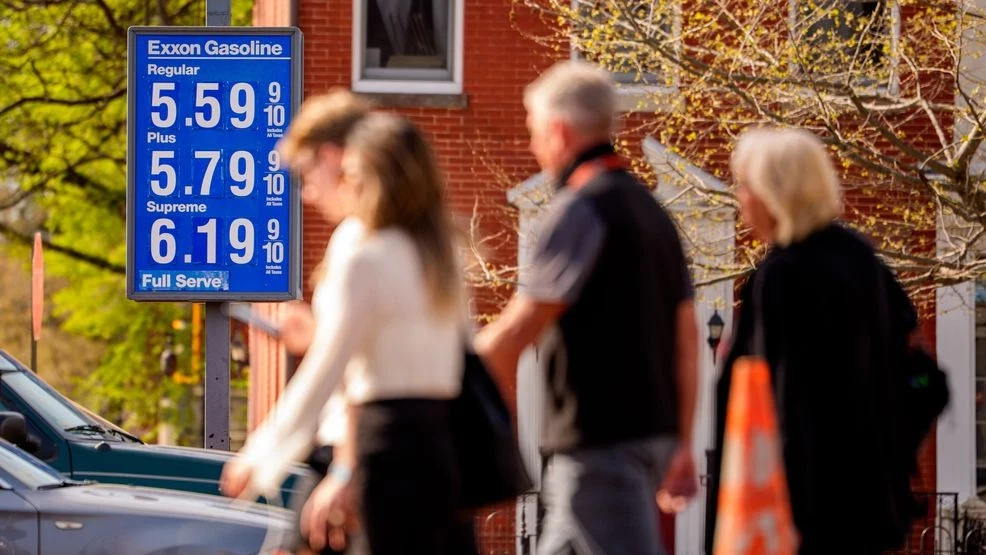
South Korea launched an innovative energy-saving campaign aimed at reducing national fuel consumption. With over 98% of its oil supply being imported, the country is highly vulnerable to disruptions in global oil trade. To mitigate the effects of rising fuel costs, the government urged citizens to reduce energy use by riding bicycles for short trips and cutting down on shower times. The government also implemented a five-day, staggered system for government-owned vehicles, reducing fuel usage across all sectors. Prime Minister Kim Min-seok’s proactive approach emphasizes South Korea’s commitment to energy resilience in the face of a global crisis.
Philippines Declares National Energy Emergency
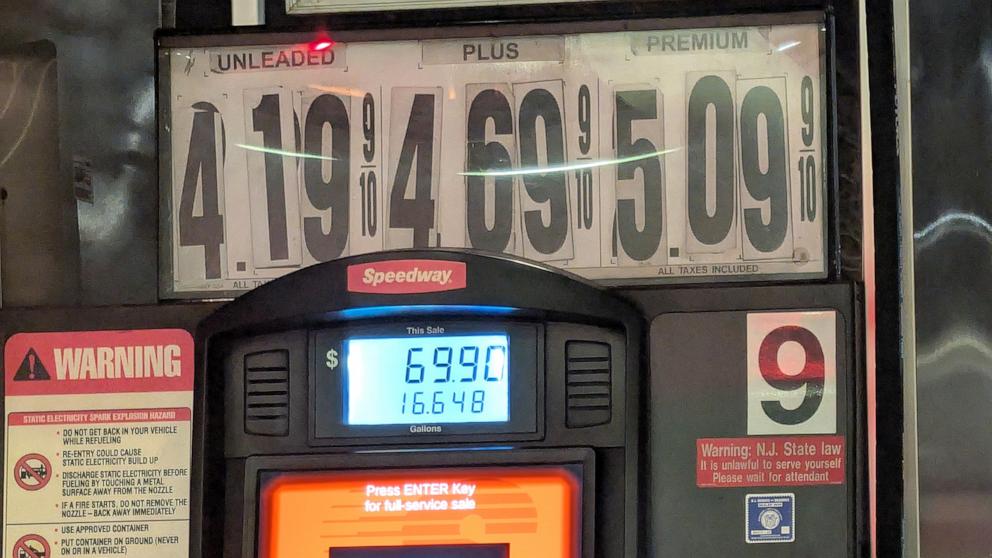
In response to the geopolitical turmoil affecting global oil supplies, the Philippines declared a national energy emergency. President Ferdinand Marcos Jr. acknowledged the severity of the situation, explaining that the ongoing conflict between the U.S. and Israel has disrupted the stability of the nation’s energy supply. The emergency declaration enables the government to regulate fuel prices and speed up imports from alternative suppliers like Russia. Authorities have assured the public that there is enough fuel to last about 45 days, but the situation remains fluid as the war continues to escalate.
Pakistan Implements Work-from-Home Policies to Conserve Fuel
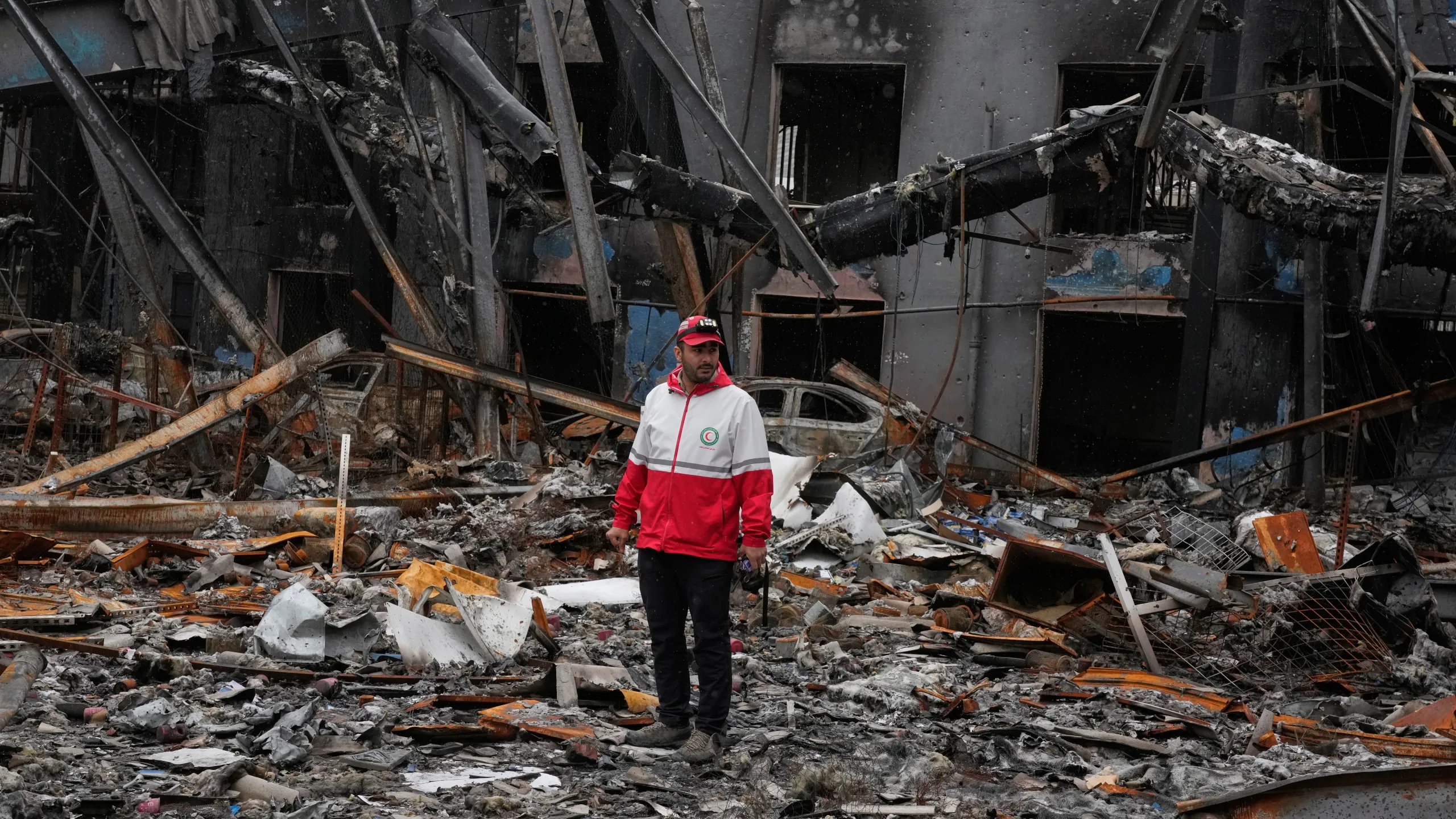
Pakistan has introduced a series of measures designed to conserve fuel in light of the ongoing energy crisis. In a televised address, Prime Minister Shehbaz Sharif announced that half of the government’s workforce would be required to work from home. Additionally, the government declared a two-week school break to reduce the number of daily commuters. To further cut costs, cabinet members agreed to take a temporary pay cut, and state-owned enterprises have been asked to reduce their operating expenses. These measures reflect the gravity of the situation, as Pakistan prepares for potential fuel shortages.
United States Releases Emergency Oil from Strategic Reserves
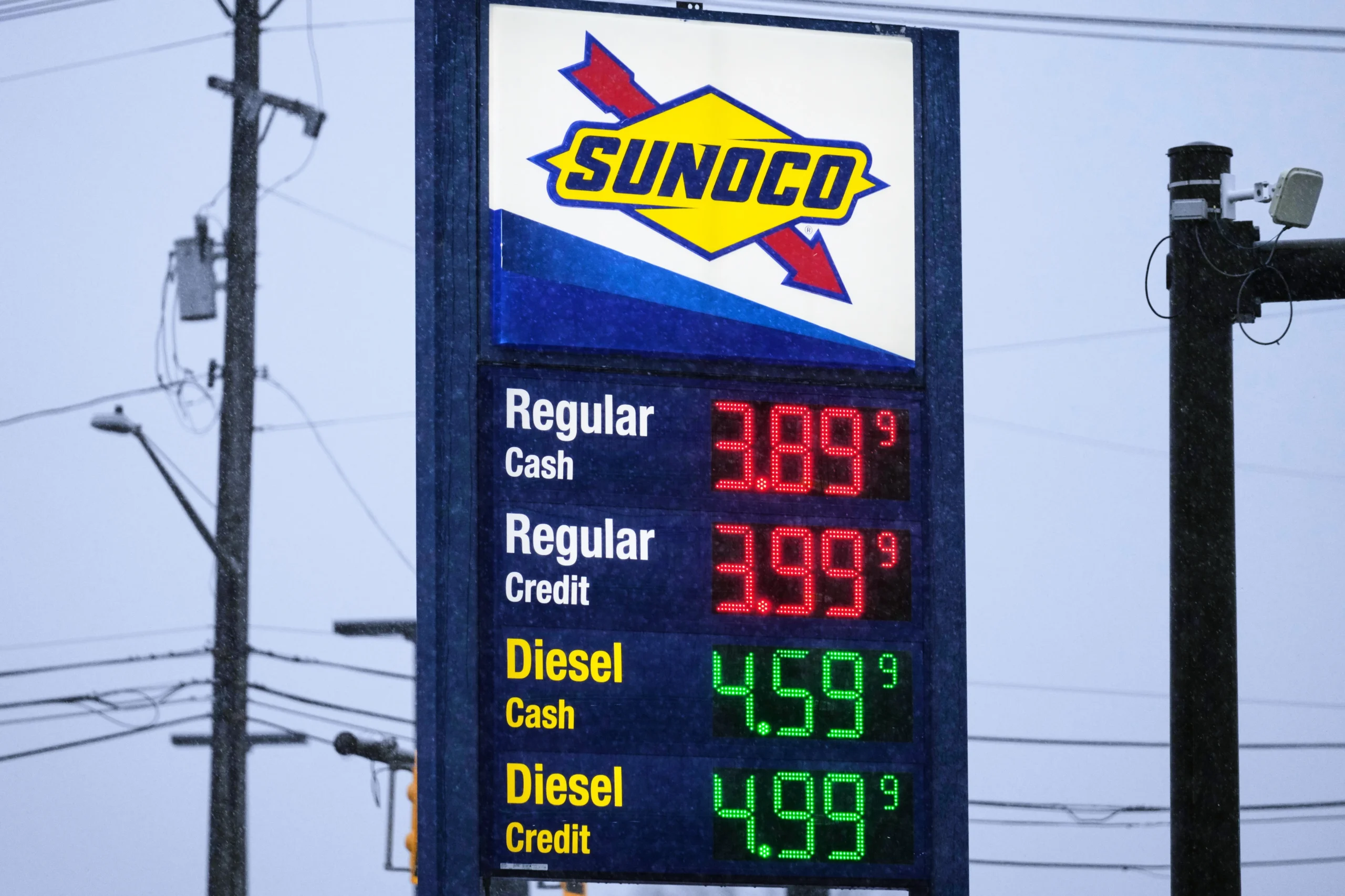
The U.S. has taken a significant step by releasing oil from its strategic petroleum reserve in an attempt to stabilize the national fuel supply. In early March, President Donald Trump authorized the second-largest release of oil in the country’s history, with 172 million barrels scheduled to be released over the next four months. This move aims to alleviate the pressure on U.S. consumers and maintain fuel availability. Additionally, the U.S. has relaxed sanctions on Russian oil and proposed measures to secure the Strait of Hormuz, a critical shipping route for global oil.
International Energy Agency’s Conservation Guidelines
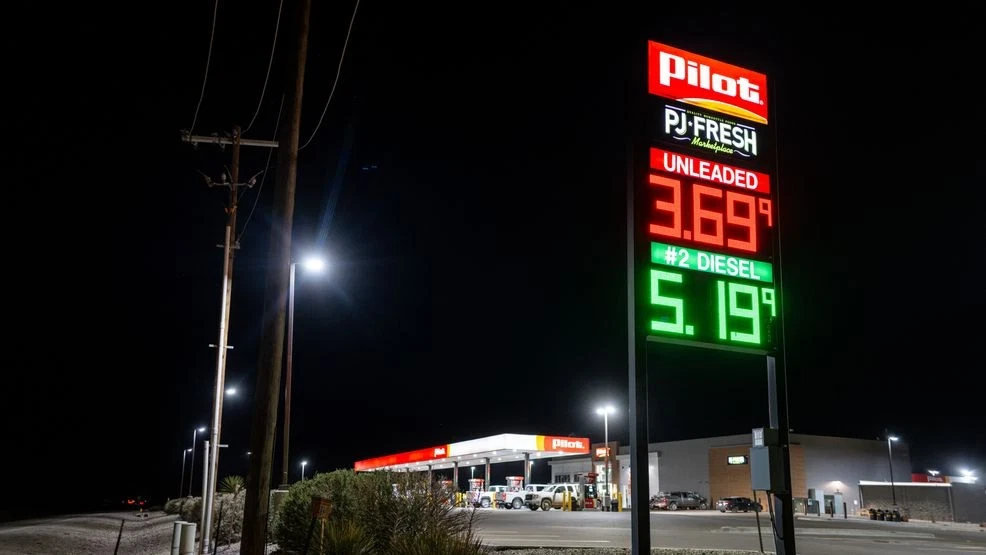
The International Energy Agency (IEA) has issued a set of oil-conservation measures designed to help governments, businesses, and individuals reduce their energy consumption. These guidelines encourage remote work, carpooling, and the use of public transportation to alleviate pressure on oil markets. The IEA also recommended lowering highway speed limits and optimizing vehicle fuel efficiency. In response to the global oil crisis, the IEA has committed to coordinating efforts among its 32 member nations to release emergency reserves and promote energy conservation.
Iran’s Strategic Move to Close the Strait of Hormuz
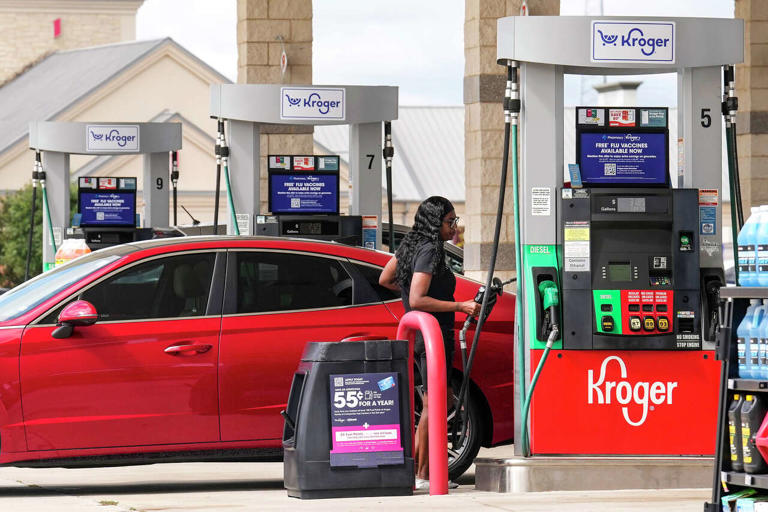
One of the most impactful developments in the ongoing conflict has been Iran’s effective closure of the Strait of Hormuz, a vital maritime trade route for oil and natural gas. The strait serves as a conduit for nearly one-fifth of the world’s oil supply, and its closure has led to a sharp spike in fuel prices globally. As a result, countries reliant on Middle Eastern oil imports, particularly those in Asia, have faced severe energy shortages. This geopolitical maneuver has further exacerbated the global energy crisis, leading to increased tensions and calls for international intervention.
Global Impact: What This Means for the Future
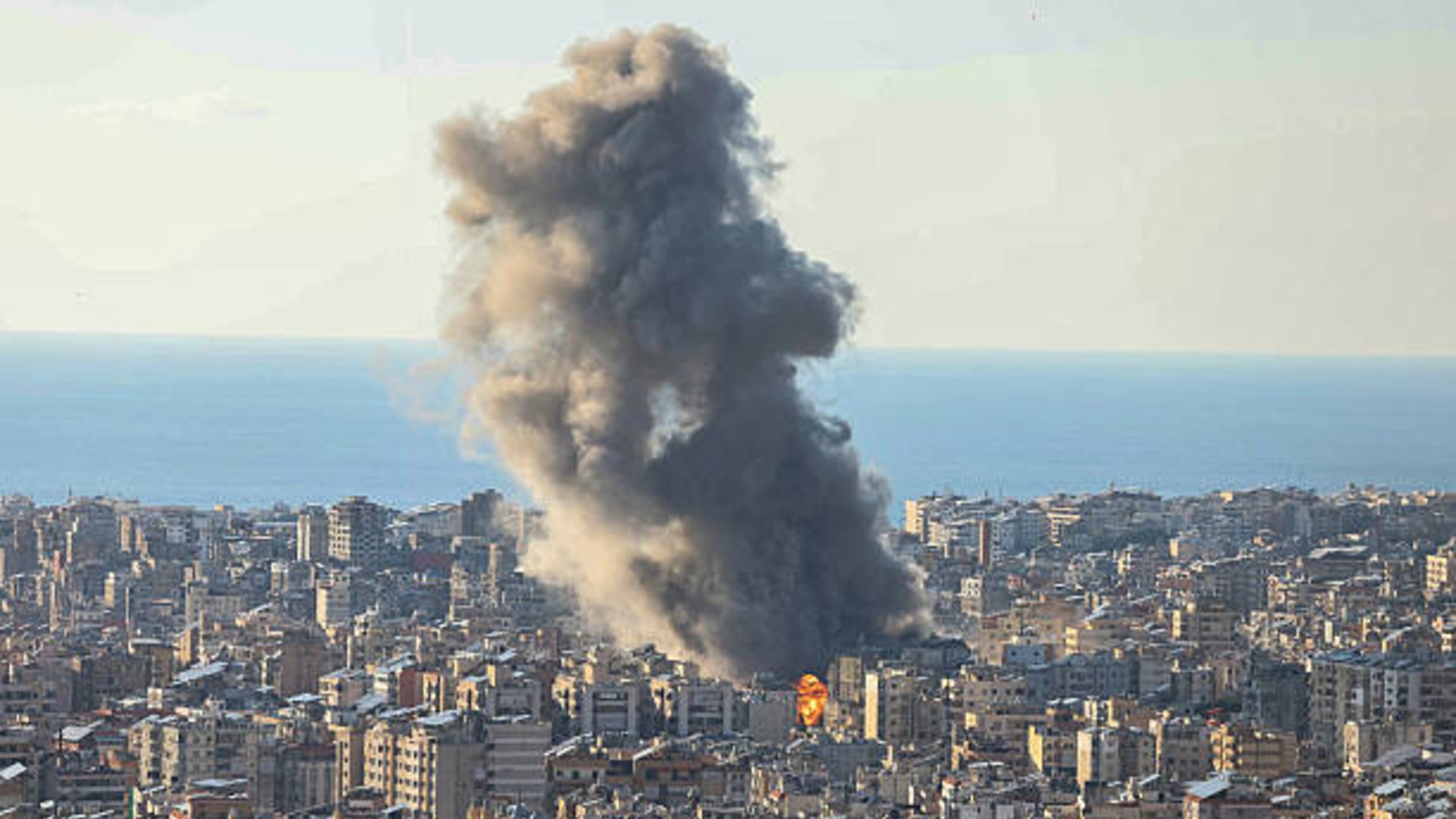
As the situation continues to unfold, the economic impact of rising fuel prices will likely be felt for months, if not years. Countries worldwide are scrambling to mitigate the damage, but the global nature of the oil market means that no nation is immune from the crisis. The war in Iran has exposed the vulnerability of global supply chains and highlighted the need for greater energy resilience. In the long term, this crisis may prompt a reevaluation of energy policies worldwide, with governments increasingly prioritizing sustainability and energy independence.