
Table of Contents
The Science Behind the Hand-Powered Flashlight
The idea behind the flashlight is simple but remarkable. It leverages the thermoelectric effect, which refers to the generation of electricity through the temperature difference between two materials. In this case, the warmth of a human hand is the source of heat, and the cooler environment around the device provides the necessary temperature gradient.
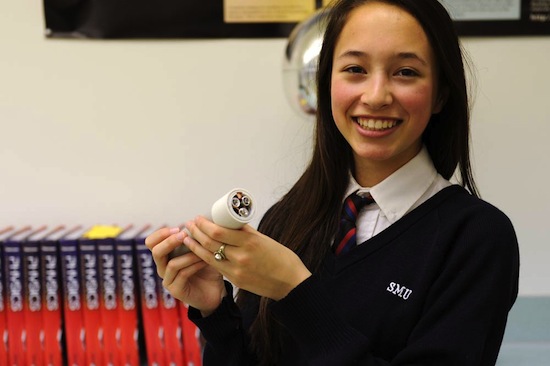
Makosinski used Peltier tiles, which are known for their ability to generate electricity when exposed to heat on one side and cold on the other. These tiles are commonly used in thermoelectric devices, and when combined with other components like a hollow aluminum tube, they created a functioning flashlight. As the hand warms the Peltier tiles, the thermal difference generates a small current, enough to power a small LED light.
The result is a sustainable, battery-free flashlight that works simply by holding it in your hand. While the light output may not be as bright as a traditional flashlight, it is sufficient for basic tasks, such as finding your keys or reading in low light conditions.
The Inspiration Behind the Invention
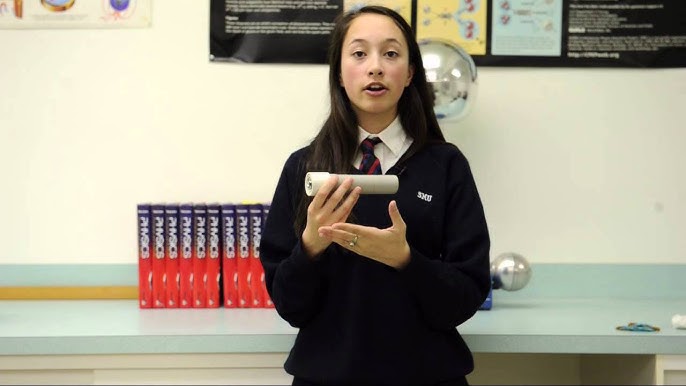
Ann Makosinski’s passion for creating energy-efficient devices stems from her desire to reduce waste and reliance on non-renewable resources. In an email interview with NBC News, she explained the motivation behind her project: “I’m sure we’ve all had that annoying experience when we desperately need a flashlight, we find one, and the batteries are out. Imagine how much money we would save and the amount of toxins leached into the soil if we didn’t use any batteries in flashlights!”
Her words reflect a growing concern among young inventors who see environmental challenges not as barriers, but as opportunities for innovation. The concept of creating a flashlight powered solely by heat addresses the issues of battery waste and the environmental toll of producing and disposing of traditional disposable batteries.
Makosinski’s previous work also aimed at reducing energy consumption. Last year, she presented a flashlight that used kinetic energy, another renewable energy source, to power its LEDs. This year, she decided to take it a step further by exploring the potential of thermoelectric energy harvesting — an area that is still in its infancy in the world of portable devices.
Challenges Faced During the Development
Despite the excitement surrounding her invention, Makosinski’s journey to creating the hand-powered flashlight was not without its challenges. One of the key hurdles was ensuring that the amount of electricity generated from the hand’s warmth was sufficient to power the LED light. Ann spent time measuring how much energy could be produced from the heat of her palm, discovering that the human hand could generate about 57 milliwatts of power — more than enough for a small LED, which requires about half a milliwatt.
Next, she sourced the necessary materials, including Peltier tiles and components like circuits and a heat sink to manage the temperature differential. She also had to design a housing for the device, settling on a hollow aluminum tube to help cool the Peltier tiles and keep the temperature difference intact. The biggest challenge, however, was making sure the design was efficient enough to work consistently, without relying on external power sources.
Potential and Future Impact of the Invention

While Makosinski’s flashlight prototype is modest in size and light output, the potential applications for thermoelectric-powered devices are vast. The technology could be expanded to create more powerful versions of the flashlight, or even used in other types of portable devices that require low amounts of power.
The concept of creating electricity from heat could also have applications in wearable devices or emergency lighting systems. If scaled up, the technology could be used in environments where traditional power sources are unavailable or impractical, such as remote locations or outdoor activities like camping. Imagine a world where portable lighting or devices don’t rely on batteries, but instead are powered by the heat from your body, solar energy, or even environmental factors like temperature fluctuations.
While the current version of the flashlight is a prototype, Makosinski is already thinking about improvements. In future iterations, she plans to seal off the electronic components in a casing that will protect the device from environmental damage, such as water exposure, ensuring its longevity.
From Science Fair to Google Science Fair Finalist

Makosinski’s invention didn’t just impress her peers and family; it caught the attention of the judges at the Google Science Fair, where her project is currently in the running for the grand prize. The Google Science Fair is a prestigious competition that celebrates young inventors and innovators from around the world. The 15-year-old’s inclusion as one of the top finalists is a testament to the ingenuity and promise of her creation.
The competition is fierce, with talented young minds from various fields of science presenting their work. But for Makosinski, simply making it to the final judging event at Google headquarters in Mountain View, California, is an achievement in itself. She has already expressed how much she values the opportunity to share her work with the world and learn from others in the field.
Looking Toward the Future
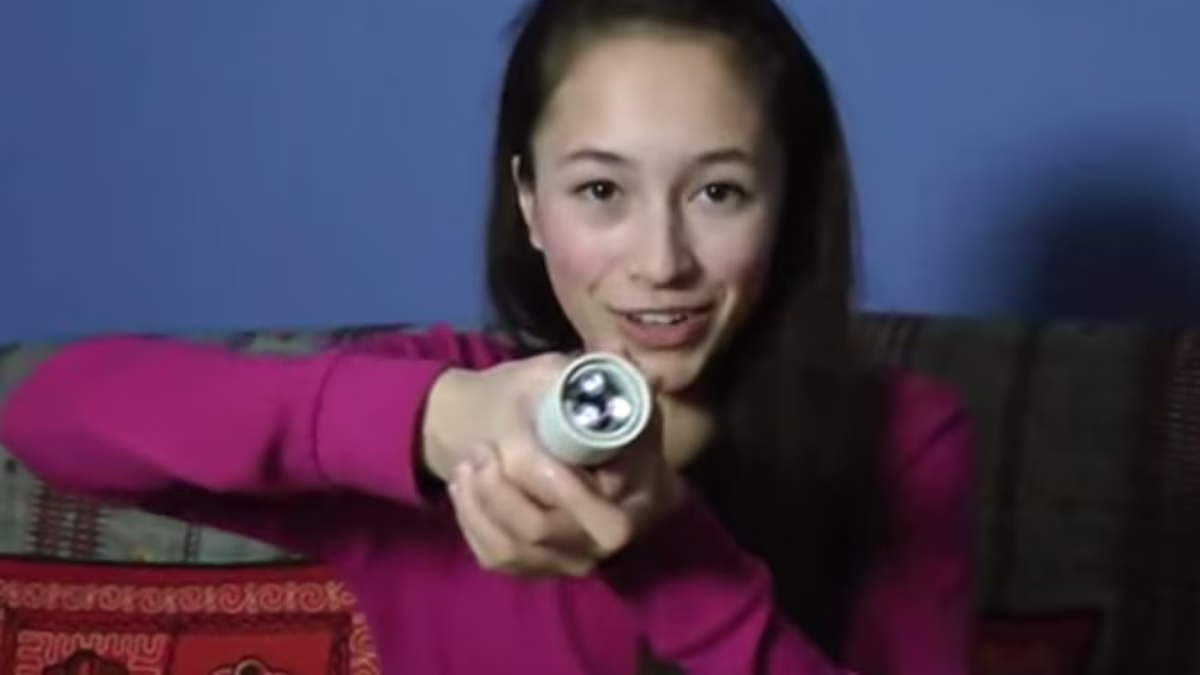
Makosinski’s hand-powered flashlight is just the beginning. In the future, she plans to refine her prototype, making it more durable, efficient, and scalable for various uses. The ability to generate electricity from heat presents a unique opportunity for a sustainable energy future, one that is less reliant on traditional power grids and non-renewable resources.
As the world continues to seek cleaner, more efficient energy solutions, innovations like Makosinski’s could be part of the solution to global energy challenges. By harnessing the power of heat — a constant and renewable resource — Makosinski is proving that young innovators can make a significant impact on the world’s energy landscape.
A Bright Future for Energy Innovation
Ann Makosinski’s hand-powered flashlight may have started as a science fair project, but its potential is much greater. The innovation highlights a growing trend in sustainable design, one that could reduce our reliance on batteries and create more energy-efficient devices. As Makosinski moves forward with her invention, we can only imagine the future possibilities of thermoelectric technology and its ability to power devices with the energy we already produce.
Makosinski’s story is a reminder that even the youngest minds can shape the future of technology. It is a testament to the creativity and problem-solving abilities of today’s youth, and a reminder that every great invention starts with a spark of curiosity and a desire to make the world a better place.