

Table of Contents
- The Psychology Behind Gym Selfies
- The Impact of Social Media on Body Image
- Is Posting Gym Selfies Really Narcissistic?
- The Role of Narcissism in Social Media Culture
- Why Are We Drawn to Gym Selfies?
- The Fine Line Between Motivation and Narcissism
- What This Means for Social Media Culture
- Redefining Social Media Engagement
The Psychology Behind Gym Selfies
At the core of the study’s findings lies the idea that social media is often used as a tool for self-promotion. For many, sharing gym selfies or workout updates is not just about documenting progress; it’s about gaining social validation. This validation comes in the form of likes, comments, and other forms of acknowledgment from followers. As Dr. Tara Marshall, one of the study’s authors, explained, narcissists tend to use social media as a platform to showcase their achievements and seek external approval.
The study points out that narcissistic individuals tend to post frequently about their personal accomplishments, as it fulfills their need for attention and admiration. This is particularly evident in people who habitually share fitness-related content. For them, the motivation isn’t just about fitness itself but the recognition that comes with it.
The psychological aspect of this behavior is crucial. Narcissists thrive on external validation, and social media offers the perfect environment for this. With gym selfies, they can showcase their physical prowess and receive reinforcement in the form of likes and comments. This social validation serves to boost their self-esteem, even if temporarily. However, such behavior may indicate deeper issues with self-worth and identity.
The Impact of Social Media on Body Image
The rise of fitness influencers and the proliferation of fitness-related content on social media has also contributed to society’s preoccupation with physical appearance. Many people, especially younger generations, look to social media platforms for motivation and inspiration in their fitness journeys. However, the constant bombardment of perfect bodies and gym progress can lead to unrealistic expectations.
This can have a particularly negative effect on body image, as social media often presents an idealized version of reality. People who post frequent gym selfies might be trying to live up to these ideals, or they might be contributing to the pressure others feel to conform to specific body standards. While social media can certainly be a source of motivation, it also raises concerns about the mental health implications of constantly comparing oneself to highly curated online personas.
The pressure to look a certain way or to post fitness achievements can lead to feelings of inadequacy for those who don’t measure up to these standards. It’s important to recognize that social media is not always an accurate reflection of real life, but the pervasive nature of online content can make it difficult to distinguish between reality and fantasy. The more people post about their gym achievements, the more likely they are to fall into the trap of measuring their self-worth based on external validation, especially in a culture that rewards physical appearance.
Is Posting Gym Selfies Really Narcissistic?
Not everyone who posts gym selfies is a narcissist. It’s essential to differentiate between someone sharing their fitness journey for genuine self-motivation and someone who seeks constant validation from others. According to the study, the key factor is the motivation behind these posts. Are they posting to share progress and inspire others, or are they posting solely to attract attention and admiration?
The study argues that frequent gym selfies, especially when they are centered around one’s physical appearance or accomplishments, could be a sign of narcissistic tendencies. These individuals often need to highlight their achievements, even in areas like fitness, to feel validated. The more likes and comments they receive, the more they feel affirmed in their self-worth.
But it’s important to note that not everyone who shares fitness content fits this mold. Many people post workout updates as part of a personal goal, to track progress, or to motivate others. The problem arises when the desire for validation becomes the primary motivator, rather than an inherent enjoyment of the activity.
The Role of Narcissism in Social Media Culture

Narcissism has become an increasingly studied topic in the context of social media, especially as platforms like Instagram and Facebook reward individuals for their popularity and engagement. Narcissistic traits, such as a desire for admiration and a preoccupation with one’s appearance, have been amplified by the ease with which people can share curated aspects of their lives online.
Social media platforms are inherently designed to foster competition for attention. Algorithms prioritize posts that attract engagement, meaning the more likes and comments a post gets, the more it is promoted. This creates a cycle where users are encouraged to post content that will receive the most attention. In the case of gym selfies, users know that pictures of physical achievement or beauty are often rewarded with likes, making it even more tempting to post them.
As Dr. Marshall’s study highlights, this dynamic may drive narcissistic behavior in individuals who are predisposed to seek validation. Narcissists might use social media as a way to bolster their self-esteem, often focusing on superficial aspects like looks or achievements. The result is a culture that reinforces the desire for validation, which can be harmful to both the individual and the wider community.
Why Are We Drawn to Gym Selfies?
It’s important to understand why gym selfies, and fitness-related posts, are so popular in the first place. For many, social media serves as a platform for self-expression and sharing personal milestones. Fitness achievements, whether small or large, are often considered significant accomplishments. Sharing them with friends or followers is a way to celebrate progress and receive positive feedback.
Additionally, fitness has become an essential part of modern wellness culture. Many people use social media to document their fitness journey, seeking inspiration from others and offering it in return. There’s a sense of camaraderie in the fitness community, especially on platforms like Instagram, where workout routines and transformations are frequently shared.
For some, posting gym selfies is a way to hold themselves accountable. Seeing their progress reflected online can be a powerful motivator to keep going. However, the desire for social approval can sometimes overshadow the primary goal of personal improvement, leading to a more narcissistic outlook.
The Fine Line Between Motivation and Narcissism

The line between motivation and narcissism can be thin, and it’s not always clear where one ends and the other begins. People who post gym selfies might genuinely want to inspire others, or they might be seeking validation from their audience. The motivation behind these posts is often influenced by individual personalities and social pressures.
Narcissism becomes problematic when the need for validation overtakes the enjoyment of the activity itself. When posting gym selfies becomes a routine driven by a need for external approval, it can be a sign of narcissistic traits. These individuals may measure their worth based on social media engagement rather than personal satisfaction or well-being.
It’s essential to strike a balance between sharing achievements for self-motivation and becoming preoccupied with others’ opinions. A healthy relationship with social media involves using it as a tool for personal growth, not as a means to feed one’s ego.
What This Means for Social Media Culture

As the study suggests, the connection between social media behavior and narcissism highlights the growing need to address mental health in the digital age. Social media has created an environment where self-worth is often tied to external validation. Whether it’s gym selfies, lifestyle posts, or travel pictures, people are increasingly measuring their value based on the approval of others.
This shift has profound implications for how we view social media and its impact on mental health. The desire for likes and comments can create a toxic environment where people feel compelled to post only content that will be well-received, leading to feelings of inadequacy when their posts don’t receive the attention they expect.
The study’s findings serve as a reminder that our relationship with social media should be healthy and balanced. It’s important to recognize when the desire for validation becomes unhealthy and to be mindful of how our online behavior affects our mental health.
Redefining Social Media Engagement
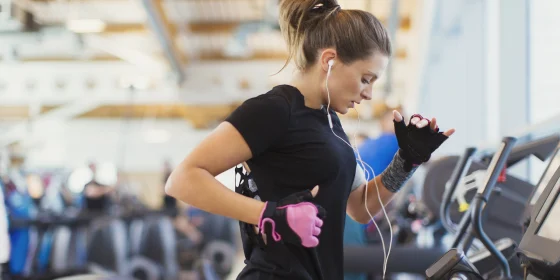
The rise of gym selfies and fitness-related posts on social media has revealed much about the psychological motivations behind online behavior. While these posts may serve as a source of motivation and accountability, they can also be a symptom of narcissistic traits when driven by a need for validation. The study highlights the fine line between healthy self-expression and self-obsession in the digital age.
As social media continues to shape our culture, it’s essential to foster a healthier relationship with these platforms. Recognizing when our motivations are rooted in self-validation rather than self-improvement is a crucial step toward maintaining mental well-being in an increasingly digital world.