
Table of Contents
- The Request to Re-Open Nominations for Zelensky
- The Nobel Peace Prize Process and the Deadline Controversy
- Zelensky’s Leadership and Global Impact
- Zelensky and the People of Ukraine: A Unified Call for Peace
- The Global Importance of the Nobel Peace Prize
- The Political Push Behind the Nobel Nomination
- What Does This Mean for Future Nobel Peace Prize Nominations?
- A Symbol of Resilience and Hope
The Request to Re-Open Nominations for Zelensky
In an unprecedented move, European political leaders have urged the Nobel Committee to reconsider the rules and extend the nomination deadline for the Nobel Peace Prize. The group’s letter highlighted Zelensky’s remarkable leadership and his unwavering commitment to defending Ukrainian sovereignty against the backdrop of a brutal war. The letter stated, “Brave Ukrainian men and women are fighting to preserve democracy and self-government,” emphasizing the monumental sacrifices being made by the Ukrainian people.
These leaders, including former government officials and parliamentarians, made a compelling case that the current situation warranted a break from the usual procedures. Their appeal argued that Ukraine’s dire circumstances were so extraordinary that an exception should be made. In a year marked by unprecedented geopolitical conflict, they believe Zelensky’s efforts in leading Ukraine through its darkest days deserved recognition on the global stage.
The Nobel Peace Prize Process and the Deadline Controversy
The Nobel Peace Prize has a strict nomination procedure, with a submission deadline typically set for February each year. Nominations are accepted from eligible individuals and organizations, including national politicians, university professors, and previous laureates. After the deadline, the Norwegian Nobel Committee reviews all submissions, with final decisions made in October, followed by the award presentation in December.
Despite the rigidity of the deadline, the European leaders’ appeal pointed to the exceptional nature of Ukraine’s situation. They argued that an extended nomination window would allow the Nobel Committee to consider the “unprecedented bravery” shown by both Zelensky and the Ukrainian people. The committee’s decision to either extend the deadline or accept nominations after the fact remains uncertain. However, this appeal has ignited conversations about the flexibility of the Nobel process in the face of global events of such magnitude.
Although historically rare, changing the established rules for nominations could be seen as a symbolic gesture of support for Ukraine. It may also serve to align the Nobel Prize with the real-time struggle of individuals and nations caught in the throes of crisis, demonstrating the Nobel Committee’s ability to adapt to new geopolitical challenges.
Zelensky’s Leadership and Global Impact
President Zelensky’s rise to prominence during the war with Russia is a story of unyielding determination. When Russia launched its invasion of Ukraine in February 2022, Zelensky was thrust into the global spotlight. What followed was an extraordinary display of leadership, uniting not only the Ukrainian people but also garnering the admiration of the international community. Zelensky’s commitment to staying in Kyiv, addressing his people daily, and rallying support from Western nations were critical in Ukraine’s defense against Russian forces.
What makes Zelensky’s leadership even more remarkable is his ability to remain resilient in the face of immense pressure. In his speeches, he often reflects on the emotional toll of the war, yet maintains a sense of duty and courage. As Zelensky and his administration continue to face mounting challenges, including the destruction of cities and the loss of thousands of lives, his leadership remains a testament to the strength of democracy.
Global leaders, particularly in the West, have increasingly lauded Zelensky’s leadership and Ukraine’s resilience. If the Nobel Peace Prize were to extend its nomination period for Zelensky, it would serve as a powerful symbol of international solidarity with Ukraine.
Zelensky and the People of Ukraine: A Unified Call for Peace
The appeal for Zelensky’s Nobel Peace Prize nomination also underscores the broader sacrifices of the Ukrainian people. The letter from European leaders called attention to the personal toll the war has taken on Ukrainians, with entire families displaced, cities devastated, and countless lives lost. Yet, despite these hardships, the people of Ukraine have not wavered in their resistance.
The letter highlighted the symbolic importance of recognizing not just Zelensky, but the collective efforts of the Ukrainian population. From civilians standing in solidarity to soldiers defending their homes, Ukraine’s entire population has been caught in a battle that is about much more than just territorial integrity. It’s a battle for democracy, for the right to self-determination, and for the preservation of freedom in the face of authoritarian aggression.
If the Nobel Committee were to honor Zelensky and Ukraine with the Peace Prize, it would be an acknowledgment of the collective effort to uphold democratic values in the face of external threats. This could provide Ukraine with further diplomatic momentum on the global stage as it continues to navigate its fight for sovereignty and peace.
The Global Importance of the Nobel Peace Prize
The Nobel Peace Prize holds significant weight on the world stage. It is often viewed as the most prestigious global recognition for contributions to peace, diplomacy, and humanitarian efforts. In recent years, the prize has been awarded to individuals and organizations that have brought about meaningful change in times of crisis. From Malala Yousafzai’s advocacy for girls’ education to the World Food Programme’s efforts to combat hunger, the Peace Prize highlights the global figures and causes that shape the future of humanity.
In the case of Zelensky, the Nobel Peace Prize could represent much more than a personal accolade. It would shine a spotlight on Ukraine’s ongoing struggle and underscore the need for continued global support. This recognition could galvanize international efforts to bring an end to the war, promoting diplomatic negotiations, and offering hope to those who are suffering.
The Political Push Behind the Nobel Nomination
The call to nominate Zelensky and the Ukrainian people for the Nobel Peace Prize is also a political maneuver. With the war in Ukraine showing no signs of abating, European leaders are taking steps to ensure that the world remains focused on the country’s plight. The leaders who signed the letter understand that bringing attention to Zelensky’s leadership on the global stage is crucial for maintaining international support for Ukraine.
This political push also reflects a broader commitment to countering authoritarianism worldwide. Zelensky’s fight is not just a national one but a global one against forces that seek to undermine democratic institutions. By nominating Zelensky for the Nobel Peace Prize, European leaders are asserting that Ukraine’s struggle is aligned with the world’s efforts to preserve democratic values.
The letter’s signatories argue that the international community must show solidarity with Ukraine, not just through words, but through concrete actions like nominating Zelensky for this prestigious honor. This call for recognition is as much about honoring Ukraine’s efforts as it is about sending a message to the world about the importance of standing firm in the face of tyranny.
What Does This Mean for Future Nobel Peace Prize Nominations?
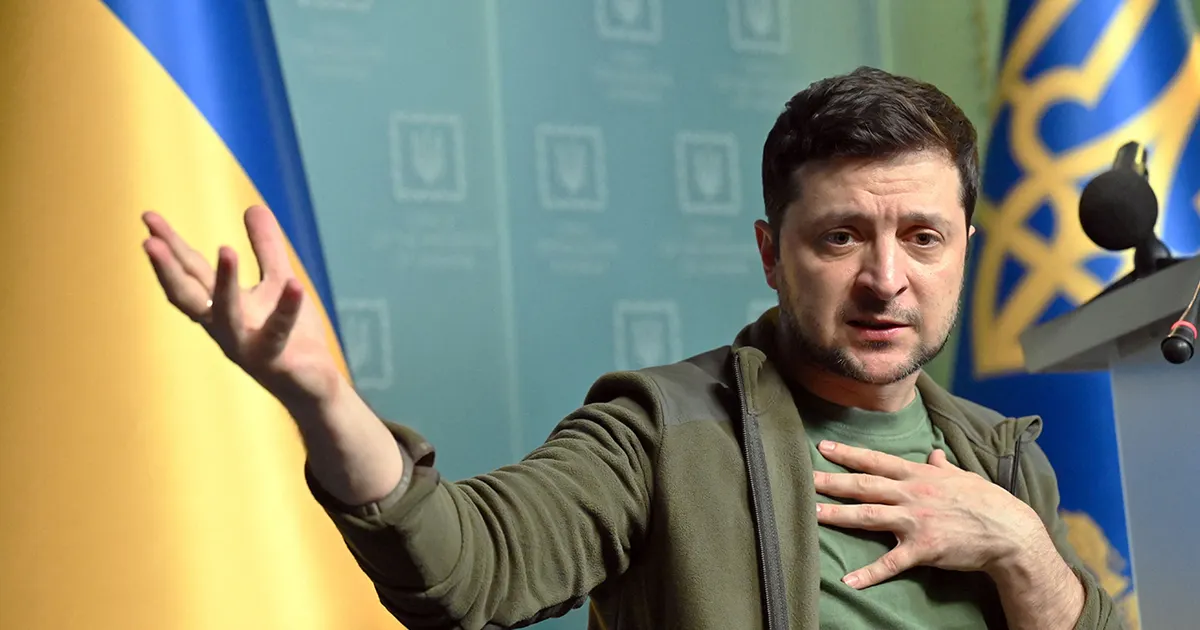
The debate surrounding Zelensky’s nomination has sparked broader discussions about the Nobel Peace Prize’s role in contemporary geopolitics. The prize has historically recognized individuals and movements that have had a profound impact on global peace. As the world faces increasingly complex geopolitical challenges, the question arises whether the Nobel Committee should expand its scope to accommodate new kinds of struggles for peace, like Ukraine’s.
If Zelensky is awarded the Nobel Peace Prize, it would mark a shift in how the international community views peace efforts. It would highlight the importance of defending democratic principles and sovereignty in an era where authoritarianism is on the rise. This could reshape the criteria for future nominations, placing greater emphasis on defending freedom and democracy rather than traditional peace negotiations alone.
The future of Nobel Peace Prize nominations may very well hinge on the outcome of this discussion. The debate over whether Zelensky should be nominated is not just about the man himself, but about how the Nobel Peace Prize should adapt to the changing nature of global conflict and cooperation.
A Symbol of Resilience and Hope
The push for President Zelensky to receive the Nobel Peace Prize is about more than just recognition. It’s about affirming the values of democracy, human rights, and sovereignty. Zelensky’s leadership in the face of extraordinary adversity has inspired millions around the world, and his story represents the broader struggle for freedom that transcends national borders.
Whether or not the Nobel Peace Prize is awarded to Zelensky, his leadership will continue to resonate on the global stage. The fight for Ukraine’s independence and the defense of democratic values in the face of authoritarianism is a story that will shape the future of international diplomacy for years to come. The Nobel Peace Prize nomination may be just one chapter in this ongoing battle, but it is a powerful testament to the strength of Ukraine’s resolve.