
Table of Contents
The Use of Children in Iran’s Security Forces
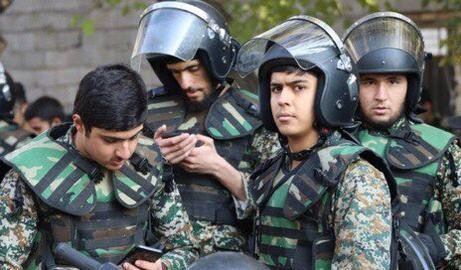
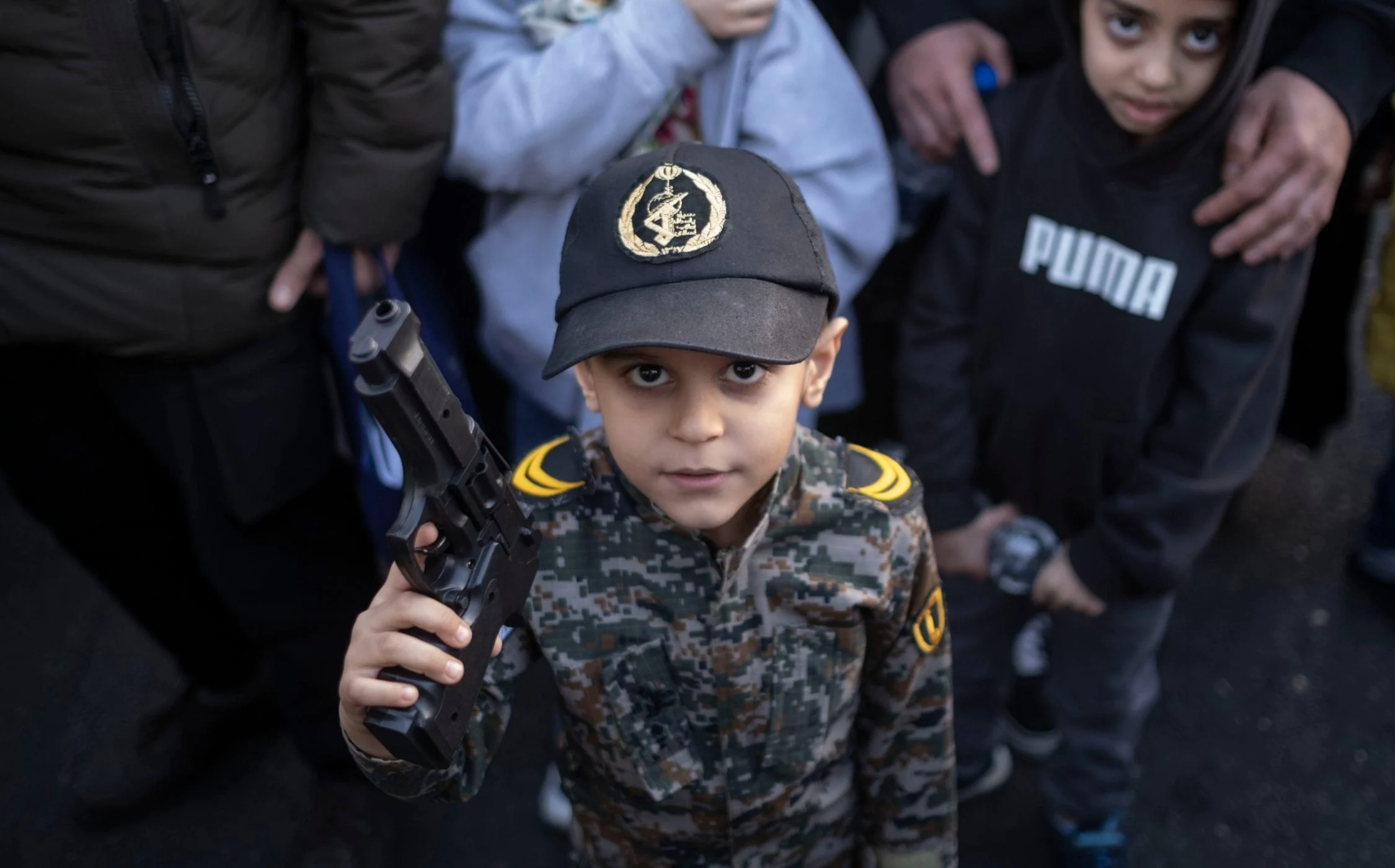
Reports indicate that the Iranian government has lowered the age of recruitment to 12, with children now actively participating in various security roles across Tehran. Rahim Nadali, a cultural official with the Iranian Revolutionary Guards, confirmed that young volunteers are being recruited to help patrol the streets and manage logistics at key security checkpoints. Nadali emphasized that the decision to lower the age of volunteers came in response to a significant number of young people expressing a desire to contribute to the war effort.
Iran’s decision to involve children in such roles has drawn criticism from both domestic and international observers, particularly human rights organizations. The United Nations Convention on the Rights of the Child, which Iran ratified, prohibits the recruitment of children for military purposes. By lowering the minimum age of recruits, Iran appears to be in violation of international law, raising significant concerns about the safety and well-being of these young volunteers.
Despite these concerns, Iranian officials argue that the decision is not only a matter of national defense but also a response to the overwhelming demand for young people to take part in the country’s defense efforts. Nadali stated that young people, including those aged 12 to 13, have been eager to volunteer, prompting the government to adjust the program to accommodate their enthusiasm. This response, while seemingly in line with the country’s need for manpower during wartime, has significant ethical and legal ramifications.
International Law and the Recruitment of Child Soldiers
Iran’s decision to recruit children for military duties raises crucial questions about the country’s adherence to international norms. The United Nations Convention on the Rights of the Child (CRC) is a legally binding treaty that mandates the protection of children from military service. Under Article 38 of the CRC, state parties are required to refrain from recruiting children under the age of 15 into armed forces or groups. While Iran has signed the treaty, this new policy suggests that the government may be flouting these commitments, potentially violating international laws meant to protect children from the horrors of war.
The use of child soldiers is a practice condemned globally, with international law firmly establishing that children should not be involved in armed conflict. Human rights organizations such as Human Rights Watch and Amnesty International have long called for accountability and measures to protect children from recruitment into warfare. Yet, despite these calls, Iran’s actions highlight the persistent challenge of enforcing international law in conflict zones.
The practice of recruiting minors into military service is not isolated to Iran. Countries embroiled in long-term conflicts often turn to child soldiers to fill the ranks of their armed forces. However, this is an issue that the international community continues to tackle, as it seeks to protect the world’s most vulnerable citizens from the ravages of war.
The Impact on Iranian Youth
The impact of involving young children in military operations cannot be understated. While some young people may view it as a patriotic duty or a form of volunteerism, the psychological and physical toll of participating in armed conflict is immense. Studies on child soldiers have shown that they often experience long-term psychological trauma, including post-traumatic stress disorder (PTSD), depression, and a sense of alienation when they return to civilian life.
Children, especially those under the age of 15, are particularly vulnerable to the harmful effects of warfare. Their minds and bodies are still developing, and exposure to violence, death, and combat can have lifelong consequences. The fact that children are being asked to hold weapons, direct traffic at checkpoints, and even engage in military operations is a clear violation of their rights to protection and education, and it underscores the exploitation of minors in times of conflict.
Furthermore, the use of children in military roles may have ripple effects across Iran’s society. These children are not only being put in harm’s way but are also being deprived of their childhood. Instead of attending school, playing, and engaging in healthy social activities, they are being thrust into adult responsibilities, which can stunt their emotional and intellectual development.
The Geopolitical Context Behind the Decision
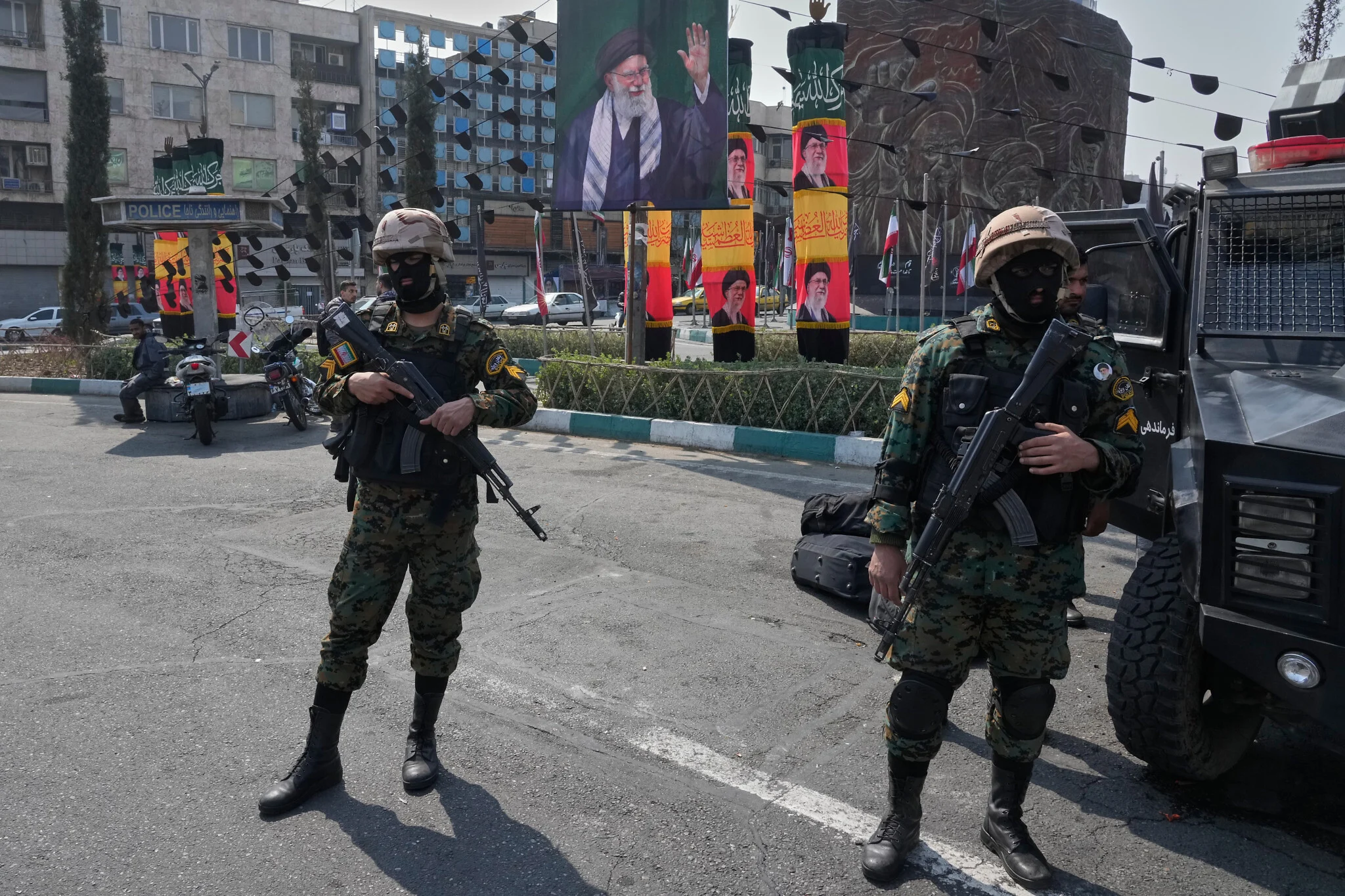
Iran’s decision to lower the age of military recruits comes at a time of heightened geopolitical tensions, particularly with the United States and Israel. Since February 28, the ongoing conflict between Iran and Western nations has escalated, especially after the assassination of Iran’s Supreme Leader, Ayatollah Ali Khamenei, and other high-ranking officials in a targeted strike. This has led to a state of heightened security and instability within Iran, which, in turn, has prompted the government to increase its reliance on both regular forces and volunteers.
The deployment of children to assist with security operations could be seen as a response to a shortage of experienced adult personnel, further compounding the ethical dilemma of involving minors in military efforts. The escalation of the conflict and the increasing number of attacks within Iran’s borders have strained the country’s security apparatus, which is why authorities may feel the need to recruit from younger generations.
While this action might be framed as a response to an urgent national security crisis, it also raises serious concerns about the lengths to which a government will go in order to maintain control during wartime. It is unclear whether Iran’s leadership will face international backlash for these actions, but it is clear that this decision could have a lasting impact on the country’s image on the world stage.
The Role of Youth Volunteerism in Iran
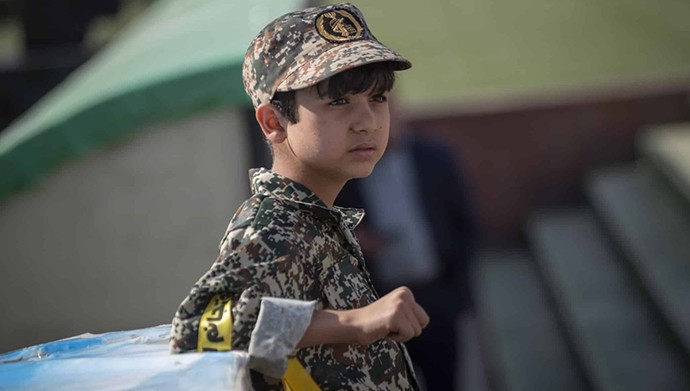
One of the driving factors behind the recruitment of children into Iran’s security forces is the strong tradition of volunteerism that exists within the country. The Basij, a paramilitary volunteer militia, has long been a central part of Iranian society, and it has been used by the government to carry out a variety of domestic and international duties. Young people, especially those from low-income families, are often recruited into the Basij and similar organizations, where they are given the opportunity to serve the country while also receiving financial support.
Iran’s Revolutionary Guards have a similar program, where young volunteers are given the opportunity to join military efforts in exchange for various benefits. The involvement of young people in these programs is framed as a patriotic duty and a chance to support the government’s defense efforts. However, as the legal challenges surrounding the use of child soldiers grow, Iran may be forced to rethink its reliance on youth volunteerism as a means of bolstering its security forces.
While the Iranian government may view the recruitment of minors as a necessary step in ensuring national security, the international community remains highly critical of this practice. The use of child soldiers is considered a grave violation of children’s rights, and it is a practice that many countries around the world continue to fight against.
Global Reactions and Calls for Action
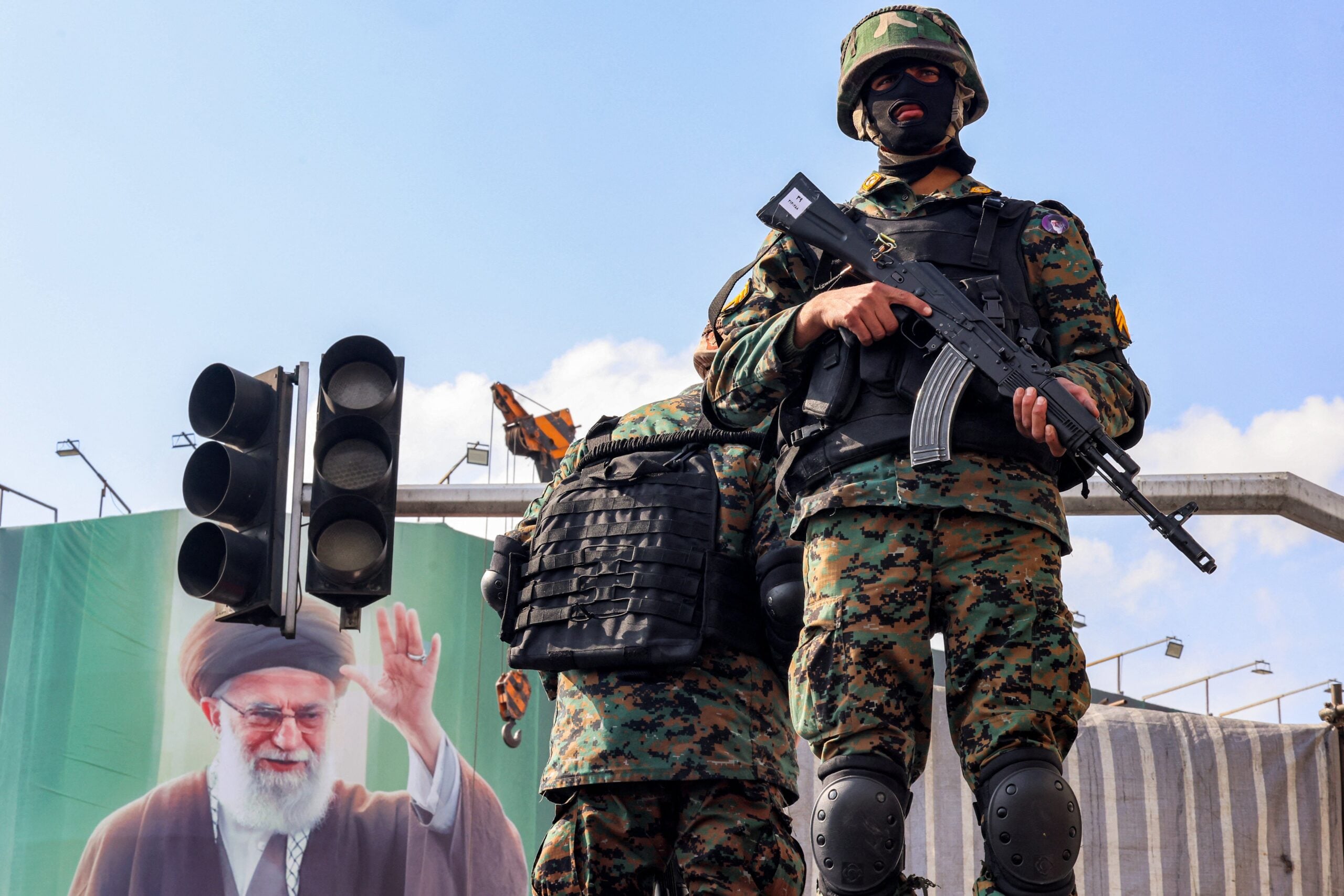
The international community has reacted strongly to Iran’s decision to deploy children in military roles. Organizations such as Human Rights Watch and the United Nations have condemned the practice, calling for immediate action to stop the recruitment of minors into armed conflict. These organizations argue that Iran’s actions undermine the global effort to protect children from military service and expose them to undue harm.
In response to the growing international outcry, Iran has defended its actions, asserting that the young people volunteering for military service are doing so voluntarily and with a sense of patriotism. However, this argument does not alleviate the legal and ethical concerns about child soldier recruitment, particularly when it involves minors who are below the age of 15.
As the situation continues to unfold, it remains to be seen whether Iran will face consequences for violating international law or whether the country will make changes to its policies in response to global pressure. The recruitment of children into military service is a practice that must be stopped, and the international community will likely continue to push for greater protections for children in conflict zones.
The Future of Child Soldier Recruitment in Iran
Iran’s decision to deploy children as young as 12 to carry out military duties raises serious concerns about the country’s commitment to international human rights standards. While the Iranian government may justify the practice as a necessary response to national security concerns, it is clear that involving minors in military operations is a violation of international law and exposes them to significant risks.
The world must continue to pressure Iran to end the recruitment of child soldiers and ensure that young people are protected from the horrors of war. As the situation develops, it will be important for the international community to hold Iran accountable for its actions and to ensure that children around the world are given the chance to grow up free from the trauma of armed conflict.