

Table of Contents
- How Japan Achieved Carbon-Neutral Fuel
- The Pausing of the Project: What Happened?
- The Impact of Synthetic Fuels on the Energy Industry
- How Carbon-Neutral Fuels Can Help Combat Climate Change
- Direct Air Capture and Its Role in Synthetic Fuel Production
- The Future of Synthetic Fuels: Challenges and Opportunities
- A Breakthrough with Great Potential
How Japan Achieved Carbon-Neutral Fuel
The groundbreaking process developed by ENEOS Corporation is built around a simple but powerful idea: instead of extracting carbon from fossil fuels, why not recycle the carbon already present in the atmosphere? The method begins with Direct Air Capture (DAC), a technology that pulls CO₂ from ambient air or industrial emissions. Once captured, the carbon is combined with hydrogen produced through water electrolysis powered by renewable electricity.
The next step in the process is Fischer-Tropsch synthesis, a well-established chemical process that turns the carbon dioxide and hydrogen into liquid hydrocarbons. This results in synthetic fuels like diesel or aviation fuel that can be used in existing engines without requiring modifications. The remarkable feature of this fuel is that it is “drop-in ready,” meaning it can be used in current engines, pipelines, and other infrastructure, making it a viable option for industries that are difficult to electrify, such as air travel and heavy-duty shipping.
What makes this achievement so significant is the potential to reduce global dependence on fossil fuels by using the carbon already present in the atmosphere. The ability to produce fuel in a carbon-neutral manner could help mitigate climate change and bring the world closer to a low-carbon energy future.
The Pausing of the Project: What Happened?
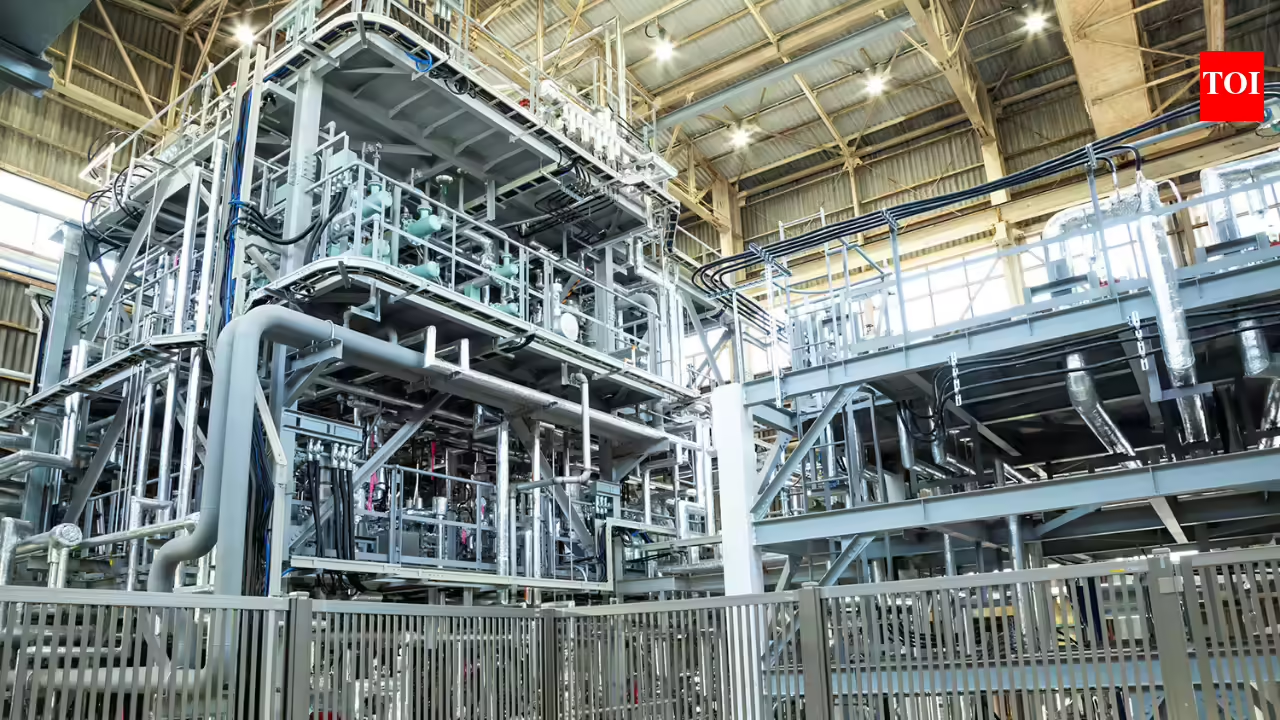
Just as Japan’s ENEOS Corporation reached a major milestone in carbon-neutral fuel production, the project was unexpectedly paused. The announcement sent shockwaves through the energy community, leaving many questioning why such an important and successful initiative was put on hold. While details of the pause remain somewhat unclear, it has raised significant concerns about the future of the technology and its implementation.
One key factor may be the challenge of scaling up the technology. While the demonstration plant in Yokohama proved the concept could work, replicating it on a larger scale and making it commercially viable could be more complex. Additionally, there are concerns about the infrastructure needed to support widespread use of synthetic fuel, which could require substantial investment and coordination across different sectors.
Another possible reason for the pause is the need for further regulatory approvals. Governments around the world are still grappling with how to implement and regulate new energy technologies, particularly those that promise to disrupt traditional fuel industries. Without clear regulatory frameworks, companies like ENEOS may be reluctant to move forward with such ambitious projects until they are confident in their legal and financial stability.
The Impact of Synthetic Fuels on the Energy Industry
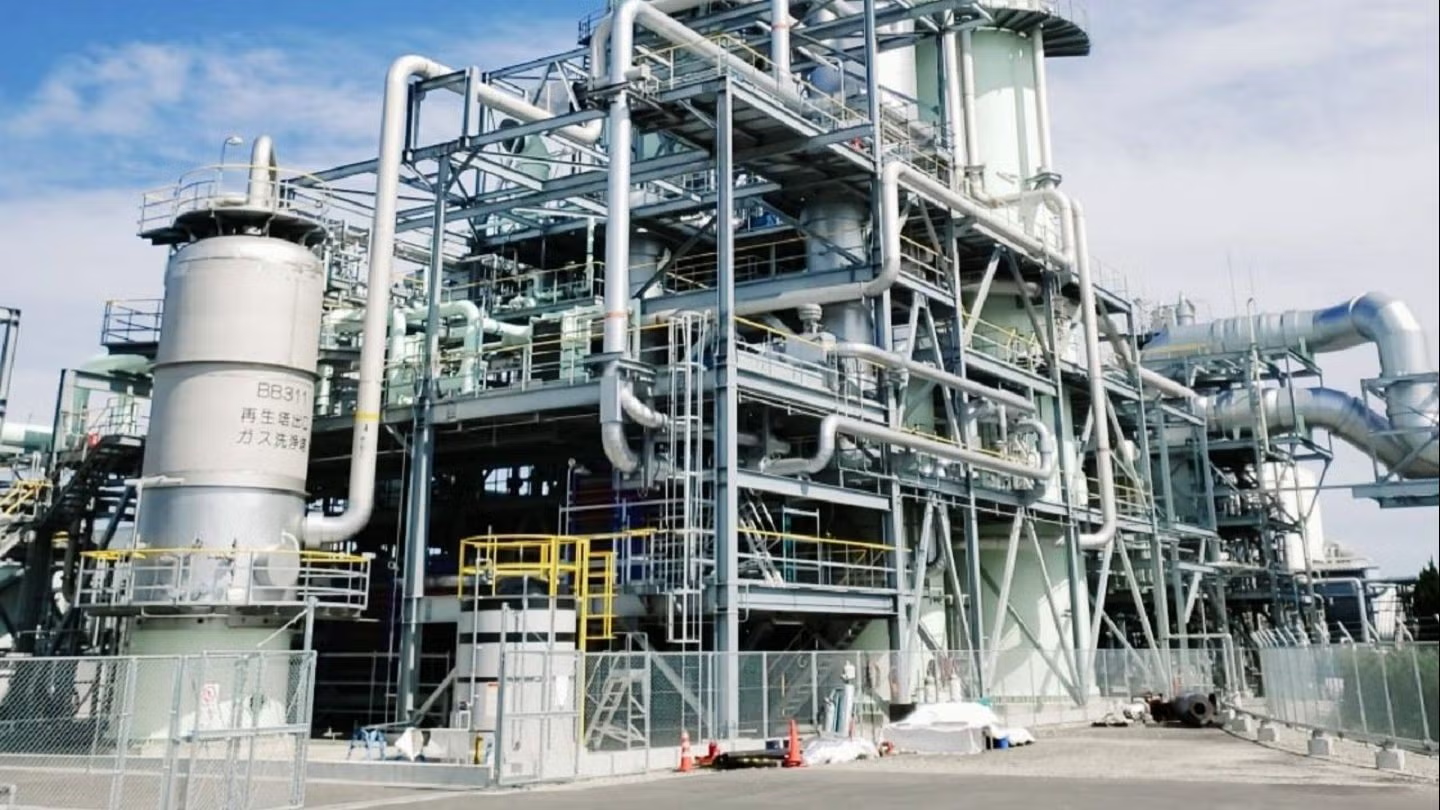
The development of synthetic fuels made from carbon dioxide represents a significant shift in the global energy landscape. Unlike traditional biofuels, which are derived from agricultural products, these synthetic fuels could help reduce greenhouse gas emissions without the need for massive changes to existing infrastructure. Since they are chemically similar to conventional fuels, they can be used in existing vehicles, airplanes, and machinery without requiring costly modifications.
This breakthrough also opens up the possibility of creating fuel in areas that lack traditional fossil fuel reserves. Countries and regions with access to renewable energy sources—such as wind, solar, or hydropower—could produce synthetic fuels locally, reducing the need for global fuel supply chains. This decentralization of energy production could lead to greater energy security and independence for many nations, particularly those in regions that are currently dependent on imported oil.
However, the widespread adoption of synthetic fuels faces several hurdles. One of the biggest challenges is the cost of production. While the technology has proven effective, scaling it to the point where it can compete with traditional fuels on price will require significant investment in infrastructure and research. The pause in Japan’s project highlights these challenges, as well as the ongoing need for innovation and government support to bring new energy technologies to market.
How Carbon-Neutral Fuels Can Help Combat Climate Change
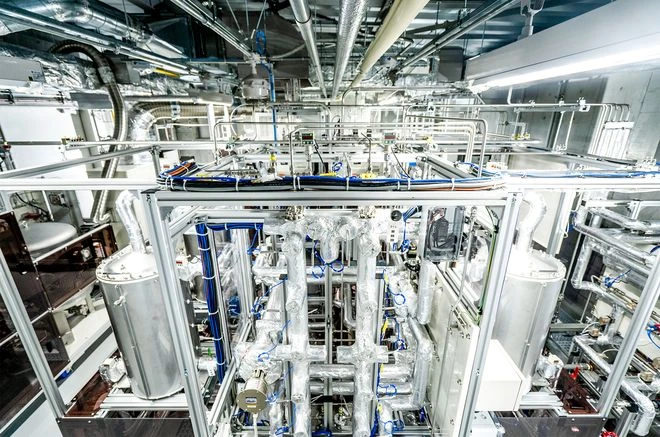
The most exciting potential of synthetic fuels made from captured carbon is their ability to help combat climate change. By using carbon that is already in the atmosphere, these fuels can be produced without adding additional greenhouse gases into the environment. In theory, the carbon released when the fuel is burned would be roughly equivalent to the carbon that was captured during its production, resulting in a net-zero carbon footprint.
This process could play a crucial role in industries that are difficult to electrify, such as aviation and shipping. These sectors are currently responsible for a large portion of global carbon emissions, and finding viable alternatives to fossil fuels is essential for meeting global climate goals. If synthetic fuels can be produced at scale and at a competitive price, they could provide a much-needed solution for decarbonizing these hard-to-abate sectors.
However, it is important to note that carbon-neutral fuels are not a panacea. While they can help reduce emissions, the production of synthetic fuels still requires energy and resources. If the energy used to capture carbon and produce the fuel comes from non-renewable sources, the overall environmental benefit may be diminished. As such, synthetic fuels should be seen as part of a broader strategy to transition to a low-carbon economy, alongside other solutions like renewable energy, energy efficiency, and changes in consumption patterns.
Direct Air Capture and Its Role in Synthetic Fuel Production
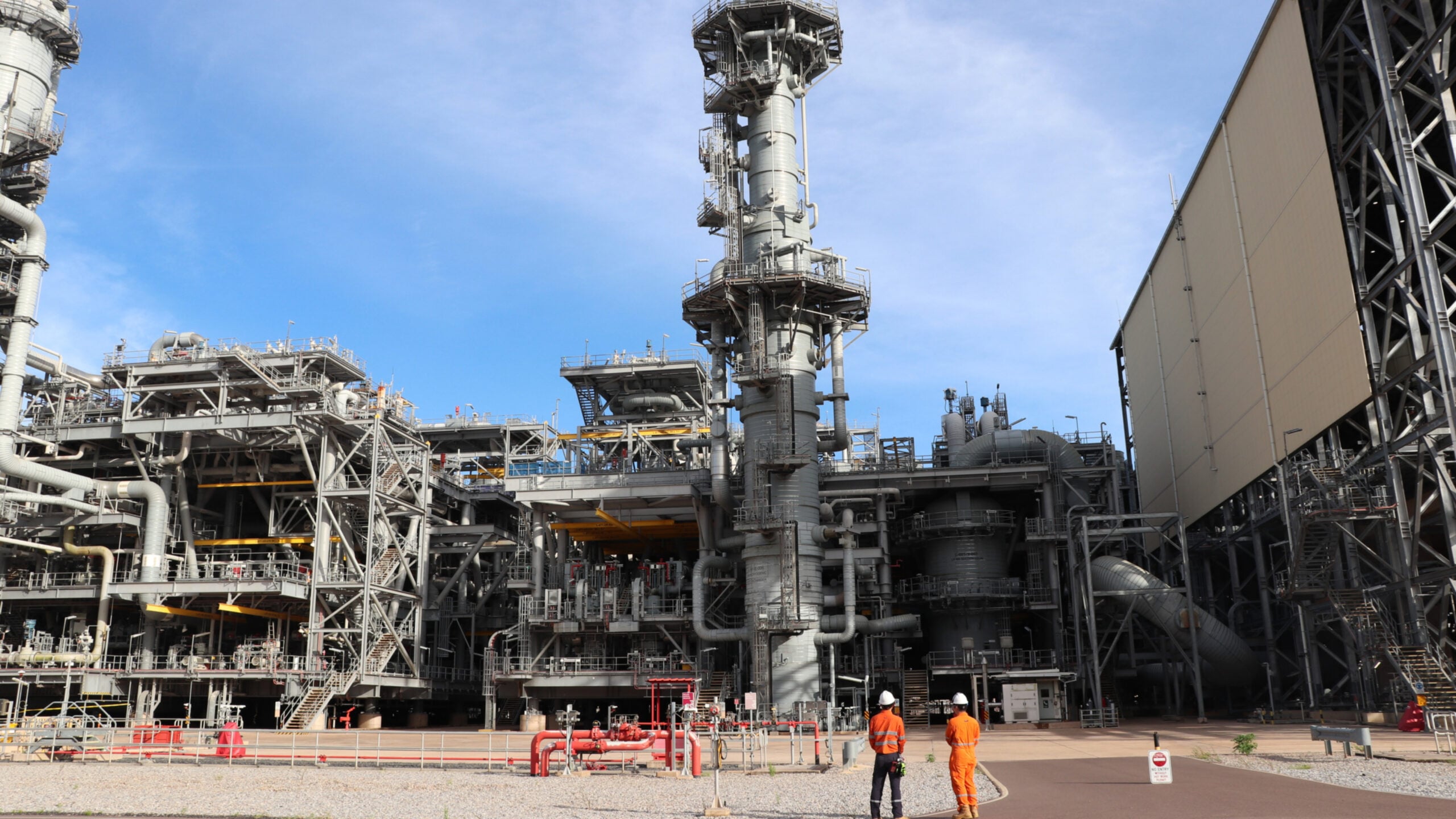
Direct Air Capture (DAC) is a key component of the synthetic fuel production process. DAC technology works by removing carbon dioxide directly from the atmosphere, either from ambient air or industrial emissions. Once captured, the CO₂ is combined with hydrogen produced from renewable energy sources, such as solar or wind power. This process forms the basis for creating synthetic fuels, which can be used in existing engines and infrastructure.
DAC is still an emerging technology, and there are challenges associated with scaling it up to a level where it can have a significant impact on global emissions. While the technology has proven successful in small-scale demonstrations, the cost of capturing and processing CO₂ remains high. However, advancements in renewable energy and electrolysis are expected to reduce costs over time, making DAC a more viable option for large-scale carbon capture.
The potential of DAC lies in its ability to capture carbon from the air, which is different from traditional carbon capture technologies that focus on industrial emissions. This means that DAC can theoretically help reduce the overall concentration of carbon dioxide in the atmosphere, potentially mitigating the effects of climate change. However, widespread adoption of DAC and synthetic fuels will require significant investment in both technology and infrastructure.
The Future of Synthetic Fuels: Challenges and Opportunities
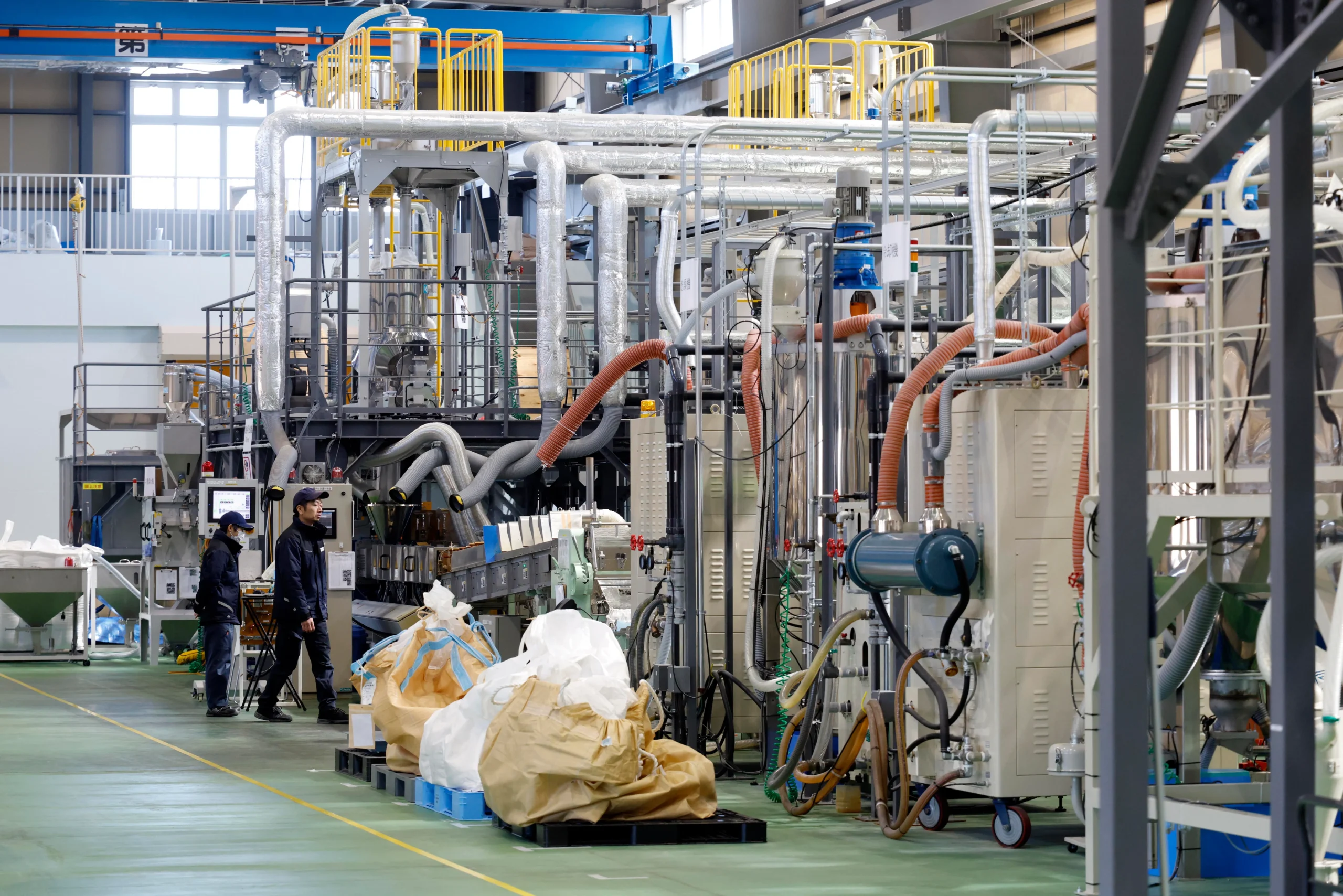
As the technology to produce synthetic fuels advances, it is clear that there are both significant opportunities and challenges ahead. One of the biggest challenges is the cost of production, as creating synthetic fuels requires large amounts of energy and resources. In order to be competitive with traditional fossil fuels, synthetic fuels must be produced at scale and at a lower cost. This will require continued innovation in carbon capture technology, renewable energy, and electrolysis.
Another challenge is the regulatory landscape. Governments around the world are still working to develop frameworks for the production and use of synthetic fuels. Clear regulations and incentives will be necessary to ensure that the technology is deployed safely and effectively. At the same time, the public and private sectors must collaborate to address the environmental impacts of synthetic fuel production, including the energy used in the process and the materials required for DAC technology.
Despite these challenges, synthetic fuels hold great promise as a tool for reducing global carbon emissions. If the technology can be scaled and made cost-effective, it could play a key role in decarbonizing industries like aviation, shipping, and heavy transportation. With continued investment and research, synthetic fuels could help the world transition to a more sustainable energy future.
A Breakthrough with Great Potential
The breakthrough achieved by ENEOS Corporation in producing synthetic fuel from captured carbon is a significant step toward a more sustainable energy future. While the project is currently paused, it has demonstrated that producing carbon-neutral fuel is possible and that the technology could be scaled to meet the needs of industries that are difficult to electrify.
However, challenges remain in terms of cost, infrastructure, and regulation. The success of synthetic fuels depends on continued innovation and investment in carbon capture technology, renewable energy, and electrolysis. Governments and industries must work together to create a regulatory framework that supports the development and deployment of synthetic fuels.
As the world continues to grapple with climate change, synthetic fuels offer a promising solution for reducing emissions and transitioning to a low-carbon economy. While there are obstacles to overcome, the potential of this technology is clear. The future of synthetic fuels is an exciting one, and it could play a crucial role in building a sustainable and carbon-neutral world.