
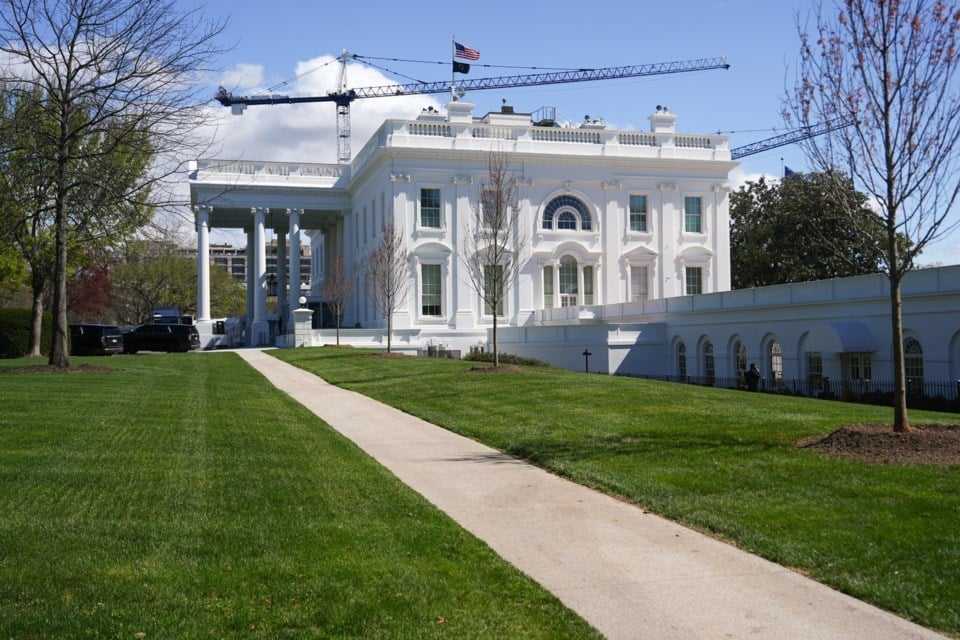
Table of Contents
- A Legal Block on the $400 Million Ballroom Project
- The Political Context Behind the Ballroom Plan
- Congressional Approval and the Legal Path Forward
- Trump’s Defiant Response to the Ruling
- Judge Leon’s Emphasis on Congressional Authority
- The National Trust for Historic Preservation’s Victory
- Trump’s Future Plans for the Ballroom
- Congressional Involvement: What’s Next?
- The Broader Implications of the Ruling
- What’s Next for the White House Expansion Plans?
A Legal Block on the $400 Million Ballroom Project
The decision to halt construction on the White House ballroom stems from a lawsuit filed by the National Trust for Historic Preservation, a leading advocacy group for the protection of historic landmarks. The group argued that Trump’s administration was unlawfully proceeding with the project without necessary Congressional approval, which is required by federal law for any major construction project on government property.
Judge Leon’s ruling emphasized that the president, while the steward of the White House, does not have the unilateral authority to begin such significant construction projects without the backing of lawmakers. In his 35-page decision, Leon stated that Trump had overstepped his bounds by relying on a federal law that allows presidents to make repairs or alterations to the White House, but not to undertake large-scale demolition and construction projects. The judge’s ruling has significant legal ramifications, signaling that any attempt to build without legislative approval could face continued legal scrutiny.
The Political Context Behind the Ballroom Plan

The ballroom project has been a point of contention since it was first announced, especially as the Trump administration sought to move ahead without Congressional oversight. The ballroom, estimated to cover around 89,000 square feet, would be larger than the Executive Mansion itself, which is only 55,000 square feet. Trump, who has a background in real estate development, has been personally involved in the design and planning of the ballroom, including making decisions about floor plans and marble selection.
However, the project has faced considerable opposition from those who believe it is an extravagant and unnecessary use of taxpayer funds. Trump has maintained that the project is essential for the long-term success of the White House, arguing that the ballroom will be a place for hosting important events and dignitaries. Critics, however, have questioned the necessity of such a grandiose project, especially in light of the ongoing political and financial instability.
Congressional Approval and the Legal Path Forward
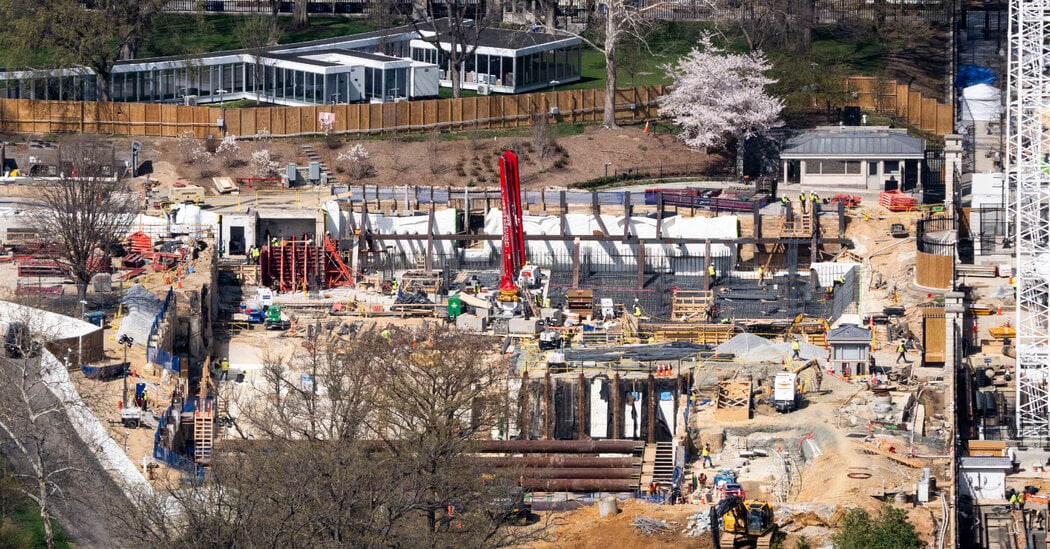
One of the central points in Judge Leon’s ruling is the necessity of obtaining Congressional authorization for such a significant construction project. The judge explicitly stated that the president cannot unilaterally approve major changes to government property, particularly without first consulting Congress. While Trump could potentially seek private funding for the project, the construction still requires Congress to approve the plan, which is a crucial aspect of the constitutional checks and balances system.
This ruling highlights the role Congress plays in approving major government expenditures, especially when they involve the nation’s most iconic and historic buildings. Lawmakers have the authority to allocate funds and determine the scope of such projects, ensuring that taxpayer dollars are spent appropriately. If the project were to proceed without this approval, it would set a concerning precedent for future presidential actions.
Trump’s Defiant Response to the Ruling
In response to the ruling, President Trump quickly took to social media, expressing his displeasure with the decision. In a post on Truth Social, Trump accused the historic preservation group of being a “Radical Left Group of Lunatics” and dismissed the lawsuit as baseless. He further suggested that the legal challenge did not make “much sense,” continuing his long-standing rhetoric against perceived political opponents.
Trump’s dismissal of the ruling also highlighted his frustration with what he sees as unnecessary interference in his vision for the White House. Throughout his presidency, Trump has positioned himself as someone who prioritizes personal decision-making over traditional political structures, and this case is no exception. His immediate response to the judge’s ruling signals that he is prepared to challenge the decision and continue pushing for the ballroom’s construction.
Judge Leon’s Emphasis on Congressional Authority
Judge Leon’s ruling further underscores the importance of Congress’ role in determining how taxpayer money is spent, particularly when it comes to major national projects. Throughout his decision, Leon repeatedly emphasized that Congress holds ultimate authority over the nation’s property, including the White House. He suggested that the Trump administration could resolve the issue by seeking explicit authorization from Congress, whether that be through a bill, an appropriation of funds, or another formal process.
This approach is in line with the principles of the U.S. Constitution, which ensures that no branch of government, including the executive branch, can unilaterally make decisions that have far-reaching consequences for the nation’s resources. The idea of separation of powers is central to the ruling, and Leon made it clear that Trump could not bypass this critical check by proceeding with the ballroom construction without Congress’s blessing.
The National Trust for Historic Preservation’s Victory

The National Trust for Historic Preservation celebrated the judge’s ruling as a major victory for the American people. Carol Quillen, the organization’s president and CEO, praised the decision, calling it a triumph for those who care about the future of historic preservation and the integrity of the White House. The group had argued that Trump’s construction project violated federal law and would forever alter the historic fabric of the building.
This case highlights the role of historic preservation advocates in ensuring that the White House remains a symbol of American history. The decision to halt construction is a testament to the power of legal advocacy and the importance of safeguarding national landmarks for future generations. As the ruling makes clear, even the president is not above the law when it comes to protecting the nation’s heritage.
Trump’s Future Plans for the Ballroom

Despite the ruling, President Trump has shown no signs of backing down. The Trump administration has already stated that it will appeal the decision and continue pursuing the ballroom project, even if it means engaging in further legal battles. This stance is in line with Trump’s approach to many of the challenges he has faced during his presidency: a refusal to back down in the face of legal or political opposition.
As the case moves forward, the question remains whether Trump will succeed in obtaining Congressional approval for the project. Lawmakers are likely to scrutinize the proposal carefully, weighing the potential benefits of the ballroom against the concerns raised by preservationists and legal experts. The appeal will test whether Trump’s vision for the White House can be realized, or if Congress will continue to block the project on legal grounds.
Congressional Involvement: What’s Next?
Congress now finds itself in the middle of this legal battle, with lawmakers needing to decide whether to approve Trump’s vision for a new ballroom at the White House. Representative Jared Huffman, a California Democrat and member of the House Committee on Natural Resources, has already indicated that he plans to actively engage with the issue if it comes to a vote in Congress. This will likely be a contentious issue, as partisan divisions could play a role in how the project is ultimately handled.
Huffman and other Democrats have suggested that Trump should not be able to bypass Congress to fund such a project, and they may push for a more thorough review before any funding is approved. The coming weeks and months could see more legal battles and public debates over the future of the White House ballroom.
The Broader Implications of the Ruling

The ruling against Trump’s ballroom project is not just about a construction delay—it is a reflection of the ongoing tension between the executive branch and Congress regarding the scope of presidential authority. The case raises important questions about how power is exercised in the United States and who ultimately gets to decide how taxpayer money is spent.
Moreover, the ruling could set a precedent for how future presidents approach large-scale construction projects. If the decision stands, it may signal a shift toward more oversight and transparency in presidential initiatives that require significant financial resources. For now, the ballroom project is at a standstill, and the legal and political battles surrounding it are far from over.
What’s Next for the White House Expansion Plans?
As the legal proceedings continue, the fate of the White House ballroom project remains uncertain. The decision to halt construction is a major setback for the Trump administration, but it also presents an opportunity for Congress to weigh in on the issue. If lawmakers ultimately decide to approve the project, it will likely require significant modifications and adjustments to comply with legal requirements.
In the meantime, the courtroom drama over the White House expansion serves as a reminder of the intricate balance of power in U.S. government, and the continued scrutiny placed on presidential actions when they have far-reaching implications for national resources. The ongoing legal battle will shape how future administrations approach large-scale government construction projects and will set the stage for future clashes between the branches of government.