
Table of Contents
- The Longest Shutdown in U.S. History
- The Deal: What’s Included in the Agreement
- Republicans Claim Victory, Democrats Push Back
- TSA Chaos and Airport Struggles
- The Political Struggle: How Did We Get Here?
- Trump’s Influence on the Deal
- Impact on Federal Employees
- The Economic Toll of the Shutdown
- What’s Next for the U.S. Government?
- The Bigger Picture: Lessons from the Shutdown
The Longest Shutdown in U.S. History
The partial government shutdown began in December 2023 and has now become the longest in U.S. history. The shutdown has created significant disruptions across the country, with key agencies like the TSA unable to pay workers. Airport security lines grew longer, and the Transportation Security Administration (TSA) saw a wave of resignations and employee absences. Meanwhile, members of Congress were at an impasse, with neither side willing to budge on the allocation of funds for various government programs.
The Deal: What’s Included in the Agreement
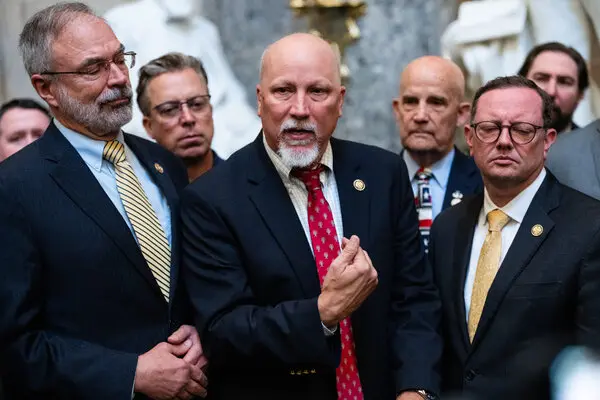
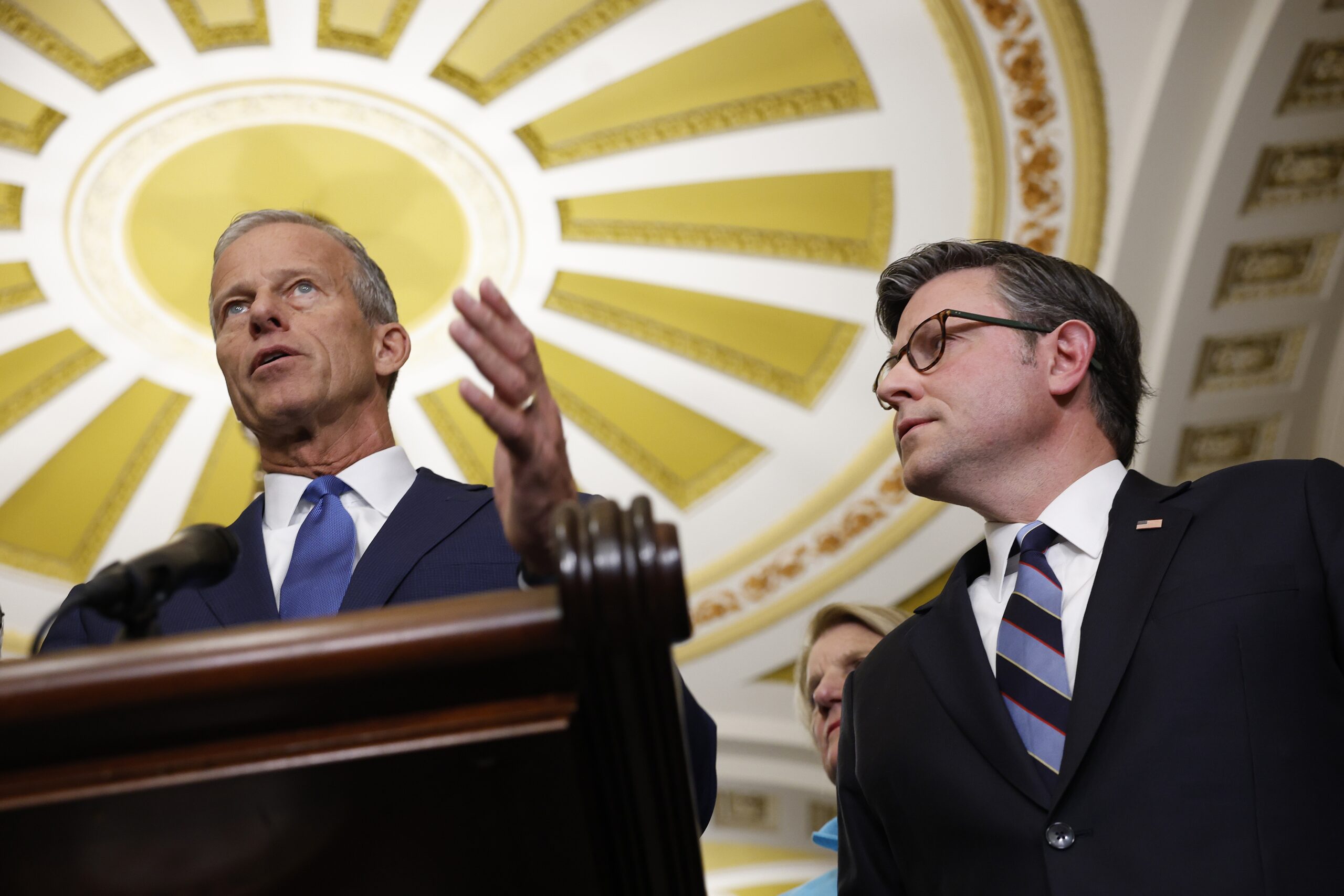
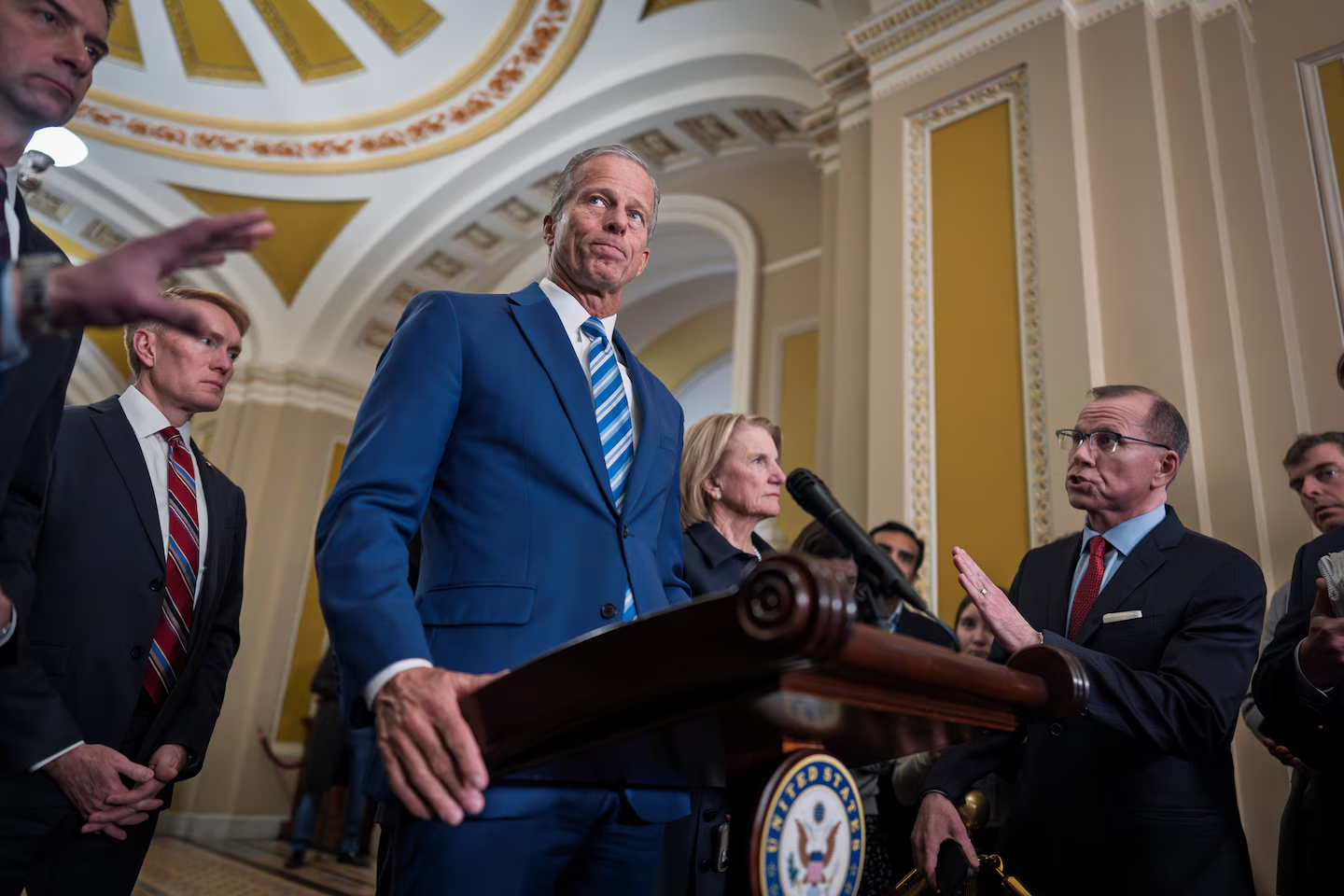
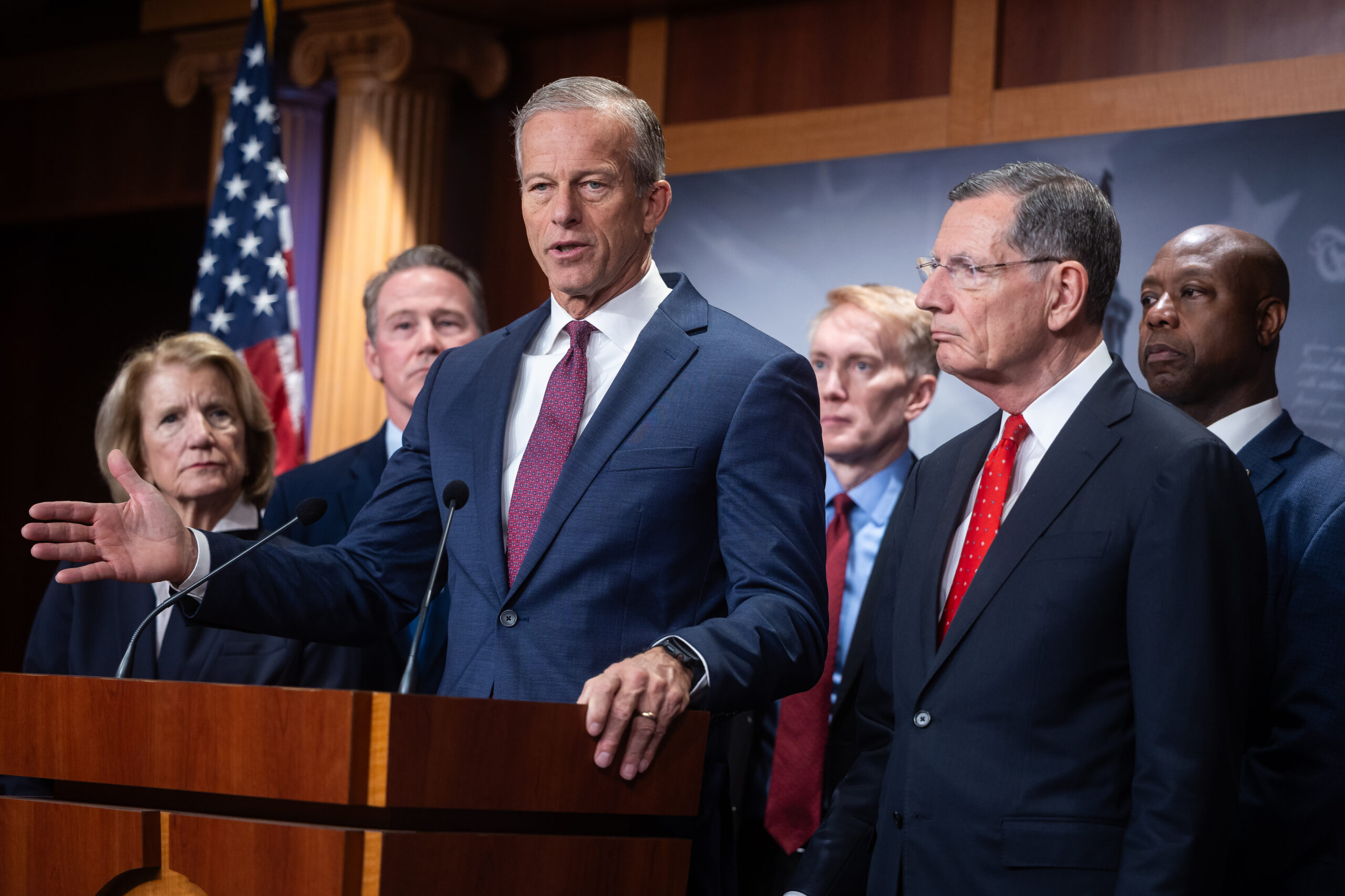
After weeks of uncertainty, Republican House Speaker Mike Johnson and Senate Majority Leader John Thune jointly announced the deal on Wednesday night. The deal would fund most of the DHS through one spending package while creating a separate budget for Immigration and Customs Enforcement (ICE) and Customs and Border Protection (CBP). This separation of funding was designed to appease both Republican and Democratic lawmakers, though some compromises remain.
The deal also allows for the resumption of pay for TSA officers, who have been struggling to stay afloat after going without wages for weeks. Many TSA officers quit or failed to show up to work due to the financial strain caused by the shutdown. The new agreement seeks to remedy this by ensuring that airport security workers will receive their paychecks once again.
Republicans Claim Victory, Democrats Push Back
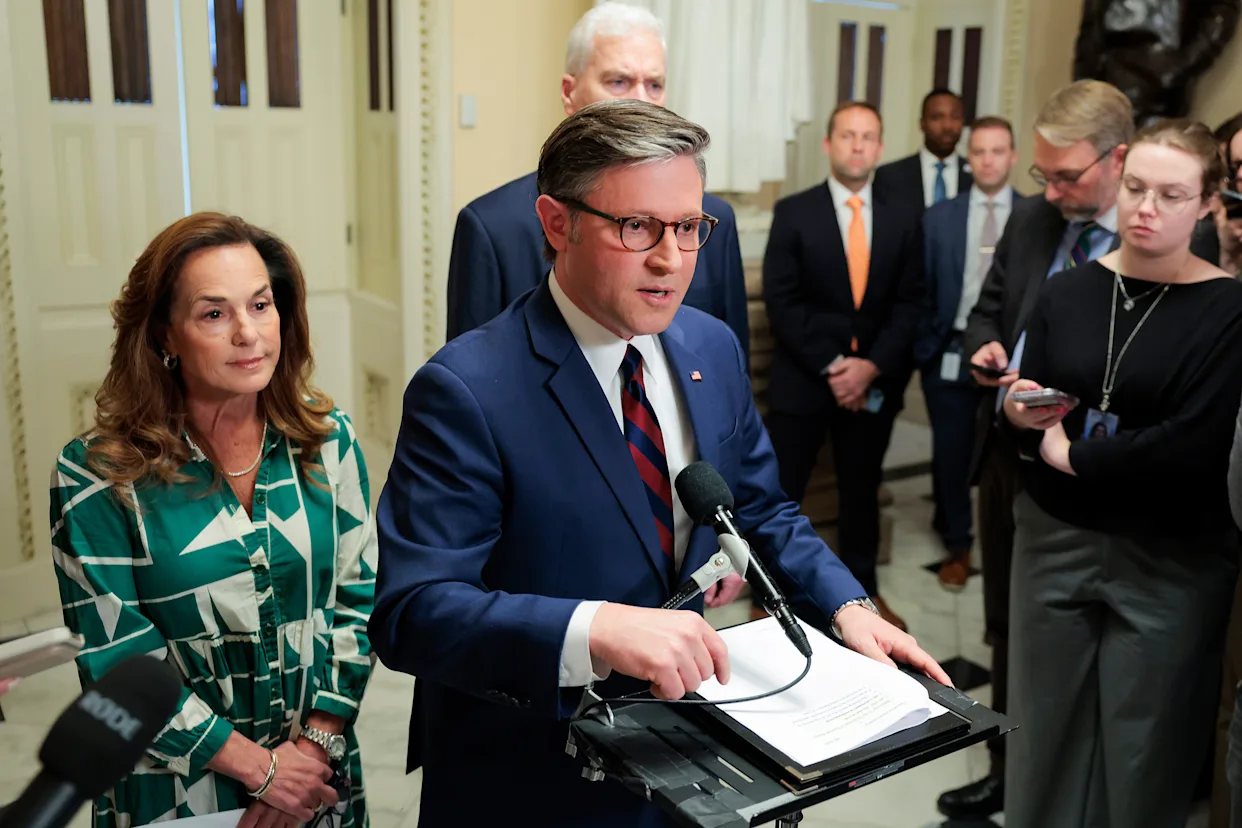
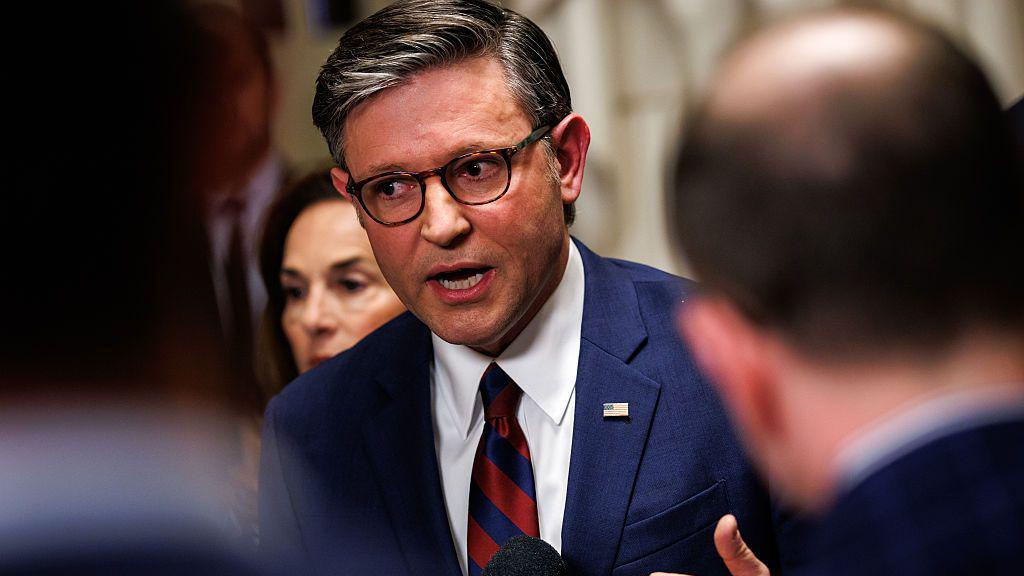
The announcement was met with mixed reactions. Republicans, including Johnson and Thune, presented the deal as a win for American taxpayers, with Johnson claiming that this agreement would bring an end to what he described as the “Democrat DHS shutdown.” On the other hand, Senate Minority Leader Chuck Schumer and other Democrats were quick to criticize the deal, accusing Republicans of “caving” on the original demands. Schumer argued that the Republicans had abandoned their previous positions and failed to achieve the reforms they initially sought, especially concerning immigration enforcement.
TSA Chaos and Airport Struggles
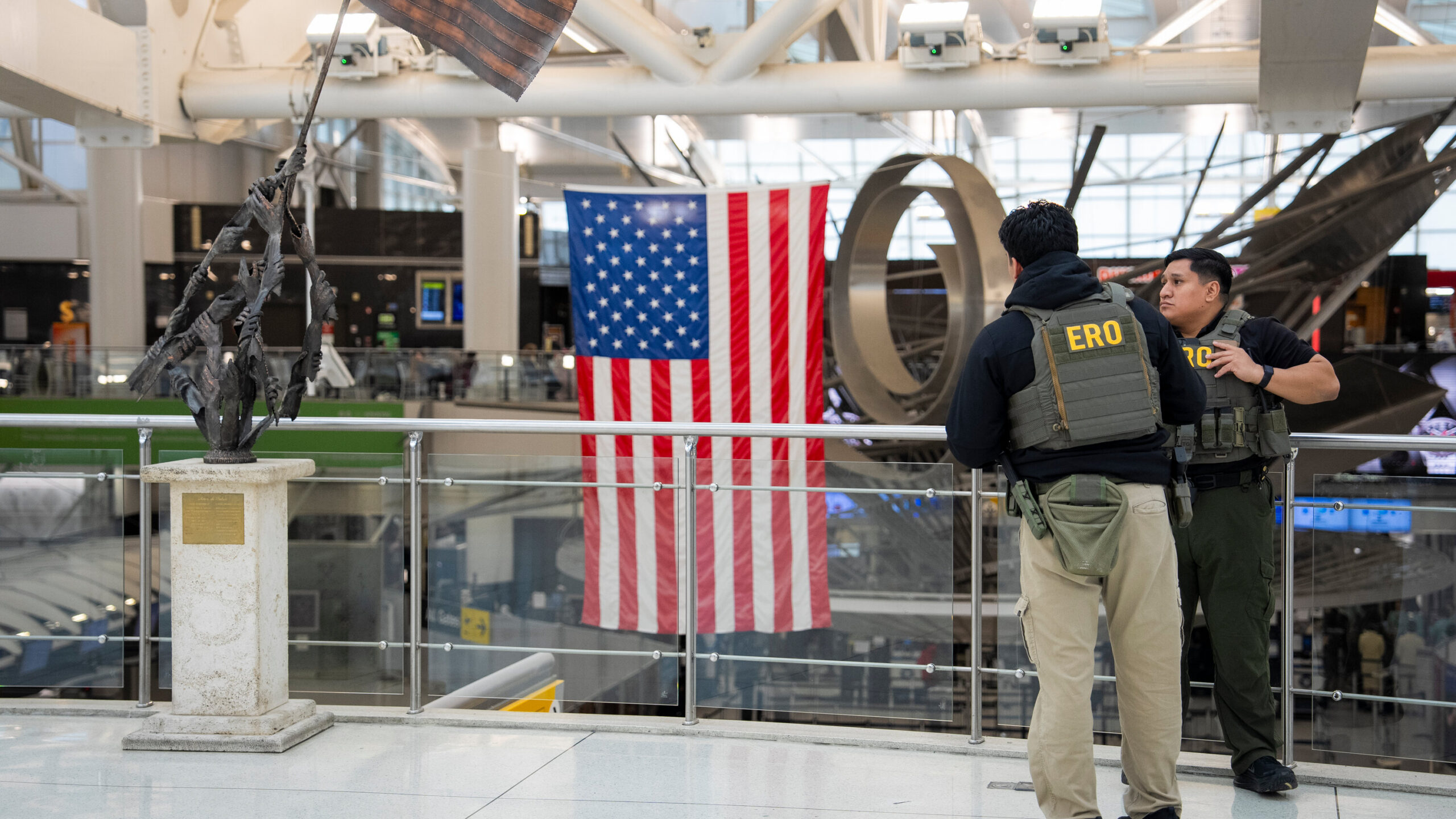
One of the most immediate consequences of the shutdown has been chaos at U.S. airports. Due to the lack of funding, the TSA was unable to pay workers, leading to staffing shortages at security checkpoints. As a result, travelers were forced to endure long lines, and security delays became common. The situation prompted widespread frustration, with many passengers voicing their concerns on social media. The deal reached this week aims to resolve these issues by providing the TSA with the funds necessary to pay its officers and restore order at airports.
The Political Struggle: How Did We Get Here?
The government shutdown was the result of deep political divisions between Republicans and Democrats, particularly on issues related to immigration. While Republicans were pushing for increased funding for ICE and enhanced border security, Democrats demanded that the agreement include reforms to immigration enforcement, following the tragic deaths of two Americans protesting immigration operations in Minnesota. These conflicting demands led to a standoff in Congress, with lawmakers unable to agree on how to proceed.
Despite this, the Republicans in the House of Representatives rejected a funding plan approved by the Senate last week. This bipartisan compromise would have partially funded the DHS while excluding ICE. Instead, Republicans voted to approve a short-term measure that would fund the entire department, including ICE, which was not acceptable to Senate Democrats.
Trump’s Influence on the Deal
President Donald Trump played a key role in shaping the Republican approach to the shutdown. On social media, Trump repeatedly called for the full funding of border patrol and ICE agents and insisted that the Republicans should bypass the filibuster to ensure the bill could pass quickly. In his statements, Trump praised the deal’s focus on bolstering border security, even as he acknowledged the broader economic implications of the shutdown. The president’s influence was apparent in the way the deal was crafted, with Republicans seeking his approval for any agreement that would ultimately come to fruition.
Impact on Federal Employees
The shutdown has had a severe impact on federal workers, particularly those in agencies such as the TSA, which had not received new funds since mid-February. While ICE was able to pay its employees using money from a tax and spending bill passed last year, TSA agents were left unpaid, causing widespread dissatisfaction. Hundreds of TSA officers quit their jobs, while others simply didn’t show up for work, contributing to the chaos at U.S. airports. The new agreement will ensure that federal workers, particularly those in the TSA, will start receiving paychecks again, relieving some of the pressure on essential services.
The Economic Toll of the Shutdown
The shutdown also had an economic toll, particularly for industries that depend on federal agencies to function smoothly. Airlines, for example, were forced to cope with the disruption in airport security, which led to flight delays and cancellations. In addition, the closure of government offices and services caused a ripple effect in the economy, with many businesses struggling to deal with the uncertainty. The agreement between Republicans and Democrats should help stabilize the situation, but the full economic impact of the shutdown may not be fully realized for some time.
What’s Next for the U.S. Government?
The deal reached this week is an important step toward ending the shutdown, but it is only a temporary solution. Lawmakers are expected to continue working on a longer-term funding agreement that will address the broader issues of immigration, border security, and government spending. The challenge for Republicans and Democrats will be finding common ground on these contentious issues, especially as the 2024 presidential election approaches. In the meantime, the public and federal employees alike will be watching closely to see if the deal holds and if the shutdown will truly come to an end.
The Bigger Picture: Lessons from the Shutdown
The ongoing government shutdown highlights the deep divisions within U.S. politics, particularly when it comes to issues like immigration and border security. While the immediate effects of the shutdown have been felt in the form of chaos at airports and unpaid federal employees, the longer-term implications could be even more significant. The shutdown has exposed the fragility of the U.S. political system, where narrow majorities and partisan gridlock can cause widespread disruption. As the government moves forward from this crisis, there may be important lessons to learn about the need for compromise and cooperation in addressing the nation’s most pressing issues.