
Table of Contents
- A Tragic Journey: Noelia’s Battle with Mental Health and Pain
- A Rape Trauma That Changed Everything
- Voluntary Euthanasia in Spain: Legal Background
- A Controversial Legal Battle: Father’s Opposition
- Noelia’s Voice: A Final Plea in Court
- The Constitutional Court’s Final Decision
- Family Division: A Heartbreaking Outcome
- The Broader Debate: Mental Health and Euthanasia
- Spain’s Role in the Euthanasia Debate
- The Legacy of Noelia Castillo Ramos
A Tragic Journey: Noelia’s Battle with Mental Health and Pain
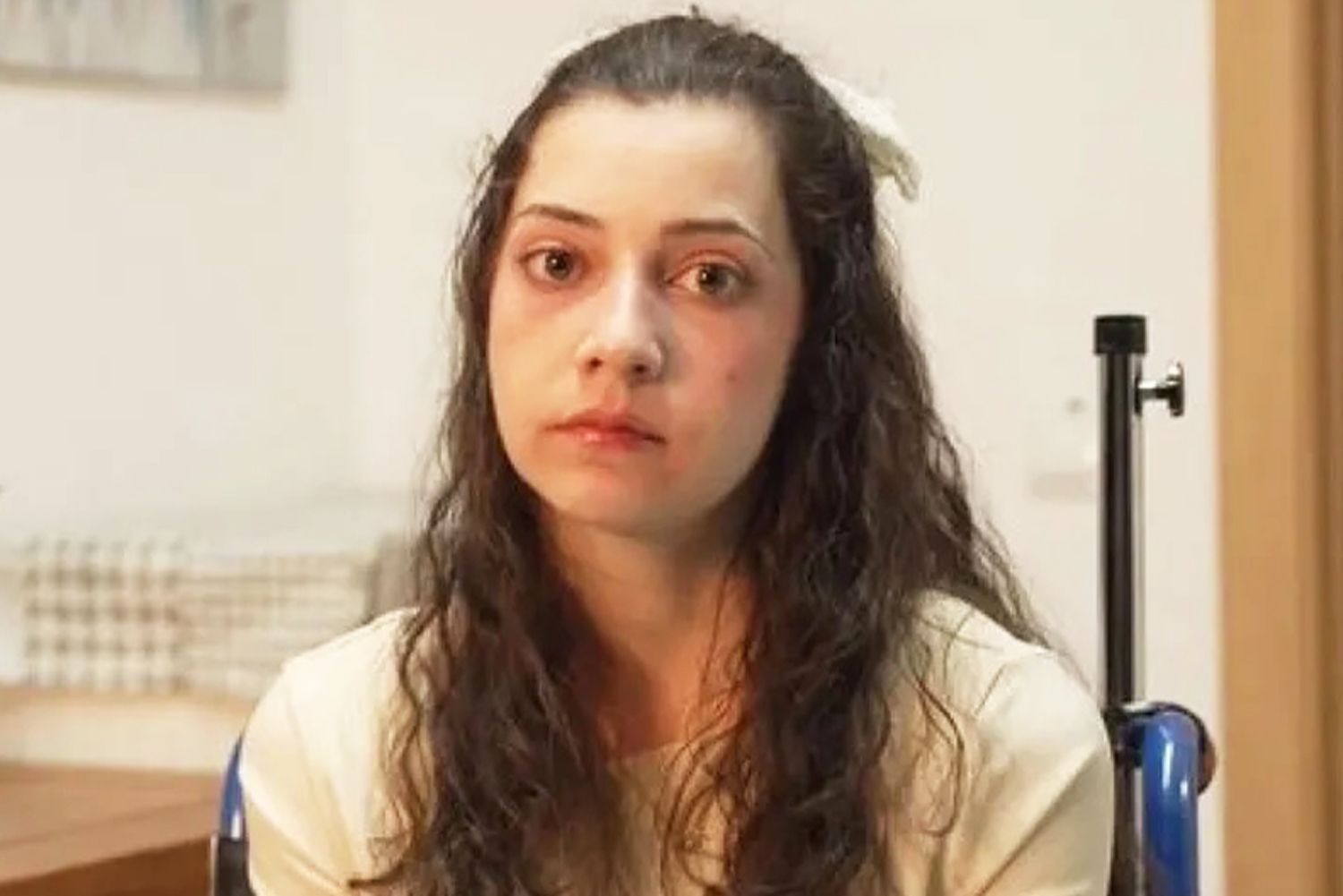
Noelia Castillo Ramos had endured a lifetime of emotional and physical suffering, marked by multiple mental health disorders including depression, obsessive-compulsive disorder (OCD), and borderline personality disorder. From a young age, Noelia’s life was shaped by tormenting thoughts and a chronic pain that seemed insurmountable. As she struggled with these conditions, she sought help and eventually moved into a state-supervised facility for vulnerable youth.
But the years of therapy, medication, and support could not alleviate the deep sense of hopelessness she felt. In a heartbreaking interview just days before her death, Noelia explained that she had no doubts about her decision: “I simply want to leave in peace after all these years of pain,” she said. Despite the mental health challenges she faced, Noelia’s clarity about her choice to end her life underscores the complexities of voluntary euthanasia in cases involving mental health.
A Rape Trauma That Changed Everything
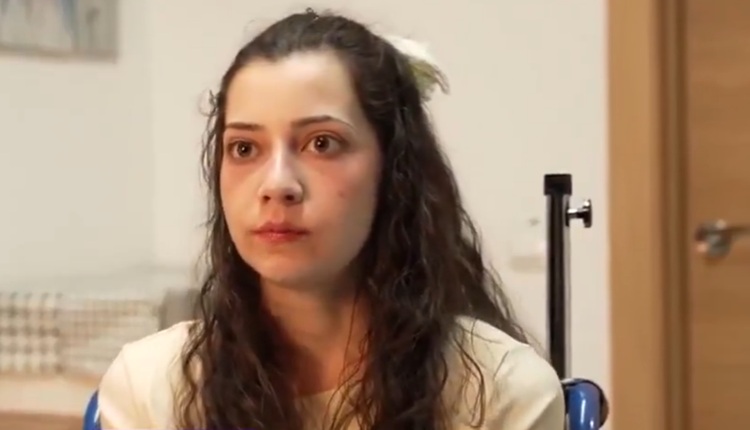
In 2022, Noelia’s life took a devastating turn when she was sexually assaulted while residing in a facility for vulnerable youth. The trauma from the assault left her grappling with profound emotional scars, intensifying her feelings of worthlessness and despair. Struggling to cope with the attack, she attempted suicide by jumping from a fifth-floor window. Miraculously, she survived but was left paralyzed from the waist down, adding physical pain to her already overwhelming mental anguish.
Her survival, however, did not mark the end of her suffering. The chronic pain from her injuries, coupled with the mental scars from the assault, became a constant in her life, exacerbating her feelings of isolation and hopelessness.
Voluntary Euthanasia in Spain: Legal Background
In 2021, Spain passed a controversial law legalizing voluntary euthanasia for patients suffering from “serious and incurable” diseases that cause “unbearable suffering.” This law was meant to offer a dignified option for those whose suffering could not be alleviated through other means. Noelia, after years of relentless physical and mental anguish, applied for euthanasia in 2024.
Her request was approved by a specialized medical commission, and she was granted permission to proceed with assisted death. The legal framework allowed her to make an informed choice, but her decision still faced opposition, particularly from her father, who argued that her mental health issues impaired her ability to consent fully.
A Controversial Legal Battle: Father’s Opposition
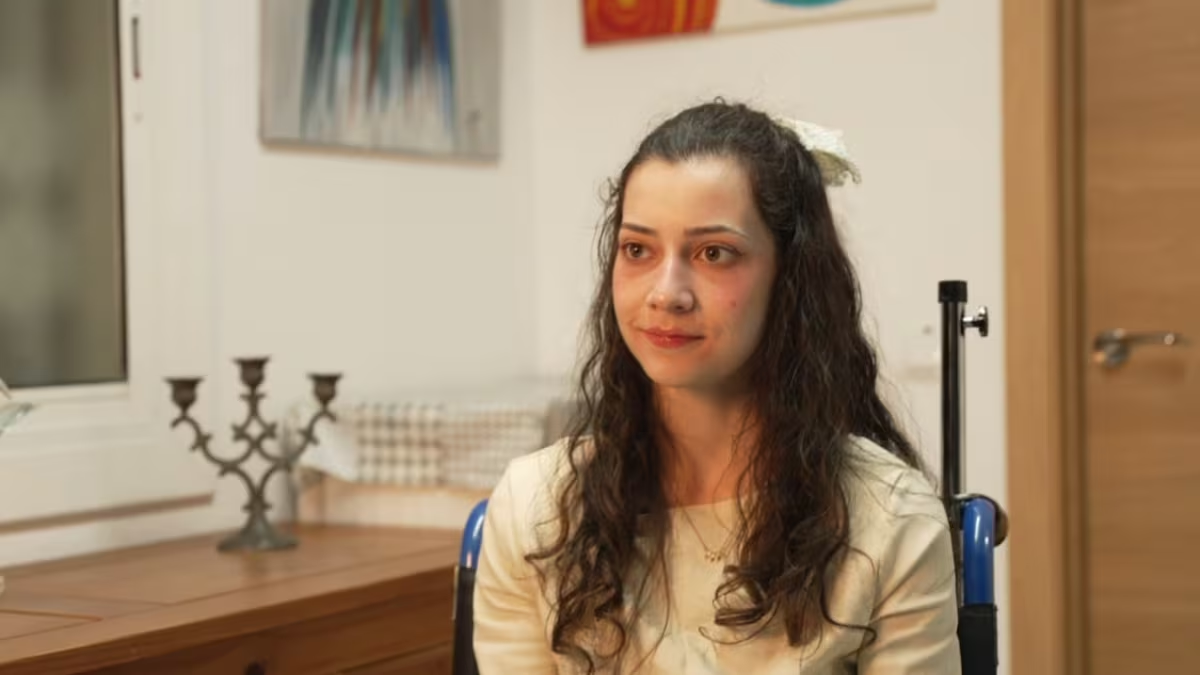
Noelia’s decision to undergo voluntary euthanasia was not without conflict. Her father, who had been a constant presence in her life, opposed her decision, claiming that her mental health issues clouded her judgment. He filed a legal objection, arguing that the state had a responsibility to protect vulnerable individuals, especially those with mental health disorders. The father’s opposition reflected the broader societal and ethical debates surrounding assisted death, particularly when it involves individuals with mental illnesses.
Several courts heard the case, and while Noelia’s request for euthanasia was supported by lower courts, the legal battle continued for several months. The case gained international attention as it raised questions about the intersection of mental health, autonomy, and the right to die.
Noelia’s Voice: A Final Plea in Court
In March 2025, Noelia testified in court, pleading with the judge to allow her to end her life. She made an emotional appeal, telling the court, “I want to finish with dignity once and for all.” Her words reflected the deep sense of clarity and finality she felt about her decision. For Noelia, voluntary euthanasia was not just an escape from pain—it was a final act of agency, an opportunity to regain control over her life after years of suffering.
The judge, after hearing Noelia’s testimony, ruled in her favor, and her case was sent to Spain’s Constitutional Court for a final ruling. The decision was momentous, as it set a legal precedent for the rights of individuals to choose euthanasia in the case of severe, long-term suffering from mental health issues.
The Constitutional Court’s Final Decision
In February 2026, Spain’s Constitutional Court issued its ruling, rejecting the appeal from Noelia’s father. The court found that there had been no violation of her fundamental rights and upheld her decision to proceed with voluntary euthanasia. The ruling was significant not only for Noelia but also for the broader conversation around the legalities of assisted death for individuals with mental health challenges.
The decision to allow Noelia to end her life highlighted the legal framework in Spain that respects individuals’ autonomy, especially in cases where they are experiencing unbearable suffering. The ruling also sparked discussions about the ethics of euthanasia and the responsibilities of family members in such decisions.
Family Division: A Heartbreaking Outcome
Noelia’s family, especially her father, faced a heart-wrenching decision. Her father’s opposition to euthanasia was rooted in a deep love for his daughter, but his inability to understand Noelia’s pain only deepened the emotional divide. In her final interview, Noelia explained that her family could not comprehend the depth of her suffering. “I’m leaving, and you’re staying here with all the pain,” she said, emphasizing the painful reality that her family’s happiness could not be prioritized over her own well-being.
Her decision to die alone, as requested, was an expression of her need for peace and autonomy. The emotional toll on her family, especially her father, has been profound, with the father left to grapple with the loss of his daughter in such tragic circumstances.
The Broader Debate: Mental Health and Euthanasia
Noelia’s case has raised important ethical and societal questions about mental health and voluntary euthanasia. While Spain’s euthanasia law allows individuals with serious mental health conditions to request assisted death, it remains a controversial issue. Critics argue that individuals suffering from mental health disorders may not be in a position to make rational decisions about ending their lives. On the other hand, proponents of euthanasia contend that individuals suffering from mental illnesses should have the same right to choose an end to their suffering as those with terminal physical diseases.
Noelia’s decision has added a new layer to this debate, highlighting the complexities involved in assessing the autonomy of individuals with mental health issues. Her case has sparked a broader conversation about the ethics of euthanasia and the need for compassionate, informed decision-making in such matters.
Spain’s Role in the Euthanasia Debate
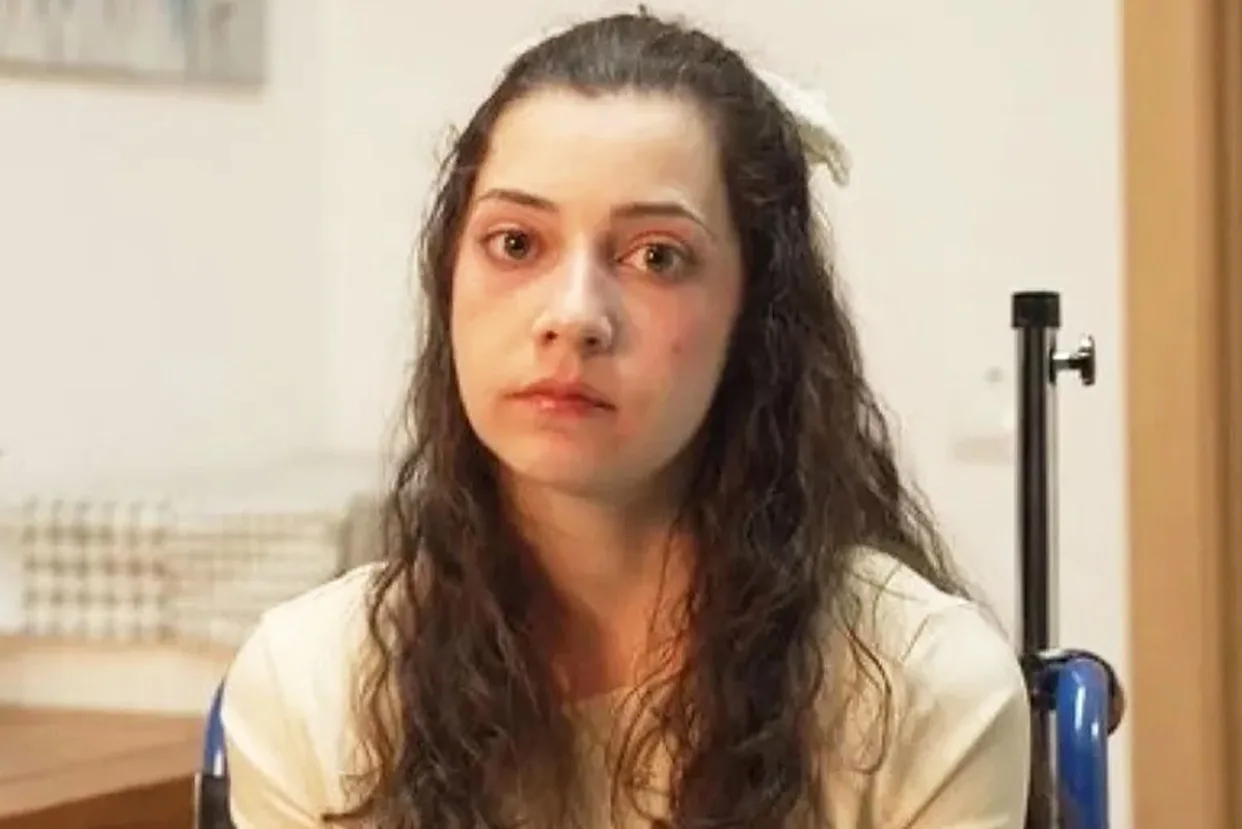
Spain’s legalization of voluntary euthanasia places it at the forefront of the debate over assisted death in Europe. The country’s legal framework allows individuals suffering from severe and incurable conditions, including mental health disorders, to request euthanasia. Spain’s decision to approve Noelia’s euthanasia has placed the country in the spotlight, with both praise and criticism coming from different parts of the world.
As other countries watch Spain’s legal approach to euthanasia, there is growing interest in how other nations might adopt similar laws, particularly as mental health awareness grows globally. Noelia’s case may serve as a catalyst for more discussions about the rights of individuals facing long-term mental health struggles and their ability to end their lives on their own terms.
The Legacy of Noelia Castillo Ramos
Noelia Castillo Ramos’ decision to end her life through voluntary euthanasia has left an indelible mark on the conversation surrounding mental health and euthanasia. While her death is a tragedy, it has sparked important debates about autonomy, suffering, and the role of the state in protecting individuals’ rights to make such profound decisions. Noelia’s story serves as a reminder of the complexities of mental health and the need for a compassionate and nuanced approach to such issues.
Her legacy will likely continue to influence conversations about euthanasia in Spain and beyond, as society grapples with the moral and ethical implications of allowing individuals to choose their own end when faced with unbearable suffering. Noelia’s case has forced us to consider the difficult choices some individuals face and the importance of respecting their autonomy in the face of profound pain.