
Table of Contents
- Colombia Takes a Bold Stand for the Amazon
- The Global Importance of the Amazon Rainforest
- Encouraging Regional Cooperation in Amazon Protection
- The Political and Economic Challenges of the Decision
- A Commitment to Renewable and Regenerative Economic Activities
- The Special Commission on Environment and Climate
- The Role of Indigenous Communities in Amazon Conservation
- The Broader Impact of Colombia’s Decision
- The Future of Colombia’s Amazon
- A Call to Action for Global Conservation Efforts
Colombia Takes a Bold Stand for the Amazon
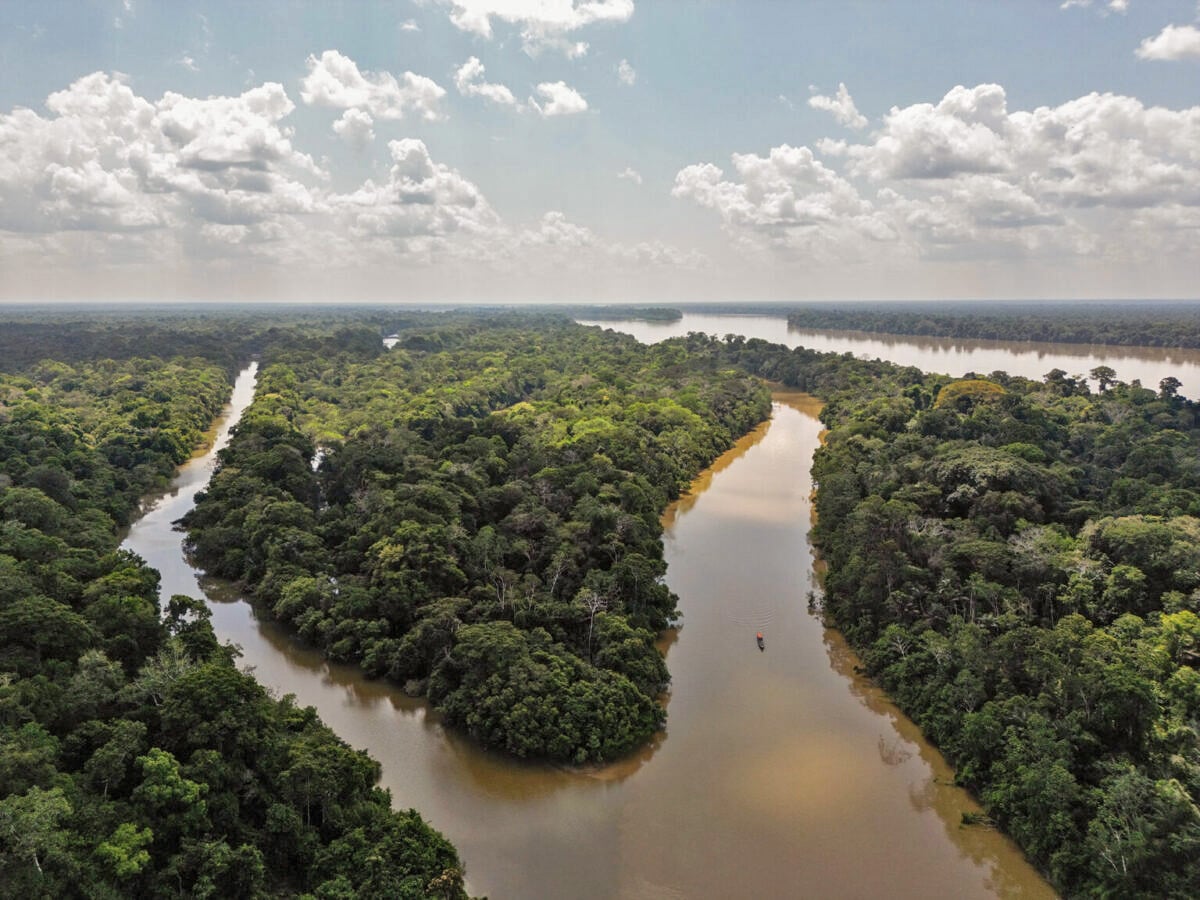
Colombia’s commitment to protect the Amazon comes at a time when the forest, which spans across several South American countries, is facing unprecedented threats. The Amazon is not just a natural wonder but a vital global resource, playing a crucial role in absorbing carbon dioxide and maintaining the Earth’s climate balance. The decision to ban new extractive projects in Colombia’s Amazon is a direct response to the growing concerns about the environmental degradation caused by deforestation, pollution, and loss of biodiversity.
Acting Environment Minister Irene Vélez Torres announced the ban, explaining that the move is part of an ethical and scientific commitment to prevent further forest degradation and river contamination. The decision has been framed as a protective measure to preserve biodiversity and the overall health of the Amazon, which spans across Colombia’s Amazonas, Caquetá, Guaviare, Guainía, Putumayo, and Vaupés departments. This ban includes the suspension of future oil drilling and mining activities in these areas, which have been at the center of much controversy in recent years.
The Global Importance of the Amazon Rainforest
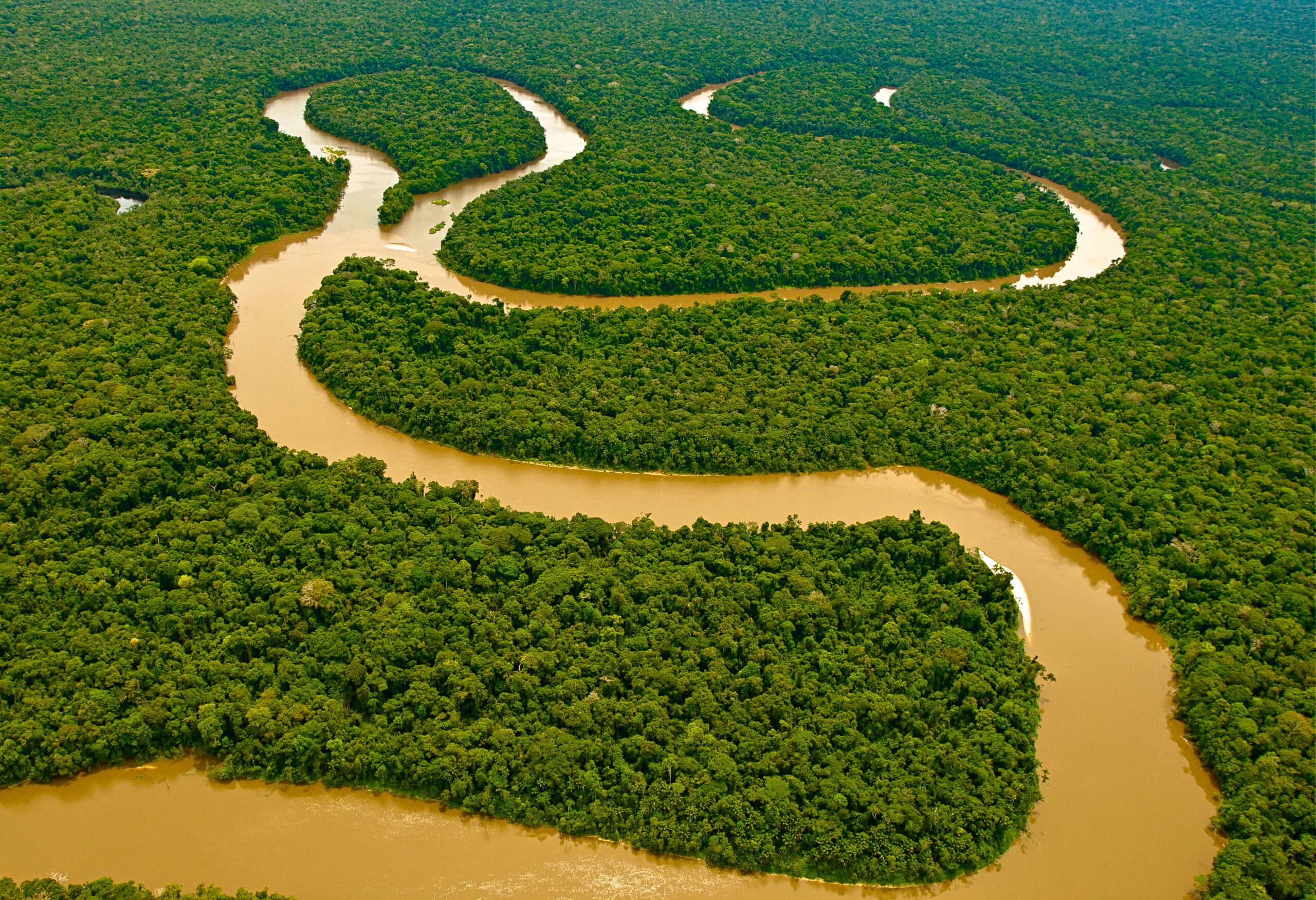
The Amazon rainforest is often referred to as the “lungs of the Earth” due to its ability to absorb massive amounts of carbon dioxide. This function is vital in combating climate change, making the protection of the Amazon crucial for global sustainability. Colombia’s decision to halt oil and mining projects in its Amazon region is a step in the right direction, not just for the country but for the planet as a whole.
The Colombian Amazon is home to 10% of the planet’s known plant species and provides essential water resources to millions of people, particularly in the Andean region. As the Amazon continues to shrink due to logging, agriculture, and extraction activities, its ability to mitigate climate change diminishes, putting the entire planet at risk. By taking action to preserve this vital ecosystem, Colombia is sending a strong message about the importance of protecting natural resources for future generations.
Encouraging Regional Cooperation in Amazon Protection
Minister Vélez Torres did not just make the announcement in isolation. She called on other South American countries that share the Amazon biome to join Colombia in committing to its protection. This call for regional cooperation reflects the interconnectedness of the Amazon and the need for a united approach to preserving its integrity.
“The Amazon does not know borders, and its care requires us to move forward together,” Vélez stated during her announcement. Her appeal is a reminder that no single country can protect the Amazon alone, as the forest spans across multiple nations, each with its own challenges and priorities. Cooperation is key to addressing the deforestation crisis, combating illegal activities, and ensuring that the forest remains a sustainable resource for all.
The Political and Economic Challenges of the Decision
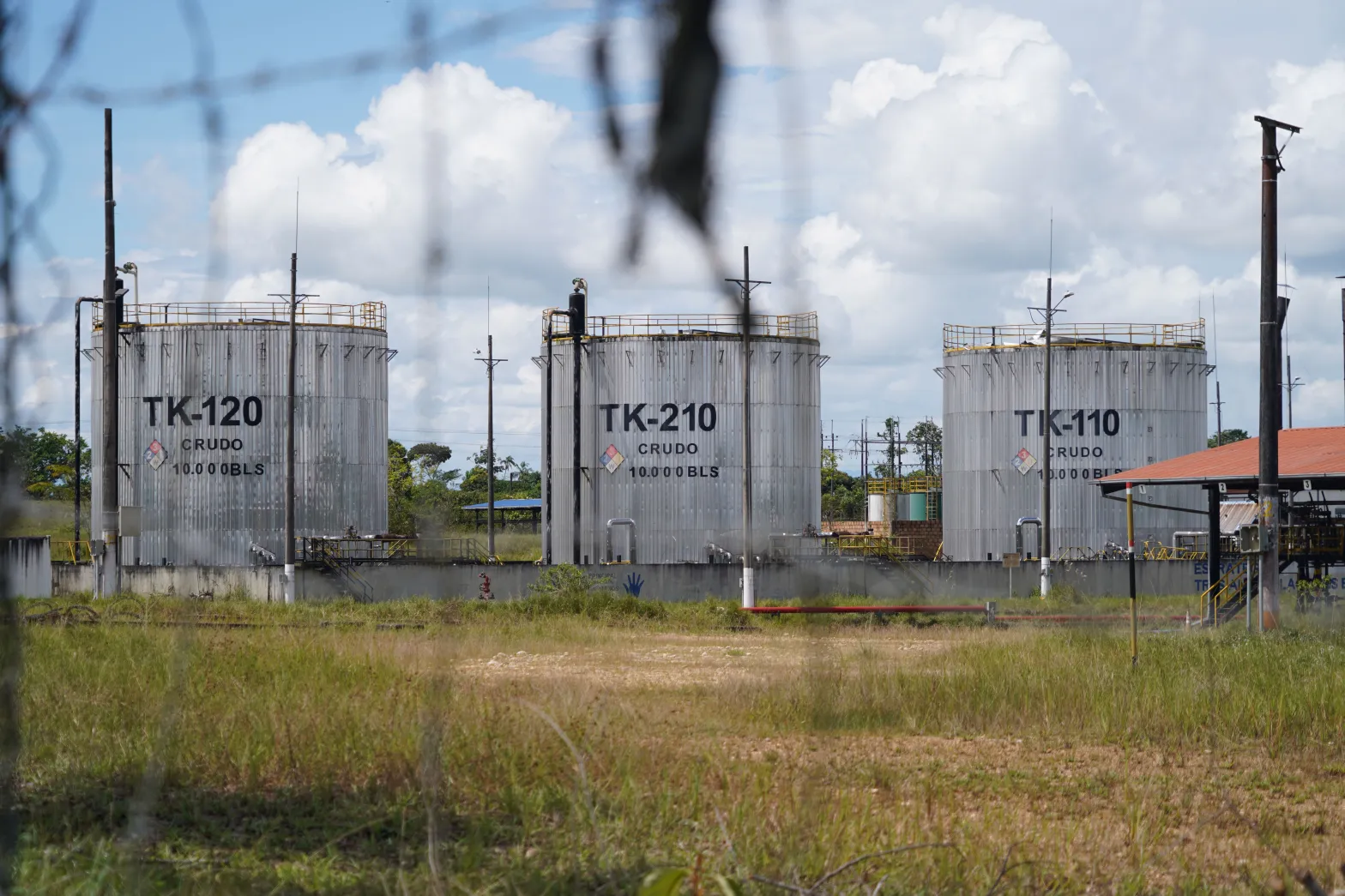
While Colombia’s decision to ban oil and mining projects in the Amazon has been widely praised by environmentalists, it has also faced significant political and economic challenges. The country’s reliance on oil and mining exports has long been a cornerstone of its economy, and the ban has been met with resistance from industry stakeholders and some political figures.
The decision to restrict future extraction activities in the Amazon represents a significant shift in Colombia’s economic strategy, one that prioritizes environmental sustainability over short-term economic gain. However, critics argue that this move could hinder the country’s economic growth and job creation, particularly in regions where oil and mining are major industries. Balancing economic development with environmental protection will be one of Colombia’s biggest challenges in the years to come.
A Commitment to Renewable and Regenerative Economic Activities
In place of extractive activities, Colombia has committed to promoting renewable and regenerative economic activities in the Amazon region. This shift towards sustainable development is part of a broader effort to create green jobs, boost the local economy, and ensure that the people of the Amazon benefit from the forest without exploiting it.
Vélez Torres has invited other South American nations to join Colombia in exploring alternative economic activities that respect the integrity of the Amazon and its ecosystems. This includes investing in eco-tourism, sustainable agriculture, and carbon offset programs that allow local communities to thrive while preserving the forest. The goal is to provide long-term solutions that balance the needs of the environment with the economic well-being of local populations.
The Special Commission on Environment and Climate
In addition to the ban on oil and mining, Colombia has expressed full support for the newly launched Special Commission on Environment and Climate (Cemac). This regional platform, which involves cooperation between South American countries, aims to coordinate actions to combat deforestation, tackle environmental crimes, and promote biodiversity conservation. The commission also focuses on water management, forest protection, and climate change mitigation efforts.
By supporting Cemac, Colombia is taking a leading role in addressing environmental issues on a regional scale. The commission will work to mobilize resources for sustainable development, ensure the participation of indigenous communities, and build a collective approach to the environmental challenges facing South America.
The Role of Indigenous Communities in Amazon Conservation
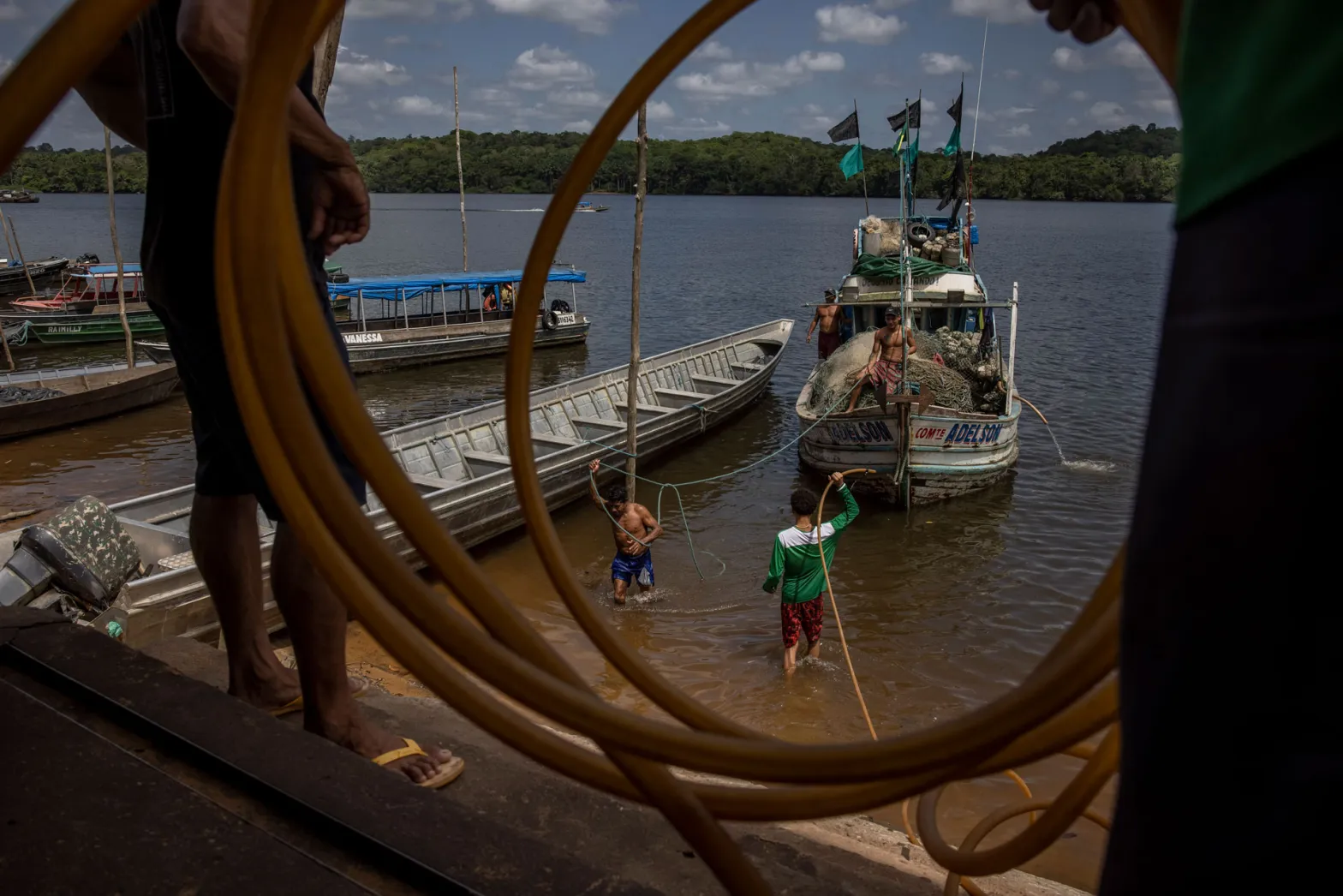
Indigenous communities have long been the stewards of the Amazon, and their role in conservation efforts is critical. In her statement, Vélez Torres emphasized the importance of including indigenous peoples in decision-making processes and ensuring their participation in environmental protection efforts.
The Amazon is home to hundreds of indigenous groups whose cultures and livelihoods are intimately connected to the forest. These communities possess invaluable knowledge of the land and its ecosystems, and their involvement in conservation efforts is essential for the success of any long-term preservation strategy. Colombia’s commitment to working with indigenous groups is a vital aspect of its broader conservation plan.
The Broader Impact of Colombia’s Decision
Colombia’s ban on oil and mining in the Amazon is part of a growing global reckoning with the environmental impacts of extractive industries. While the Amazon is at the center of this debate, the broader issue of balancing development with environmental conservation is being felt worldwide. From the protection of rainforests to the preservation of oceans and biodiversity, countries around the globe are rethinking their approaches to natural resource management.
As Colombia sets a precedent for the protection of its Amazon, other nations will be watching closely to see how this decision unfolds. If successful, it could serve as a model for other countries that are grappling with similar issues. The message is clear: protecting the environment and its ecosystems is not just an ethical obligation but a critical need for the health of the planet.
The Future of Colombia’s Amazon
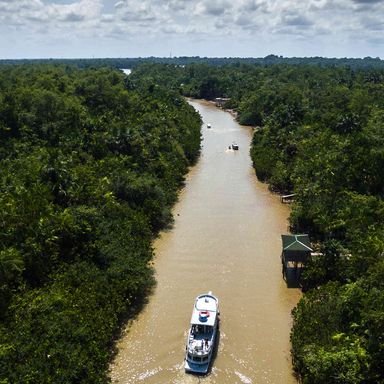
As Colombia moves forward with its ban on oil and mining projects in the Amazon, the future of the region looks promising but uncertain. The country’s commitment to renewable and regenerative economic activities offers hope for the long-term sustainability of the Amazon biome. However, the challenges of enforcement, economic adaptation, and international cooperation remain significant.
The success of Colombia’s initiative will depend on its ability to work with other countries in the region, engage indigenous communities, and ensure that alternative economic models are viable. While the road ahead is complex, Colombia’s bold move represents a critical step in preserving one of the world’s most vital ecosystems.
A Call to Action for Global Conservation Efforts
Colombia’s decision to ban oil and mining in its Amazon is a powerful reminder of the importance of protecting our planet’s natural resources. The Amazon is a critical part of the Earth’s ecosystem, and its preservation is essential for combating climate change, protecting biodiversity, and ensuring the well-being of future generations.
As the world faces unprecedented environmental challenges, the actions taken by Colombia and other countries in the region will play a pivotal role in shaping the future of conservation efforts. The global community must work together to ensure that the Amazon—and other vital ecosystems—remain protected for generations to come.