
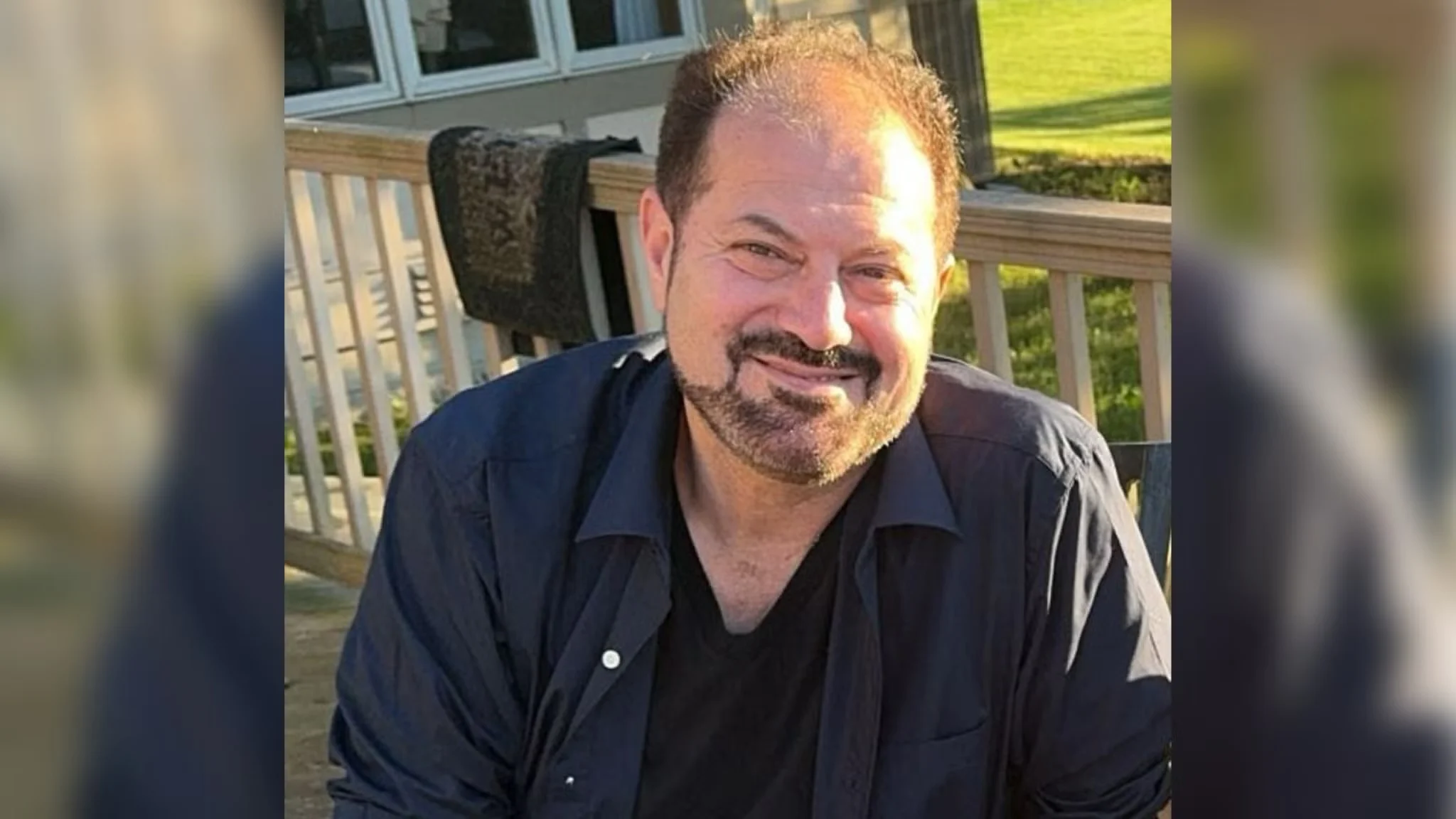
When news broke that U.S. Immigration and Customs Enforcement had detained one of Wisconsin’s most prominent Muslim community leaders, the reaction was immediate and deeply divided. For some, the arrest signaled a strict enforcement of immigration law tied to past convictions. For others, it raised troubling questions about fairness, timing, and whether the immigration system is being used in ways that extend beyond its intended purpose. At the center of this unfolding story is Salah Sarsour, a longtime resident of the United States and president of the Islamic Society of Milwaukee, whose sudden detention has sparked a wave of concern across communities, legal circles, and political spaces. What follows is not just a story about one man’s arrest, but a broader examination of immigration enforcement, civil liberties, and the complex intersection of past allegations and present identity.
Table of Contents
- A Community Leader Taken Into Custody
- The Allegations That Led to the Arrest
- Supporters Question the Validity of the Claims
- Legal Action and Civil Rights Concerns
- The Broader Context of Immigration Enforcement
- Political Reactions and Public Debate
- The Human Story Behind the Headlines
- What Happens Next in the Legal Process
- A Case That Reflects Larger Questions About Justice
- Conclusion: A Story Still Unfolding
A Community Leader Taken Into Custody
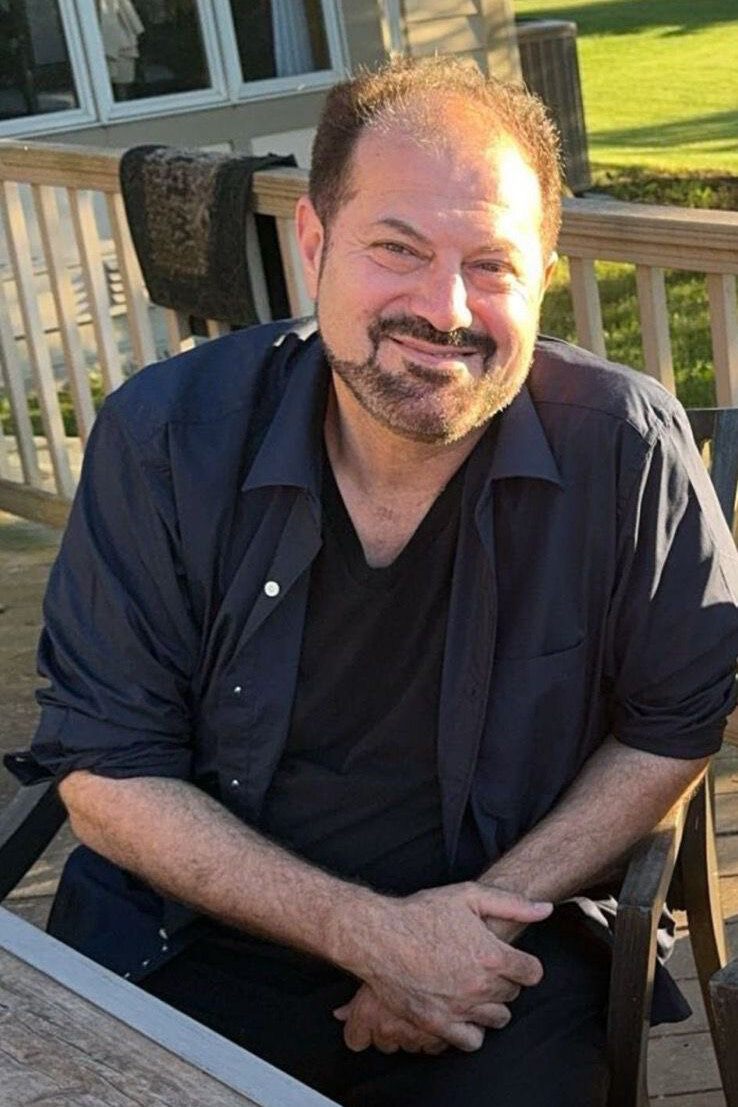
Salah Sarsour, 53, has been a familiar and respected figure in Milwaukee for years. As president of the Islamic Society of Milwaukee, the largest Islamic organization in the state, he has played a central role in community engagement, interfaith dialogue, and advocacy. According to those who know him, he is not just a leader but also a business owner, a grandfather, and a long-time resident who has built his life in the United States over more than three decades.
That is why his arrest came as a shock to many. According to accounts from community members, Sarsour was approached outside an office on the south side of Milwaukee by individuals in plain clothes. Shortly after, multiple vehicles arrived, and agents identified themselves as members of ICE before taking him into custody. The operation appeared swift and coordinated, leaving little room for explanation at the moment it unfolded.
Following his detention, Sarsour was transferred to a facility in the Chicago area and later moved to a detention center in Indiana. The sudden relocation added to concerns among supporters, who say the lack of transparency has made it difficult to understand what comes next in his legal process.
The Allegations That Led to the Arrest
According to the Department of Homeland Security, the basis for Sarsour’s detention lies in allegations tied to events that occurred more than 30 years ago. Officials stated that he had been convicted in Israel for offenses that included throwing Molotov cocktails at the homes of members of the Israeli armed forces and attempting to possess weapons and ammunition.
Authorities also claim that Sarsour provided inaccurate information during his immigration process, specifically in relation to his green card application. While details about the alleged discrepancies have not been fully disclosed, officials argue that this misrepresentation is a key factor in his current detention.
The timeline presented by authorities suggests that Sarsour initially faced visa denial due to his record but later entered the United States in 1993 as a conditional resident. He obtained his green card in 1998, allowing him to remain in the country legally for decades. During that time, he built a life that included community leadership and business involvement, with no criminal record in the United States.
Supporters Question the Validity of the Claims
While federal authorities point to past convictions as justification for the arrest, Sarsour’s supporters strongly dispute the narrative. Leaders within the Islamic Society of Milwaukee and affiliated organizations argue that the allegations stem from events during his teenage years in the West Bank, a time they describe as marked by conflict and instability.
According to Othman Atta, executive director of the Islamic Society of Milwaukee, the conviction cited by authorities is not only outdated but also questionable in its legitimacy. He stated that Sarsour had spoken openly about being detained and mistreated during that period, including claims of abuse while in custody. Atta emphasized that these events occurred long before Sarsour came to the United States and should not define his life decades later.
Supporters also point out that Sarsour has no criminal record in the United States and has consistently demonstrated a commitment to his community. For them, the arrest feels less like a routine enforcement action and more like a targeted move that raises deeper concerns about fairness and intent.
Legal Action and Civil Rights Concerns
In response to the detention, legal representatives have moved quickly to challenge the government’s actions. The Muslim Legal Fund of America, which is representing Sarsour, has filed a writ of habeas corpus, seeking to challenge the legality of his detention. This legal step is often used in cases where individuals believe they are being held unlawfully or without sufficient justification.
Kathryn Brady, who leads the organization’s immigration litigation department, has argued that Sarsour’s case raises serious constitutional concerns. She pointed out that he was thoroughly vetted when he immigrated to the United States decades ago, suggesting that revisiting these allegations now could be problematic.
Brady also raised the possibility that the case may be linked to Sarsour’s advocacy work, particularly his support for Palestinian rights. She suggested that his detention could be interpreted as a violation of his First Amendment rights, which protect freedom of speech and expression. While this claim has not been proven, it has added another layer of complexity to an already controversial case.
The Broader Context of Immigration Enforcement
Sarsour’s arrest comes at a time when immigration enforcement in the United States is under intense scrutiny. While ICE has long been responsible for enforcing immigration laws, critics argue that the agency’s actions sometimes raise questions about proportionality and fairness, particularly in cases involving individuals with long-standing ties to the country.
In recent years, there has been ongoing debate about how far back authorities should go when evaluating an individual’s past. Cases like Sarsour’s highlight the tension between enforcing immigration laws and recognizing the realities of personal transformation over time. For many, the question is not just whether the law allows such actions, but whether it is just to apply them decades after the fact.
At the same time, supporters of strict enforcement argue that immigration laws must be upheld consistently, regardless of how much time has passed. From this perspective, any misrepresentation during the immigration process is grounds for action, even if the individual has since lived a law-abiding life.
Political Reactions and Public Debate
The arrest has quickly entered the political arena, drawing reactions from elected officials and advocacy groups. Chris Larson, a Democratic state senator representing parts of Milwaukee County, expressed shock and concern over the detention. He described Sarsour as not only a community leader but also a neighbor and family member, emphasizing the human impact of the situation.
On a broader level, the case has become part of a larger conversation about immigration policy and civil rights. Advocacy groups have pointed to the arrest as an example of how immigration enforcement can intersect with issues of race, religion, and political expression. Meanwhile, others argue that the case should be viewed strictly through the lens of legal compliance.
The lack of detailed information about the specific allegations and the decision-making process behind the arrest has only fueled speculation and debate. Without clear answers, both sides continue to interpret the situation through their own perspectives, leading to a polarized public response.
The Human Story Behind the Headlines

Beyond the legal arguments and political reactions, there is a deeply human story at the center of this case. Sarsour is not just a name in a headline. He is a person with a family, a community, and a life built over decades. For those who know him, his detention is not an abstract issue but a personal loss that affects real people.
Community members have described him as a pillar of support and a consistent presence in Milwaukee’s Muslim community. His work has included not only leadership within the Islamic Society but also broader efforts to promote understanding and cooperation across different groups.
For his family, the situation is undoubtedly difficult. The uncertainty surrounding his detention, combined with the potential legal battle ahead, creates a sense of instability that extends far beyond the individual at the center of the case.
What Happens Next in the Legal Process
As the case moves forward, the focus will shift to the legal proceedings that will determine Sarsour’s future. The writ of habeas corpus filed by his legal team is likely to be a key step in challenging his detention. Depending on the outcome, the case could set a precedent for how similar situations are handled in the future.
The court will need to consider multiple factors, including the validity of the original allegations, the accuracy of Sarsour’s immigration application, and the broader implications of detaining someone with such a long history in the United States. These are not simple questions, and the answers could have far-reaching consequences.
At the same time, public attention on the case may influence how it unfolds. High-profile cases often bring additional scrutiny, which can impact both the legal process and the decisions made by authorities.
A Case That Reflects Larger Questions About Justice
Ultimately, the detention of Salah Sarsour is about more than one individual. It raises fundamental questions about how societies balance law enforcement with fairness, how they interpret past actions in light of present circumstances, and how they ensure that justice is applied consistently.
For some, the case reinforces the importance of accountability and adherence to legal processes. For others, it highlights potential gaps in the system and the need for greater transparency and safeguards.
As the situation continues to develop, it is clear that this case will remain a focal point in discussions about immigration, civil rights, and the role of government in shaping both. The outcome will not only affect Sarsour and his community but may also influence how similar cases are approached in the years to come.
Conclusion: A Story Still Unfolding
The arrest of a prominent Islamic leader in Wisconsin has quickly become a story that extends far beyond its initial headlines. It touches on issues of identity, justice, and the evolving nature of immigration enforcement in the United States.
While the legal process will ultimately determine the outcome, the broader impact of the case is already being felt. It has sparked conversations, raised concerns, and prompted reflection on what it means to belong, to be judged, and to seek fairness in a complex world.
As more details emerge and the legal proceedings continue, one thing remains certain. This is not just a closed chapter, but an ongoing story that will shape how people think about law, rights, and community for a long time to come.